Halitosis, also known as bad breath, is a consistent odor coming from your mouth that you don’t want. It's usually temporary due to something like eating strong-smelling food or sleeping with your mouth open. However, it becomes long-term due to the volatile sulfur compounds (VSCs), such as hydrogen sulfide, methyl mercaptan and dimethyl sulfide, created when certain types of bacteria in your mouth break down protein. These bacteria live on the back of your tongue, in the space where your gums meet your teeth (periodontal pocket), and between your teeth.
Intra-oral halitosis represents about 85% to 90% of dental-related halitosis, occurring when microorganisms in the mouth break down protein and produce volatile sulfur compounds (VSC) such as hydrogen sulfide, methyl mercaptan, and dimethyl sulfide.
Clinical Definition: Long-lasting bad breath that occurs when microorganisms in the mouth break down protein and produce volatile sulfur compounds (VSC).
Significant Indicators for Urgent Attention: Bleeding of gums upon spontaneous touch, a metallic taste, intense localized pain at the site of the odor; continuous dryness of the mouth; an open wound in the mouth with no signs of healing accompanied by long-term malodor.
Major Recovery Paths: Deep cleaning to remove plaque and tartar via professional scaling and root planing; removal of debris from the surface of the tongue using debridement; treatment of VSC's with antimicrobial oral rinse products; local treatment of the area through deep-cleaning therapies; treatment of chronic conditions that may have driven the development of the malodor.
Olfactory Malodor: Sour smell, sulfurous, or feces-smelling odor in the air for months, even after practicing good oral hygiene habits.
Altered Taste (Dysgeusia): Lingers in your mouth with a metallic, bitter, or salty taste.
Coating Tongue (Hypertrophied Lingual Papillae): A thick white, yellow, or brown coating can be observed on the back of your tongue.
Dry Mouth (Xerostomia): The roof of your mouth and the inside of your cheeks feel dry, like they are covered with glue due to reduced saliva production.
Biofilm Accumulation (Plaque Buildup): Accumulation in interdental spaces, the subgingival area of the teeth, and underneath fixed dental prosthetics.
Fruiting / Acetone Breath: Possible indication of diabetic ketoacidosis.
Musty / Ammoniacal Breath: Indicates renal insufficiency or hepatic distress (fetor hepaticus).
Visible Purulent Discharge: Indicates an active periodontal abscess.
Night Sweats / Weight Loss: Accompanied by chronic extraoral odors; requires immediate medical triage.
Non-Healing Ulcers: Mucosal lesions present for >2 weeks with severe malodor.
Anaerobic Bacteria Breaking Down Amino Acids: Breakdown of cysteine and methionine found in saliva, dead epithelial cells, and food residues leads to volatile sulfur compounds (VSC) production.
Inadequate Interdental & Tongue Cleaning: Leads to poor plaque biofilm removal, allowing for continued anaerobic activity.
Local Diet Components Contributing to VSC Emission: Dietary components such as garlic and onions contain sulfur compounds that enter the bloodstream during digestion and are eventually exhaled through the lungs.
Subgingival Pockets Formed by Periodontal Disease: Creates an environment favorable to the growth of sulfur-producing bacteria that thrive in low-oxygen conditions.
Low-Saliva Conditions: Allows gas-producing microorganisms to multiply more quickly than under normal flowing conditions.
Cigarette Smoking / Tobacco Use / Betel Nut Chewing: Increases periodontal disease risk, reduces saliva flow, changes oral flora, and alters oral pH.
Ill-Fitting Fixed Dental Prosthesis: Creates a trap for debris and prevents effective brushing in areas between teeth, crowns, and partial dentures.
Gastrointestinal & Systemic Disorders: Conditions such as diabetes, sinusitis, gastroesophageal reflux disease (GERD), and tonsilloliths (tonsil stones) increase periodontal disease and malodor risks.
Increased VSC Production: Encouraged by fluid loss, poor hydration, and the consumption of high-protein diets providing excess substrate for anaerobic VSC-producing bacteria.
Use these self-assessments to make a preliminary assessment of your own oral health:
The Wrist / Spoon Test: Using a clean, blunt plastic spoon (or the inside of your wrist), scrape the posterior surface of your tongue and allow the area to dry for 5 seconds. Then, use your nose to assess the aroma.
Mirror Visual Check: Stick your tongue out and examine it under bright light. Look for thick layers of white or yellowish plaque or biofilm coating the majority of the surface of the tongue's rear.
Floss Odor Test: Pass unflavored dental floss through your teeth and gently pull it across the surfaces. Check for mucus or debris caught in the threads, and determine if an unpleasant odor is emanating from them.
Warning: Do not stick anything sharp into your mouth nor scrape hard during these checks to avoid mucous membrane damage.
Organoleptic Examination: Considered the gold standard for assessing breath odor intensity. A well-trained clinician measures odor intensity at defined distances using a standardized scoring system (0–5).
Gas Chromatography: Laboratory tests that isolate and quantify (in ppm) the specific amounts of hydrogen sulfide, methyl mercaptan, and dimethyl sulfide present in breath or saliva samples.
Portable Halimeter Tests: Portable tests that measure total Volatile Sulfur Compound (VSC) levels in parts per billion (ppb).
Periodontal Probing & Radiography: Measures pocket depth using a periodontal probe and utilizes radiographs to evaluate alveolar bone loss.
Flow Rate Analysis of Saliva: Evaluates both resting and stimulated flow rates of saliva as possible evidence of salivary gland hypofunction.
|
Severity Level |
Clinical Characteristics |
Microbial Profile |
Typical VSC Range |
|
Grade 1 (Transient/Mild) |
Occasional morning breath; minimal tongue coating; healthy gums. |
Commensal flora; light transient bacteria. |
< 100 ppb |
|
Grade 2 (Moderate Intra-Oral) |
Persistent daily odor; moderate tongue biofilm; mild gingivitis. |
Moderate anaerobic colony expansion. |
100 – 300 ppb |
|
Grade 3 (Severe Periodontal) |
Odor evident from distance; deep pockets (> 5mm); tissue breakdown. |
High concentration of P. gingivalis & T. forsythia. |
> 300 ppb |
A patient can be treated for halitosis using the following methods:
Mechanical Debridement: Includes full-mouth ultrasonic scaling and root planing to remove plaque and calculus from around the teeth and below the gumline, clean subgingival bioburden, and reduce pocket depth.
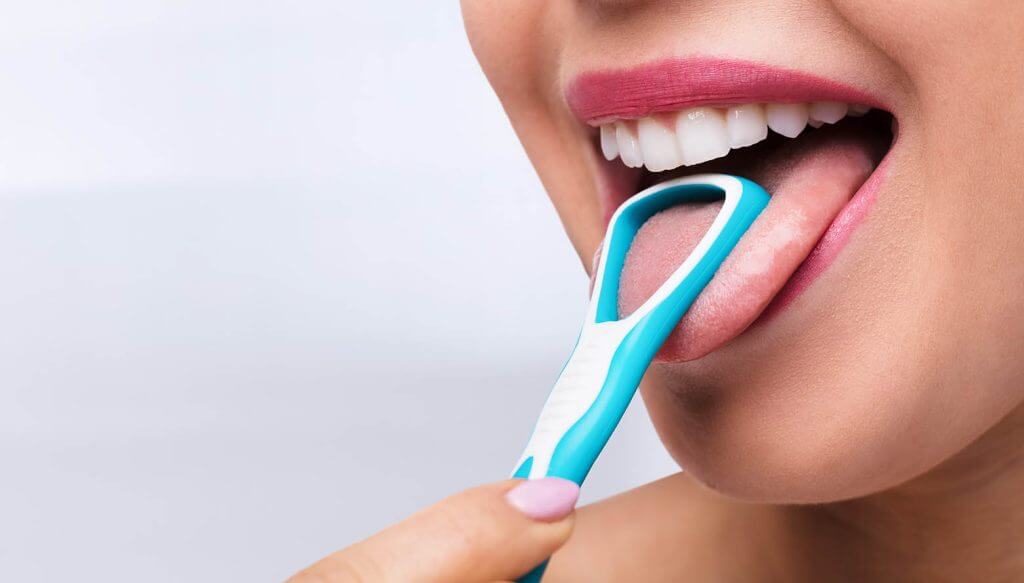
Targeted Tongue Therapy: Daily use of an ergonomically designed tongue scraper alongside a specific antimicrobial gel or alcohol-free rinse containing active ingredients such as zinc lactate.
Salivary Stimulators & Replacement Therapy: Using sialagogues (when indicated), such as pilocarpine, or specialized artificial saliva rinse formulations containing carboxymethylcellulose for patients experiencing xerostomia.
Prosthetic Refitting & Restoration Treatments: Replacing defective crowns, fillings, or overhangs that create food-trap areas too difficult to brush and clean.
Halitosis treatment costs depend on the underlying cause and the required clinical interventions:
Consultation / Organoleptic Assessment: ₹500–₹1,200
Full-Mouth Ultrasonic Scaling & Polishing: ₹1,500–₹3,500
Deep Periodontal Root Planing (per Quadrant): ₹2,000–₹4,500
Periodontal / VSC Maintenance Kits: ₹800–₹2,000
Routine hygienic procedure costs are typically paid out-of-pocket. However, financial assistance may be available through private health insurance or public programs. To qualify for coverage under such schemes, treatment usually must be linked to hospitalization or complex dental surgery.
General Dentist: A good starting point for organoleptically evaluating patients. They perform routine scaling procedures and provide education on basic oral hygiene.
Periodontist: The ideal specialist for symptoms indicating advanced gum disease, which can lead to bone loss, deep periodontal pockets, and persistent bad breath.
ENT Specialist (Otolaryngologist): May be required if extraoral evaluations suggest conditions such as chronic sinusitis, tonsil stones (tonsilloliths), or nasal pathology.
Gastroenterologist or Endocrinologist: Referral sources when systemic issues are suspected as the underlying cause of breath odor, such as GERD, liver disease, or uncontrolled diabetes.
Emergency Triage (Within 24 Hours): Required for patients presenting with acute localized swelling, fever, purulent discharge from the gums, or sudden, severe changes in breath odor (e.g., acetone or fecal odor).
Standard Appointments (Within 7 to 14 Days): Recommended for patients with chronic, persistent malodor lasting longer than two weeks despite practicing improved home oral hygiene, including tongue scraping.
Preventative & Maintenance Appointments: All adults should schedule routine dental evaluation and cleaning appointments at least every six months.
What causes bad breath when I brush my teeth every morning and before bed?
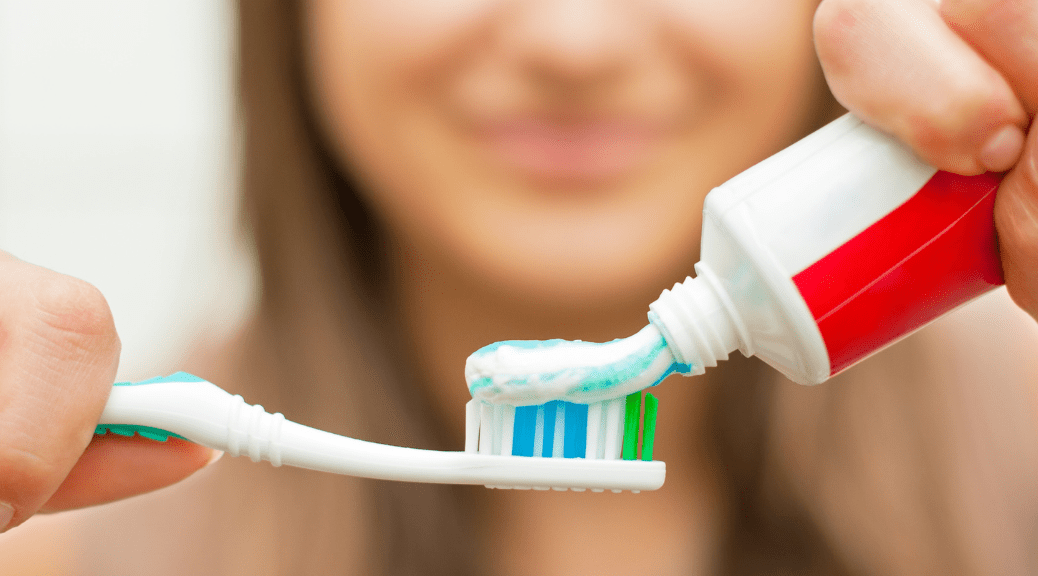
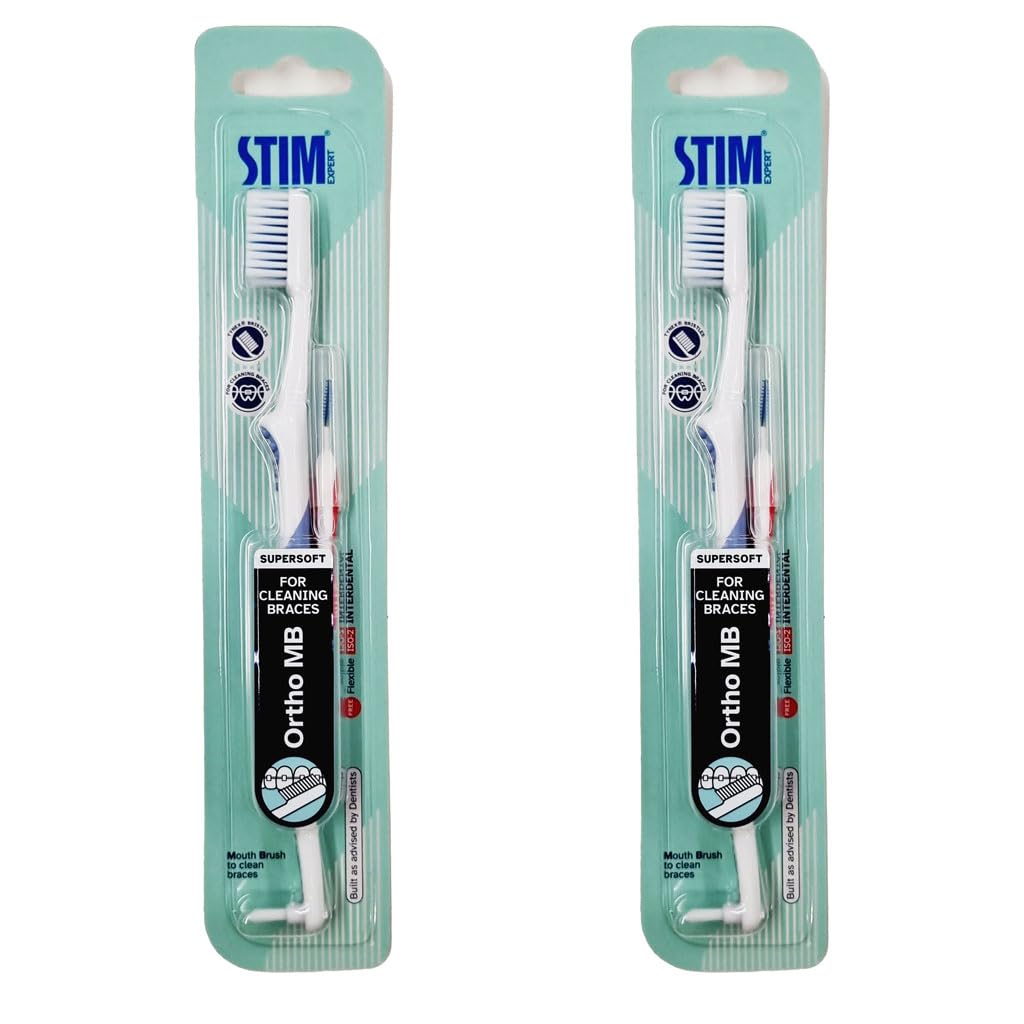
Brushing with a regular toothbrush does not remove bacteria residing on the far posterior surface of the tongue or in interdental gaps. Billions of microorganisms live on the tongue's surface, many of which produce sulfur-based compounds. In addition to daily brushing, it is essential to use a tongue scraper and clean between teeth with dental floss or an interdental cleaner/water flosser to clear protein deposits and anaerobic bacteria.
Can eating local foods such as coconut curries, garlic, or dried fish create permanent bad breath?
No. Dietary breath malodor is temporary. When you consume foods containing sulfur compounds, these molecules enter the bloodstream during digestion and are eventually exhaled through the lungs. This process typically resolves within 24 to 72 hours depending on metabolic rate, making dietary malodor fundamentally different from chronic halitosis caused by intraoral bacterial activity.
Do alcohol-based mouthwashes help eliminate halitosis in the long run?
No. While alcohol-based mouthwashes may temporarily mask odors, long-term use can exacerbate bad breath. Alcohol dries out the oral mucosa, leading to reduced saliva production. This creates a low-saliva environment where anaerobic, sulfur-producing bacteria thrive. For sustained results, choose alcohol-free oral rinses containing active ingredients such as zinc lactate, reserving chlorhexidine for short-term clinical use.
Halitosis should be considered a clinical indicator of an underlying condition requiring treatment, rather than merely a cosmetic nuisance. Long-term success in treating halitosis depends on addressing the primary source of the problem rather than temporarily masking it. The two most significant reservoirs of sulfur-producing anaerobic microorganisms are the posterior dorsal surface of the tongue and subgingival pockets. By incorporating routine tongue debridement alongside regular professional dental hygiene and periodontal care, patients can consistently reduce VSC levels while maintaining healthy gingiva.








.jpg)
.jpg)

.jpg)
.jpg)

.jpg)
.jpg)
.jpg)
.jpg)
.jpg)
.jpg)
.jpg)
.jpg)