Altered taste perception occurs due to disruption in the salivary pathway, damage to the gustatory receptor cells on the tongue, or impaired neural signaling to the brain. A chronic abnormal taste—typically described as metallic, bitter, salty, or foul—usually indicates an active pathological process within the oral cavity. Common oral etiologies include microbial accumulation within plaque biofilms, elevated Volatile Sulfur Compounds (VSCs), exposed dentin or pulpal necrosis, or deep endodontic infections involving the pulp chamber.
Additionally, specific regional dietary habits in Kerala—such as heavy reliance on coconut oil for cooking, high intake of pungent spices (e.g., black pepper, red chili), and consumption of acidic or fermented foods—can further aggravate inflamed oral mucosa, increasing the severity of perceived dysgeusia.
Clinical Definition: Chronic altered taste perception (dysgeusia/parageusia) resulting from microbial proliferation, systemic metabolic shifts, or structural intraoral lesions.
Urgent Indicators: Sudden onset of spontaneous oral bleeding, severe halitosis, facial swelling, dysphagia (difficulty swallowing), or a sudden metallic taste accompanied by fever.
Main Recovery Methods: Professional scaling and root planing, endodontic therapy for necrotic pulp infections, targeted antimicrobial rinses, and clinical evaluation of systemic contributors (e.g., GERD, acute rhinosinusitis).
Bitter / Metallic Taste: A persistent, distorted metallic or harsh bitter taste in the presence of intraoral stimuli (such as biofilm or restorations) is classified as dysgeusia. If an abnormal taste is perceived in the complete absence of any physical or chemical oral stimulus, it is clinically termed phantogeusia (phantom taste perception).
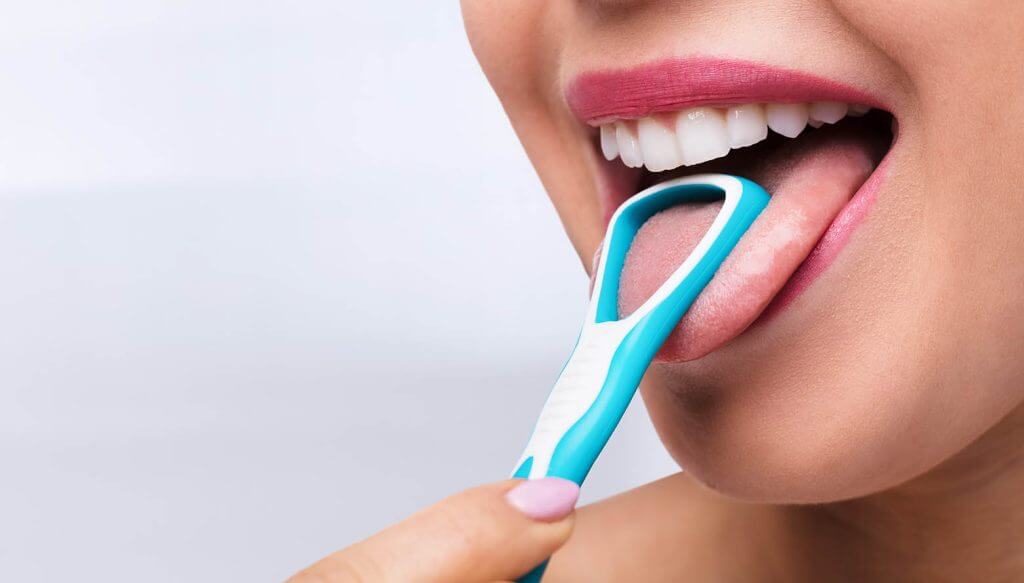
Salty or Rancid Tongue Coating: A persistent film covering the posterior surface of the tongue that worsens upon waking.
Localized Burning Sensation: Mild tingling or burning on the lips or tongue, particularly after consuming spicy or highly acidic foods (e.g., Indian pickles / achar).
Altered Taste Thresholds: Distortion of flavor intensity, such as foods tasting overly sweet or an inability to detect subtle flavors.
Purulent Exudate from Periodontal Pockets: Suppuration or pus oozing from deep subgingival pockets around the teeth.
Transient morning taste alterations caused by overnight mouth dryness differ significantly from red-flag symptoms of underlying clinical conditions. Seek immediate professional care if you experience:
Continuous Purulent Discharge: Persistent pus leaking from the gum margins.
Rapidly Spreading Erythema: Redness or swelling spreading quickly to the floor of the mouth or down into the throat.
Taste Loss with Neurological Deficits: Sudden loss of taste accompanied by unilateral facial numbness or muscle weakness.
Post-Restorative Malodor & Taste Distortion: Persistent metallic or foul tastes developing shortly after dental procedures, which may indicate defective crown margins, micro-leakage, or fractured restorations.
Periodontal Biofilm Accumulation: Anaerobic bacteria thriving in interproximal biofilms release Volatile Sulfur Compounds (VSCs), resulting in a persistent sulfurous or rotten taste.
Pulpal Necrosis: Deep dental caries extending into the pulp chamber cause nerve tissue necrosis and the drainage of foul-tasting purulent fluid.
Oral Candidiasis: Fungal overgrowth—common after broad-spectrum antibiotic therapy, steroid inhaler use, or in denture wearers—can form removable curd-like white plaques on the dorsum of the tongue and palate, often causing a persistent bitter, metallic, or cottony taste sensation.
Gastroesophageal Acid Irritation: Retrograde flow of gastric acid into the oral cavity irritates pharyngeal tissues, leaving a sharp, sour acidic layer on the tongue and pharynx.
Post-Nasal Drip: Mucopurulent secretions from upper respiratory or sinus infections dripping onto the posterior tongue disrupt gustatory signaling by coating the taste buds.
Dietary Irritants: Regular consumption of highly spicy foods or acidic ingredients (e.g., tamarind, raw mango) can irritate mucosal linings and alter salivary pH.
Betel Nut & Tobacco Usage (Paan): Chewing areca nut and tobacco induces severe mechanical abrasion and chemical toxicity to the oral mucosa and taste papillae. Over time, it leads to chronic tissue fibrosis (Oral Submucous Fibrosis), loss of mucosal elasticity, altered gustatory sensitivity, and increased risk for oral malignancy.
Xerostomia & Dehydration: Reduced salivary production deprives the oral cavity of key cleansing enzymes, accelerating microbial proliferation.
Uncontrolled Type 2 Diabetes Mellitus: Elevated salivary glucose concentrations create an optimal environment for bacterial and fungal growth.
Medication-Induced Dry Mouth (Polypharmacy): Common medications—including antihistamines, ACE inhibitors, and metformin—can directly alter taste receptor signaling or induce xerostomia.
Inspect your mouth safely using a mirror and a direct light source:
Hand Hygiene: Wash your hands thoroughly with soap and water before touching any oral tissues.
Tongue Inspection: Extend your tongue and check from back to front for a heavy white, yellow, or brown coating covering the posterior third.
Gingival Assessment: Using a clean index finger, apply gentle pressure along the gum pads. Look for areas of localized tenderness, bleeding, or purulent (foul) fluid discharge.
Visual Tooth Inspection: Examine the chewing surfaces of your molars for dark shadows (indicating interproximal or occlusal decay) or visible micro-cracks near existing dental restorations.
Note: Never insert sharp objects into your mouth or attempt to alter or remove dental restorations yourself.
A dentist uses precise diagnostic techniques to identify the underlying cause of taste disturbances:
Periodontal Pocket Probing: A specialized periodontal probe measures the depth of subgingival pockets around each tooth to identify environments conducive to anaerobic bacterial growth.
Radiographic Examination (X-Rays): Digital intraoral periapical and bitewing radiographs evaluate alveolar bone height, interproximal caries, and periapical pathology. For detecting non-displaced micro-fractures or complex root anatomy, Cone-Beam Computed Tomography (CBCT) or Fiberoptic Transillumination (FOTI) is utilized.
Pulp Vitality Testing: Thermal or electrical pulp tests assess nerve response to determine whether the dental pulp tissue is healthy, inflamed, or necrotic.
Salivary Flow & Microbiological Analysis: Quantitative testing measures resting and stimulated salivary flow rates, while tongue scraping analysis identifies fungal overgrowth (such as Candida albicans) or specific pathogen strains.
|
Severity Level |
Clinical Characteristics |
Primary Structural Impact |
Typical Cause |
|
Mild (Grade 1) |
Transient foul/salty taste; clears with brushing |
Dorsal tongue papillae, superficial mucosa |
Morning xerostomia, mild dehydration, transient food residue |
|
Moderate (Grade 2) |
Persistent bitter/metallic sensation throughout the day |
Gingival margins, interdental papillae |
Early periodontitis, failing filling margins, mild sinus drip |
|
Severe (Grade 3) |
Continuous foul pus taste, localized pain, halitosis |
Deep pulp chamber, alveolar bone loss |
Pulp necrosis, periapical abscess, advanced periodontitis |
Scaling & Root Planing: Ultrasonic scaling and root planing remove calcified deposits (calculus) and bacterial plaque from root surfaces below the gumline, eliminating key reservoirs of Volatile Sulfur Compounds (VSCs).
Endodontic Therapy (Root Canal Treatment): Disinfects and clears necrotic tissue from an infected pulp chamber. The root canal system is then sealed with biocompatible gutta-percha to halt purulent discharge and bad taste.
Antimicrobial Protocols: Short-term use of targeted therapeutic rinses—such as chlorhexidine gluconate (0.12%) or stabilized chlorine dioxide—to temporarily neutralize VSCs and reduce pathogenic bacterial load during acute healing phases. (Note: Prolonged use of chlorhexidine should be avoided as it can cause extrinsic tooth staining and temporary taste alteration).
Restorative & Prosthetic Replacement: Replacement of defective amalgams, fractured fillings, or ill-fitting crowns to eliminate structural overhangs that trap decaying food particles.
Treatment fees in Kerala vary based on clinic type, facility standards, and case complexity. Below are typical local cost estimates:
|
Service / Procedure |
Approximate Cost (INR ₹) |
|
Professional Full-Mouth Scaling & Polishing |
₹1,000 – ₹2,500 |
|
Deep Periodontal Root Planing (per Quadrant) |
₹2,500 – ₹5,000 |
|
Single-Rooted Endodontic Therapy (Root Canal) |
₹3,500 – ₹7,000 (excludes final crown) |
|
High-Grade Ceramic / Zirconia Crown |
₹6,000 – ₹15,000 |
General Dental Practitioner: The ideal point of contact for an initial assessment, standard scaling, identification of primary and secondary caries, and basic oral hygiene instruction.
Periodontist: Required when taste disturbances stem from deep subgingival pockets, alveolar bone loss, or chronic periodontitis.
Endodontist: Necessary for complex root canal therapy or management of acute apical abscesses producing purulent discharge.
Medical Specialists (Neurologist / Systemic Specialists): If dysgeusia persists despite complete oral health clearance, evaluation by a medical specialist is indicated to investigate underlying systemic conditions or gustatory neural pathway dysfunction.
Emergency Triage (Immediate / Emergency Room): Progressive facial swelling, high fever, dysphagia (difficulty swallowing), or dyspnea (difficulty breathing) indicate a potential deep neck space infection (e.g., Ludwig’s Angina) threatening the airway. These symptoms require immediate emergency medical intervention. Acute purulent drainage without systemic compromise should be evaluated by a dental specialist within 24 hours.
Priority Care (Within 24–48 Hours): Indicated for constant bitter or metallic tastes accompanied by localized masticatory pain or significant gingival bleeding.
Routine / Elective Appointments (Within 1–2 Weeks): Recommended for mild, intermittent morning taste alterations that improve with oral hygiene, or for scheduling routine preventive care.
What causes a continuous bitter taste even after I brush my teeth?
Toothbrushing effectively cleans the smooth facial surfaces of your teeth, but it often misses deeper microbial reservoirs—such as the deep crevices of the posterior tongue dorsum and subgingival pockets. Additionally, non-dental factors like gastroesophageal reflux disease (GERD) or chronic post-nasal drip can continuously coat the pharyngeal and oral tissues with acidic gastric secretions or mucopurulent drainage, producing a persistent bitter taste regardless of oral hygiene.
Can local Kerala spices cause a persistent bad taste?
Spices themselves do not cause bacterial infections, but highly acidic or pungent ingredients (e.g., raw mango, tamarind, red chilies, black pepper) can irritate exposed nerve endings in inflamed, receding, or ulcerated gum tissues, worsening the perception of taste distortion. Furthermore, consuming heavily spiced or oily foods can trigger or exacerbate acid reflux, leading to secondary taste disturbances.
Can a metallic taste indicate that a dental filling is failing?
Yes. A distinct metallic taste is primarily caused by oral galvanism—an electrical current created when saliva acts as an electrolyte between dissimilar metals (e.g., an amalgam filling opposing a gold crown). Conversely, micro-leakage around cracked or failing restorations allows anaerobic bacteria to break down organic matter, which typically produces a foul, salty, or rotten taste rather than a metallic one.
An unpleasant or altered taste in your mouth is a key clinical signal that should not be ignored. Persistent taste distortion often serves as the initial indicator of active pathology below the gumline, compromised margins on existing dental restorations, or systemic metabolic imbalances. Relying on commercial mouthwashes to mask symptoms only delays necessary care and can exacerbate desiccation of the oral mucosa. Patients experiencing altered taste perception lasting longer than one week require a comprehensive professional dental evaluation and targeted debridement rather than self-treatment with over-the-counter rinses.








.jpg)
.jpg)
.jpg)
.jpg)
.jpg)
.jpg)
.jpg)
.jpg)
.jpg)
.jpg)
.jpg)
.jpg)