

Broken braces or protruding archwires are among the most frequent mechanical failures that occur during orthodontic treatment. Broken ties can happen when ligatures come loose, adhesive from bonding breaks due to chewing forces, or when distal ends of NiTi or stainless steel wires move back past their attachment to the teeth.
Mechanically, it disrupts the force being delivered to the PDL and alveolar bone. The exposed area is constantly irritated and will ulcerate as it is subject to chronic mechanical pressure on the soft tissue of the oral cavity.
Clinical Definition: A structural separation of brackets, bands, or distal movement of archwires.
Emergency Signs/Indications: Severely damaged mucous membranes, ongoing bleeding, embedded wires, risk of aspirating/wire swallowing.
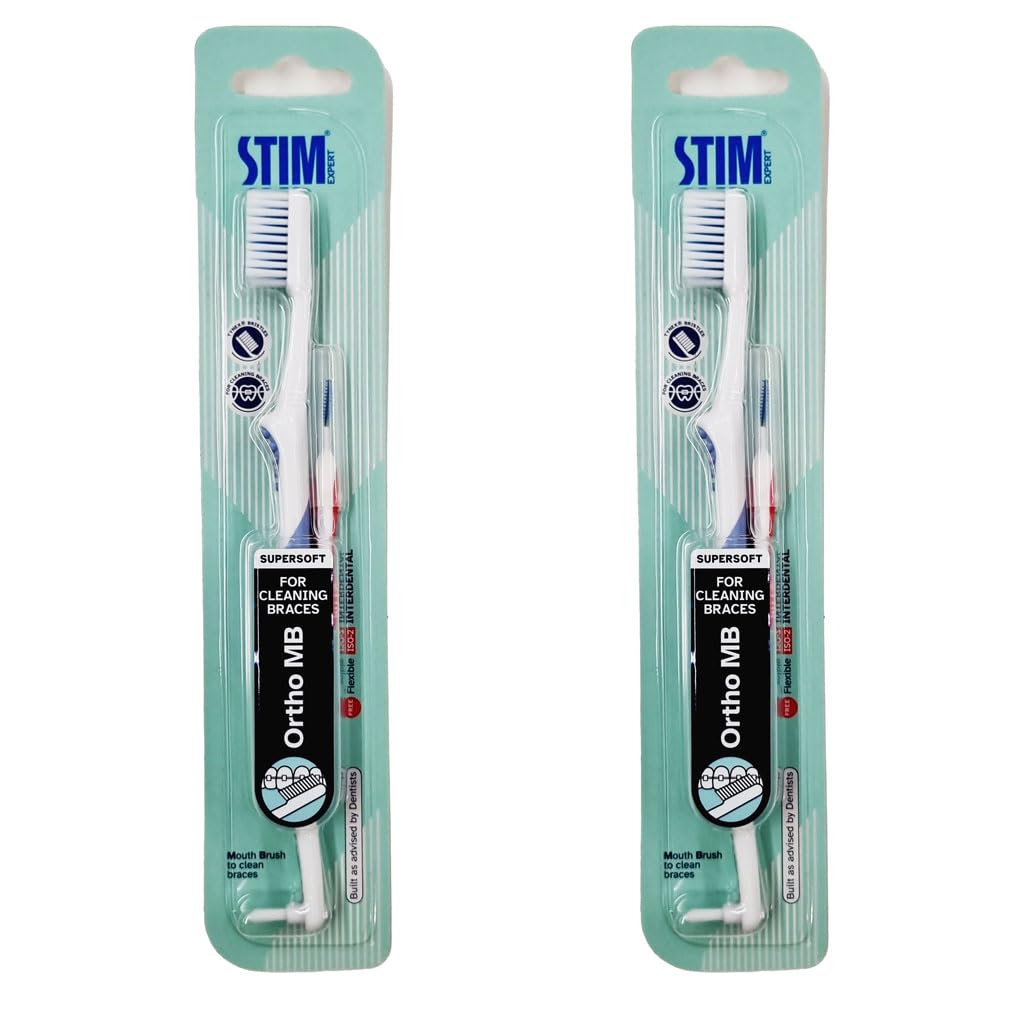
Home Emergency Fix: Orthodontic relief wax application; use a cotton swab to push a wire into place if one has come out of its band or slot.
Tactile / Visual Changes: Patient experiences immediately apparent sensory changes in their oral cavity.
Sharp, Focal Stinging / Burning Sensation: On the buccal mucosa/labial mucosa (cheek/lip liner).
Bracket Displacement: Bracket is displaced, rotated, or detached from its rest position along the arch.
Persistent Irritation / Friction: Sore areas and aphthae-like ulceration/redness on the cheek interior.
Obtain urgent clinical care for the patient who displays symptoms of possible deep tissue damage or infection:
Bleeding laceration(s) in the cheek lining that is not healing within a 24 to 48 hour time frame.
Systemic fever indicates a secondary infection, which may require antibiotics.
A lost bracket or loose piece of wire that has been swallowed or aspirated, which will need urgent medical care.
A list of causes for failure of orthodontic hardware includes three categories:
Behavioral: Consuming hard, crunchy, or sticky regional food items is a common cause of failure of orthodontic appliances.
Mechanical / Trauma: Facial trauma or a direct blow to the face from a contact sport or accidental fall may also cause an appliance to fail.
Parafunctional Habits: Bruxism (grinding of teeth), biting nails, etc., creates excessive force on adhesive materials used to attach brackets to tooth surfaces.
A number of risk factors contribute to the likelihood that orthodontic hardware will fail:
Dental Hygiene: Poor dental hygiene contributes to demineralization at the enamel surface and weakens the bond between the bracket base and the enamel matrix.
Crowding Anatomically: Crowded teeth are subject to greater-than-average torsional stresses on the initial wires.
Saliva Characteristics: High pH saliva accelerates the deterioration of some types of adhesives used in orthodontics.
Wash your hands thoroughly and face a lighted mirror.
Use your clean fingers to gently pull back your lips to expose the quadrant in question.
Determine whether the bracket is hanging off the archwire or completely loose.
Find the top end of the wire that you can feel (the "poke") as it relates to the band.
The orthodontist will diagnose the mechanical failure by utilizing established clinical procedures:
Visual Evaluation: Visual evaluation of bracket damage using high-intensity lighting to inspect bracket retention.
Tactile Examination: Examination of wire movement within the buccal tube area through tactile means.
Radiographic Images: Periapical intraoral or panoramic images are utilized when there is suspicion of mechanical displacement of the tooth structure.
Grade 1 (Minor): The brackets are slightly loose and some of the bracket has separated from the archwire, but it's still attached. There may be a slight amount of wire showing.
Grade 2 (Moderate): The bracket is completely off the archwire and it's spinning around. At this point, there will be a sharp edge of the distal portion of the bracket cutting into the soft tissue in your mouth.
Grade 3 (Major / Severe): Deep mucosal cuts have been caused by embedded wires that cause significant discomfort and acute infections.
Treatment for these emergencies focuses primarily on providing the patient with maximum comfort while maintaining biological stability:
Orthodontic Wire Cutting: Using sterilized scissors or clippers specifically designed to cut through orthodontic wire to remove all the exposed wire safely.
Orthodontic Bracket Re-Bonding: Clean the tooth surface to remove all plaque and debris; then use etch to roughen the surface so the bonding agent can adhere properly. Finally, apply a light-cured composite material to bond the bracket back onto the tooth.
Relief Modifications for Orthodontics Emergencies: Apply a medical-grade silicone elastomer or orthodontic relief wax to cover up any sharp edges of the broken bracket.
Emergency Minor Adjustments: Emergency minor orthodontic adjustments (as in "wire clippings" or "wax applications") can cost anywhere from Rs. 300 to Rs. 1,000 in local dental clinics of Kerala.
Bracket Re-Bonding: The cost to re-bond a lost or broken bracket will depend on whether you have a standard metal system or aesthetic ceramic system, and may be anywhere from Rs. 500 to Rs. 1,500 per bracket.
General Dental Practitioner (GDP): Suitable for providing emergency palliative care, temporarily placing wax, or performing an emergency wire clip when an orthodontist cannot provide treatment.
Orthodontist: The mandatory specialist for adjusting wires definitively, recalling the force vectors, and replacing brackets.
Immediate (2 to 4 Hours): A sharp wire causing unmanageable bleeding, a severe laceration, or preventing someone from eating and/or talking; this is considered immediate.
Scheduled Electively: If you have a loose bracket which provides minimal discomfort that is being effectively managed by relief wax, then this would be scheduled electively.
Can I cut an irritating braces wire myself at home?
You can cut it with sterilized nail clippers or tweezers in a pinch when professional assistance is unavailable; however, be extremely careful not to swallow the clipped wire!
Will swallowing orthodontic wax or a small bracket hurt me?
The medical-grade relieving wax is non-toxic and will pass through your body on its own. The swallowed bracket, however, may need some doctor supervision to ensure that no serious risk exists regarding air passage or digestive tract issues.
Why does my wire continue to poke out from the rear tubing?
During orthodontic treatment, as the patient's teeth move into alignment and are shifting laterally (as well as forward), the archwire will slide outward away from the brackets that hold it in place, thereby pushing one end of the archwire past the terminal molar tube at the back of the mouth.
When treating acute orthodontic trauma, there is a need for emergency treatments first followed by a professional realignment. Failure to treat a displaced archwire will lead to chronic irritation of your mucosa and could delay completion of your corrective dental treatment.


.jpg)
.jpg)
.jpg)
.jpg)
.jpg)
.jpg)
.jpg)
.jpg)
.jpg)
.jpg)
.jpg)
.jpg)
This site is part of the DEC Dental Network — a Dental Equity & Connectivity ecosystem of clinical, educational, and patient-support brands operated by Team Dental Pvt. Ltd. Our network works as one — guiding you from your first search to your final smile.
© 2026 Team Dental Pvt. Ltd. · Founded 2013, Angamaly, Kochi, Kerala
About DEC Dental