Burning sensation in the mouth (Primary or Secondary BMS) is a complicated neuropathy that is defined by an intense scalding/tingling sensation inside your mouth. There are no visible changes to your mucous membranes when you have this sensation. As part of all the other problems associated with sensory and functional disorders of the mouth, it represents dysfunction within both the peripheral and central nervous system. Specifically, there is damage to the small-fiber sensory nerves that transmit pain and temperature, primarily affecting the anterior two-thirds of the tongue, the hard palate, and the lips. Complex interactions between these damaged sensory fibers, taste pathways, and central control mechanisms often lead to concurrent altered taste (dysgeusia) and subjective dry mouth.
Clinical Definition: Neuropathic burning sensation inside your mouth for months at a time, with no signs of physical or structural abnormalities.
Indicators That Require Urgent Attention: Sudden unexplained inability to swallow (dysphagia); sudden loss of ability to feel on one side of your face; sudden unexplained weight loss because eating is so painful; red or white ulcerated patches appearing on your mucous membrane.
Treatment Options: Rinses using topical neuromodulators (such as clonazepam), low-dose systemic nerve-modifying medications, correcting underlying metabolic and nutritional deficiencies, and adapting your diet.
Burning Sensation: The burning or scalding sensation is similar to what one would experience if scalded by a hot fluid, primarily affecting the tip and sides of the tongue.
Alteration of Taste (Dysgeusia): A persistent metallic, bitter, or salty taste remains even after thoroughly cleaning your mouth.
Dry Mouth (Xerostomia): An ongoing subjective sensation of oral dryness, frequently reported by patients despite clinical diagnostic testing showing normal objective salivary flow.
Numbness/Tingling: Numbness or tingling occurs across the lips, gums, and hard palate, varying significantly in intensity.
Unilateral burning, facial drooling, or slurred speech.
Visible ulcers, leukoplakia (white patches), or tissue sloughing on the gums or buccal lining.
Progressive difficulty consuming liquids or solids, leading to dehydration.
Burning that wakes you from a sound sleep, which may indicate a central nervous system lesion rather than typical Burning Mouth Syndrome.
Neuropathic Dysfunction: Degeneration of small-fiber trigeminal nerve endings paired with altered central pain inhibition and nigrostriatal dopaminergic dysregulation.
Hormonal Fluctuations: Decreases in circulating estrogen during perimenopause and menopause lead to oral epithelial thinning and altered nerve receptor function, triggering neuropathic hyper-reactivity.
Nutritional Deficiencies: Impairment of neural repair pathways caused by inadequate serum levels of vitamin B12, folic acid, riboflavin, or iron.
Idiopathic Neuropathy: Primary, spontaneous peripheral nerve hyperexcitability occurring with no apparent systemic cause.
Age and Gender: Women over age 50 face a significantly higher rate of BMS due to hormonal changes.
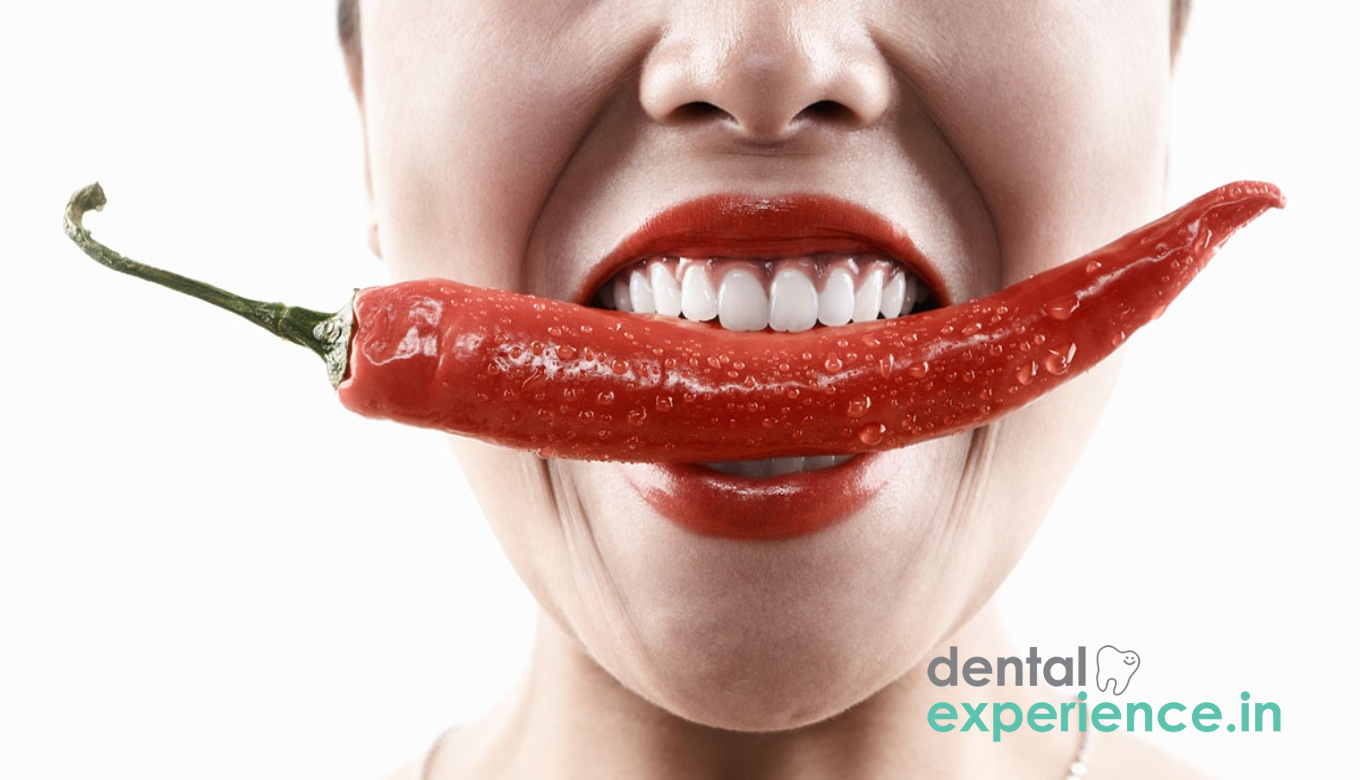
Dietary Irritants: High-frequency consumption of irritants, such as spicy foods, tamarind (puli), hot raw red chilies, and vinegar-based dishes (commonly found in South Indian cuisine).
Chronic Systemic Conditions: Underlying medical conditions including type 2 diabetes mellitus, thyroid dysfunction, and autoimmune disorders.
Oral Habits: Unintentional, forceful tongue movements resulting from involuntary thrusting, clenching, or teeth grinding (bruxism), which subject oral tissues to continuous physical abrasion.
Stand in front of a well-lit mirror and visually inspect your tongue, gums, and interior lip surface for any signs of visible inflammation or damage.
If you have experienced a burning sensation and your oral tissues appear normal (smooth, pink, and without any visible sores or red areas), it is likely Burning Mouth Syndrome (BMS).
Gently touch a cotton swab to the area only to confirm tissue integrity; primary BMS pain is neuropathic and spontaneous rather than triggered by light physical contact.
Assess whether drinking cold water or eating a small amount of food briefly decreases the burning sensation in your mouth (a characteristic symptom of BMS).
Because BMS presents with no visible tissue damage, diagnosis involves a process of elimination using several tests:
Salivary Flow Testing (Sialometry): Assesses resting and stimulated salivary flow to rule out primary xerostomia (dry mouth).
Blood Panels: Evaluates fasting blood sugar, hemoglobin A1c (HbA1c), serum vitamin B12, ferritin, zinc, and thyroid-stimulating hormone (TSH).
Fungal Cultures: Examines oral cavity swabs under a microscope to exclude subclinical Candidal infections (oral thrush).
Patch Testing: Identifies specific contact allergies to dental products or their components, including toothpaste additives like sodium lauryl sulfate (SLS).
Type 1: Absence of burning upon awakening, with symptoms gradually building during the day to reach peak intensity by evening.
Type 2: Continuous burning present immediately upon awakening and persisting throughout the entire day.
Type 3: Intermittent burning featuring symptom-free days, typically driven by contact allergens, environmental factors, or anxiety.
Topical Neuromodulators: Rinses containing topical clonazepam to modulate central/peripheral pain pathways and desensitize hyperactive trigeminal nerve signaling.
Systemic Medications: Low-dose tricyclic antidepressants (such as amitriptyline) or low-dose anticonvulsants (such as gabapentin) to help alter how pain signals are transmitted to the brain.
Antioxidant Therapy (Alpha-Lipoic Acid / ALA): Supplement regimens containing Alpha-Lipoic Acid to provide strong antioxidant protection, helping to regenerate damaged nerve fibers and reduce oxidative stress.
Salivary Substitutes and Lubricants: Bioadhesive gels that hydrate oral tissues and help prevent mechanical friction inside the mouth.
Initial Specialist Consultation (Oral Medicine Specialist): ₹500 to ₹1,500.
Comprehensive Blood & Diagnostic Panel: ₹2,000 to ₹5,500 out-of-pocket.
Monthly Neuromodulation & Supplementation Therapy: ₹1,200 to ₹3,500 per month.
Insurance & Coverage: Outpatient dental and oral medicine consults are typically out-of-pocket expenses, though government schemes (e.g., MEDISEP for state employees and pensioners) may cover associated inpatient diagnostic workups in empaneled hospitals.
General Dentist: Performs initial examinations, conducts routine dental cleanings (scalings), and refers patients to specialists as needed.
Oral Medicine & Radiology Specialist: The primary point of contact who diagnoses whether BMS is primary, rules out underlying systemic causes, and manages medical therapy.
Endocrinologist / Neurologist: Provides specialized co-care when a patient has underlying conditions such as diabetes, thyroid dysfunction, or complex peripheral neuropathies.
Immediate Care (Within 24 Hours): Required when accompanied by sudden facial weakness, numbness, or painful mouth ulcers.
Scheduled Care (Within 1 to 2 Weeks): Advised for long-term intraoral burning (lasting over two weeks) with no apparent local injury.
What causes my tongue to feel more burned after eating very spicy foods made with uncooked chili peppers or tamarind?
Both capsaicin from green or red chilies and tartaric acid from tamarind directly stimulate the sensory nerve endings of the trigeminal nerve. This amplifies pain signals across an already hypersensitive and irritated mucosal lining.
Can Burning Mouth Syndrome be a sign of oral cancer?
No. Primary Burning Mouth Syndrome is a neuropathic disorder of the peripheral nervous system and does not cause or progress to oral cancer. However, any prolonged oral complaint should be evaluated by a healthcare professional to rule out secondary pathology.
How much does a comprehensive diagnostic evaluation for burning mouth cost in Kerala?
A diagnostic evaluation—including blood panels to assess vitamin levels, blood glucose, and thyroid function, along with a specialist clinical examination—typically costs between ₹2,000 and ₹6,500, depending on the location, facility, and diagnostic laboratory.
Managing Burning Mouth Syndrome (BMS) requires a well-structured, multidisciplinary approach focused on both peripheral nerve stabilization and systemic health optimization. Because the oral mucosa appears visually normal, patient validation and thorough education are essential first steps in care. Achieving long-term success depends on systematically ruling out underlying secondary causes—such as nutritional deficiencies or endocrine imbalances—before initiating tailored, low-dose neuromodulatory therapy. Ultimately, long-term symptom relief and improved quality of life rely on the patient’s adherence to dietary modifications (limiting highly acidic or spicy foods) and consistent follow-up care.








.jpg)
.jpg)
.jpg)
.jpg)

.jpg)
.jpg)
.jpg)
.jpg)
.jpg)
.jpg)
.jpg)
.jpg)