The persistent, non-functional contraction of the masseter and temporalis muscles is known clinically as daytime or nighttime bruxism (clenching). Grinding and clenching are different because grinding produces side-to-side friction; however, clenching creates a downward vertical pressure on the dental arches. The vertical force applied to the dental arches during episodes of bruxism can be substantial, with maximum bite forces capable of generating hundreds of pounds of total force, which places extreme stress on the dental enamel, periodontal ligament, and the temporomandibular joint. When considering bruxism within the larger dental context, it is classified as a sleep-related movement disorder if it occurs during sleep and as a diurnal (daytime) clenching habit if it occurs while awake.
Clinical Definition: Persistent nonfunctional vertical pressure upon both upper and lower dentition by way of the masseter and temporalis muscles, no side motion.
Red Flag Indicators: Trismus (inability to open mouth), sharp facial pain, tooth shortening due to friction wearing away of enamel, morning tension headaches.
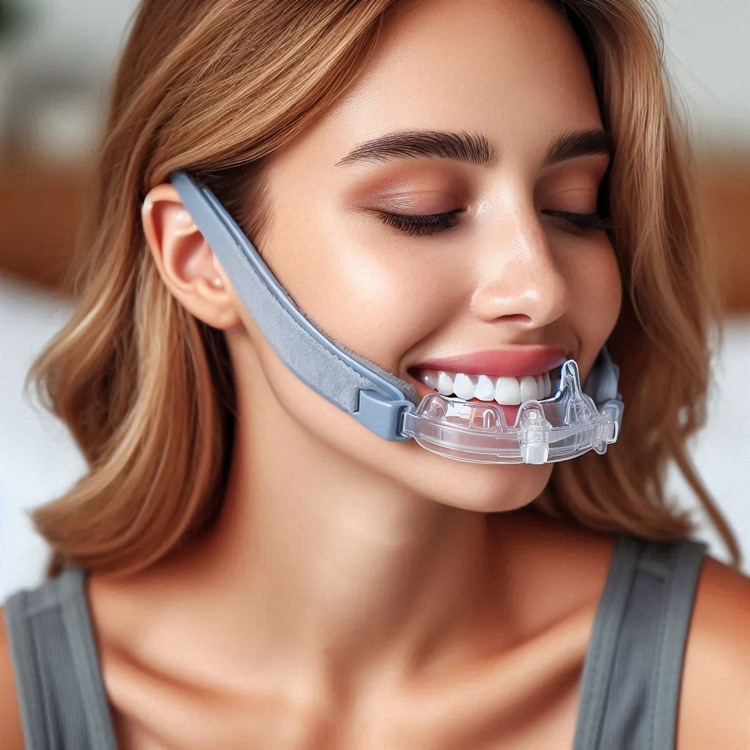
Common Recovery Options: Nocturnal occlusal appliances custom made for each patient, botox injection directly into muscle masseter, physical therapy focuses on myofascial release, stretching, and relaxation techniques for the masseter and temporalis muscles to alleviate hypertonicity, alongside coordination exercises for the jaw muscles.
Visual Changes: Abfraction lesions, which are wedge-shaped notches at the gum line often associated with tooth flexure and chemical wear, alongside flattened occlusal surfaces where the enamel has been worn away by friction.
Tactile Sensations: The muscles used for chewing become fatigued and cause tightness in your cheeks and temples as soon as you wake up or have finished intense mental focus.
Physiological Alterations: Scalloped tongue (indentions on each side of the tongue from pressing against your upper and lower front teeth), and inner cheek ridges (linea alba).
Thermal Sensitivity: Severe sharp pain with consumption of both very hot or cold beverages as the exposed dentin tubes allow the liquid to flow into the tubules.
Seek immediate professional assistance if you experience any of these symptoms:
Lock Jaw: Inability to completely open your jaw or to shut it tightly due to displaced discs in the temporomandibular joint (TMJ).
Ear Pain Radiating Downward: Severe deep aching around the ear canal that can mimic infection, however; this is caused by inflammation of the TMJ.
Teeth Vertical Cracks: Severe sharp pains when biting down as the cracks extend toward the pulp chamber of the tooth (where the nerve of the tooth resides).
Facial Asymmetry: Muscle hypertrophy of one side of the face due to the unilateral growth of the masseter muscle.
The causes of stress bruxism include:
Emotional Tension: The body is constantly under an unconscious state of high alert due to excessive anxiety or chronic stress which leads to increased muscle activation.
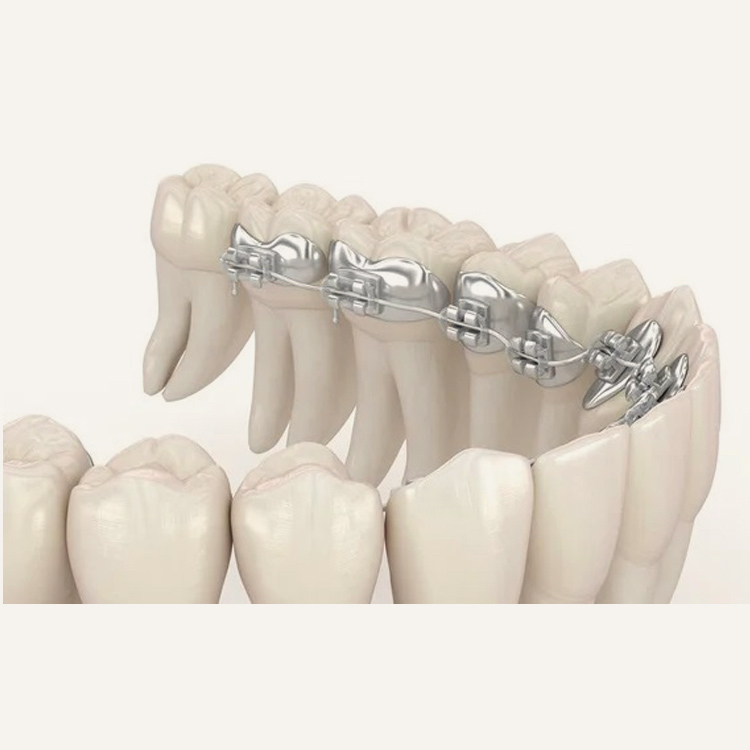
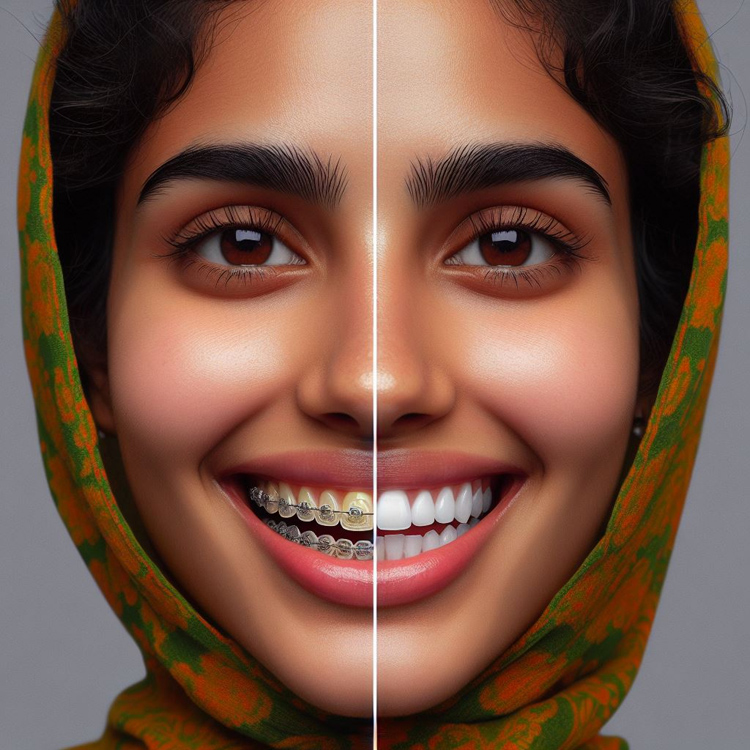
Misalignment In Teeth And Jaw Position: When there are uneven surfaces where upper and lower teeth meet or when they do not align correctly this can lead to the muscles that control chewing and jaw movements being over activated so the body will attempt to find a new alignment.
Breathing During Sleep: Unstable breathing patterns such as those found with sleep apnea can create small arousal events that activate the body's natural response to tighten its airways by activating the muscles in the jaw.
Medications & Stimulants: Consuming large amounts of caffeinated beverages and/or smoking cigarettes as well as using SSRI antidepressants can stimulate the nerves responsible for involuntary movement of the jaw muscles.
Risk factors for stress bruxism include:
Workplace Stress: Working long hours at stressful desk jobs or working irregular shifts greatly increase the frequency of micro-clenches throughout the day.
Dietary Habits: Frequently consuming hard, thick foods like kappa (hard cassava) or unprocessed palm sugar products or eating large amounts of fried food all add to the amount of physical pressure placed on your teeth.
Nasal Airway Resistance: Having constant nasal congestion or having a larger than normal tonsil can force you to breathe through your mouth while sleeping leading to higher rates of clenching.
Family History: If your family has a history of muscular tension disorders or sleep bruxism you may be more likely to develop it yourself.
Use this four step assessment to evaluate your jaw functioning in a safe manner while you are at home:
Mirror Assessment: Carefully assess your front teeth for evidence of micro-cracks; translucent edges; or an obvious shortening of the tooth.
Cheek Palpation: Bite firmly with your jaws together and place your fingers behind each side of your jaw. If the muscle is significantly firmer than normal, thicker or more sensitive to pressure, it could indicate muscle hypertrophy.
Range Of Motion: Try to insert three of your fingers as far up into your opened mouth as possible. The inability to do so without experiencing pain or discomfort suggests that there is strain in the joint.
Tongue Check: Open your mouth, stick out your tongue and look for waves running along the outside of the tongue indicating wave-like scarring.
Clinical Visual Examination: A visual inspection of wear facets due to abrasion and/or abfraction notches.
Digital Intra Oral Radiographs: An intra oral x-ray examination of the periodontal ligament space to determine whether the micro-crack has extended through to the pulp chamber.
Electromyography (EMG): Measures the electric signals of the masseter muscles during periods of sleep.
Three Dimensional Cone Beam Computed Tomography (CBCT) Scan: Assesses the bone density surrounding the TMJ condylar process and determines the extent of structural displacement of the inter-articular disc.
|
Severity Level |
Clinical Presentation |
Primary Impact |
|
Mild (Stage 1) |
Superficial enamel wear; transient morning jaw tightness. |
Reversible; minor enamel smoothing required. |
|
Moderate (Stage 2) |
Dentin exposure; scalloped tongue; frequent tension headaches. |
Requires protective splinting and lifestyle modification. |
|
Severe (Stage 3) |
Fractured cusps; TMJ pain/clicking; structural vertical height loss. |
Irreversible damage; requires full restorative care and joint therapy. |
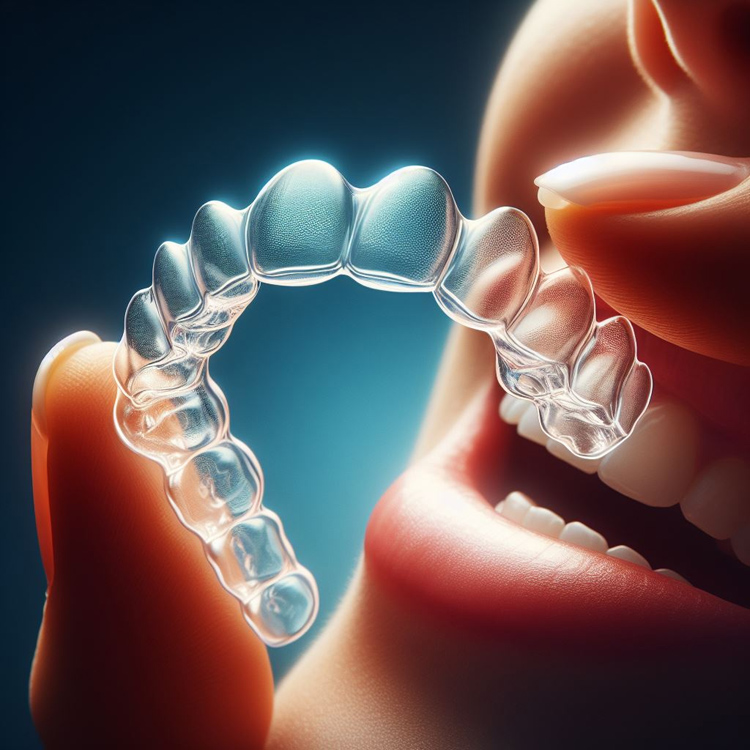
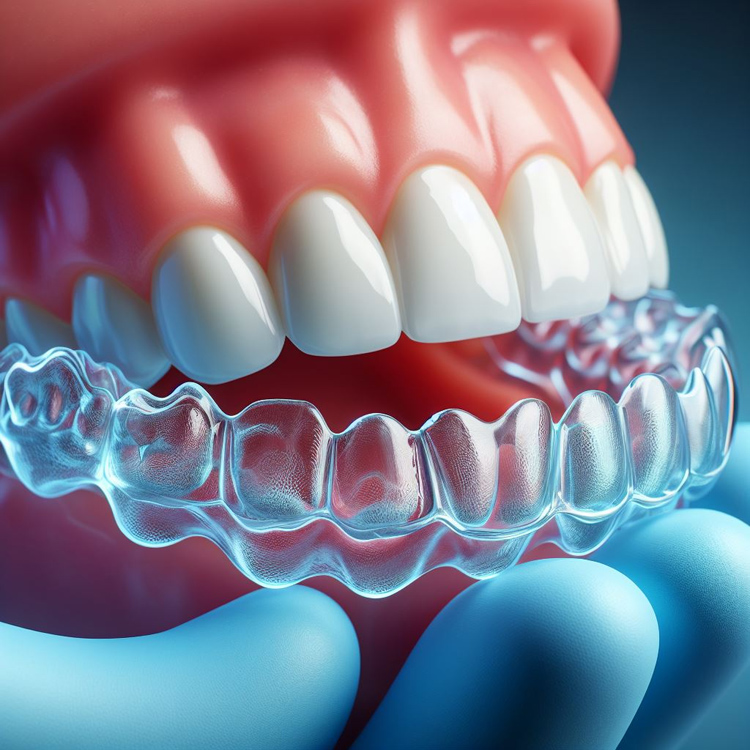
Night Guards (Splint) Treatment: A hard custom acrylic occlusal splint can be used to spread bruxism forces equally throughout the upper teeth and provide protection for the enamel matrix so that additional wear does not occur.
Botox Masseter Muscle Injection: Inject botulinum toxin into the masseter muscles to lower the amount of contractive force produced by these muscles and still allow patients to chew normally.
Physiotherapy/Biofeedback Training: Use a sensor that provides feedback to the patient during the day regarding the timing of their contraction and then have them perform relaxation techniques with their masseter muscles.
Restorative Dentistry: Apply high strength zirconia crowns or composite overlays to build up tooth loss (vertical dimension).
|
Procedure |
Average Out-of-Pocket Range (INR) |
|
Custom Night Guard |
₹3,500 - ₹10,000 |
|
Masseter Botox |
₹15,000 - ₹35,000 per session |
|
Full Restorative Rehabilitation (Zirconia Crown) |
₹12,000 - ₹28,000 per tooth |
Most general health insurance plans available in India entirely exclude outpatient dental care, meaning treatments such as custom splints and restorative crowns are almost always paid out-of-pocket by the patient.
General Dentist: General dentists manage patients with mild to moderate symptoms, simple night guard creation and regular observation. •
Prosthodontist: If clenching has damaged numerous teeth and requires the prosthodontist to rehabilitate the bite through various forms of dental restoration.
Orofacial Pain/TMJ Specialist: When jaw locking is chronic; the joints have degenerated; or there is severe nerve related muscular pain.
Endodontist: When a fractured tooth due to clenching extends toward the pulp chamber requiring endodontic treatment (root canal).
Immediate (Within 2–4 Hours): Jaw locking that will not resolve on its own within 30 minutes; acute facial trauma; a crack in the tooth that causes sharp, unbearable pain.
Urgent (Within 24–48 Hours): Chronic dull ache while eating; visible cracks/chips in a tooth; ringing in the ears (tinnitus) after an event involving clenching.
Elective (Scheduled Visit): Morning stiffness as long as it does not interfere with daily activities; replacement of a night guard; preventative consultation.
Why will my teeth hurt in the morning when I didn't grind on them at all?
Typically this is due to static clenching; static clenching is when you are continuously putting pressure on your jaws muscles for long periods of time (like while sleeping), which causes anoxia (a lack of oxygen) in the muscle that causes the compression of the shock absorbing periodontal ligament. This can be damaging to your teeth because it doesn’t create the same type of friction that grinding creates and therefore makes no noise.
What is the price of a night guard in Kerala?
In major cities in Kerala such as Kochi or Trivandrum, a good quality night guard made with high end digital scanning technology and materials typically ranges from Rs. 4000-9000 depending on the digital scanning equipment used by the dentist who is fabricating your appliance.
Will reducing stress eliminate my jaw clenching entirely?
Reducing psychological stress will significantly decrease daytime clenching habits and can help lower the frequency of sleep bruxism episodes, though nocturnal clenching is primarily driven by central nervous system micro-arousals during sleep, necessitating a protective night guard."
The most common silent and progressively destructive dental condition is habitual grinding. The majority of people with this problem do not realize they have it until their enamel has been destroyed or they have lost all use of the temporomandibular joint (TMJ). Custom-made occlusal splint treatment is still considered the best method for prevention. If you continue to experience chronic morning muscle soreness, it is best to limit your intake of hard foods from specific regions and consult a dentist who specializes in digital bites to determine if micro-fracture has caused destruction to the pulp chamber.




.jpg)
.jpg)
.jpg)
.jpg)
.jpg)
.jpg)
.jpg)
.jpg)
.jpg)
.jpg)
.jpg)
.jpg)