Clicking or popping of the TMJ occurs when the articular disc, made of fibrocartilage within the jaw joint, becomes temporarily displaced from its normal functioning position. The TMJ acts as a sliding hinge connecting the lower jaw (mandible) with the skull's temporal bone. It is stabilized by muscles and ligaments, along with a protective layer of cartilage.
When this disc moves forward (anteriorly) relative to the condylar head (the rounded end of the mandible), there will be a "popping" or "clicking" sound as the jaw opens and closes. In the field of functional dentistry, internal derangements of the TMJ are typically categorized as TMDs at some level and are generally considered to represent the early to mid-stage of temporomandibular disorders.
Clinical Definition: Mechanical popping of the TMJ due to displacement of the TMJ cartilage disc upon opening and closing of the jaw.
Red Flag Indicators: Severe, sudden loss of ability to open or close the mouth (jaw locking); severe radiating facial pain; sharp ear pain without an ear infection; and noticeable facial asymmetry.
Common Recovery Options: Non-surgical occlusal splint therapy (night guard), physical therapy, trigger point management, and lifestyle or dietary modifications.
Audible Clicking or Popping: Single auditory sounds perceived as clicking or popping during jaw movement, which are clinically distinct from continuous grinding or crunching (crepitus).
Pain or Tenderness in Front of the Ear Canal (Pre-Auricular): Pain or tenderness directly anterior to the ear canal.
Deviation of the Lower Jaw: The lower jaw strays from a straight line, deviating in an "S" or "C" shape during open mandibular movements.
Fatigue of the Masseter and Temporalis Muscles: Tightness or fatigue in these muscles upon awakening.
Radiating or Referred Otological Pain: Temporally referred otolaryngologic symptoms, including tinnitus (ringing in the ears), aural pressure or fullness, and temporal headaches.
Seek prompt medical attention if you develop trismus (jaw locking), where the jaw becomes locked due to permanent displacement of the articular disc, preventing condylar motion.
Immediate care is also recommended if clicking progresses to a constant grinding sensation, which indicates direct bone-to-bone contact and potential degenerative joint disease.
Additional high-risk red flag signs include:
Swelling in the pre-auricular area
Pain radiating down to your neck and shoulders
Sudden malalignment of your upper or lower teeth
Localized joint heat and swelling accompanied by a fever
Parafunctional Habits: Habitual teeth grinding (bruxism) or clenching exerts extreme compressive loads on the articular disc.
Malocclusion: Minor teeth misalignments play a limited role in joint displacement, but major bite shifts can alter load distribution across the jaw joint and surrounding muscles.
Joint Trauma: Direct impact to the chin, jaw, or cervical spine (such as whiplash) disrupts the delicate ligamentous attachments of the TMJ.
Stress and Airway Dysfunctions: Chronic emotional stress causes involuntary masseter muscle contraction, while mouth breathing and sleep apnea alter jaw posture.
Demographics: Females aged 20–40 show higher susceptibility due to hormonal influences on ligament flexibility.
Regional Dietary Habits: Consuming hard, tough, or sticky local foods—such as uncooked dried banana chips, hard tapioca, parboiled rice crusts, or tough meats—places repeated mechanical strain on the TMJ.
Systemic Conditions: Connective tissue and inflammatory conditions, such as rheumatoid arthritis, osteoarthritis, or generalized joint hypermobility syndromes (including Ehlers-Danlos syndrome).
Poor Ergonomics: Forward head posture from prolonged desktop or phone use alters cervical alignment and increases strain patterns on the hyoid and masticatory muscles.
Thoroughly wash your hands before doing this assessment, and face an adequately lit mirror.
Gently place both your index fingers on the preauricular region (skin area immediately in front of the ear canal).
Without forcing your jaw or pressing hard, gently place your fingertips over the area and slowly open and close your mouth vertically to observe if you feel a subtle 'jump,' deviation, or click.
Take note of where in the process of moving your jaws that you heard any clicking. Is it when you are first opening? Are you opening wide enough so you hear it there too? Or is it when you close your jaws?
Check your teeth alignment in the mirror to determine if your lower middle line moves to either side as you open your mouth.
Do not continue to press through the sensation of sharp pain or resistance. If you experience these sensations, stop immediately and DO NOT try to push beyond them.
Involves a comprehensive clinical evaluation according to the international Diagnostic Criteria for Temporomandibular Disorders (DC/TMD) framework.
Range of Motion and Palpation: The clinician examines the masticatory muscles and palpates the joint capsule while evaluating the patient's ability to open their jaw by determining the maximum interincisal distance. Normal opening is approximately 40–50 mm.
Auscultation: A stethoscope designed specifically for this purpose can be used to evaluate the type of joint sounds present in the TMJ. Single pops or clicks may occur, whereas crepitus that continues—as opposed to single popping or clicking—may indicate joint disease or dysfunction.
Radiographic Evaluation: Digital panoramic radiographs help determine the bone structure of the condyle and provide information regarding the anatomy of the bony articulation.
Imaging Studies: Cone Beam Computed Tomography (CBCT) provides 3-dimensional images strictly for evaluating hard tissue (bony) structures of the TMJ, whereas Magnetic Resonance Imaging (MRI) is the exclusive gold standard required to visualize soft tissue components, including the articular disc.
|
Grade |
Clinical Presentation |
Pathological Status |
|
Stage 1 (Mild) |
Painless clicking; intermittent popping. |
Disc displacement with reduction; early ligament laxity. |
|
Stage 2 (Moderate) |
Recurrent clicking with localized facial pain and muscular fatigue. |
Disc displacement with reduction; active synovial inflammation. |
|
Stage 3 (Severe) |
Click disappears; jaw locks periodically or permanently (limited opening < 35mm). |
Disc displacement without reduction; chronic mechanical obstruction. |
|
Stage 4 (Degenerative) |
Continuous bone-grinding sound (crepitus); constant dull pain. |
TMJ Osteoarthritis; erosion of condylar bone and cartilage degradation. |
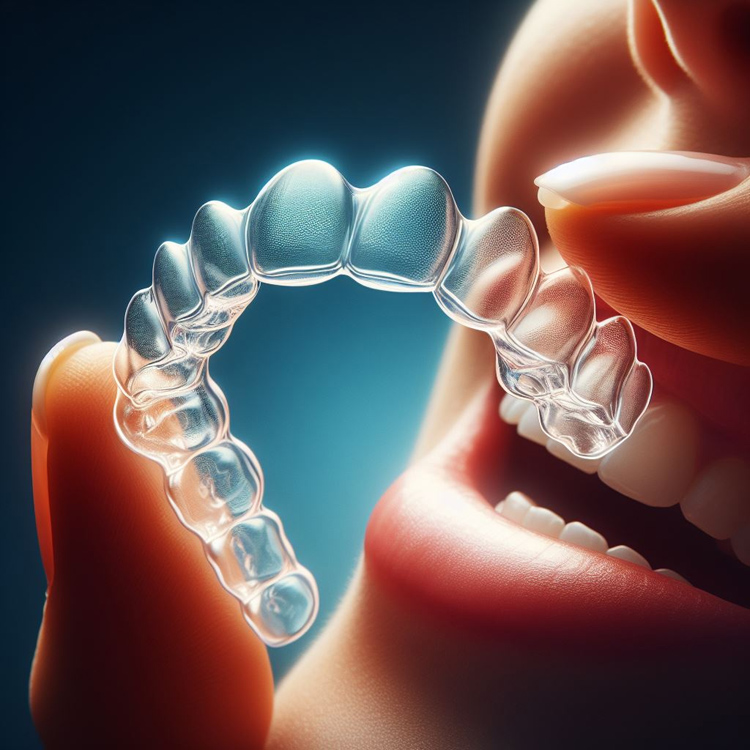
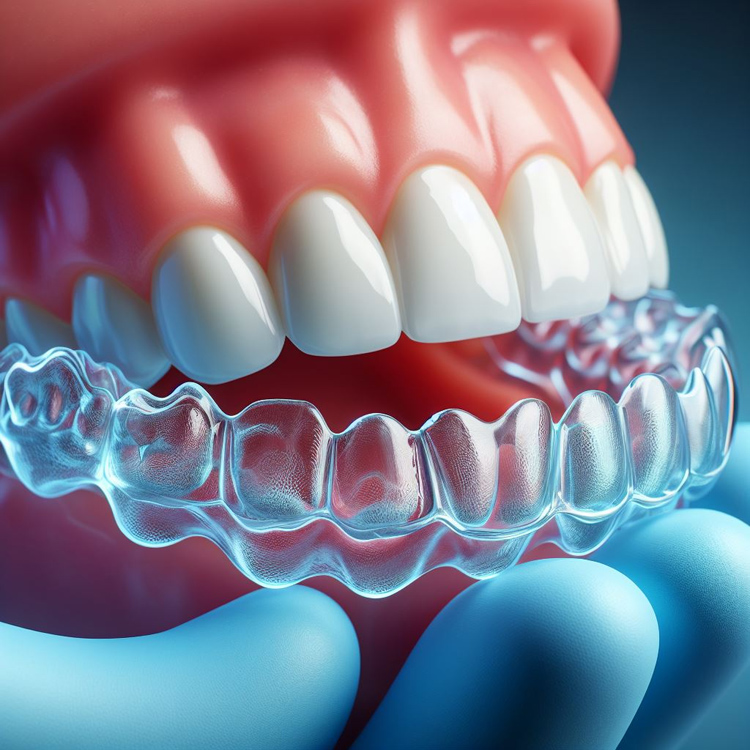
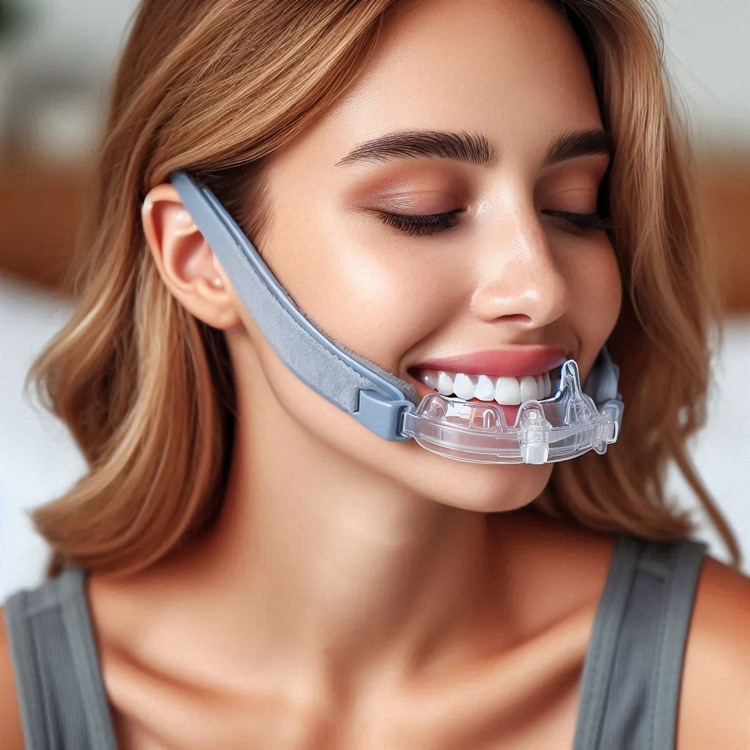
Occlusal Splint Therapy: Stabilization splints and/or anterior positioning devices that use 3-D printing for customization. These can be used as a treatment option at night to allow for the release of pressure from the joint space. The splints will also help guide the mandible so it will position in a way that allows for the best recovery of the joint.
Physiotherapy and Low-Level Laser Therapy (LLLT): Jaw exercises and other physiotherapeutic modalities such as ultrasound with LLLT to assist in relaxing and reducing spasm of the masseter muscles while promoting healing of surrounding tissues.
Pharmacotherapy: NSAIDs, Muscle Relaxants, Botox etc. - This is limited to short-term usage (no longer than several weeks).
Minimally Invasive Arthrocentesis: Using local anesthetic to perform a joint lavage to remove inflammatory cytokines and assist in relocating a displaced disc.
Advanced Surgical Arthroscopy/Arthroplasty: Repinning/reconstructing the articular disc using advanced surgical techniques in chronic, unresponsive cases.
Diagnostic costs vary by region within India. However, treatment costs generally range as follows:
Diagnostic Cost: ₹1500/-₹4500/-
Custom Occlusal Splint/Night Guard: ₹6000/₹18000/- (depending upon the type of material)
TMJ Physiotherapy & Low-Level Laser Therapy Sessions: ₹800/₹2500/-
TMJ Arthrocentesis (minimally invasive): ₹25,000/₹55,000/- each joint
Insurance Coverage: Routine splint therapy is usually considered out-of-pocket; however, some insurance companies cover purely functional TMJ treatments including arthroscopy/bone pathology through their major plans as well as certain government programs if treated in an empaneled hospital.
Dental General Practitioner: Screening; initial occlusal adjustments and night guards.
Prosthodontists: Complex occlusal problems, as well as stabilization appliances with precision.
Surgeons Oral & Maxillofacial: Surgical evaluation, arthrocentesis, arthroscopy, and reconstructive surgery on joints.
Pain Orofacial/TMJ specialists: Comprehensive treatment of chronic neuromuscular pain; trigger point injections; and behavioral therapy in biofeedback.
Immediate (within 2–4 hours): A closed lock episode when a patient's jaw will not unlock/open or an open lock episode when a patient's jaw has been dislocated and can not be closed.
Urgent (within 48–72 hours): Sudden onset of significant pain to the area anterior to the ear after an injury to the face or acute onset of a significant misalignment of the upper teeth to lower teeth.
Elective (within 2–4 weeks): Chronic, non-painful joint click or long-term morning stiffness of the jaw.
What reasons cause my jaw to click as frequently while eating hard food such as tapioca, beef, etc.?
You chew tougher, more fibrous or harder regional foods by applying a lot of force with your biting action; thus you generate a lot of compression forces to be applied to your TMJ. When supporting ligaments are lax, high biting forces cause the condyle to translate over and re-engage (reduce onto) the displaced disc during jaw movement, creating an audible click.
Can I ignore the jaw clicking and will it resolve itself?
Painless jaw clicking is common and frequently remains stable without progressing to joint damage or lock-up. While routine monitoring is wise, benign clicking generally does not require aggressive treatment to prevent future degeneration.
How much would a TMJ night guard cost at various clinics located throughout Kerala?
The price for a custom fabricated high density hard acrylic occlusal splint in Kerala will vary depending upon how many times the digital intra oral scan is used along with CAD/CAM milling. The prices typically range between ₹6,000 and ₹18,000.
Jaw clicking is a common clinical finding that requires careful diagnostic assessment rather than immediate aggressive intervention, as painless clicking is often benign. A conservative, non-invasive approach focused on patient education, stress reduction, and symptom management yields favorable outcomes for most TMJ conditions without requiring irreversible dental or surgical interventions.






.jpg)
.jpg)
.jpg)
.jpg)
.jpg)
.jpg)
.jpg)
.jpg)
.jpg)
.jpg)
.jpg)
.jpg)