Cracked lips are known as cheilitis in medical terms and indicate an inflammation of the vermilion border—the transitional area on the face that bridges the outer skin and the inner mucosa that forms part of the lip. The lip has no hair follicles, sweat glands, or sebaceous glands; therefore, there is no hydrating barrier to protect the stratum corneum—the outermost layer of the skin. As such, this leaves the lip tissue extremely susceptible to dehydration, mechanical micro-fracture, and microbial invasion. With regards to oral and maxillofacial pathology, cheilitis can range from environmental desquamation (chapping) to complex microbial infections such as angular cheilitis or precancerous actinic cheilitis.
Clinical Definition: Inflammation and tissue fissure of the lip’s vermilion border.
Immediate Warning Signs: Cracks and fissures that do not heal quickly; pus that does not dissipate; bleeding; crust that forms at the site of the crack/fissure; swelling that radiates beyond the confines of the lip border; lesions that last longer than two weeks.
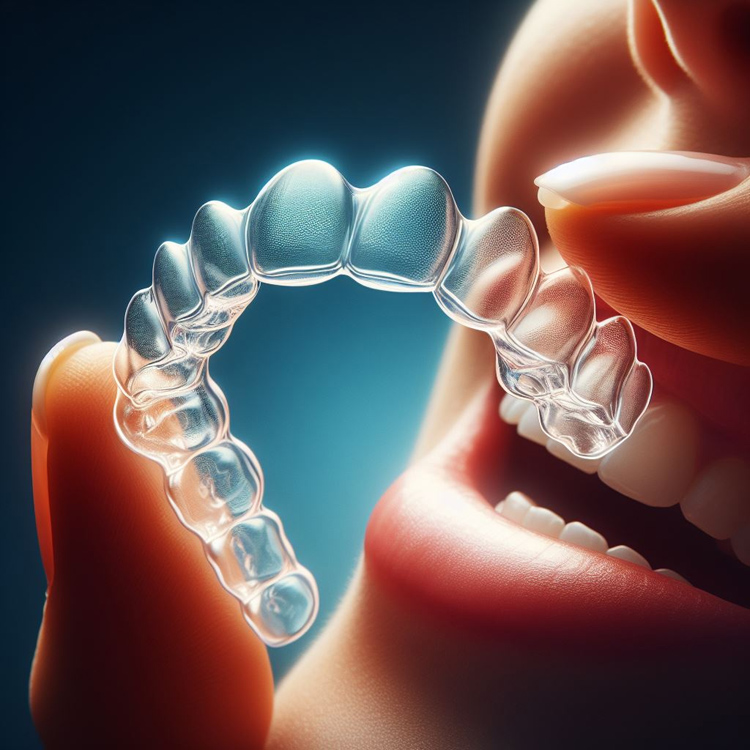
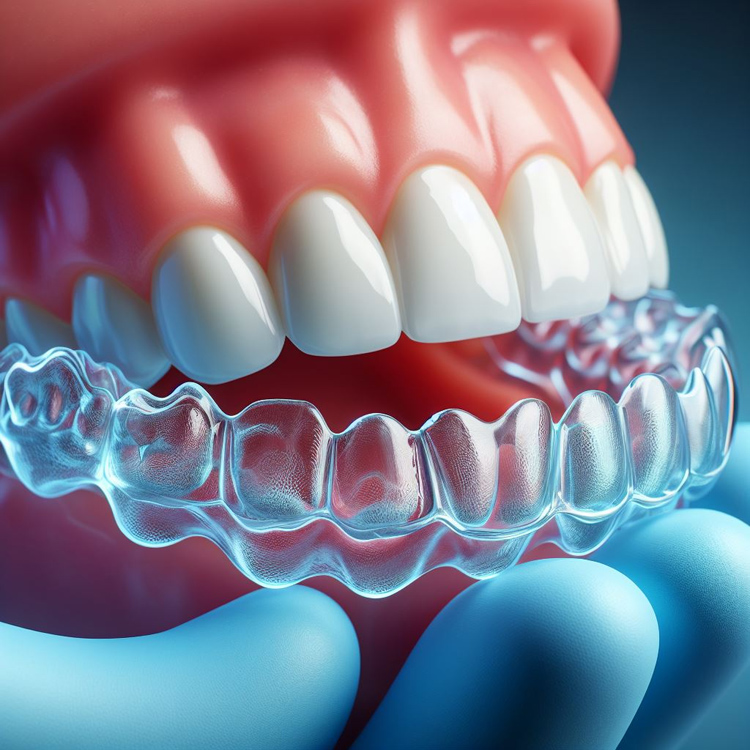
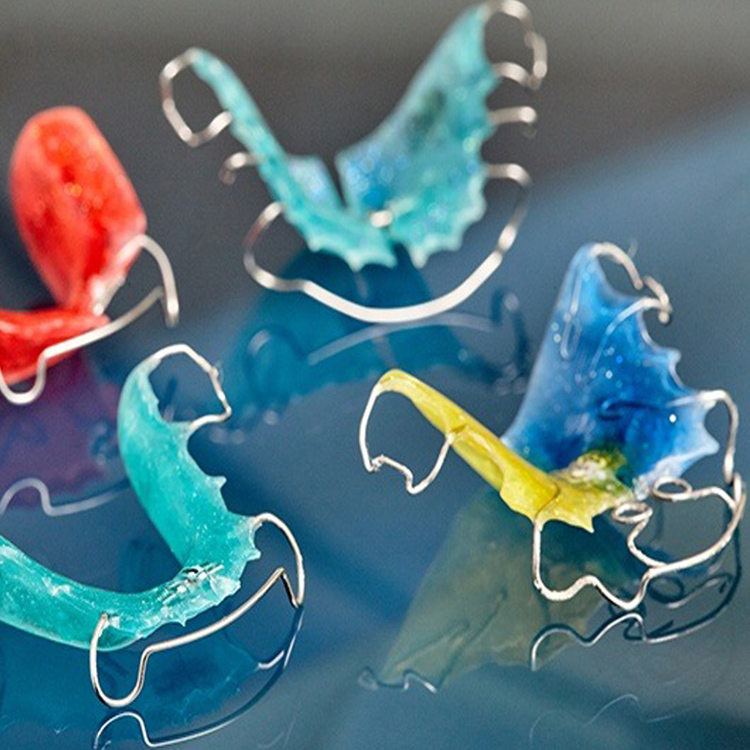
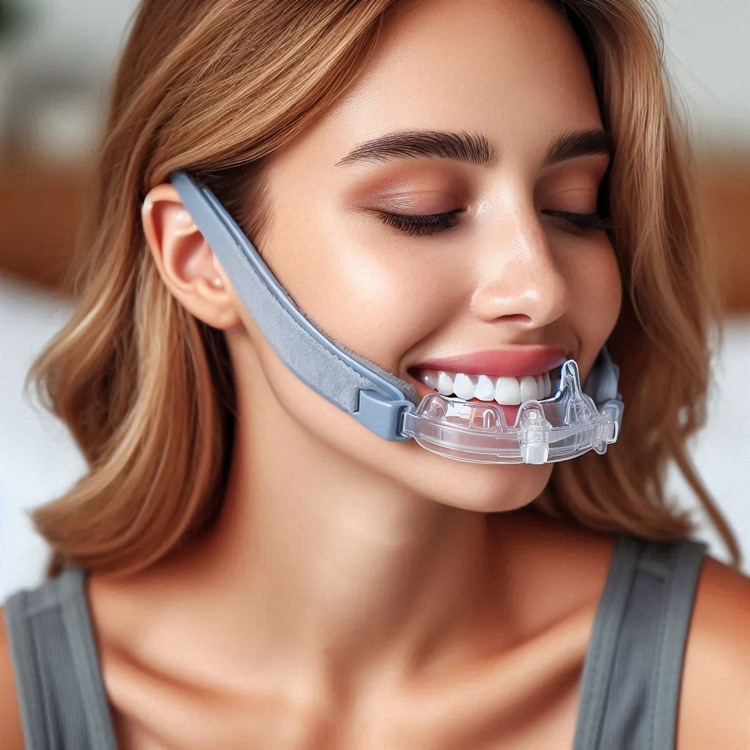
Recovery Paths: Lip barriers/lip balms/oils for hydration; topical antibacterial/antifungal ointments for infection; nutritional correction; custom dental bite splints; laser repair.
Physically, visually, and tactually, patients who are affected by cheilitis will experience localized changes in their lips.
Cracking & Fissuring: Vertical splitting of the skin, especially at the midline of the upper lip or labial commissures.
Exfoliation (Desquamation): Removal of flaky and scaly surface layers that exposes a thin layer of mucosa underneath.
Edema & Erythema: Swelling, redness, and heat in the region where the lip meets the oral cavity.
Cheilodynia (Sensory Burning of the Lips): A sharp sensation similar to "rawness," caused by eating salty, spicy, or acidic foods.
In most cases, minor dryness will resolve quickly; however, when these symptoms appear, they may be indicative of more serious systemic complications:
Perlèche: Exudative fissures at the labial commissures. These deep fissures secrete a yellowish discharge and/or bleed upon normal opening of the mouth.
Actinic Changes: The appearance of long-standing, sandpaper-like areas on the inferior lip which have failed to heal. These could potentially represent actinic cheilitis.
Generalized Systemic Involvement: Generalized facial edema, fever, or tenderness of the submandibular lymph nodes.
Ulcers That Recur: Open, non-healing ulcers that persist for greater than 2 weeks require an immediate histopathologic examination to exclude dysplastic changes.
There are a wide variety of factors that can cause it. These include:
Microbial Overgrowth: The proliferation of yeast (Candida albicans) or bacteria (Staphylococcus aureus) in the accumulated saliva on the inside corner of lips (angular cheilitis).
Contact Sensitization: Allergic reaction (allergic contact cheilitis) to one of the following substances contained in toothpaste: flavorings (menthol, cinnamon); sodium lauryl sulfate; or lip products.
Trauma From Habits of Chewing or Biting Lip Corners: Frequent and repetitive chewing or biting of the lips (lick cheilitis); or mechanically rubbing the lip area, which removes the protective layer of the lip with digestive enzymes contained within the saliva.
Sun Exposure and Actinic Damage: Prolonged exposure to UV rays causing structural degradation to the cells lining the mucosa.
Destructive Nutrient Deficiencies: Inadequate nutritional intake for prolonged periods of time resulting in impaired tissue regeneration and epithelial thinning. Common deficiencies include iron, vitamin B12, riboflavin (B2), and zinc.
Climatic Changes in Environmental Conditions: Changes in monsoon climate conditions; variations in coastal humidity levels; extended use of dry, air-conditioned environments found throughout India, particularly in states such as Kerala.
Regional Dietary Habits/Foods That Cause Chemical Irritation to Broken Tissue: Consumption of extremely spicy and/or extremely acidic foods commonly prepared in Indian cuisine (Fish Curry and other tamarind-based recipes).
Dental Structural Dynamics and Vertical Dimension of Occlusion (VDO): Worn-down molars, poorly fitting dentures, or lost posterior teeth leading to increased formation of skin creases/folds at mouth corners.
Self-check perform a preliminary inspection of your lip in front of a well-lit mirror without causing further harm to your lips:
Visual scan check for deep splitting or cracking at the lip margin and corners of the mouth. Also look for white patches or crusts on the surface of your lips.
Touch check gently press with clean hands on the area to feel tenderness or firmness (induration).
Open your mouth wide very slowly. Take note if the canthae (corners) pull, bleed or produce severe sharp pain. Do not force movement if there are deep cracks that will tear when you try to move them.
Oral health care providers use structured clinical evaluation tools to diagnose cheilitis:
Dermoscopy & Visual Examination: Use magnification to assess tissue integrity at the vermilion border.
Microbial Swab: Culture hyphae or bacteria colonization from the fissures.
Patch Testing: Test specific chemical or toothpaste allergens.
Dental Occlusal Analysis: Measure vertical dimensions of the face and determine whether loss of height of teeth contributes to lip folding by using clinical facial measurements, resting posture evaluations, and intraoral scans.
|
Stage |
Severity Level |
Clinical Characteristics |
Primary Management Focus |
|
Grade 1 |
Mild (Chapping) |
Superficial scaling, minor tightness, no active bleeding. |
Barrier occlusives, lipid repair. |
|
Grade 2 |
Moderate (Fissured) |
Visible vertical cracks, localized redness, pain when eating spicy foods. |
Topical healing agents, allergen elimination. |
|
Grade 3 |
Severe (Infective/Angular) |
Deep commissural splits, oozing, persistent bleeding, Candida colonization. |
Targeted prescription antimicrobials, nutritional therapy. |
|
Grade 4 |
Chronic / Precancerous |
Indurated rough plaques, lost vermilion border outline, non-healing ulcers. |
Biopsy, laser ablation, specialized clinical monitoring. |
Barrier and Emollient Therapies: We use medical grade lanolin, ceramide-based creams/ointments, and petroleum jelly as they are all effective substitutes for our bodies' own lipid barrier.
Targeted Antimicrobial Therapies: We utilize prescription-strength topical miconazole, nystatin, or mupirocin ointments when treating the labial commissure area.
Photobiomodulation Low-Level Laser Therapy (LLLT): As an additional tool to assist in accelerating healing time and reducing pain associated with chronic fissures in this region of the mouth.
Prosthetic & Occlusal Rebuilding: To rebuild lost tooth height through custom composite overlay applications or through full coverage of dental crowns to eliminate deep creases and folds at the mouth corner.
The cost structure for "out-of-pocket" expenses is based upon the treatment plan and complexity of the procedure:
Basic Swab Test / General Consultation: ₹500–₹1,800.
Topical Prescription Formulations / Allergen Panel Tests: The costs range from ₹1,000–₹3,800, depending upon how many tests are run on each patient.
LLLT (per visit): The cost per Low-Level Laser Therapy (LLLT) session ranges from ₹1,500–₹3,500, depending upon where you go for your services.
Composite Build-Up / Dental Crown: Depending on whether or not you need a single crown (₹2,500–₹8,500) or multiple crowns (e.g., if you have severe posterior wear—₹10,000–₹17,000), you could be looking at anywhere from ₹12,500–₹25,000 per tooth. However, if you need a completely new set of full dentures, the price can start from ₹50,000.
General Dentist: Screens for occlusal height as well as initial patient examination & provides a topical application of treatment for most acute issues.
Oral Medicine/Pathology Specialist: For chronic lesions, non-healing ulcers; also evaluates actinic cheilitis and performs all biopsy procedures.
Prosthodontic Expert: Required if cheilitis is due to lost vertical tooth height, an overclosed deep bite, or improper fit of dentures.
Dermatology Expert: If there are serious contact allergies or systemic dermatosis or systemic immunological mediated cheilitis.
Immediate Medical Attention (within 24 hours): Deep, bleeding fissures which result in swelling of your face; recent pus; inability to eat or hydrate due to severe pain.
Scheduled Appointments (within 3-7 days): Recurring split cracks of your lips at the corner of your mouth which do not respond to regular moisturizers; recurrent painful cracks of your lips.
Routine Follow-up Evaluation: Screening at every six months during routine follow up appointments for mild, temporary dryness.
Why do I have a burning sensation in the area around my cracked lips after consuming spicy Kerala dishes?
The spicy and acidic elements contained within dishes such as chili, black pepper, and tamarind stimulate the exposed nerve endings found on the raw surfaces of the fissured tissue. Sodium and capsaicin are direct irritants to the submucosa located beneath the fissured areas, thereby creating a sharp burning sensation.
Can having worn-down teeth or using older dentures create the cracks at the corners of my mouth?
Yes. As the back teeth wear down or as dentures lose their vertical height, there is a reduction in the space between your nose and chin (vertical dimension of occlusion). This causes the skin to collapse into deep folds at each corner of your mouth, where saliva can pool and create an optimal environment for Candida fungus to multiply.
Are home remedies such as applying pure virgin coconut oil effective treatments for treating cheilitis?
Pure virgin coconut oil contains lauric acid, which makes it an excellent natural occlusive moisturizer for mild (Grade 1) chapping; however, coconut oil alone is insufficient to eradicate underlying fungal infections (Grade 3) or repair deep mechanical fissures without targeted clinical treatment.
Chronic cheilitis is a chronic condition that requires long-term management beyond simple topical cover-up of symptoms. Practitioners must evaluate systemic nutrient absorption; intra-oral microbial balance; and structural support to your dentition. It’s just as important to restore lost vertical dimension in an aging or worn-out dentition as it is to remove fungus from lip folds. Patients are warned not to aggressively peel off dry skin; they should seek formal evaluation from a dentist for any lip fissure that does not close within two weeks of targeted care.






.jpg)
.jpg)
.jpg)
.jpg)
.jpg)
.jpg)
.jpg)
.jpg)
.jpg)
.jpg)
.jpg)
.jpg)