Crooked teeth is a type of dental malocclusion that falls under alignment disorders within the dental arch. A structural imbalance exists in the mandible (lower jawbone) or maxilla (upper jawbone) in terms of available space relative to the eruption standards of the permanent teeth. The resulting structural overcrowding causes the teeth to either rotate, overlap or erupt ectopically (out of their usual anatomical positioning.) The structural imbalance creates abnormal forces to be distributed across the enamel matrix (the hard protective layer on top of the tooth) and disrupts the basic biomechanical properties of the bite, thereby creating an unstable relationship between the upper and lower teeth during chewing.
Clinical Definition: Crowding, rotation, or axial deviation of teeth, due to a mismatch of jaw to tooth sizes.
Urgent Indications of Need: Severe acute toothache due to micro-fractures, progressive gingival recession, unilateral temporomandibular joint (TMJ) clicking, localized periodontal abscess.
Causes: Systematic genetic differences in jaw size, prolonged childhood habit patterns (i.e. Thumb sucking), early loss of primary teeth and continued third molar pressure.
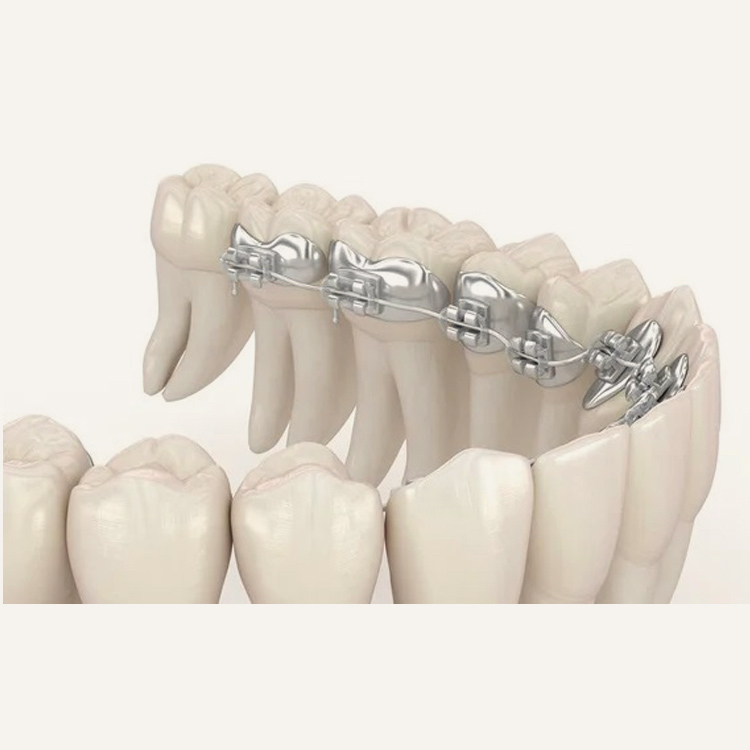
Treatment Options: Fixed metal or ceramic appliance (braces), clear aligner therapy, selective Interproximal Reduction (IPR), and orthognathic surgery for skeletal imbalances.
A patient with crooked teeth may exhibit a variety of degrees of functional and tactile discomfort. Visually the most obvious indication is the overlapping of the anterior teeth which often results in a jagged and/or irregular appearance of the smile line. Functionally the patient will experience food entrapment. Fiber rich foods commonly found in Kerala households such as grated coconut, jack fruit pieces or tough pieces of beef fry will frequently become wedged into the tight, difficult to clean embrasures (V-shaped spaces) located between overlapped teeth.
This food lodgement will lead to plaque accumulation between the teeth. Ultimately, the patient will note a characteristic physical sensation; a rough or chalky build up of dental calculus (hardened tartar) along the lingual surfaces of the lower front teeth. This build up is associated with persistent halitosis (bad breath) and a metallic taste in the mouth which occurs secondary to localized bleeding of the inflamed gingival margins during routine brushing.
Although an isolated tooth rotation is generally an aesthetic problem, there are several clinical indications that indicate the necessity for immediate attention prior to irreversible injury to deeper tissues.
A rotated tooth, due to structural overcrowding will become loose under normal biting forces.
An isolated tooth that bears all of the force of the entire bite suffers from primary occlusal trauma.
Mechanical stress can cause micro fractures within the enamel matrix which may propagate down to the dentinal tubules and compromise the pulp chamber.
Therefore, if you experience sharp pain during consumption of hot food or cold desserts, or have a dark red swelling on your gum tissues (periodontal pocket abscess), then the problem has evolved beyond structural misalignment into active endodontic and/or periodontal disease.
Etiology of crooked teeth is the combination of genetic programming with mechanical influences. The etiology of crooked teeth is primarily genetic; genetics determine both the jaw size and the actual physical dimensions of the teeth. Crowding occurs when there is an inherited mismatch between a small arch size and large tooth dimensions.
Mechanical influence also includes premature loss of primary molars due to childhood dental caries. Without the use of space maintainers, the adjacent permanent first molars drift mesially, removing space reserved for erupted premolars and canines.
Continued childhood habits like thumb sucking or tongue thrusting disrupt the delicate equilibrium between the outward force of the tongue and the inward force of the cheeks. These habits exert low-grade, continuous physical pressure that flares the upper anterior teeth outward while causing the lower front teeth to crowd or tip backward under abnormal muscular forces.
There are several systemic and local variables that contribute to the development and complications associated with dental crowding. One common variable is chronic mouth breathing that often results from enlarged adenoids or allergic rhinitis that is present during Kerala’s monsoons. Chronic mouth breathing destroys the natural balance between the tongue and cheeks. Without contact between the tongue and palate, the upper arch collapses backward creating a high narrow V shape that crowds the teeth.
Another important factor is age. Throughout life, the dental arches undergo continuous structural modifications. As we age, the lower jaw naturally undergoes minor dimensional narrowing and teeth experience a lifelong physiological process called late mesial drift, where they gradually migrate forward and crowd the front teeth. Additionally, poor bone mineral density or systemic metabolic conditions can weaken the periodontal ligament, making teeth more susceptible to movement by minor muscular pressures.
Follow these steps to conduct a safe preliminary visual assessment of your dental Alignment at home before consulting a professional:
Step 1: Stand before a well-lighted mirror. Avoid using metal tools, tooth picks, or any other tool that could damage your teeth.
Step 2: Keep your mouth slightly open initially to position your lips, then bite down completely normally on your back teeth so your upper and lower arches meet naturally. Hold your cheeks and lips apart so you can see the bite clearly.
Step 3: Observe if your top front teeth overlap your bottom front teeth by more than two-to-three millimeters (deep bite), or if their surfaces fail to touch completely (open bite).
Step 4: Measure midline position — evaluate vertical line between upper front teeth relative to midline position of lower front teeth and center of upper lip.
Step 5: Perform lingual inspection — tilt head forward & inspect tongue-side surfaces of lower front teeth for overlaps/displacement out of smooth curve of lower dental arch.
Step 6: Assess soft-tissue status — gently run your tongue over your gums and use the mirror to identify areas that feel tender, or observe if the bulk of a tooth's root feels highly prominent or pushed completely outward against the outer gum tissue due to a lack of supporting bone.
A definitive diagnosis requires comprehensive clinical examination by a dental health provider. Evaluation begins with a visual inspection and radiographic analysis including panoramic X-rays & lateral cephalometric X-ray images.
Vitality testing is performed by stimulating healthy nerve pathways using controlled thermal/electrical stimulation to confirm no injury exists to pulp chambers bearing bite forces.
Digital intra oral scanning provides accurate 3-dimensional models of your dental anatomy, enabling software calculations of specific discrepancies in terms of millimeters between teeth & available space.
|
Degree of Severity |
Space Discrepancy Between Teeth |
Anatomical Features |
Functional Impacts |
|
Mild |
Less than 3mm |
Rotation/displacement limited to individual teeth. |
Little/no adverse impact upon function/maintenance. |
|
Moderate |
Between 3-7mm |
Multiple anterior teeth have overlapped.
Visible labial/lingual displacement. |
Increased difficulty in cleaning between teeth; increased Risk of localized gingival irritation/inflammation; uneven incisal wear. |
|
Severe |
Greater than 7mm |
Complete impaction of at least one tooth. Severe ectopic eruption (such as canines erupting high up in the gumline). |
Significant mismatch between jaw and tooth sizes Speech impairments High risk for developing occlusal trauma/TMJ dysfunction. |
Treatments of alignment issues relate directly to moving teeth through bone utilizing controllable mechanical forces known as bone remodeling.
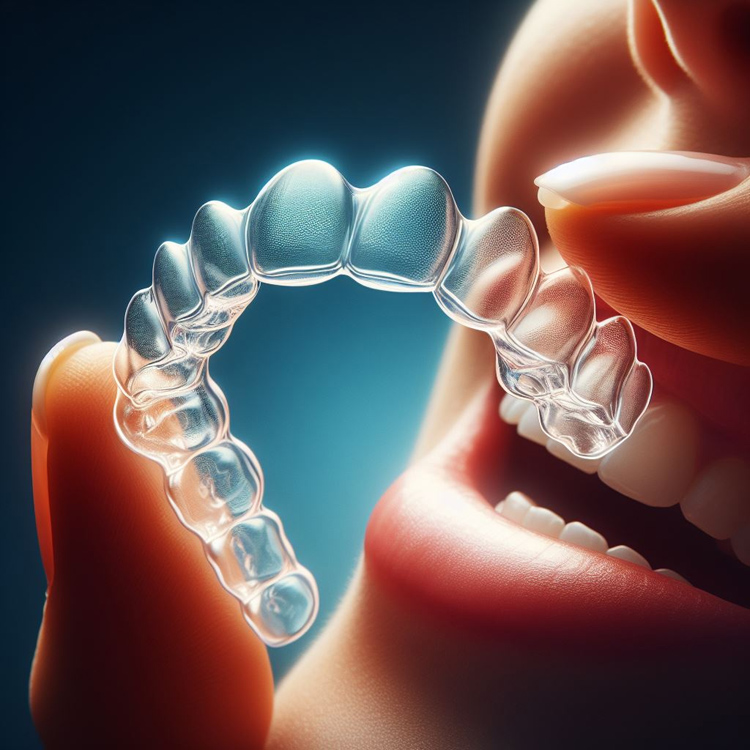
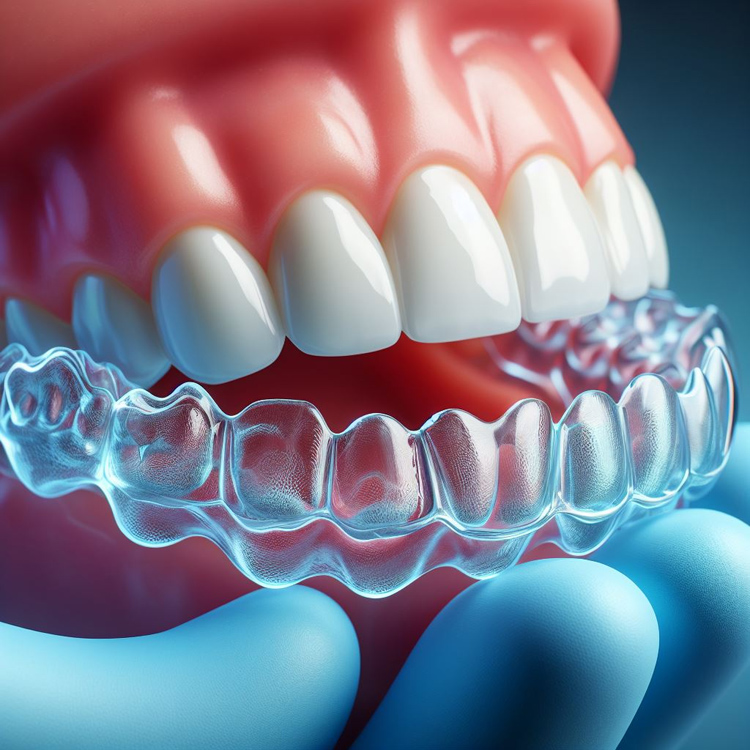
For mild/moderate cases clear aligner therapy can effectively use a sequential series of polyurethane trays applying small amounts of pressure across teeth to guide them towards correct alignment without traditional appliances being visible.
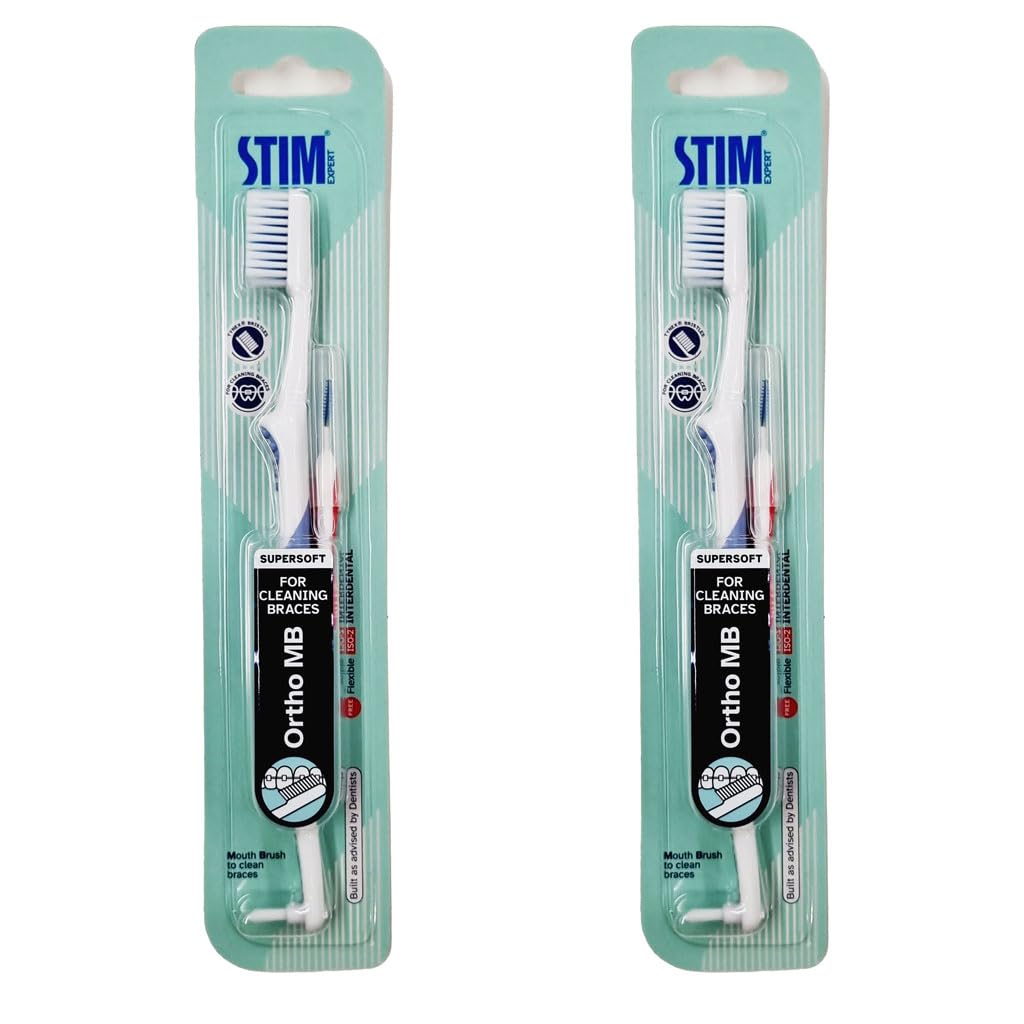
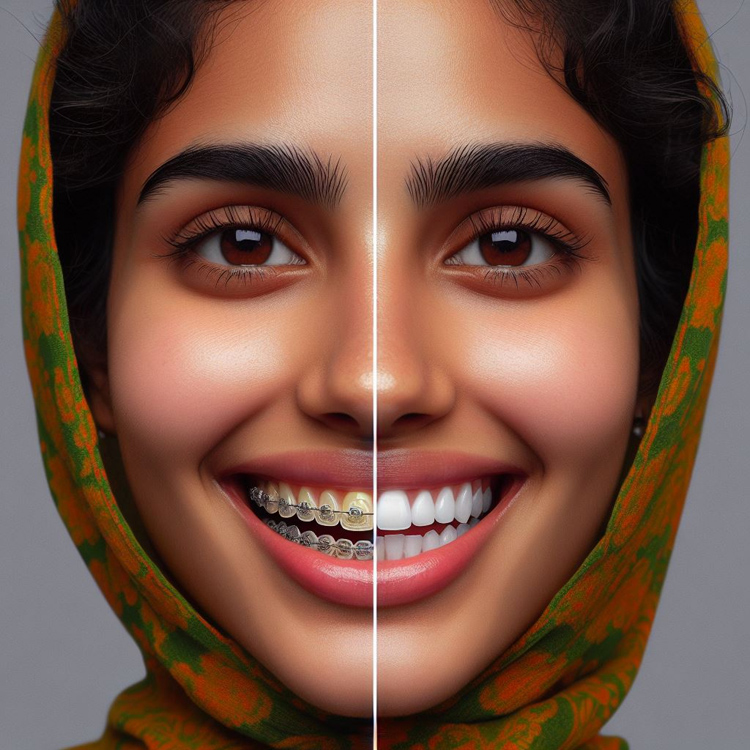
For severe crowding fixed orthodontic appliances remain the gold standard. However, patients can choose between brackets made from metal or tooth-colored ceramic material bonded to the enamel matrix.
If the arch crowding is significant, practitioners may perform IPR (selective inter proximal reduction); safely removing small amounts of enamel from the outside edges to make room for movement of adjacent teeth — or — therapeutic extractions of premolars to create enough space for remaining teeth to reach perfect alignment.
Cost of treatment for correcting crooked teeth varies widely depending upon type of materials used, extent of problem and technology employed. Basic metal braces ranging between ₹30000/- ₹45000/- can be purchased in Kerala market. Ceramic variants offer enhanced aesthetics but typically cost between ₹50000/- ₹75000/-
High-end premium clear aligners engineered via digital workflows range from ₹70,000/- for simple corrections up to ₹2,50,000/- for complex, specialist-driven systems. These procedures generally fall outside the scope of standard Indian insurance policies since orthodontic realignment is classified as cosmetic unless required following serious maxillo-facial trauma or reconstructive orthognathic surgery.
The general dental practitioner may identify misalignment and provide some basic maintenance but a definitive course of correction requires referral to an Orthodontist. An Orthodontist exclusively focuses on craniofacial orthopedics and the physics of tooth movement. If there has been such extensive bone loss and/or gum recession, a Periodontist (gum specialist) needs to be included in the treatment plan to provide pocket therapy or soft-tissue grafting prior to beginning tooth movement. Similarly, if the structural micro-fractures have extended to the pulp chamber, an Endodontist will participate in treating the root canal space prior to attempting to move the tooth into proper alignment.
Aesthetic orthodontic alignment typically does not represent a middle-of-the-night emergency and therefore most cases require elective scheduling. However, once structural problems develop, the urgency of the situation increases. In such instances, acute primary occlusal trauma occurs with sufficient severity to induce severe pulpitis (inflammation of the nerve), resulting in a 24 – 48 hour emergency visit to an Endodontist to alleviate pain.
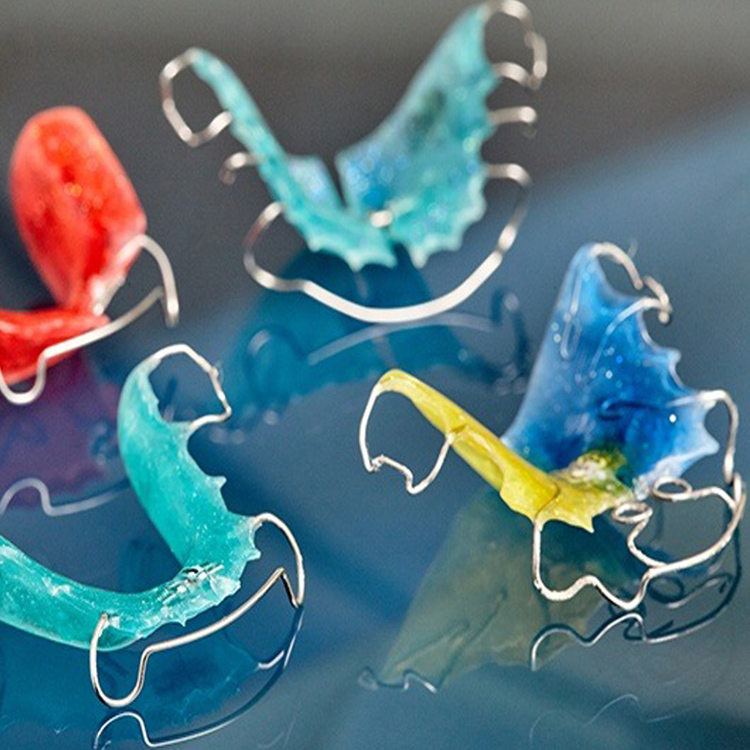
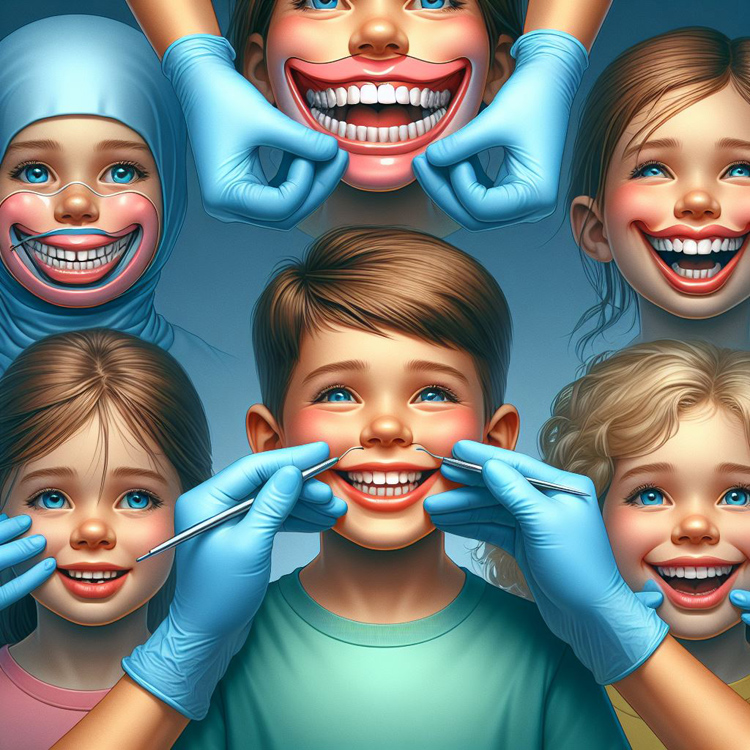
Orthodontic "interceptive" procedures utilize the fact that children between the ages of 7 – 9 should receive an initial evaluation. Identifying a size discrepancy in a developing child’s jaws provides the opportunity for a specialist to direct jaw growth through the use of removable appliances. This can turn what could have developed into a severe surgical procedure later in life into a simple, extraction-free process.
Will having wisdom teeth cause my otherwise perfectly straight front teeth to become crooked?
No, modern dental research shows they are not the primary cause. While it was once believed that third molars create a 'forward pressure wave,' studies show that late lower jaw crowding occurs equally in people without wisdom teeth. This crowding is actually caused by natural late growth changes of the lower jaw and a life-long tendency for teeth to drift forward.
Am I too old to get braces or aligners if I am over 40?
Absolutely not! Bone remodeling is a biological mechanism where bone is broken down ahead of a tooth being moved and new bone is formed behind the tooth that was moved. Therefore, whether you are 8 or 80 years old, as long as your alveolar bone and surrounding gums are healthy enough and there is no current periodontal infection present, your teeth can be properly aligned.
Why do my crooked teeth always seem to bleed when I brush them?
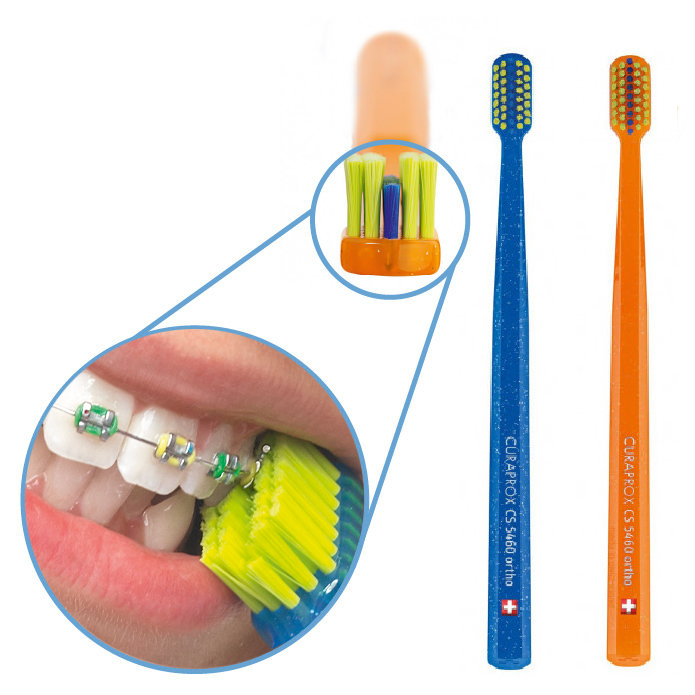
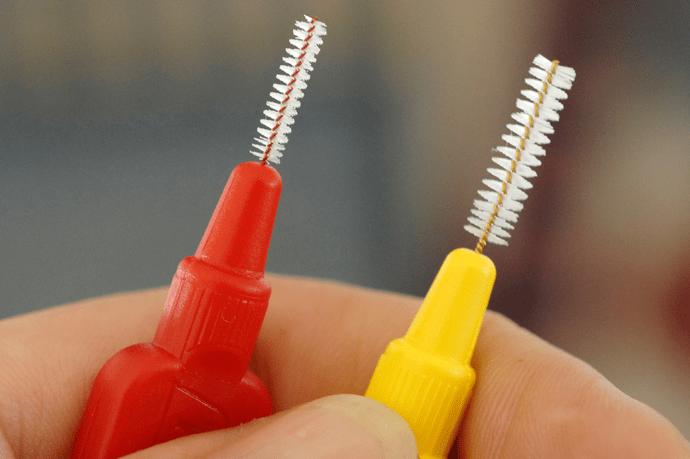
The reason for this is because when teeth are crooked, there are many tight angles created that make it impossible for toothbrush bristles to adequately remove plaque from those tight areas. These tight angles then serve as incubators for anaerobic bacteria that grow unimpeded along the gum line creating an environment conducive to local irritation and development of gingivitis. Gingivitis results in bleeding during brushing or eating.
Dental alignment is far more than just an aesthetic improvement – it is an important biomechanical restoration of function. Misaligned teeth alter how chewing forces are distributed and accelerate wear on enamel, increasing potential for future periodontal destruction. With modern technology utilizing advanced computer imaging systems we are able to accurately measure the forces involved with tooth movement to ensure precise predictable movements. Long term stability depends on the consistent adherence to established post-treatment retention protocol without exception.





.jpg)
.jpg)
.jpg)
.jpg)

.jpg)
.jpg)
.jpg)
.jpg)
.jpg)
.jpg)
.jpg)
.jpg)
.jpg)