Dental crowding occurs when there is a spatial mismatch between the width of the individual's jaw arch and the mesiodistal width of their individual teeth. As part of the general framework of orthodontics and dental care, crowding is categorized as a type of position and alignment problem.
In the context of a narrowed dental arch, each tooth has to rotate, overlap, or tip buccally (towards the cheek) or lingually (towards the tongue) to fit into the available space. Since the crowding disrupts the typical interproximal contacts — the exact zone in which the side-by-side surfaces of the adjacent teeth meet — this structure will result in the creation of non-smooth, mechanically stressful portions of the arch. Furthermore, since the available area of contact becomes small and irregularly shaped, it may become difficult to perform standard hygiene cleaning and brushing techniques.
Crowding Definition: A structural mismatch between a person's jaw arch width and tooth crown width.
Crowding Indications: Pain from shifting teeth, local inflammation/bleeding of Gums, difficulty chewing firm food, or speech changes (lisping).
Treatment Options: Clear aligners, traditional metal/ceramic braces, IPR (Interproximal Reduction), or strategically selected therapeutic extraction(s).
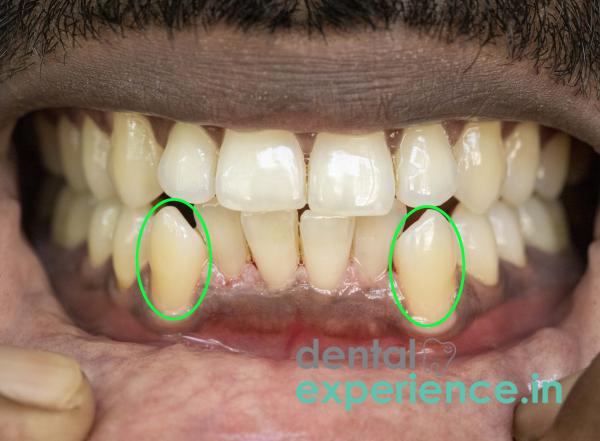
Visual crowding/rotation: Teeth appear "bunched," "stacked," or twisted out of alignment. Typically visible among lower front incisors.
Food particles between teeth: Food particles continually accumulate in close, overlapping spaces, requiring constant effort to maintain good oral hygiene after every meal.
Local gingival inflammation: Erythema (redness) and swelling occur in crowded gum areas due to plaque accumulation that brushes cannot reach.
Poor mastication/biting efficiency: Chewing food feels unequal (due to improper positioning); jaw has to move horizontally to locate a proper biting surface.
Resistance flossing/tearing: A portion of regular floss tears, breaks, or takes significant effort to maneuver through the wedged, narrow spaces between adjacent teeth.
While minor crowding usually involves little more than cosmetic concerns or mild maintenance needs, some clinical signs indicate you should seek prompt professional attention to avoid serious tissue damage:
Gum recession: when a tooth is pushed past the bony socket that contains it, the covering gum tissue recedes, exposing sensitive roots and causing extreme sensitivity to cold temperatures.
Increased tooth mobility: Anatomically overlapped teeth subjected to uneven occlusal forces (traumatic occlusion) undergo localized breakdown and tearing of the periodontal ligament fibers, contributing to abnormal tooth movement, instability, or shifting.
Alveolar bone loss: Prolonged retention of plaque in deep, inaccessible spaces contributes to severe localized periodontitis (characterized clinically as Stage III or IV, Grade C), which rapidly destroys the underlying alveolar bone and support structures of the jaw.
Frequent periodontal abscesses: anaerobic bacteria accumulate in deep inaccessible spaces and lead to recurrent infections that create painful abscesses along the gum lines.
Both mechanical and anatomical differences contribute to overcrowding due to genetic influences, developmental habits and modern ways of life:
Evolutionary changes/genetics: Humans experienced evolutionary decreases in jaw size without corresponding decreases in tooth size; therefore, an inherited space deficit developed.
Delayed shedding of primary teeth: When baby teeth do not fall out by the expected age, they block pathways for subsequent emergence of adult teeth that may then be positioned at unnatural angles.
Premature loss of baby molars: If premature loss of baby molars occurs due to dental decay, adjacent teeth are free to migrate toward the lost space, limiting subsequent space available for emerging permanent teeth.
Mouth breathing and developmental habitual patterns: Chronic mouth breathing alters tongue posture. The tongue drops to the floor of the mouth instead of resting against the palate to naturally guide the lateral expansion of the maxillary arch. Consequently, unopposed pressure from the cheek muscles presses inward, narrowing the arch.
There are several aspects of developmental anatomy, demographics, and other risk factors that increase the potential for severe crowding:
Macrodontia: Large-toothed individuals with crowns that extend beyond standard jaw space limitations.
Late Mandibular Growth: Late maturation and residual growth in the mandible (lower jaw) push downward on the lower arch, potentially causing rapid crowding among the lower anterior teeth.
Mesial Impaction of Wisdom Teeth: Although debated as an independent factor, mesially impacted third molars can generate an anterior force vector, potentially worsening existing alignment issues in the dental arch.
You can perform a safe visual inspection at home to determine if you may possibly have some form of crowding:
Visual overlap check: Look at the front teeth from an angled side-view in a mirror. Note if any teeth are forced to overlap, step backward, or sit completely out of the smooth, semi-elliptical curve formed by the rest of the arch.
Lower front teeth inspection: Examine your lower front teeth. Determine if either lower front incisor is pushed fully behind or ahead of neighboring incisors.
Path of your floss: Place a piece of regular floss between your front teeth. Note if your floss always tears or requires extreme force to extract. Both conditions are indicative of high levels of interproximal tension.
Shadows under gum lines: Observe whether there are shadowy, triangular shapes under your gumlines or areas that have less gum cover than adjacent teeth.
Orthodontists use a unique diagnostic approach to measure and evaluate the level of crowding present in a patient’s arch:
High resolution digital intra oral scan: Creates high resolution digital models of a patient's arches enabling software to quantify space deficits in millimeters.
Panoramic X-ray (Orthopantomogram – OPG): Used to analyze root positions, detect impacted teeth, and evaluate alveolar bone health prior to initiating any tooth movements.
Side profile Cephalometric Radiograph (lateral skull film): Analyzes the skeletal relationships between the upper and lower jaws and provides information about facial aesthetics.
Probing of periodontal pockets: Measures pocket depth around all crowded teeth to verify no active bone resorption or undetected periodontal disease exists prior to initiating tooth movement.
|
Level of Severity |
Amount of Space Deficit |
Presentation |
|
Mild crowding |
Less than 3 millimeters |
One tooth rotates slightly or overlaps slightly. There is little influence on the appearance of the entire arch. |
|
Moderate crowding |
Between 3 mm to 5 mm |
More than one tooth rotates and/or displaces from the original arch line. Some distortion of bite appears evident. |
|
Severe crowding |
Greater than 5 millimeters |
Most of one row of teeth is completely blocked by other teeth so that most or all of one row of teeth emerges either internally or externally relative to its normal row location. |
Correction of crowding is achieved through expansion of arch space, reduction of tooth volume, or reduction of total space required for the teeth:
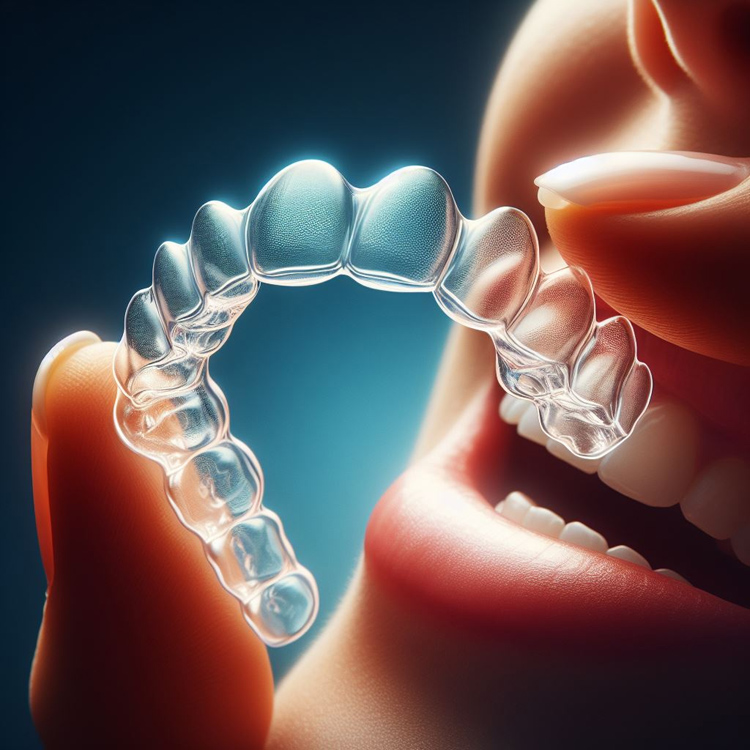
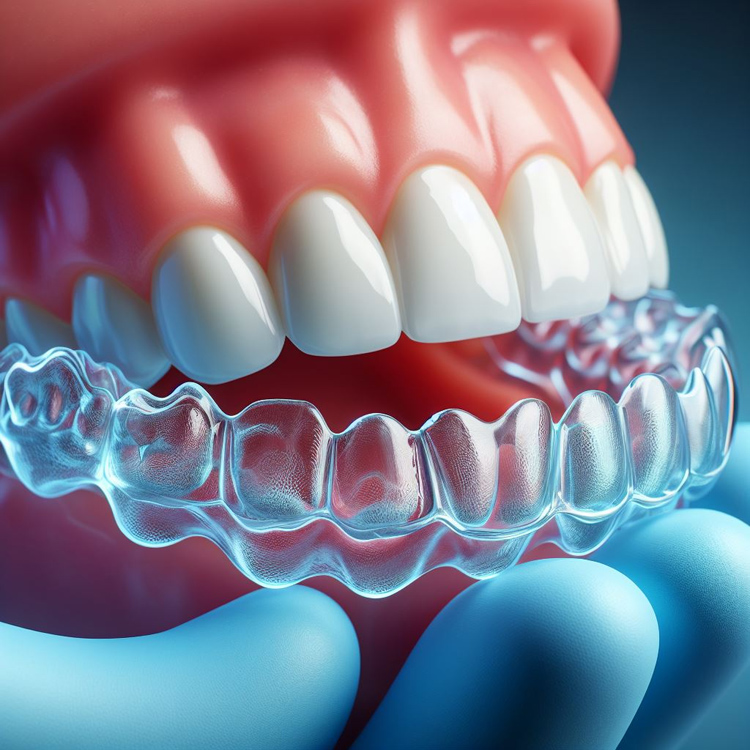
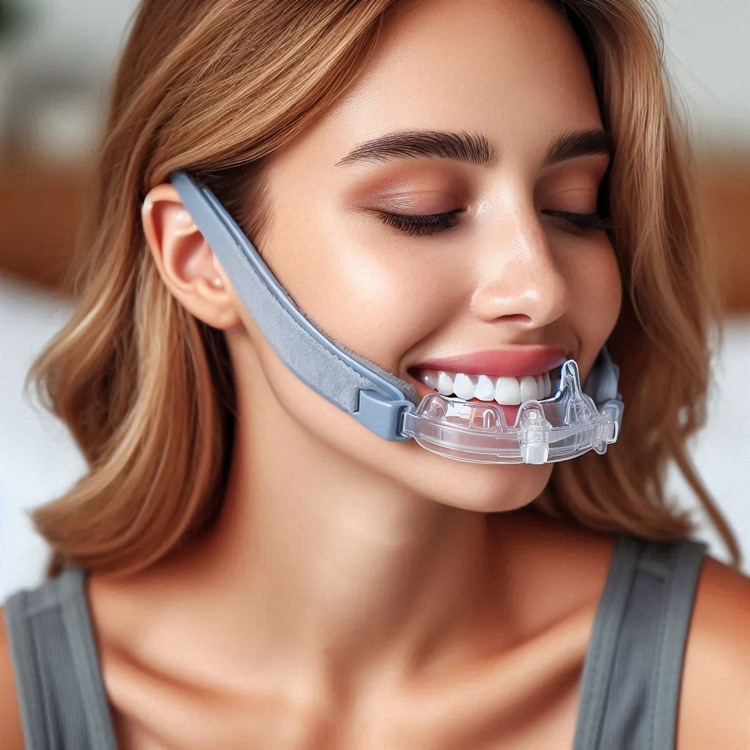
Clear aligner therapy: Transparent polyurethane trays molded specifically for a particular individual provide controlled sequential microforces. Misaligned teeth are moved into place gradually via application of sequential microforces. Provides aesthetically pleasing alternatives for adult working populations.
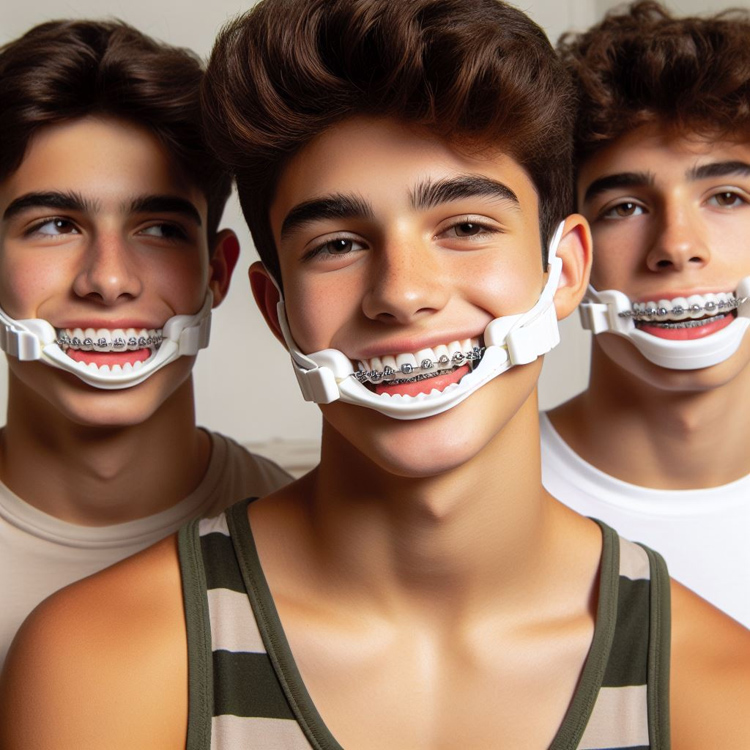
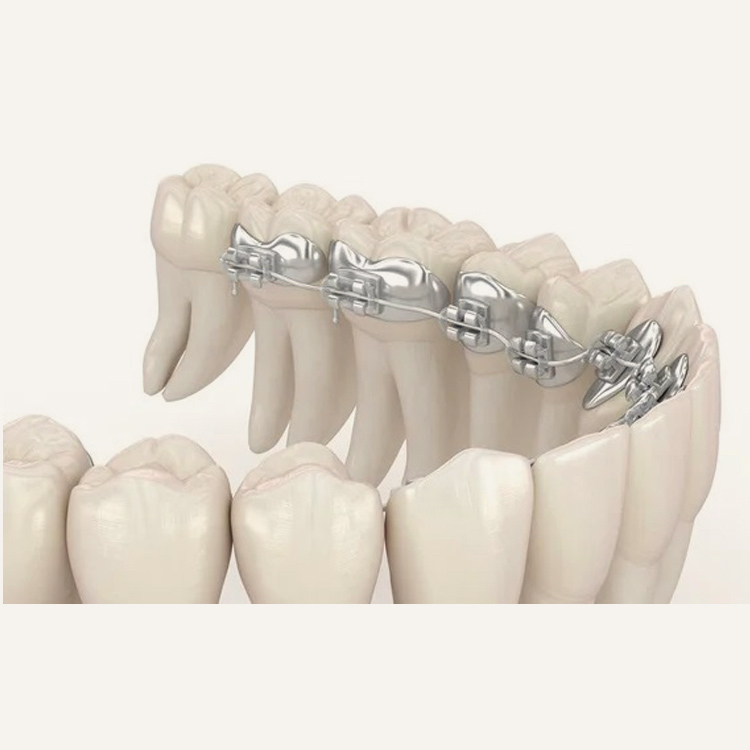
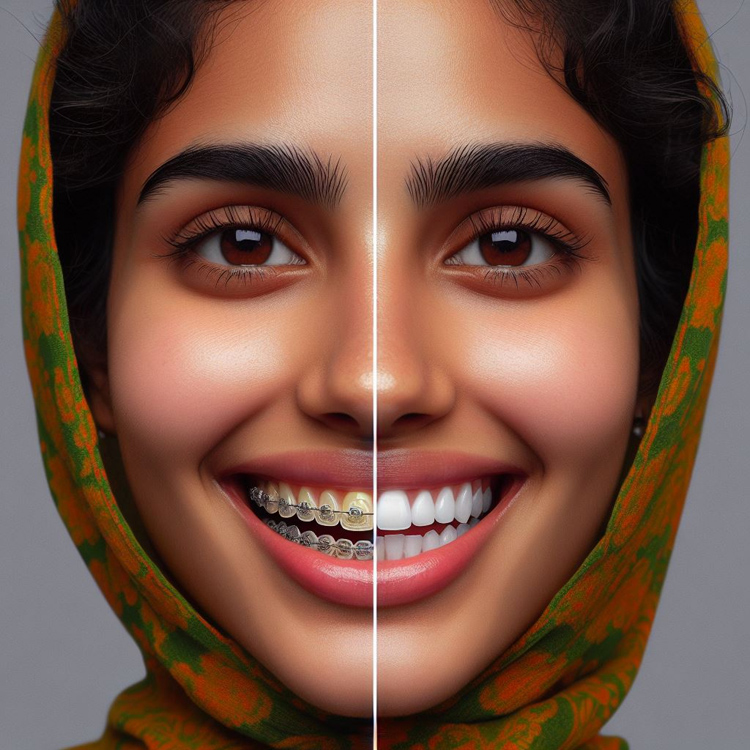
Fixed metal or ceramic brackets: Stainless steel or polycrystalline ceramic brackets attached to enamel matrices employ archwires to redirect severely rotated and displaced teeth back into correct alignment. For severe skeletal structural discrepancies, these are utilized in conjunction with orthognathic surgery or skeletal anchorage devices.
Interproximal Reduction (IPR): A clinical procedure where an orthodontist uses ultra-fine diamond strips or discs to carefully remove fractions of a millimeter from the outer enamel layers on the sides of adjacent teeth. This creates small, critical amounts of space across multiple contact points while fully preserving vital tooth structure.
Removal for therapeutic reasons: When the arch space deficit is severe, the strategic extraction of specific teeth—typically the first premolars—is utilized to harvest the necessary structural space required for orthodontic appliances to completely align the remaining dentition.
Prices for orthodontic treatments vary depending upon selection of appliances used (type/material), appliance cost, and complexity involved with each individual case. Estimated costs for major metropolitan areas like Ernakulam, Kozhikode, Trivandrum include:
Metal Braces: ₹35,000 to ₹55,000.
Ceramic (tooth-colored) Braces: ₹50,000 to ₹75,000.
Self ligating damon system (high-end): ₹70,000 to ₹110,000.
Clear Aligners (Indian premium brands + international premium brands): ₹80,000 to ₹3,50,000.
Effective management of crowded teeth relies on identifying and utilizing appropriate dental specialists:
Orthodontist: The primary specialist for diagnosis/treatment planning for this condition. They focus solely on movement/distribution of teeth; biomechanics; and facial development/growth.
Periodontist: Must be consulted if crowded teeth have resulted in localized recessions or bone loss prior to beginning any orthodontic movement to verify the structural stability and health status of the surrounding periodontal tissues.
General Dentist: Consulted initially for detection; routine professional cleanings; and minor cosmetic modifications using simple restorative techniques.
Crowding develops gradually and therefore treatment is generally considered elective rather than urgent/emergency treatment:
Routine elective scheduling appointments: can evaluate/treat routine alignment issues at your discretion during scheduled Visits with your orthodontist.
Emergency/urgent care services: Needed if severely rotated teeth cause painful ulcers on the inside of cheek/lip or sudden increased swelling indicates presence of acute infection in supporting tissues.
Is there a connection with the crowding of teeth and how people speak?
Yes. Good speaking depends on the exact relationship of your tongue to the back of your front teeth. So if you have severe crowding either in the top or bottom jaws, this space is going to change, and you'll find yourself making incorrect escapes of air when speaking and probably developing a very obvious lisp.
Does having your wisdom teeth extracted resolve some degree of crowding in your front teeth?
No. Having your wisdom teeth extracted does eliminate the pressure being placed on the back side of the jaw that could lead to decaying molars adjacent to an impacted wisdom tooth. However, removing an impacted wisdom tooth doesn't adjust or realign teeth that have already been forced into unnatural positions.
Am I too old to get clear braces or Invisalign to address my crowding issue?
You're never too old to straighten your teeth as long as you have good gum health and strong bones to support movement. Also, modern day clear aligners allow for complete discretion and comfort during orthodontic treatment for adults.
Orthodontic crowding is more than just a cosmetic problem; it's a physical limitation to achieving long term oral health. Crowds provide plaque traps that regular dental hygiene is unable to clean effectively creating localized gum disease and interproximal decay. Today’s innovations in orthodontic treatments such as clear aligners offer predictable and highly accurate mapping of tooth movement. Early correction of these spacing issues ensure long term success and stability for both the overall longevity of your teeth and proper functioning of your occlusion.




.jpg)
.jpg)
.jpg)
.jpg)

.jpg)
.jpg)
.jpg)
.jpg)
.jpg)
.jpg)
.jpg)
.jpg)