Dull continuous toothaches are an indication of ongoing irritation to either the pulp or the periodontium. A dull constant toothache indicates that there is some degree of inflammation to the affected tooth. As opposed to a sharp pain associated with a thermal stimulus such as hot/cold, the dull pain is indicative of chronic inflammation to the affected area. The origin of this type of pain is usually from within the pulp chamber, which contains vital nerve bundles and vascular supply to the tooth, or the periodontal ligament, which anchors the roots to the alveolar bone. Dull continuous pain represents the initial transition from reversible pulpitis/stress to irreversible pulpitis/necrosis.
Clinical Definition: Low level, continuous throbbing/aching sensation in either the pulp of the tooth, or within the supporting structures of the teeth (periodontium).
Indications for Emergency Care:
Night pain
Localized facial swelling
Halitosis (bad odor/breath) due to discharge/pus
Difficulty in swallowing
Recovery Options:
Root Canal Therapy (Endodontic Treatment)
Deep Scaling & Root Planing
Crown Placement on Restored Tooth
Tooth Extraction
Chronic Pain: Persistent pressure-like sensation, typically located to one tooth or a large portion of one side of your lower jaw. This can be a constant dull ache, or an intermittent sharp pain that comes and goes as the day progresses.
Biting Pain: Tenderness to biting hard foods such as dry fish, sugar cane, or very crunchy vegetables.
Cold Sensitive Toothache: Prolonged periods of time with a dull ache that lasts for longer than normal after consuming something cold. The ache may last for hours after the drink has been consumed.
Heaviness / Gravel Feeling: The tooth feels elevated or out of place in comparison to surrounding teeth.
Gum Softer Than Normal: Swollen, tender, pink, slightly inflamed gum surrounding the root of the affected tooth.
If you are experiencing any of the above symptoms and also have one of the following systemic signs, you need to contact your dentist immediately for an emergency appointment:
Swelling that extends down into the cheeks, lower jaw, or below your jaw line to the front of your neck.
Fever greater than 101°F (38.3°C), accompanied by swollen and tender lymph nodes in the front of your neck.
A pustule (fistula) forming on the gums that contains salty tasting fluids.
Trouble opening your mouth all the way (trismus) or difficulty swallowing.
Throbbing pain that wakes you up at night and doesn't go away even though you take basic pain relievers.
Deep Dental Caries: Deep dental caries can cause "deep" fractures or a large hole through the outer layer of your tooth called the enamel layer as well as the dentin layer, creating an entrance for bacteria from your mouth into the pulp chamber.
Irreversible Pulpitis: A severe infection within the tooth that will prevent the proper flow of blood to the area and also compresses your nerves causing pain.
Periodontal Abscess: An abscess under the gumline where bacteria has accumulated will inflame your bones and ligaments around the infected tooth.
Nocturnal Bruxism: Unconscious teeth clenching while you sleep that applies excessive force on the periodontal ligament fibers surrounding each tooth root.
Cracked Tooth Syndrome: Micro-fractures in your enamel layer that result from chewing very hard foods like raw corn kernels, or snacking on hard betel nuts (supari).
Dietary Habits: Eating frequently and consuming sticky, sweet, high-sugar foods such as payasam, or refined jaggery, or consuming acidic carbonated beverages that remove minerals from the surface of your teeth making them weaker and softer.
Hard Substances: Chewing on hard substances like breaking open crab shells, biting hard betel nuts, or tearing open plastic packages with your front teeth.
Poor Oral Hygiene: Infrequently cleaning your teeth (brushing), or neglecting to clean between your teeth (interdentally) with a floss string results in a buildup of calcified plaque (tartar).
Previous Dental Trauma: Previous accidents that damaged the internal structures of a tooth and resulted in an injury to the nerves without fracturing the structure.
Untreated Diabetes Type II: Impairs your body's ability to fight infections locally and rapidly destroys the tissues of your gums.
In order to perform the visual examination you will need a mirror that is free from debris and a good source of natural light:
Visual Examination: Look for any discoloration of the tooth, cracks, or any signs that may indicate that the filling has come loose.
Gum Inspection: Carefully inspect the area of gum surrounding the aching tooth to see if it shows evidence of redness, localized swelling, or exudate. Don't push too hard on the gum.
Light Tap Test: Gently tap on the top side of the tooth with a clean fingertip. If the tooth feels sharp or dull, it could be due to a stressed periodontal ligament.
Thermal Reaction: Take note if being exposed to room temperature air or room temperature water causes an extended, intense ache.
Symmetry: Observe if there are some slight changes in facial symmetry or swelling on the bottom part of the face near the line of the cheek.
Important Safety Warning: Never put an aspirin tablet directly against your gums, nor ever use a droplet of clove oil to numb your gums or place a small piece of wire into an open cavity. Both actions can result in severe chemical burns and secondary infection.
Digital Radiography: Use intraoral periapical (IOPA) X-rays to determine extent of dentin degeneration, root apex integrity, and jawbone resorption.
Cold Vitality Testing: Determine if nerves within the tooth are vital, hypersensitive, or necrotic by applying an endodontic cold spray (Endo-Ice).
Electrical Pulp Testing (EPT): Measure the internal nerve fiber response threshold by exposing them to a mild electrical current.
Periodontal Probing: By inserting a specially designed and calibrated probe into each sulcus and measuring their depth around the entire circumference of the tooth; this helps identify potential areas of concealed bone loss.
Occlusal Analysis: Using articulating paper to identify areas where excessive pressure is placed on certain teeth when occluding, thereby potentially irritating the periodontal ligament.
|
Level |
Clinical Stage |
Pathological State |
Primary Symptom Profile |
|
Grade 1 |
Early / Reversible |
Mild dentin exposure or early pulpal hyperemia |
Short, low-grade discomfort triggered by sweet or cold stimuli that resolves quickly. |
|
Grade 2 |
Moderate / Irreversible |
Pulpitis confined within the internal pulp chamber |
Continuous, low-grade throb; lingering thermal sensitivity; dull bite tenderness. |
|
Grade 3 |
Severe / Necrotic |
Pulpal death with periapical abscess formation |
Constant deep pain, gum swelling, pus drainage, facial asymmetry, and sleep disruption. |
Root Canal Therapy (RCT): For endodontically infected teeth, the pulp is completely removed in a sterile environment. All canals are thoroughly mechanically shaped. Chemical disinfection is performed on all roots and canals. The canals are then sealed using gutta-percha, along with a bioceramic sealer.
Restoring Crowns: A high-translucency Zirconia or porcelain-fused-to-metal (PFM) crown will be placed to provide structure to the weakened tooth.
Deep Periodontal Treatment: Ultrasonic debridement with specialized instruments and root planing, in conjunction with local application of an antibiotic gel to remove the deep subgingival infection.
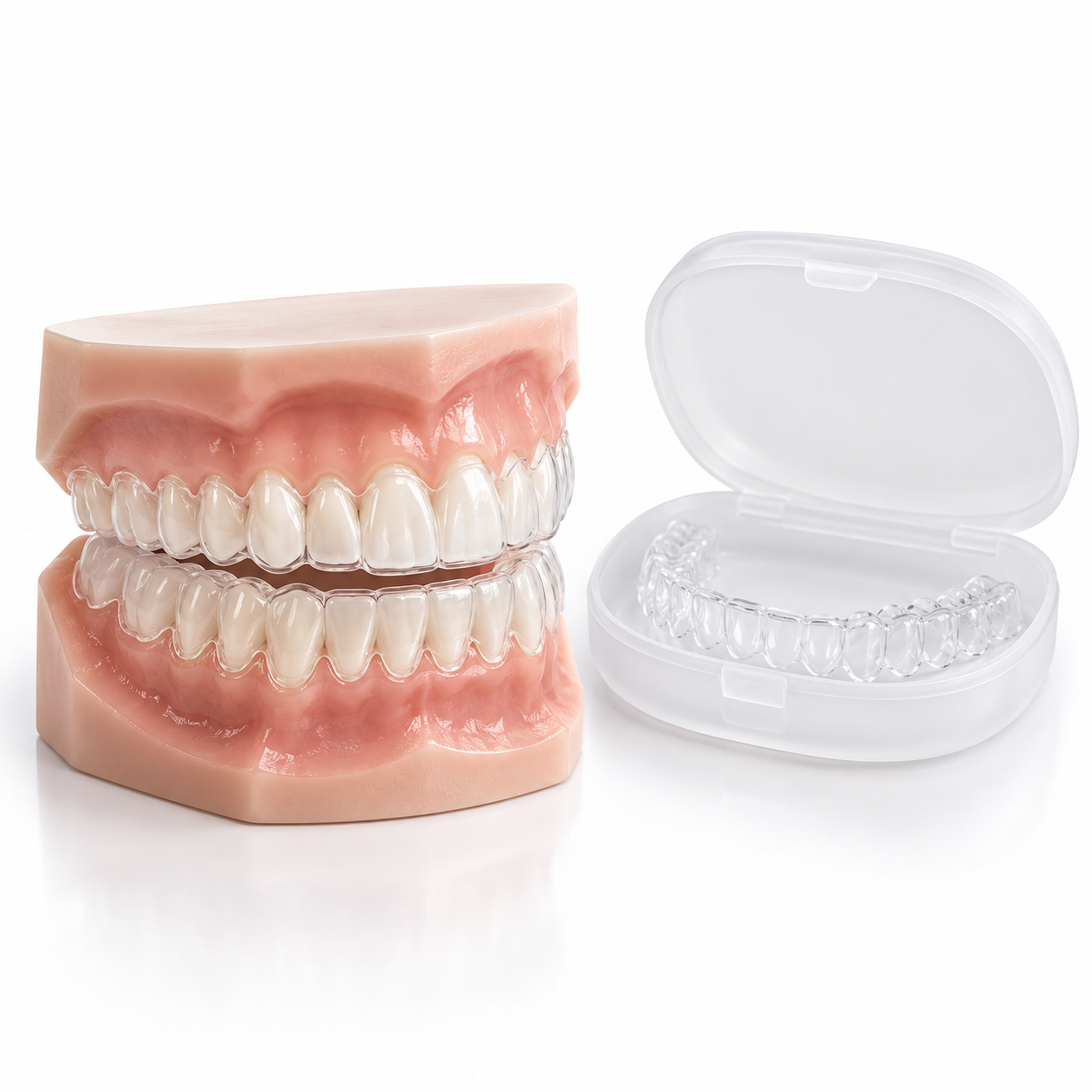
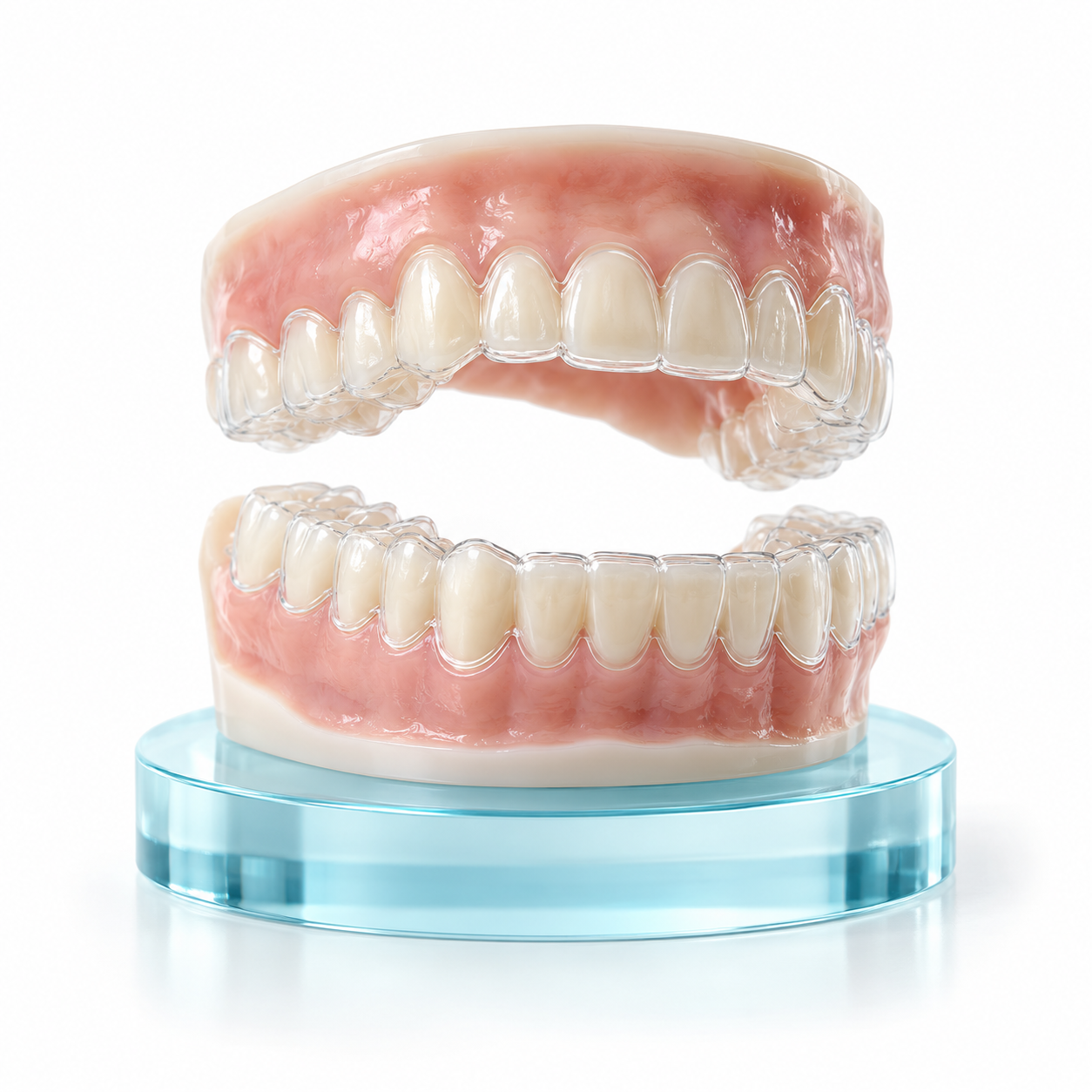
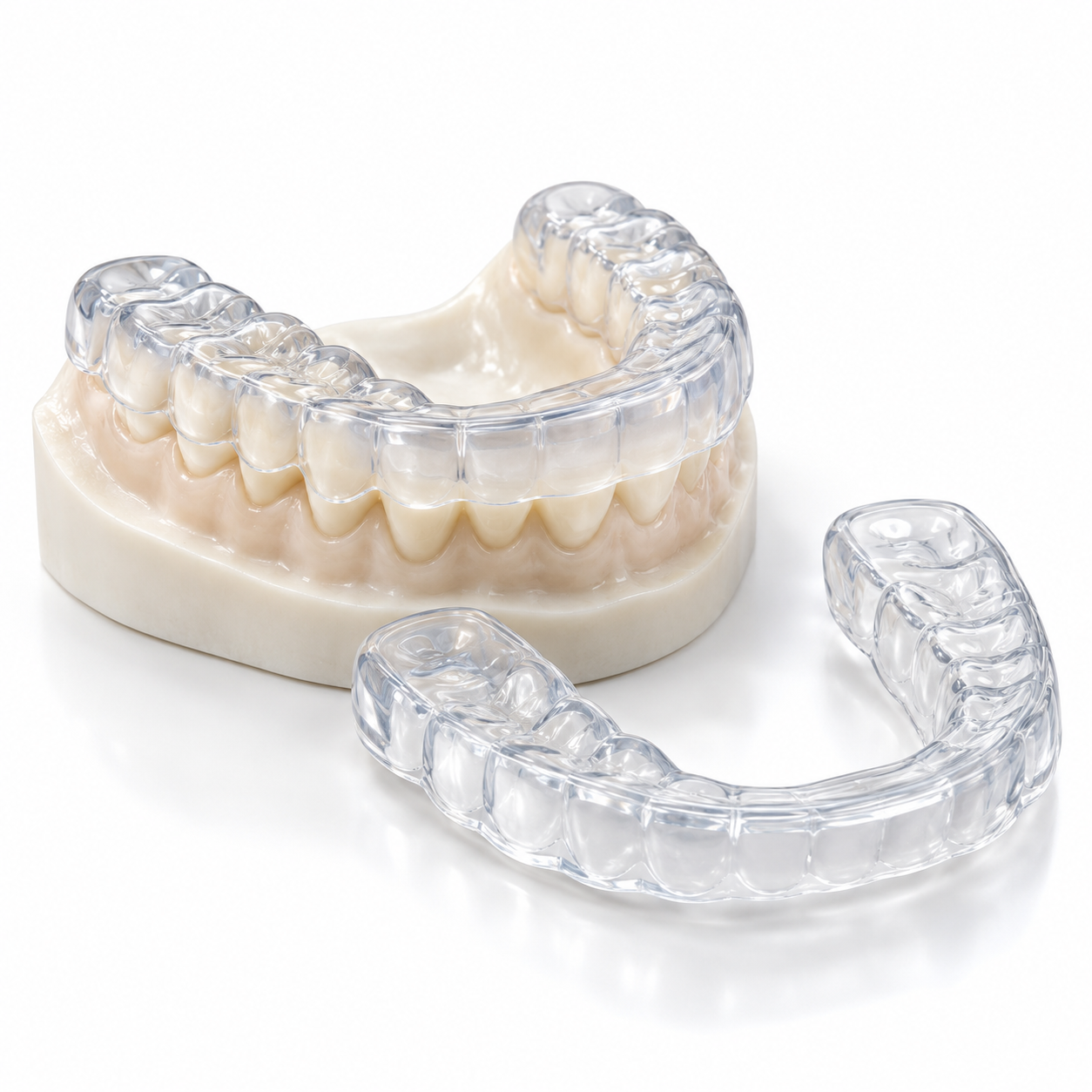
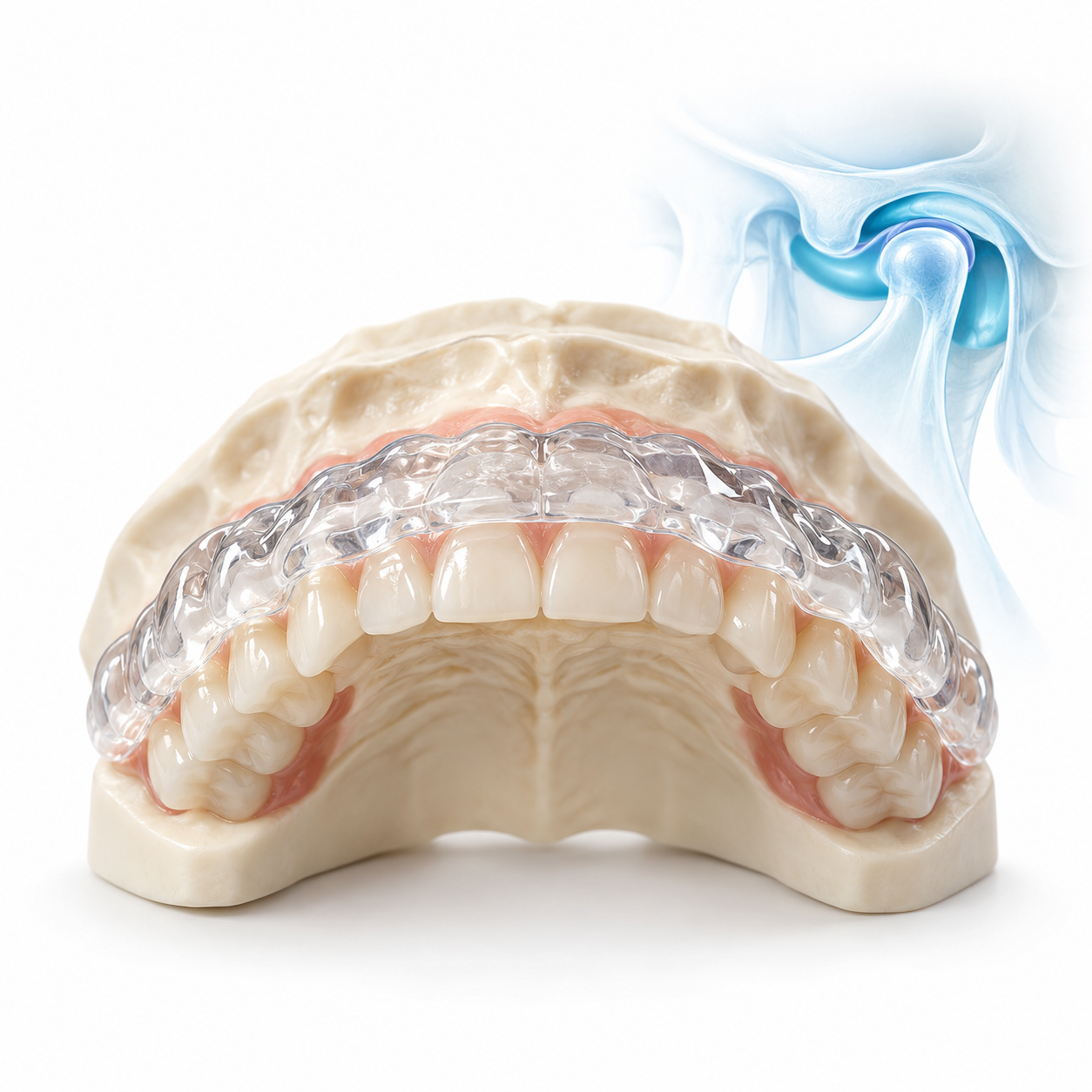
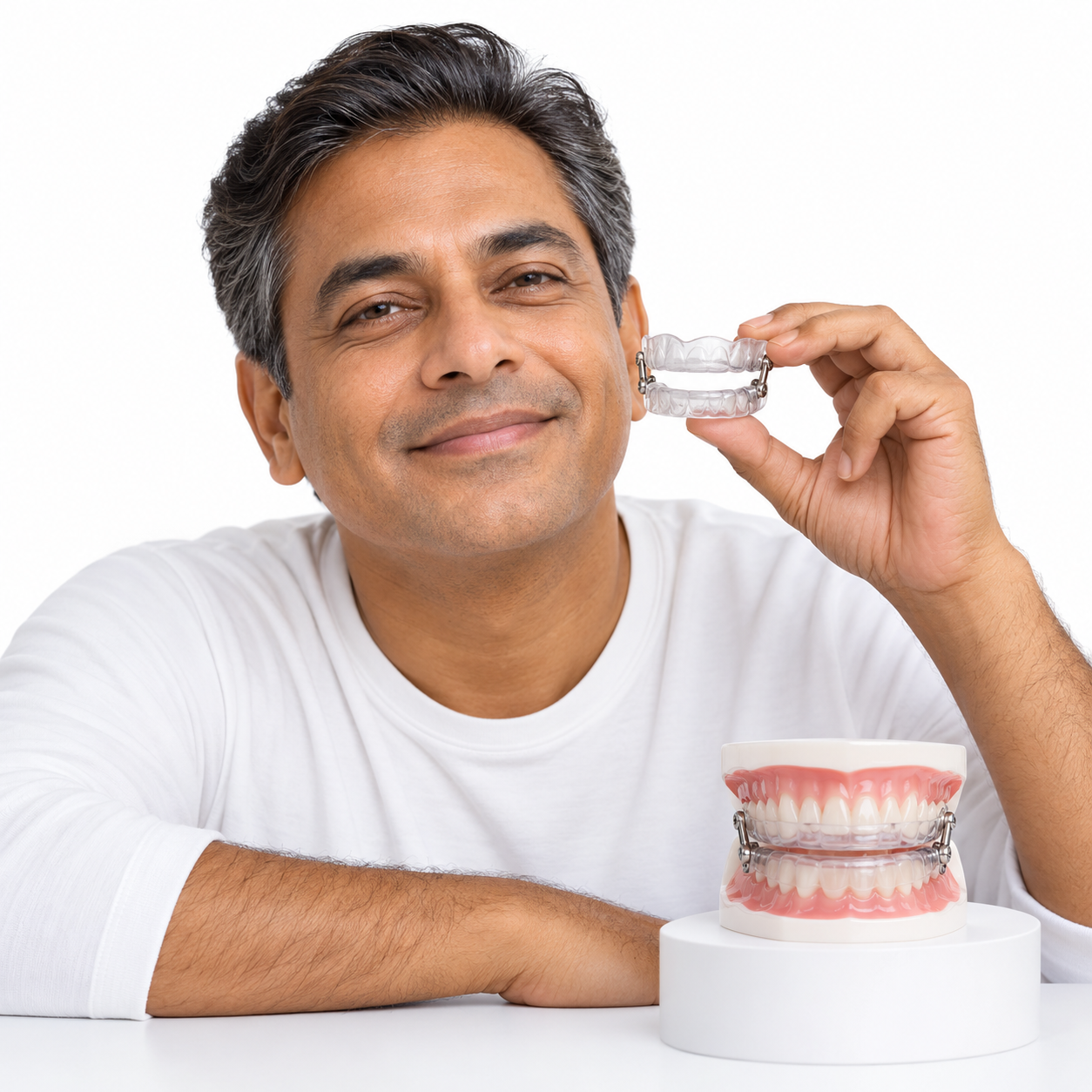
Occlusal Adjustments and Night Guards: To reduce the pressure that is applied when you bite, custom-fitting night guards are designed to prevent the damage caused by bruxism while sleeping.
Surgical Extraction: Gently removing badly damaged teeth that cannot be restored and preserving the area to allow for possible restoration in the future.
|
Dental Procedures |
Approximate INR Cost Ranges |
Factors That Determine Costs |
|
Consultation & Diagnostic X-Rays (Digital IOPA) |
₹300 - ₹800 |
Location of clinic; use of digital diagnostic equipment. |
|
Rotary Root Canal Therapy (RCT) |
₹3,500 - ₹8,500 |
Number of roots involved (single/multi); experience of endodontist. |
|
Zirconia / PFM Dental Crown |
₹4,000 - ₹15,000 |
Warranty on material; customization of crown via CAD/CAM software. |
General Dentist: First-level diagnostic procedures; routine simple cavity fillings; routine cleaning & removal of plaque from teeth and gums; simple single-root endodontic therapy.
Endodontist (Root Canal Specialist): Root canals involving complex anatomy or curved roots; re-treatment of previously treated endodontically involved teeth; pulpal necrosis.
Periodontist (Gum Specialist): Severe gum disease including extensive bone loss in the mouth and treatment of an advanced periodontal abscess.
Prosthodontist: Structural rehabilitation as full coverage crown, bridge, or prosthesis supported by dental implants.
Immediate: Uncontrollable throbbing toothache that is accompanied by significant swelling around the face, inability to breathe, high fever, and/or constant purulent discharge from one's tooth.
Urgent: Persistent dull ache that will keep you awake at night and/or sensitivity to hot foods/drinks that persists for more than a few minutes after exposure or mild discomfort while chewing on your tooth.
Routine / Elective: Occasional sharp/intermittent aching sensations associated with drinking cold beverages and/or early signs of cosmetic wear and tear on your smile, or simply scheduling a regular checkup.
Why do you get a persistent toothache regardless of whether you are chewing or not?
Persistent toothaches indicate that your pulp or the bone-ligament surrounding your tooth is inflamed. In most cases, this occurs due to bacteria reaching the pulp chamber; the bacteria then multiply under the sealed environment of the tooth. As a result, the swelling and pressure in the pulp chamber become trapped within the confines of the tooth, causing pain continually.
Can using an OTC remedy such as warm saltwater mouthwashes help to ease a dull toothache?
Warm saltwater mouthwashes may help alleviate some inflammation from superficial gum tissue, and assist in removing food particles/debris. However, there is no evidence to support that OTC remedies can cure either the underlying pulp decay caused by bacteria or other types of internal infection.
If I choose to ignore a constant dull toothache that simply goes away on its own, what could happen?
If your continuous toothache suddenly ceases to exist without receiving professional dental assistance, it generally means that your tooth's internal nerve has died (necrosis). The dead nerve will allow for continued proliferation of bacteria at the root end of your tooth. This may create a "silent" bone abscess.
Continuous dull pain is clearly indicative of compromised internal tooth pulp or adjacent bony support. Although many patients can tolerate an intermittent throb of mild discomfort, they will generally be less tolerant of significant bony loss or severe infection (abscess) in their mouth. Diagnostic imaging at the time of discovery as well as timely restoration of dental function through successful endodontic therapy (root canal) along with proper restoration of the crown form to prevent future fracture allows the patient to have continued use of all remaining natural teeth. Therefore, routine oral hygiene and/or early clinical assessment are considered essential for maintaining natural teeth.





.jpg)
.jpg)
.jpg)
.jpg)
.jpg)
.jpg)
.jpg)
.jpg)
.jpg)
.jpg)
.jpg)
.jpg)
This site is part of the DEC Dental Network — a Dental Equity & Connectivity ecosystem of clinical, educational, and patient-support brands operated by Team Dental Pvt. Ltd. Our network works as one — guiding you from your first search to your final smile.
© 2026 Team Dental Pvt. Ltd. · Founded 2013, Angamaly, Kochi, Kerala
About DEC Dental