The face presents a complex problem that is both neurologic and musculoskeletal in nature, involving the trigeminal nerve, the masseter muscle group, and the temporomandibular joint (TMJ). Within the context of craniofacial disorders, it covers conditions ranging from myofascial pain dysfunction syndrome (MPDS) to neuropathic entities like acute trigeminal neuralgia. Muscular and joint inflammation produce dull, aching musculoskeletal discomfort, whereas intracranial neurovascular compression triggers sharp, electric-shock neuropathic pain. Compression, inflammation, or increased contractility of these structures can cause abnormal sensations of pain throughout the facial structure, disrupting the patient's ability to masticate and speak normally.
Clinical Definition: Non-dental or secondary dental pain affecting the facial muscles, TMJ, and cranial nerves.
Red Flag Indicators: Sudden unilateral shock-like sensations, jaw locked in place, unilateral facial deviation, or high fever with unilateral facial swelling.
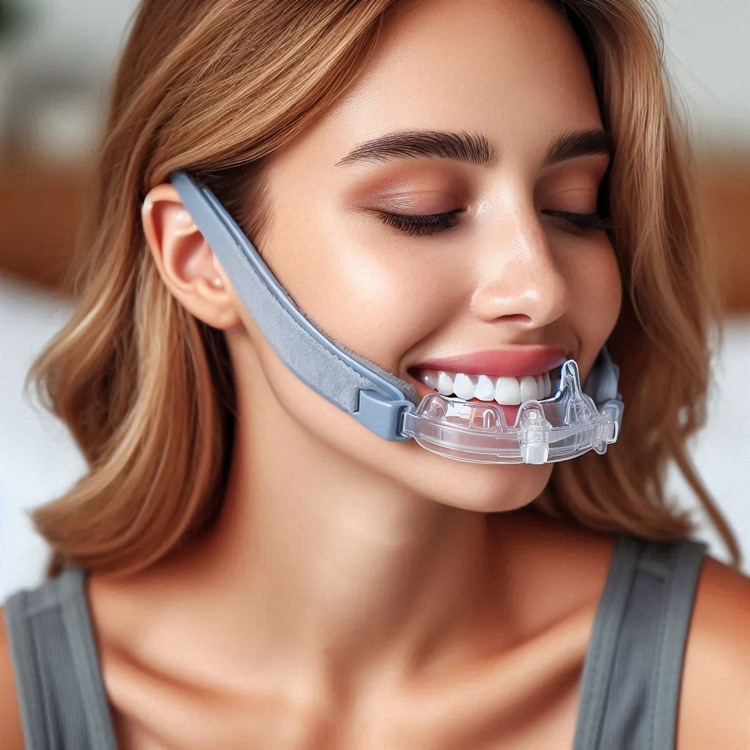
Common Recovery Options: Occlusal splint use, trigger point injections, physical therapy, pharmacological treatment, and arthroscopic TMJ intervention.
Each patient presents with various combinations of both sensory and motor symptoms associated with their facial pain:
Muscle Ache: A dull ache that is located within one of the major muscle groups such as masseter or temporalis.
Sharp Pain: Sharp, lancinating, or shock like pain from light touch or even the wind.
Radiated Feeling: Radiated feeling of pressure into the temple area, ear, or posterior skull.
Joint Sounds: Clicking, popping, or crepitation (grinding sensation), when opening your mouth.
Tenderness Upon Palpation: Tenderness upon palpation (touching) of the facial muscles especially after resting overnight.
If you experience any "red flag" symptoms listed below seek help immediately:
Trismus: Inability to open your mouth more than two fingers.
Unusual Swelling: Unusual swelling which spreads to either the eye socket (periorbita) or under the mandible (submandibularis).
Vision Changes: Sudden appearance of unexplained vision changes, unilateral temporal pain, and/or severe headache.
Facial Paresis/Weakness: Rapid progression of facial paresis/weakness and/or numbness on the lower lip/chin.
Chronic Nocturnal Pain: Chronic nocturnal pain that does not respond to standard over-the-counter pain relievers.
Mechanical, neurologic and habits are common reasons for facial pain:
Mechanically Caused: Caused by occlusal para-function (nocturnal bruxism) which causes significant loads to be placed on the jaw muscles.
Neurologically and Structurally Caused: Internal derangement of the temporomandibular joint occurs when the articular disc slips out of alignment in an anteromedial direction relative to the mandibular condyle, stretching the supporting discal ligaments over time.
Habitually Caused: Caused by psychologically generated stress which may cause an individual to unconsciously clench their masseters.
The risk factors for this condition include:
Structural Abnormalities: Structural abnormalities that disrupt normal distribution of occlusal forces (malocclusion, missing posterior teeth).
Anatomical Changes: Anatomical changes secondary to systemic inflammatory conditions (i.e. rheumatoid arthritis involving the TMJ).
History Of Trauma: A history of trauma or injury to the cervical spine including whiplash injuries.
Chronic Stress: Chronic stress and/or anxiety creating abnormal tension in the muscles.
Gender: Women aged 20 to 40 years old experience a higher prevalence of temporomandibular disorders, driven by a complex combination of biopsychosocial factors, central pain mechanisms, and hormonal influences.
You can do some basic assessments on yourself before you go see your dentist or doctor about your jaw issues — this is going to help you determine how much structure movement there is and if you are at risk of injuring something:
Vertical Movement: Try to place three fingers stacked vertically from top to bottom in-between your front teeth. If you cannot do that, it could be an indication of muscle spasm or a displaced disc.
Joint Palpation: With your fingertips placed right in front of the ear opening, slowly open the mouth. Look for any type of pain, lateral deviation, or pop in the joints as they move.
Muscle Massage: Press gently into both sides of the cheeks (masseter muscles) and both sides of the temple (temporalis muscles). A sharp stabbing pain may indicate myofascial tissue damage.
Trigger Testing: Using a cotton swab lightly brush your cheeks. Unbearable sharp pains may suggest neuropathy.
Functional assessment and diagnostic imaging should provide enough information to make a diagnosis:
Palpation/Load Test: Determine the amount of resistance when placing load on the joints and tenderness to pressure on specific areas of the muscles.
Cone Beam Computed Tomography (CBCT): It provides highly detailed three-dimensional imaging of bony hard tissues and condylar erosions, though evaluating soft-tissue structures like the articular disc requires an MRI.
Magnetic Resonance Imaging (MRI): This is considered the gold standard to visualize soft tissue discs, their positioning, and compression of the trigeminal nerve.
Diagnostic Nerve Blocks: Injecting local anesthetics into the nerves to narrow down which pathway(s) of pain exists.
|
Severity Level |
Clinical Description |
Typical Impact |
Primary Approach |
|
Mild (Grade 1) |
Episodic muscle tightness; infrequent jaw clicking; no functional restriction. |
Mild discomfort during hard chewing. |
Lifestyle tweaks, soft diet, heat therapy. |
|
Moderate (Grade 2) |
Daily aching; restricted jaw opening; clear TMJ clicking/popping; headache. |
Difficulty chewing firm foods; sleep disruption. |
Occlusal nightguards, physical therapy, pharmacotherapy. |
|
Severe (Grade 3) |
Constant burning or electric shocks; severe trismus; disc dislocation without reduction. |
Impossibility of solid diet; functional disability. |
Joint arthrocentesis for acute closed lock, trigger point injections, and microvascular decompression. |
The modern approach is using a progressive (conservative to advanced), sequential treatment plan:
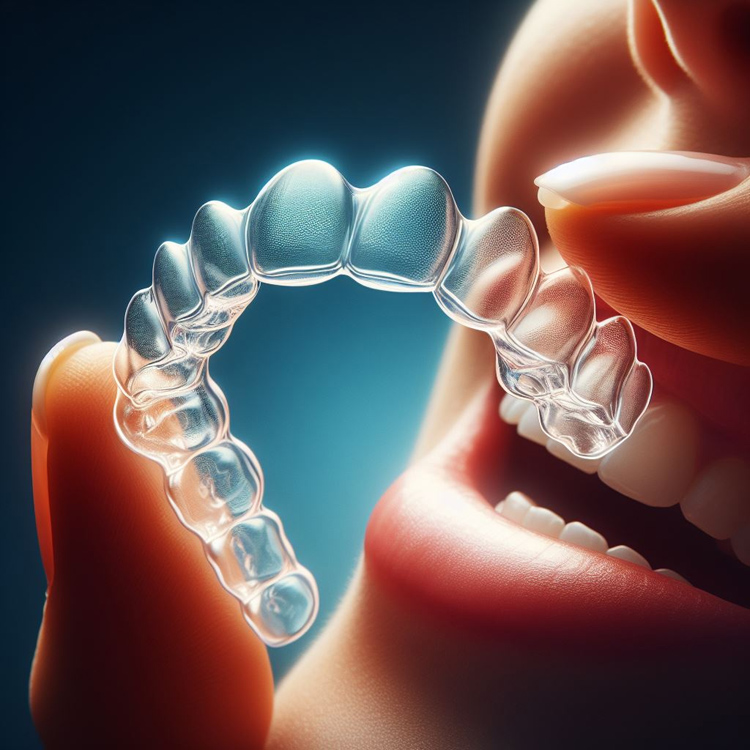
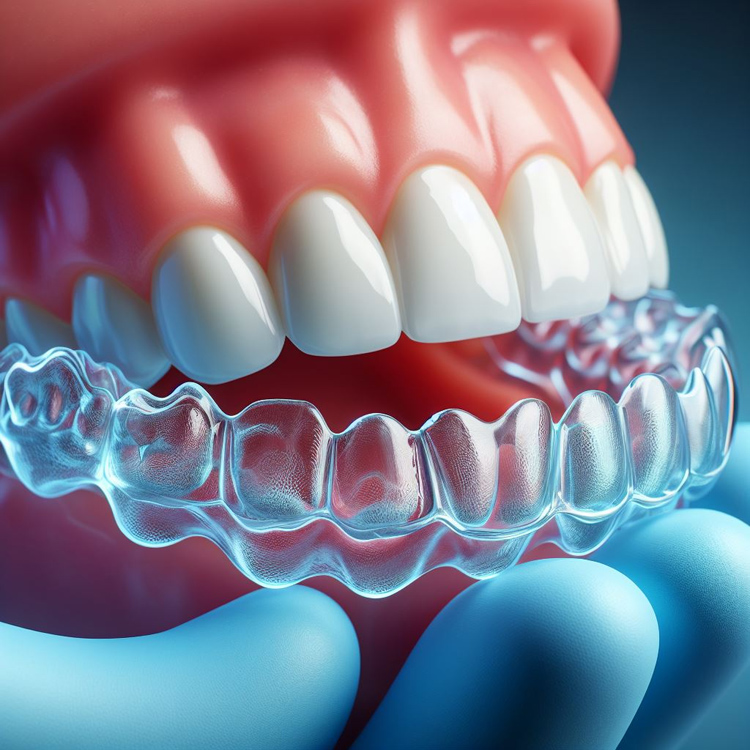
Precision Molded Night Guards And Occlusal Splints: Help deprogram over active muscles in the jaw and eliminate the TMJ from excessive forces.
Intramuscular Therapeutic Injection: Injection of botulinum toxin (botox) into either the masseter muscle, or ultrasound guided trigger point injections to alleviate severe spasms.
Arthrocentesis TMJ: A minimally invasive procedure to clean the joint space by flushing out pro-inflammatory cytokines and allowing for a dislocated disc to return to its normal position.
Prescription Pharmacologic Agents: Carbamazepine serves as the primary medical standard for sharp trigeminal neuralgia (requiring prior allele screening), while gabapentinoids are utilized for broader chronic neuropathic pain.
Treatment expenses across top Kerala dental centers (Kochi, Thiruvananthapuram, Kozhikode) vary based on intervention levels:
|
Procedure |
Average Out-of-Pocket Range (INR) |
|
Custom Occlusal Splint / Nightguard |
₹4,000 – ₹12,000 |
|
TMJ Arthrocentesis & Lavage |
₹18,000 – ₹45,000 |
|
Masseter Botox Therapy (Per Session) |
₹15,000 – ₹35,000 |
|
Advanced CBCT & MRI Diagnostics |
₹4,500 – ₹12,000 |
Multidisciplinary specialty care will be needed depending upon which of the three primary causes of TMD you have identified as the source of your problem:
General Dentist: Best suited for early screening, simple splint therapy, basic occlusal adjustments.
Prosthodontist: Needed for complex full mouth bite rehabilitation, advanced splint design.
OMFS (Oral & Maxillofacial Surgeon): Needed for TMJ arthroscopy, TMJ arthrocentesis, surgical repairs of the joint.
Neuro-Muscular/Orofacial Pain Specialist: Needed for management of chronic neuropathic facial pain, complex MPD cases.
The amount of time a patient has to seek dental treatment depends on the severity of their symptoms:
Immediacy (Within 2 – 4 Hours): A unilateral jaw dislocation; an acute severe facial infection causing swelling; sudden inability to close the mouth.
Urgency (Within 24 – 48 Hours): Repeatedly fires sharp "electric shock" type pains; severe difficulty in swallowing; sudden restricted opening.
Elective (1-2 Weeks): Mild joint clicking; low grade morning muscle soreness; routine splint checks.
What causes jaw pain that gets worse with chewing hard foods?
When you eat dense, fibrous, or difficult to chew foods, you use all of your strength in order to be able to chew them. This puts extreme strain on the masseter muscles and TMJ condyles. When there is an alignment problem with your disc, or if your muscles are inflamed, it will cause extreme spasm and compress your joint. Consider eating soft diets for example rice porridge while you have an active flare-up.
What is the cost for treating TMJ pain at clinics throughout Kerala?
The price for basic visits and splints can begin at approximately ₹4,000 to ₹12,000. The price for advanced treatments like arthrocentesis and/or masseter injections can vary from ₹15,000 to ₹45,000 depending upon what type of facilities exist in cities such as Kochi and Kozhikode.
Do all cases of facial pain originate from a toothache?
Absolutely not. Although sometimes tooth infections in molars may send pain signals into the face, many cases of actual facial pain come from either muscular spasms, TMD, or irritation to nerves including trigeminal neuralgia which are entirely unrelated to tooth decay.
Treatment of facial pain requires a proper differential diagnosis prior to proceeding with irreversible treatments. In fact, most of our facial pain cases do very well using reversible and non-invasive methods such as customized occlusal splint wear, temporary diet changes and physical therapy. All other advanced interventions should only be considered after a thorough clinical evaluation of functional and structural impairment. The one thing we find that helps prevent patients from becoming chronically painful is early interdisciplinary involvement among prosthodontists, oral/maxillofacial surgeons and neurologists.




.jpg)
.jpg)
.jpg)
.jpg)
.jpg)
.jpg)
.jpg)
.jpg)
.jpg)
.jpg)
.jpg)
.jpg)