A "flat smile" is a dysfunctional and aesthetically unpleasing presentation in which the upper anterior tooth's incisal surface (the biting edge) does not have its normal, youthfully curved position relative to the lower lip line. Functionally, there is a distinct loss of vertical dimension of occlusion (VDO) in the upper central and lateral incisors, as they are worn down to the point of eliminating their natural incisal curvature and canine guidance. Aesthetically, this falls into categories such as occlusal plane deviations and esthetic discrepancies, which impact both psychological wellbeing and the distribution of occlusal forces.
Clinical Definition: The horizontal alignment of the biting edges of the upper front teeth does not have a naturally curved, upward direction.
Causes of Flat Smiles: Chronic bruxism (tooth grinding), natural wear of enamel, and edge-to-edge malocclusion.
Urgent Indications: Sudden chipping, severe jaw muscle fatigue, and exposed dentin sensitivity.
Flatness on Visual Inspection: The upper teeth appear as a straight, rigid line when smiling and do not provide for adequate facial expression when smiling.
Attrition Tactilely: Smooth, dull, or sharp feeling from the biting edge(s) is indicative of uneven micro-fracture formation within the enamel.
Thermal Sensitivity: Painful, shock-type sensations from sipping hot tea or drinking cold beverages resulting from worn enamel, which exposes the dentinal tubules beneath it.
Masticatory Fatigue: Muscular fatigue (aches) radiating up the sides of the masseter muscle following extensive periods of mastication.
Reduced Tooth Height at an Unusual Rate: Loss of tooth length that occurs rapidly (over several weeks to months) indicates rapid development of aggressive parafunction.
Spontaneous Fracturing: Vertical microfractures extending toward the pulp chambers, indicating potential damage to nerves inside the tooth.
TMJ Dysfunction: Locking, clicking, or severe pain in the temporomandibular joint with jaw movement.
Trauma: Inadequate functional clearance causes tongue and lip biting.
Nocturnal Bruxism: Incidental grinding causing gradual abrasion of flat surfaces by friction of opposing forces.
Edge-to-Edge Anterior Malocclusion: Skeletal or dental malalignment leading to direct incisal contact of both upper and lower front teeth during function instead of a healthy vertical overlap (overbite).
Dietary & Mechanical Attrition: Frequent ingestion of acidic or abrasive substances combined with parafunctional habits or improper toothbrushing mechanics.
Aging & Enamel Attrition: Years of natural wear thinning the crystallized enamel surface protecting the dentin.
Stressed Lifestyle (Work/Stress): Anxiety is demonstrated in unconscious daytime clenches.
Habitual Hard Food Chewing: Daily eating habits consuming hard food items such as areca nut (betel nut) or ice.
Age: As we age, our teeth have years of cumulative stress fatigue of their crystalline structure.
Missing Back Teeth That Have Not Been Restored: Forward shifting of occlusal load onto front teeth increasing the wearing rate.
Mirror Test: Smile as you would naturally in front of a mirror. Look at how the top (front) surfaces of your upper front teeth follow the bottom (lip) surface when it is pulled back. If the biting edges are flat, they will fail to mimic or harmonize with the natural upward curvature of your lower lip line when smiling.
Edge Test: Using a clean fingernail, lightly run along the chewing edge of your front teeth. If there is an abnormal dullness, notch, or rough fracture of tooth structure, this should show up during the test.
Thermal Trigger Test: Compare drinking room temperature water with cold water. See if certain teeth feel acute pain upon contact with the water.
Visual/Occlusal Assessment: Static and dynamic assessment of how the upper and lower jaws fit together by using articulating paper to record the relationship.
Panoramic X-Rays/CBCT: Use panoramic X-rays and cone beam computed tomography (CBCT) to assess root structure, bone quality, and proximity of the pulp chamber to tooth structure.
Pulp Vitality Test: Perform thermal or electric pulp tests to verify that all nerves within the tooth are functioning properly underneath what may have been previously damaged enamel.
Mild: Minor superficial enamel wear on the anterior edges of the upper incisors with intact enamel, no dentin exposure, and minimal aesthetic or functional disruption.
Moderate: Loss of vertical dimension noticeable; slight dentin exposure and moderate thermal sensitivity.
Severe: Significant structural loss reaching very close to pulp level; aesthetic failure of smile line and secondary dysfunctional bite.
Direct Resin Bonding (Composite): Resin sculpted into tooth shape to restore youthful curvature within one office visit.
Veneers (Porcelain): Ceramic veneer shells custom-made and bonded to the facial surface of the anterior teeth to provide durable, stain-resistant, long-term aesthetics.
Crowns (All-Ceramic/Fully Porcelain): Fabrication using E-max lithium disilicate or zirconia for anterior teeth requiring major structural support.
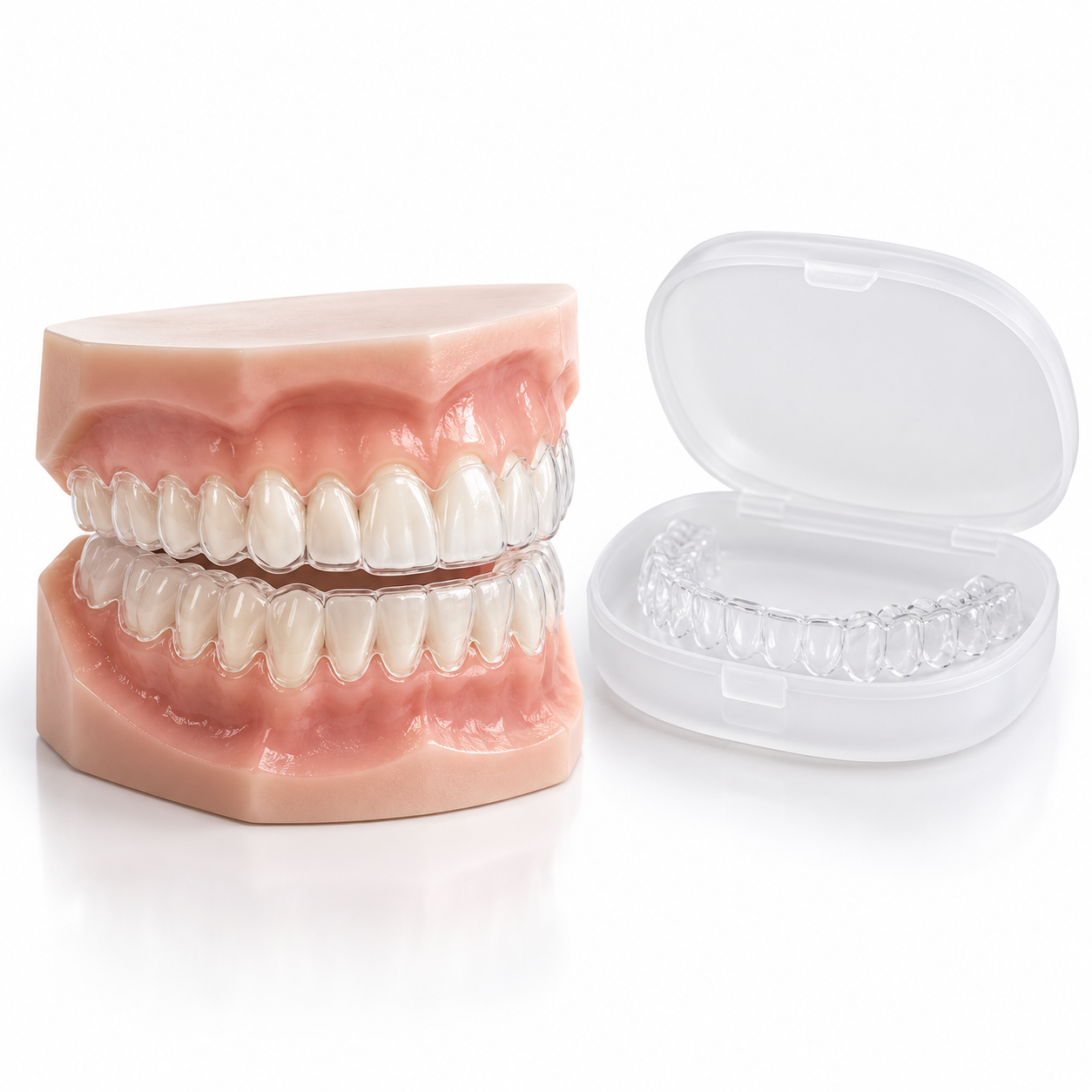
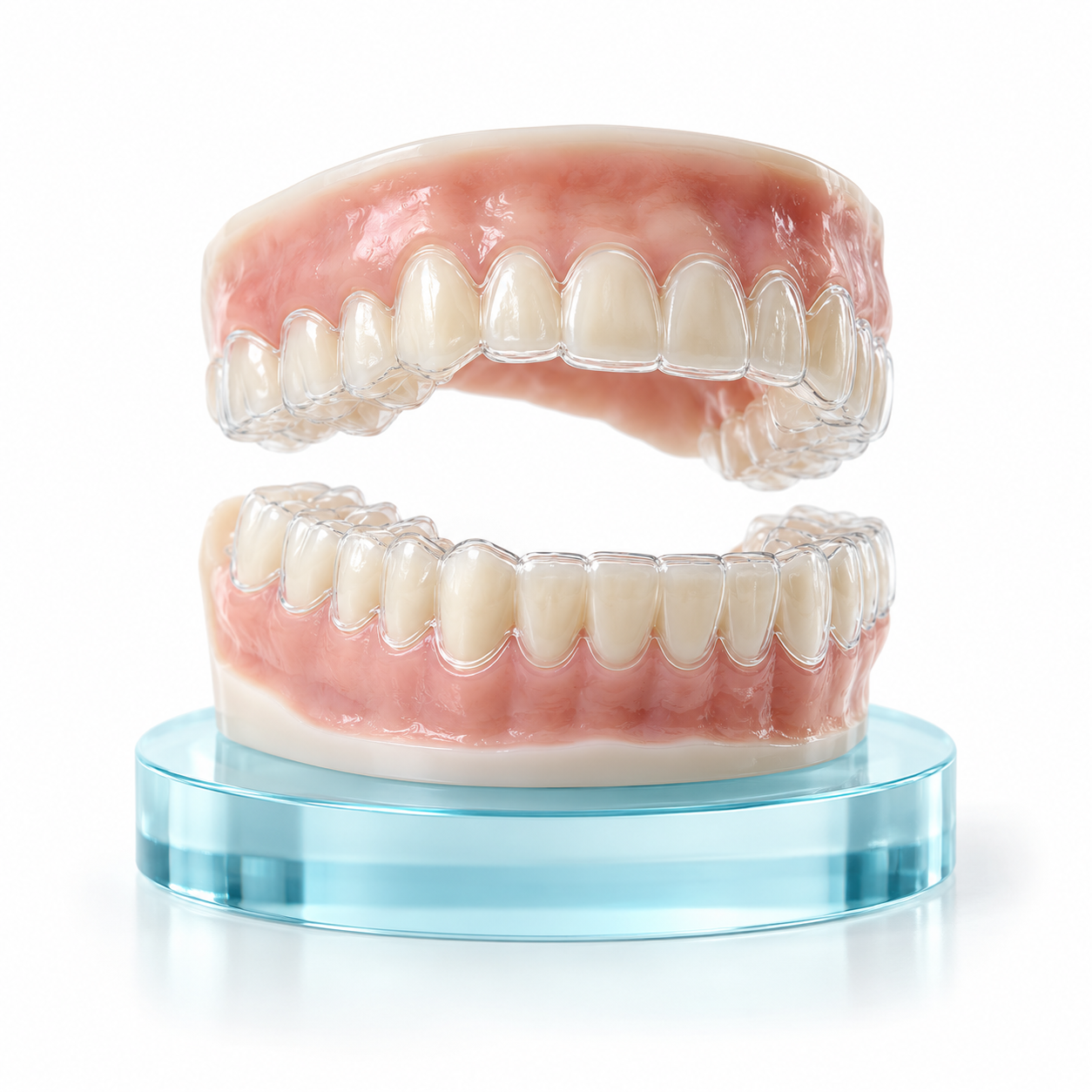
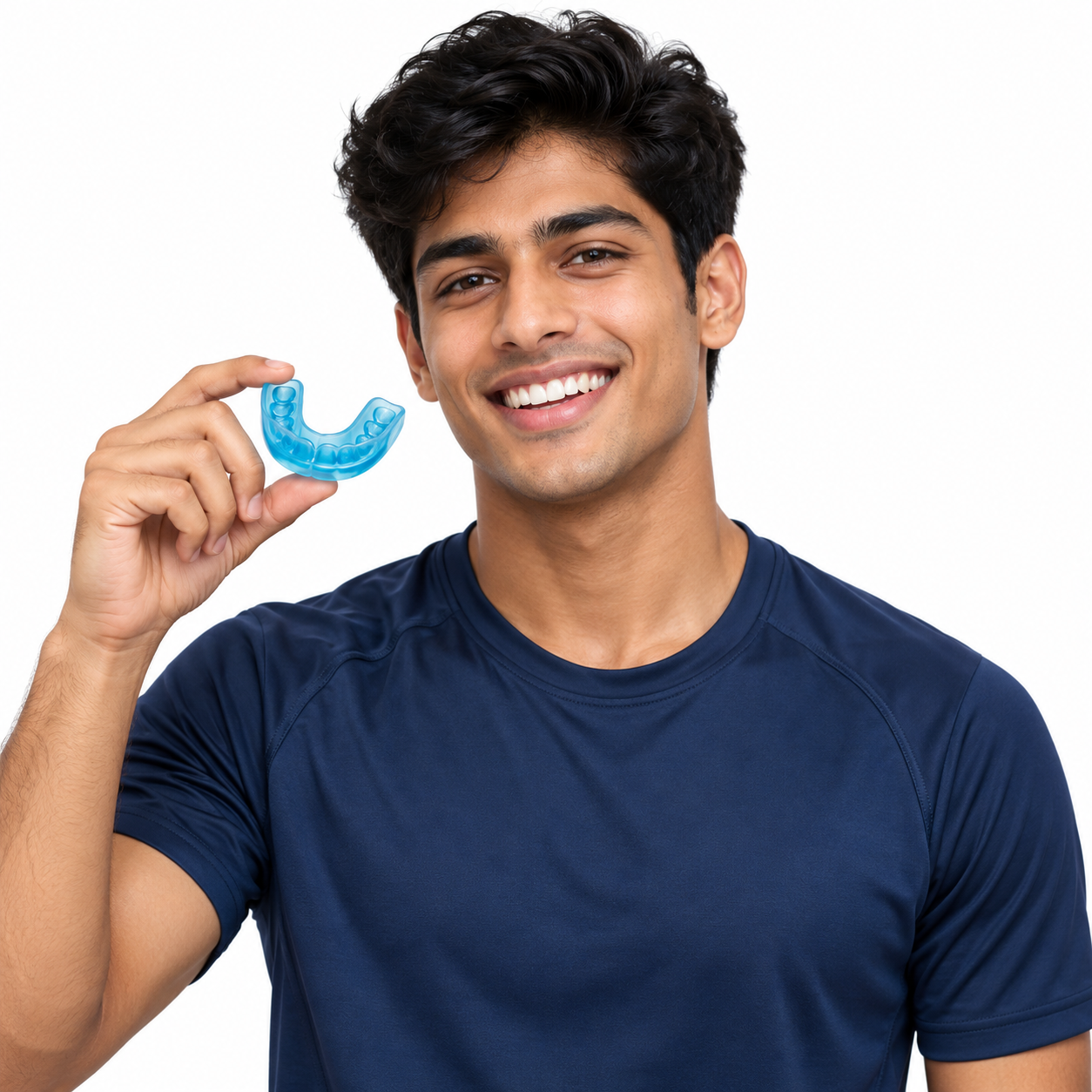
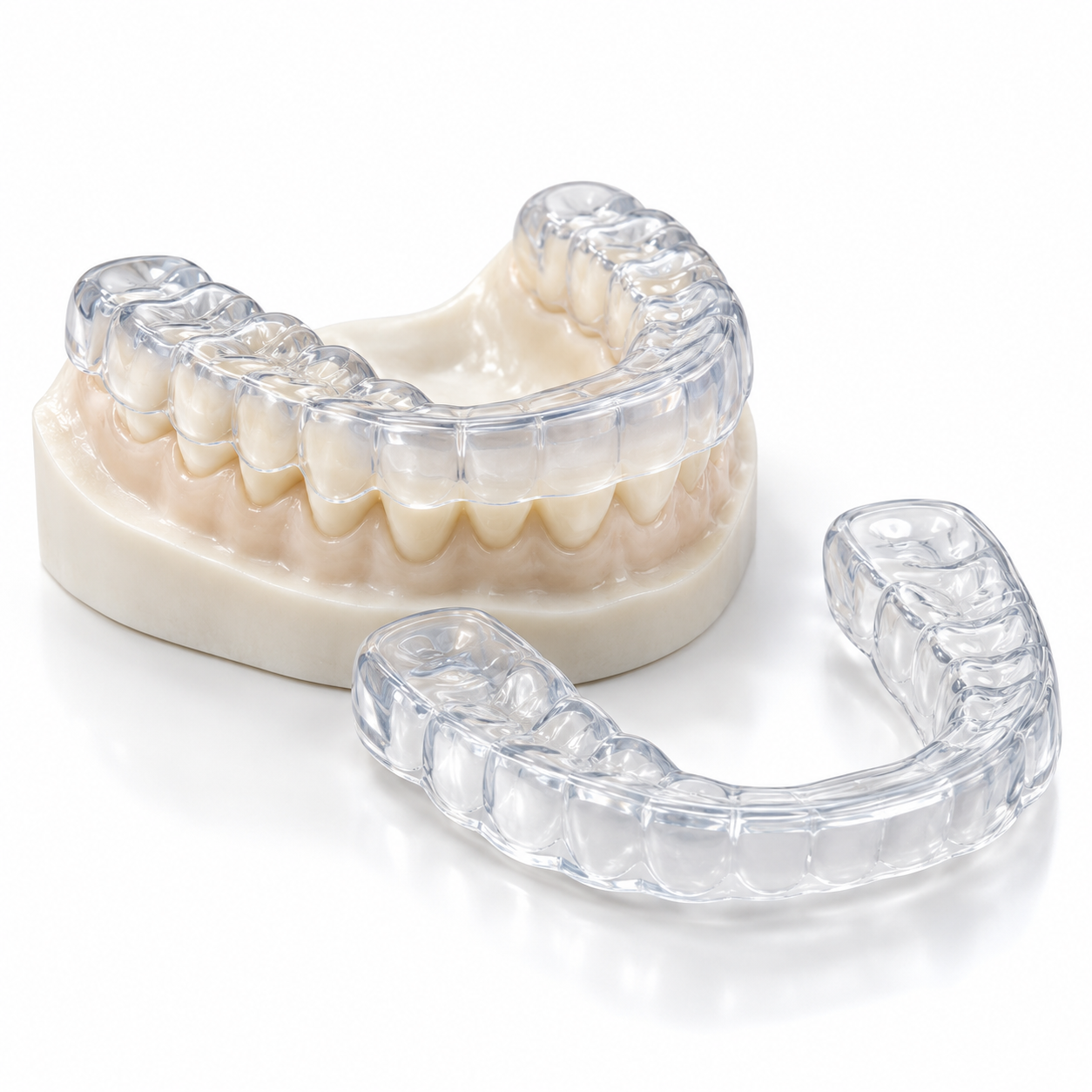
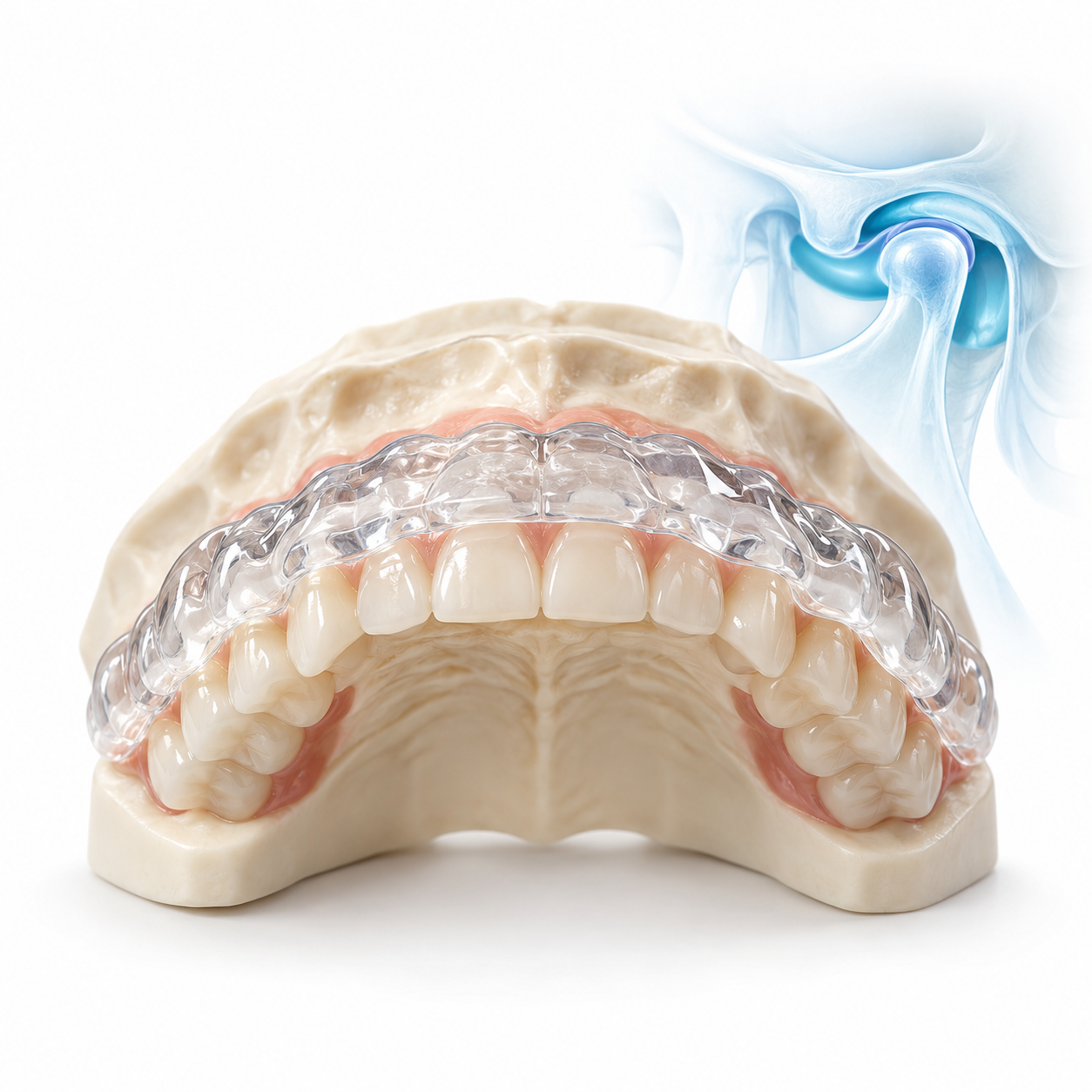
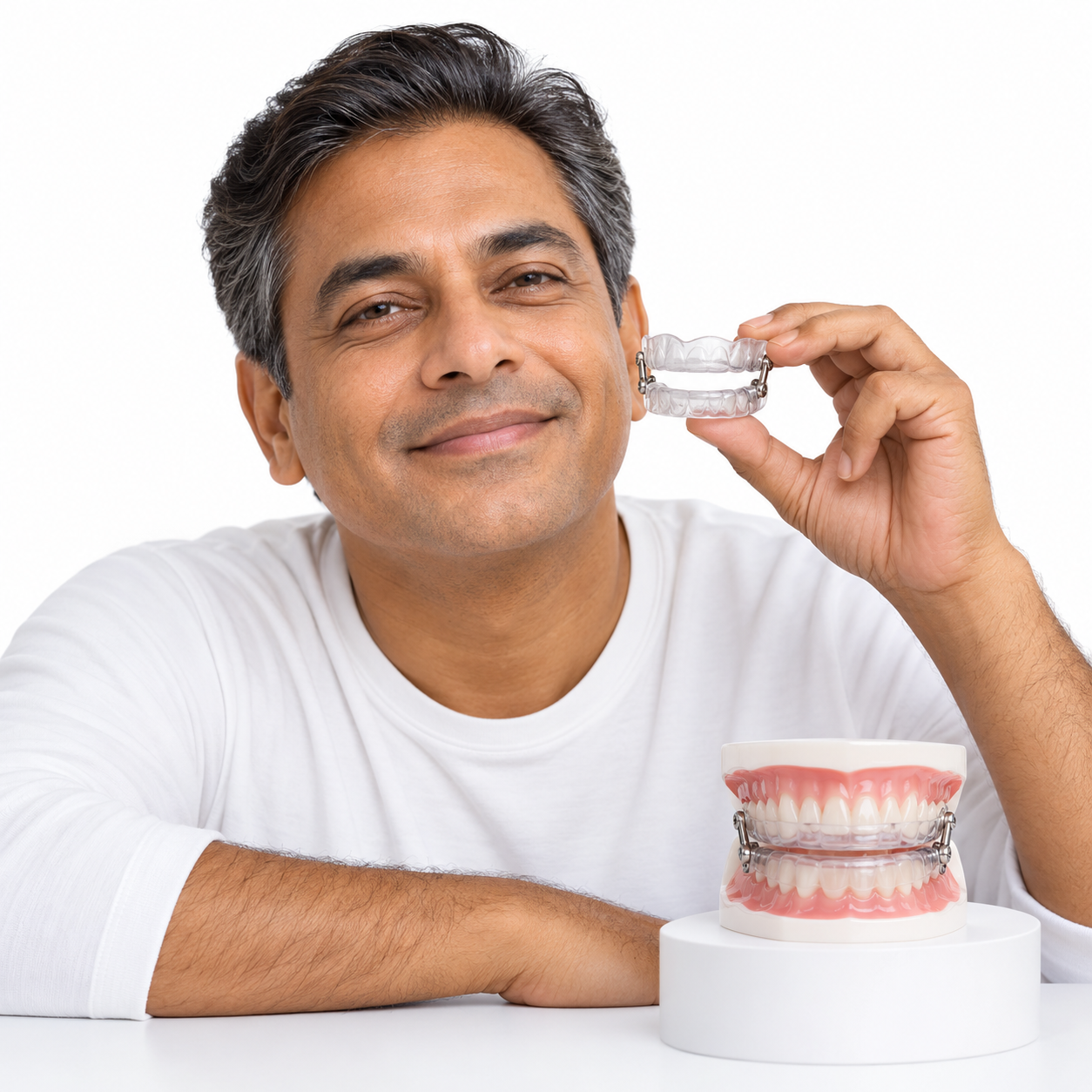
Splint (Custom Night Guard/Occlusal Guard): Prescribed by a dentist to halt active bruxism and protect restorative efforts.
Digital Smile Makeover: Ranges from Rs. 45,000 to Rs. 150,000 depending on the scope of treatment and clinic location.
Porcelain Veneer: Typically ranges from Rs. 12,000 to Rs. 30,000 per tooth, varying based on the quality of ceramic used.
Dental Composites: Averages between Rs. 4,000 to Rs. 8,000 per tooth for direct, single-visit applications.
General Dentist: Ideal for first-time consultations, routine cleaning appointments, or minor composite bonding procedures.
Prosthodontist: Essential for all complex smile reconstruction cases, including veneers and full-mouth restorations.
Endodontist: Required when an exposed pulp chamber needs a root canal before the tooth can be safely restored.
Elective Treatment: Flat smiles can typically be treated on an elective basis, allowing you enough time to properly plan with technology prior to treatment and complete most of the correction needed.
Emergency/Immediate Treatment (Within 24 Hours): Required when patients experience acute pulpitis from severe wear nearing the nerve chamber, or when sharp, worn incisal edges cause painful soft tissue lacerations inside the mouth, resulting in spontaneous pain or bleeding.
Will I have to drill down on my healthy teeth so I can correct my flat smile?
No, you rarely need aggressive tooth reduction. Modern, conservative additive dentistry utilizes minimally invasive direct composite bonding or additive porcelain techniques to rebuild lost incisal length and restore your smile's natural curvature.
Will I feel any pain or discomfort during the aesthetic restorative procedure for my flat smile?
Most of the time, this type of procedure is done under local anesthesia, which makes it almost impossible to feel anything while preparing and placing the new restorations.
How long will your aesthetic restorative procedures for your flat smile last?
High-quality ceramic veneers and crowns can last between 10 to 15 years, depending on how well you take care of them and whether you protect them from nighttime grinding by using a night guard.
There are many considerations involved in achieving long-term success in treating a flat smile. The importance of balance between aesthetic contouring and precision occlusal harmony cannot be overstated. Both are equally important when addressing the root cause of a flat smile. In addition, regular routine maintenance checkups are essential to ensure all newly restored restorative materials remain stable when subjected to their normal functional load.


.jpg)
.jpg)
.jpg)
.jpg)
.jpg)
.jpg)
.jpg)
.jpg)
.jpg)
.jpg)
.jpg)
.jpg)
This site is part of the DEC Dental Network — a Dental Equity & Connectivity ecosystem of clinical, educational, and patient-support brands operated by Team Dental Pvt. Ltd. Our network works as one — guiding you from your first search to your final smile.
© 2026 Team Dental Pvt. Ltd. · Founded 2013, Angamaly, Kochi, Kerala
About DEC Dental