A cracked tooth is defined as an alteration of the structure of a tooth; it can range from very small cracks (microfractures) in the outer layer of the tooth (enamel) all the way down to large splits that extend into the inner layers of the tooth (dentin and pulp).
Cracked teeth are clinically divided into categories:
Superficial Craze Lines: Superficial cracks confined to the outer enamel layer that do not affect function and typically require no treatment.
Broken Cusps: A fractured portion of a tooth's cusp causing moderate pain that can be successfully restored with a dental crown.
Split Teeth: Vertical fractures extending through the entire length of the tooth, separating it into distinct portions; these usually require extraction due to extensive structural damage.
Vertical Root Fractures: A deep split in the tooth that extends into the roots of the tooth.
All these types of cracked teeth compromise the ability of the tooth to withstand biting forces, creating potential pathways for bacteria and irritants to reach sensitive areas inside the tooth.
Clinical Definition: Any structural crack or fracture within a tooth, including both the hard outer layers (enamel and dentin) and soft inner tissues (pulp).
Urgent Symptoms:
Sharp pain when releasing bite pressure
Extreme sensitivity to cold temperatures
Localized gum swelling around the tooth
Recovery Options for Cracked Teeth:
Dental bonding
Porcelain crowns
Root canal therapy
Sharp Pain Upon Release: A sharp pain when releasing your bite—typically a sudden shooting pain caused by the cracked parts snapping back together.
Increased Thermal Sensitivity: Lingering discomfort or pain when drinking hot tea, ice water, or eating sweet foods (such as payasam).
Unpredictable Throbbing: Pain that can be difficult to localize, which can make clinical diagnosis more challenging.
Spontaneous Swelling: Redness and/or pus present alongside an increase in temperature, accompanied by spontaneous swelling of the gums above the infected root area.
Fever: The appearance of systemic signs of infection, indicating that necrotic pulp involvement has spread to the adjacent jawbone and soft tissue.
Segment Loosening: Noticeable mobility or loosening of tooth segments.
Dietary Habits: Consuming hard foods such as unpopped kernels in poha, chewing on ice cubes, or biting down on hard snacks.
Accidental Injury: Physical trauma to the teeth resulting from athletic injuries, accidental falls, or traffic accidents, which are common on crowded streets.
Parafunctional Habits: Chronic bruxism (teeth grinding or clenching) secondary to work or lifestyle stress.
Existing Large Restorations: Teeth with extensive restoration history that have been in place for years but lack sufficient internal structural support.
Cumulative Masticatory Forces: Micro-stress placed upon the enamel matrix by repeated chewing forces over many decades.
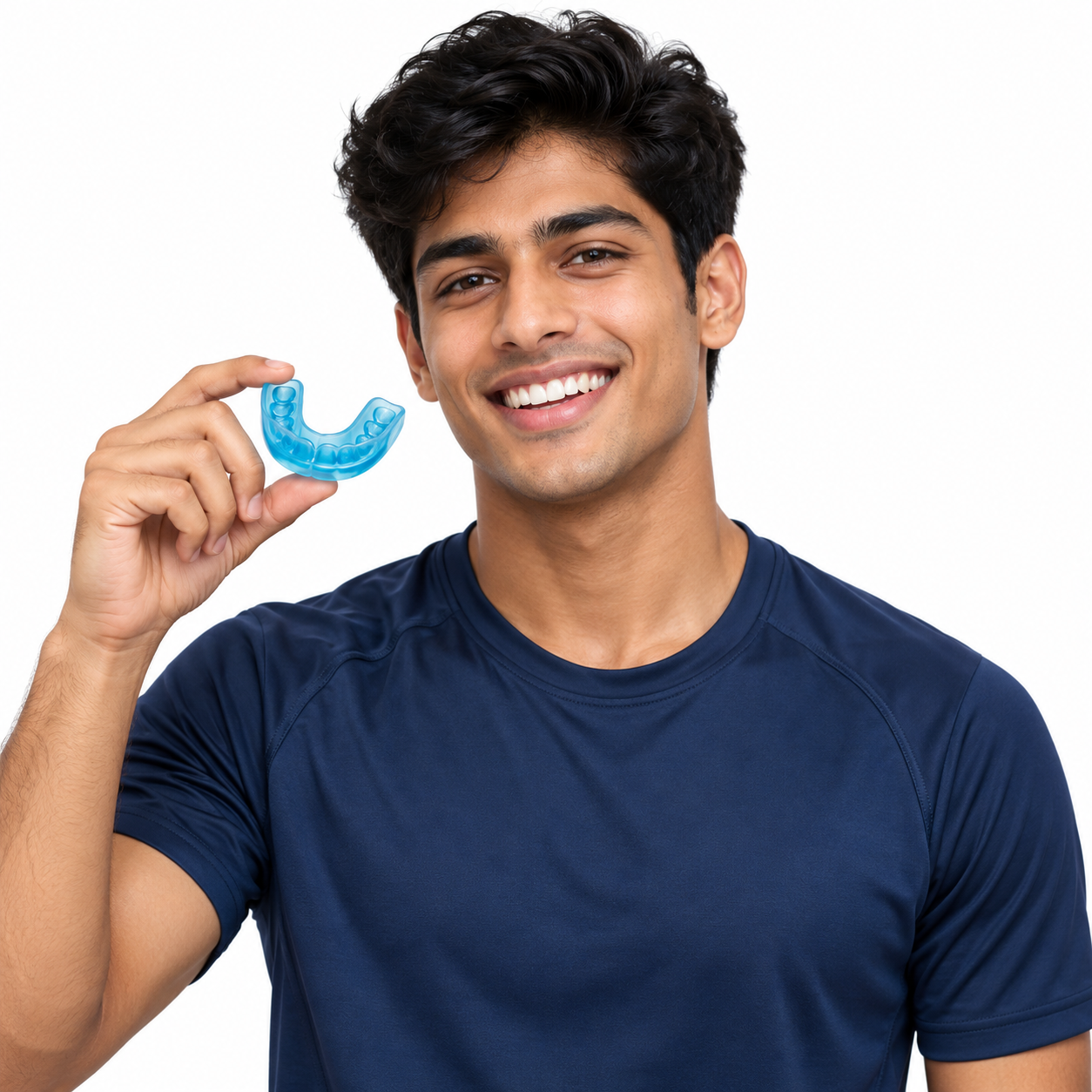
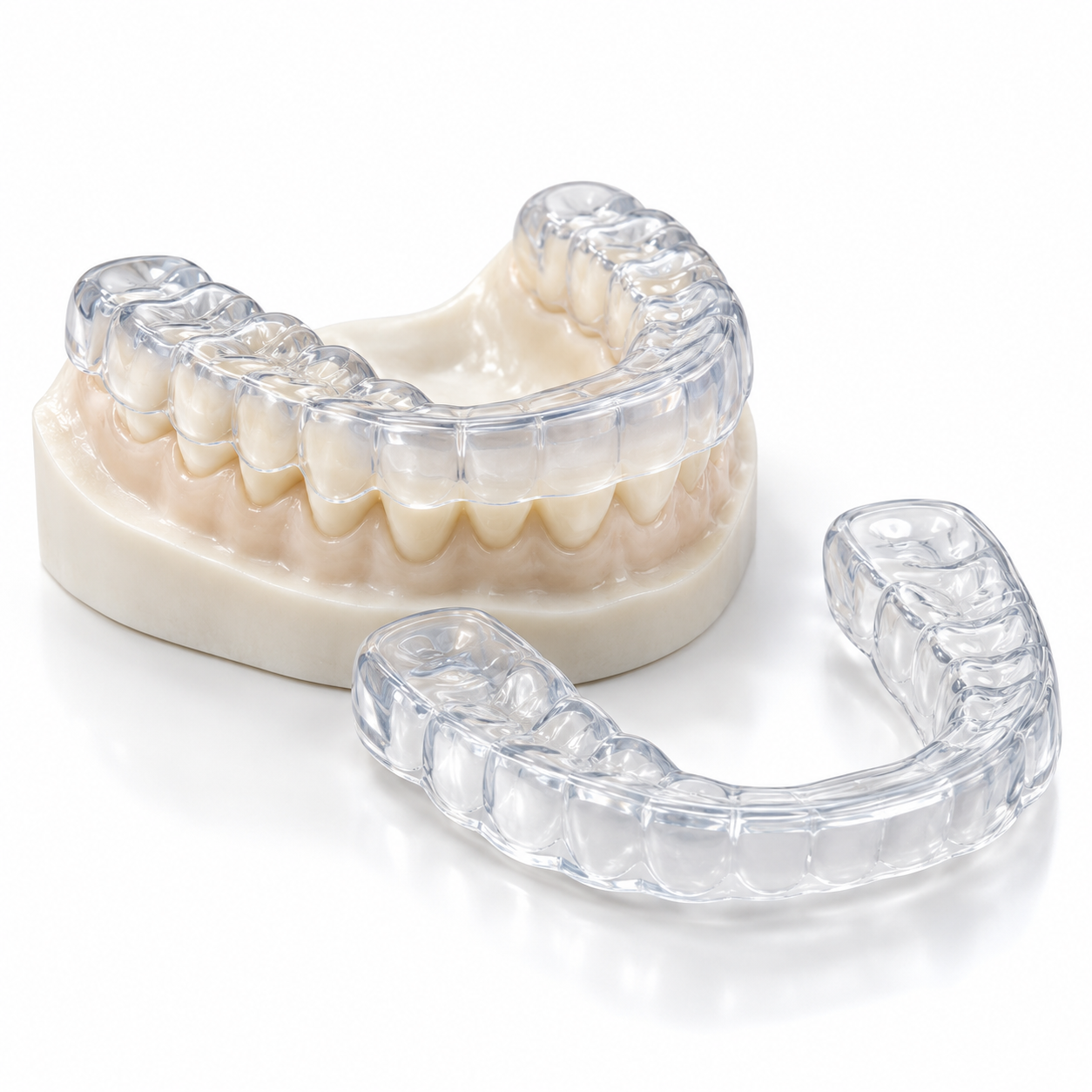
Unprotected High-Impact Sports: Participating in high-contact regional sports without wearing a custom-fitted mouthguard.
Visual Assessment: Stand in a brightly lit area and use a clean mirror to closely inspect the teeth for obvious dark line fractures or broken tooth fragments.
Thermal Sensitivity Test: Carefully sip room-temperature water versus cold water to check for lingering pain or sensitivity linked to temperature changes.
Bite Evaluation: Bite down gently with your teeth onto a clean piece of cotton gauze or a specialized tooth sleuth. If you feel a sharp jolt of pain specifically as you release the pressure, an internal fracture is highly likely.
Internal Fracture Identification: Clinicians utilize direct visual inspection with a specialized dental explorer and high-magnification loupes to spot microfractures.
Transillumination Test: A high-intensity fiber-optic light source is directed through the tooth structure to illuminate and highlight hidden fracture lines.
Radiographic Imaging and Pulp Vitality Testing: Digital periapical X-rays, Cone Beam Computed Tomography (CBCT) scans, and electric pulp tests are performed to evaluate the extent of the damage and confirm the health status of the nerve inside the tooth.
Mild Impact (Craze Lines): Superficial cracks confined to the outer enamel layer that do not affect function and typically require no treatment.
Moderate Impact (Broken Cusps): A fractured portion of a tooth's cusp causing moderate pain that can be successfully restored with a dental crown.
Severe Impact (Split Teeth & Vertical Root Fractures): Deep vertical fractures extending through the entire length or roots of the tooth, separating it into distinct portions; these usually require extraction due to extensive structural damage.
Dental Bonding: Composite resin is bonded directly to the tooth surface to fill minor fissures and craze lines, improving aesthetic appearance.
Dental Crowns: Custom laboratory-made ceramic crowns (porcelain or zirconia) that completely cover and protect weakened structural portions of the tooth.
Root Canal Therapy and Posts: A combination of root canal treatment and internal reinforcement posts used when the crack has penetrated deep into the pulp chamber.
Composite Bonding: Depending on the clinic tier, composite bonding ranges from INR 1,500 to INR 4,000 per tooth.
Dental Crowns: Crowns range from INR 5,000 to INR 18,000 depending on the restorative material used, including Porcelain-Fused-to-Metal (PFM) and full monolithic Zirconia.
Root Canal Therapy: A root canal typically costs between INR 4,000 and INR 10,000 per tooth, varying based on the number of root canals present.
General Dentist: Handles the initial examination and triage, provides emergency stabilization, performs minor composite bonding, and places standard dental crowns.
Endodontist: Consulted when the crack extends into the pulp chamber, specializing in precise root canal therapy to save the affected tooth.
Prosthodontist: Specialized in full-mouth rehabilitation and the design and placement of highly accurate, custom-crafted dental crowns and restorations.
Emergency/Urgent (Within 2 to 4 Hours): Required if the tooth has been severely traumatized with significant bleeding, nerve exposure, or uncontrolled facial swelling.
Recommended (Elective Treatment Within 48 Hours): Indicated if you are experiencing intermittent discomfort from a minor chip or crack in your tooth, provided the pulp is not currently exposed.
Does a cracked tooth fix itself like bones do?
No. Tooth enamel and dentin lack viable cells and cannot regrow or reattach after fracturing, unlike living bone tissue.
Why doesn't my cracked tooth hurt unless I'm chewing?
Chewing applies pressure that opens the micro-fracture; when you release the bite, it snaps shut, pinching the sensitive nerves inside and causing a sharp jolt of pain.
Will insurance cover the cost of fixing a cracked tooth?
Most standard dental insurance plans and healthcare schemes cover restorative procedures when deemed medically necessary, though purely cosmetic bonding work is typically excluded.
There is no better indicator of whether a tooth will survive than how soon after a problem arises you take action. With modern advancements in adhesive dentistry and the use of conservative bioceramic materials, we are now able to repair and restore most damaged teeth without having to remove them. If you experience unexplained pain when chewing or biting down, have your dentist evaluate the situation as quickly as possible. This may help you avoid what could be minor surface-level micro-cracking of the enamel from progressing into a full structural failure of the tooth.


.jpg)
.jpg)
.jpg)
.jpg)
.jpg)
.jpg)
.jpg)
.jpg)
.jpg)
.jpg)
.jpg)
.jpg)
This site is part of the DEC Dental Network — a Dental Equity & Connectivity ecosystem of clinical, educational, and patient-support brands operated by Team Dental Pvt. Ltd. Our network works as one — guiding you from your first search to your final smile.
© 2026 Team Dental Pvt. Ltd. · Founded 2013, Angamaly, Kochi, Kerala
About DEC Dental