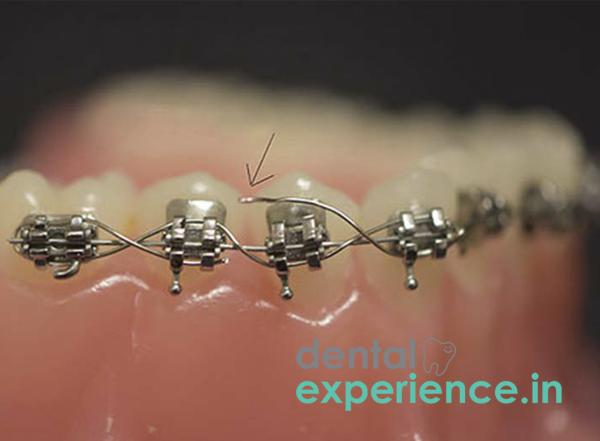
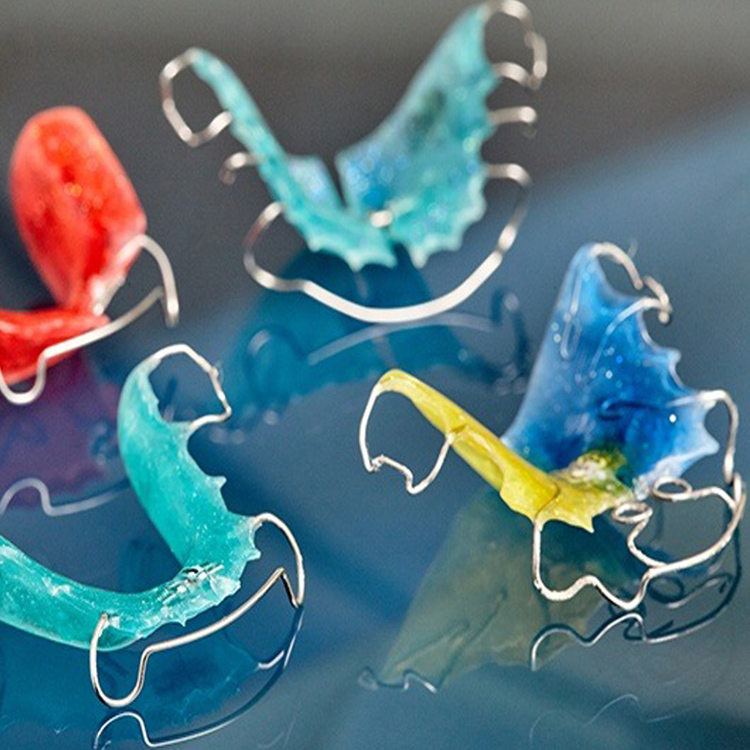
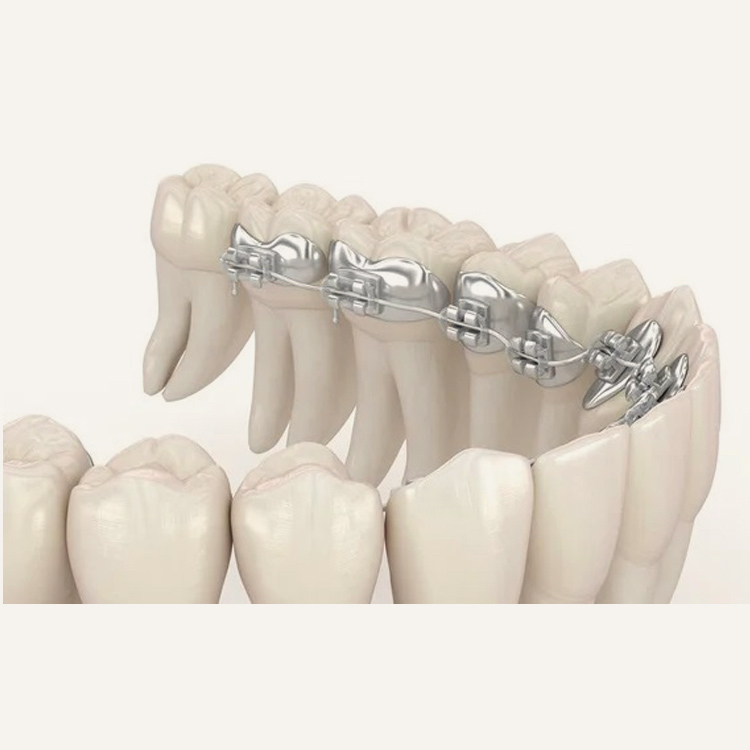
The term "fractured orthodontic appliance" is defined as a structural failure, crack, or snap of a dental device made to either move one's teeth, or alter jaw development. There are many different types of appliances used today, and they are generally classified into two categories. First there are the fixed appliances - such as metal, ceramic or self-ligating brackets, or stainless steel wires. Second, there are removable appliances - such as, but not limited to clear aligners, retainers, and functional appliances. When a component of the appliance such as a bracket becomes debonded from the enamel (the highly-mineralized outer layer of the tooth) or when a stainless steel wire suffers a fatigue fracture; the biomechanical transmission of force to the tooth structure is immediately compromised. As opposed to moving one's teeth in a predictable manner, the broken appliance may apply unpredictable forces to the teeth; compromise the stability of the surrounding periodontium (supportive bone and gum structures); or result in acute injury to the soft tissues in the oral cavity.
Clinical Definition: Mechanical failure, distortion or breakage of fixed or removable orthodontic devices.
Important Indicators of Urgent Treatment: It include sharp points of wire, loosely attached brackets causing a 'float' effect, acute pain, bleeding or an inability to fully close the jaws together.
Treatment Options: Chairside composite resin rebonding, immediate replacement of the fractured archwire, application of protective orthodontic wax, or generating new removable aligners digitally via 3D printing.
Potential Risks: Prolonged treatment times resulting in extended brace wear schedules and an increased risk of localized bacterial infection if sharp, broken components continuously lacerate the protective soft tissues of the mouth.
A fractured orthodontic appliance results in distinct sensory experiences for Patients:
Sensory Experiences: A loose/floaty sensation around a single tooth, a sharp scratching sensation against the buccal mucosa (inner lining of the cheek) or tongue.
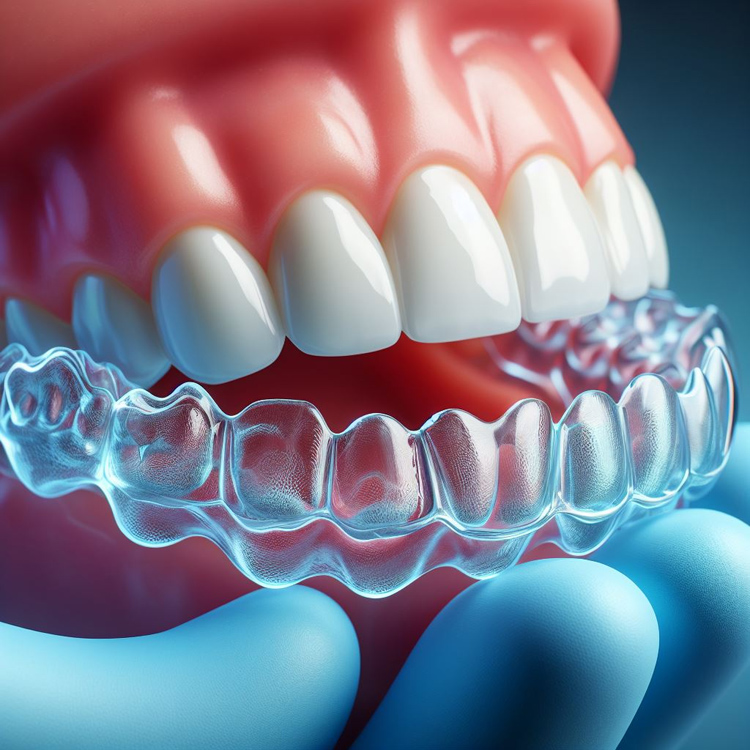
Visual Changes: Complete detachment of a bracket from the tooth surface allowing it to slide freely along the metal archwire or gaps present in a clear plastic aligner.
Pain: Throbbing or sharp pain experienced at the site where a poking wire is contacting the gingiva (gum tissue) and/or micro-trauma resulting in small painful mouth ulcers.
Changes in Function: An alteration in how the upper and lower teeth contact one another making chewing and/or speech uncomfortable.
While losing a bracket is rarely an emergency situation, certain clinical warning signs require prompt attention by the orthodontist to avoid additional soft tissue damage:
Uncontrollable Bleeding: Uncontrollable bleeding originating from areas adjacent to the cheeks, gums, and/or tongue secondary to an embedded or sharp fragment of a broken archwire.
Secondary Infection: Acute swelling of facial tissues and/or localized warmth, presence of purulent exudate (pus) forming at a wound site, and/or an abrupt onset of fever.
Risk of Aspiration: A totally broken, unsecured portion of an appliance that could potentially be aspirated through the airway after falling out of the mouth.
Extreme Tooth Mobility: A sudden, noticeable increase in the movement or loosening of a tooth anchoring a mechanically disrupted appliance segment, indicating potential structural damage to the underlying bone or root.
All orthodontic appliances function under continuous mechanical stress; therefore, fractures occur when specific structural or behavioral stresses act upon an individual appliance:
Overloading due to Masticatory Forces (food choice/dietary habits): Regularly consuming food items that have high rigidity (e.g., hard snack crackers), stickiness (e.g., peanut butter), and/or other characteristics that create uneven masticatory forces causing brackets to shear away from the enamel. Traditional local snacks like sharkara varatti (jaggery-coated banana chunks) and kaya varuthathu (banana chips) consistently create high masticatory shear forces that snap brackets off enamel surfaces.
Fatigue Failure (archwires/micro-attachments): Cyclic loads created by chewing over long periods of time lead to creation of micro-fractures in alloys causing eventual separation at a point along the length of an archwire.
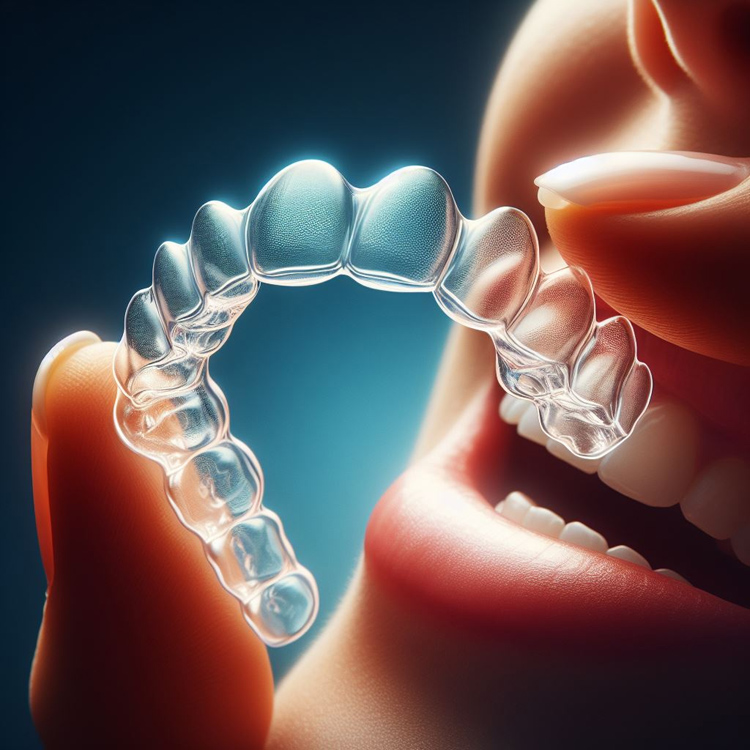
Abnormal Handling of Appliances: During removal/cleaning procedures for removable appliances (clear aligners, etc.) Individuals frequently exceed the elastic limits of plastics causing them to twist/break excessively. Similar damage can also occur while improperly securing/removing some fixed appliance attachments.
Several underlying systemic, behavioral, and anatomical variables can weaken the orthodontic ecosystem and increase the likelihood of appliance failure:
Poor Enamel Quality: Patients with hypomineralized enamel or active microscopic decay exhibit weaker chemical bonds between the composite resin and the enamel matrix, leading to frequent debonding.
Severe Malocclusion: Individuals with deep bites or complex crossbites often accidentally chew directly onto their own lower brackets, mechanically forcing them off the teeth.
Parafunctional Habits: Chronic nocturnal bruxism (teeth grinding) or daytime clenching forces the appliances to endure extreme, unintended vertical and horizontal forces.
Poor Oral Hygiene: Plaque buildup produces acidic byproducts that degrade the resin bonding agents holding fixed brackets in place.
If you suspect your appliance is broken, perform this safe, systematic visual and tactile assessment in front of a well-lit mirror:
Visual Examination: Inspect each bracket. Look closely to see if any metal or ceramic block is rotated, tilted, or separated from the tooth surface.
Tactile Check: Using a clean cotton swab, gently tap the suspected bracket or wire. Do not use your fingers or metal tools. Note if the component moves or slides.
Wire Inspection: Run the cotton swab along the back of your archwire near the molars to see if it has slipped out of its molar band or is poking outward.
Soft Tissue Assessment: Check your inner cheeks and gums for red indentations, scratches, or early ulcer formations.
An accurate diagnosis requires professional clinical evaluation using specialized diagnostic modalities:
Clinical Visual & Tactile Examination: The orthodontist utilizes a dental explorer and mouth mirror to test bond integrity and check for micro-cracks in archwires.
Digital Radiography: Intraoral periapical or Orthopantomogram (OPG) X-rays are taken if the practitioner suspects internal damage to the pulp chamber, root resorption, or if a small piece of a broken bracket is unaccounted for.
Digital Intraoral Scanning: For removable appliance fractures, a 3D intraoral scanner captures a precise digital map of the dentition to evaluate for orthodontic relapse or unwanted tooth drifting caused by the lost structural integrity of the plastic.
Orthodontic fractures are graded systematically based on structural disruption and clinical urgency:
|
Severity Level |
Clinical Presentation |
Required Action Timeline |
|
Grade 1: Superficial / Minor |
Single loose bracket still attached to the module; hairline crack in a clear aligner. |
Elective; schedule within 3–5 days. |
|
Grade 2: Moderate |
Distorted archwire; multiple loose brackets; broken auxiliary springs or rubber bands. |
Semi-urgent; clinical fix within 24–48 hours. |
|
Grade 3: Severe |
Completely snapped archwire protruding into tissue; fractured fixed palatal expander. |
Immediate emergency intervention within 2–4 hours. |
The treatment of a fractured appliance involves contemporary biomaterials, digital technologies and therapeutic biomechanics to provide a renewed function:
Repair Procedures: A fine carbide bur is used to remove the old adhesive layer off the enamel matrix. After this process the enamel is re-etched. Then, a new bracket is attached to the treated enamel surface with a moisture-resistant and fluoride-releasing light-curable composite resin.
Replacement of the Arch Wire: Damaged archwires are extracted and replaced with modern shape-memory alloy wires, such as nickel-titanium (NiTi), which provide constant, gentle forces to guide teeth back into alignment.
Digital 3D Re-fabrication of Broken Aligners: When a broken aligner needs to be replaced, the dentist accesses the patients' digital treatment plan stored on the web-cloud and instantaneously prints a new aligner using biocompatible photopolymer resins via digital 3D printing.
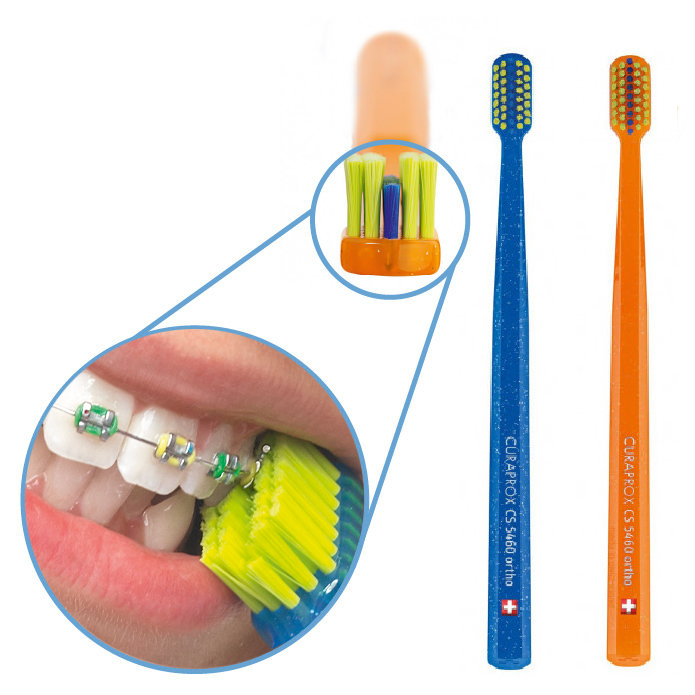
Soft tissue care: Temporary protection against irritation due to sharp edge fragments is provided by applying orthodontic wax made from medical grade materials onto the exposed parts of the appliance. This protects the tissue until a final repair is possible.
There are significant variations regarding cost of appliance repair among private dental clinics in Kerala; both depend upon the type of material chosen and severity of damage to the appliance.
Rebonding of Single Bracket: ₹500 to ₹1500 (metal) | ₹1500 to ₹3000 (ceramic/self-ligating)
Replacement of Arch Wire (single arch): ₹1200 to ₹3500, dependent on choice between normal stainless steel and premium heat activated NiTi wires.
Replacement of Aligner Tray: ₹3000 to ₹7000 per tray, dependent on lab charges and digital 3D-printing requirements.
On occasion routine appliance wear-and-tear repairs are covered within the patient's original orthodontic comprehensive treatment package. In contrast, any structural damage resulting from obvious dietary noncompliance or trauma usually requires out-of-pocket payment. Standard cosmetic and orthodontic treatments are rarely included within standard Indian government health schemes; however, many corporate tertiary insurance plans may reimburse part of the cost for accidental traumatic damage.
General Dentist: Can clip a long wire that has poked through, remove a fully loosened bracket, or apply temporary protective wax in an emergency.
Orthodontist: Primary specialists needed for all fixed and removable appliance problems. Only an orthodontist is qualified to recalculate force vectors and safely modify arch-wires.
Oral Surgeon/Endodontist: Specialized intervention required if trauma causes a cracked tooth root or damaged pulp chamber (Endodontist), or results in severe soft-tissue lacerations requiring advanced suturing within the oral cavity (Oral Surgeon).
All fractures must be addressed as soon as possible in order to avoid orthodontic relapse:
Emergency (2–4 hours): Wires snapped into oral tissues or broken expanders which cause difficulty swallowing or closing the mouth.
Urgent (24–48 hours): Broken components near the major anchoring teeth (molars), which causes the wire to twist and potentially injure adjacent teeth.
Scheduled Visit: Loose bracket on solitary anterior tooth that does not involve any injury to surrounding soft tissue.
What shall I do immediately if a braces wire breaks and pokes my cheek at home?
Gently dry the area with a clean tissue. Cover the sharp tip with a generous piece of medical-grade orthodontic wax to protect your cheek from further irritation. If the wire continues to cause severe pain, do not attempt to forcibly bend it yourself; instead, contact your dental clinic immediately for an emergency appointment to have the wire safely clipped.
Can I continue to use my clear aligner even if it develops a small hairline crack?
If the crack is slight and the aligner still fits perfectly without deforming its shape, you might temporarily continue to use it and notify your orthodontist. However, if the crack splits across the biting surface, it becomes structurally unsound and cannot properly move your teeth; thus, it requires immediate replacement.
Will a broken bracket delay my total orthodontic treatment time?
Yes. Each week that a bracket remains unbonded or a wire is fractured, active monitoring ceases. Affected teeth can quickly begin drifting backward and can extend one to two months additional treatment time for every single instance of neglected breakage.
Appliance compliance and physical integrity are foundational to achieving predictable orthodontic outcomes. From a clinical perspective, a fractured component is not merely an inconvenience—it is a suspension of therapeutic forces that can jeopardize the health of the periodontium and bone.
In our regional practice, we observe a higher incidence of bond failure linked directly to regional dietary habits involving dense, unyielding traditional foods. Patients must treat their orthodontic appliances as highly calibrated medical instruments. Immediate communication with your clinical team following any structural compromise prevents localized relapse, minimizes soft tissue trauma, and ensures that your journey to optimal dental occlusion stays firmly on schedule.



.jpg)
.jpg)
.jpg)
.jpg)
.jpg)
.jpg)
.jpg)
.jpg)
.jpg)
.jpg)
.jpg)
.jpg)