Painful headaches caused by dysfunction of the temporomandibular joint (TMJ) and teeth — referred to clinically as temporomandibular disorders (TMD) — are the result of neuromuscular imbalance in the craniomandibular complex. In addition to being a sliding hinge that connects your jaw bone to your skull, the TMJ is surrounded by the masseter and temporalis muscles. Dental malocclusion (a misalignment of the bite), nocturnal bruxism (grinding of teeth), and displacement of the joint create continuous stress on the muscles, leading to trigger points within those same muscles. As a result of these trigger points, the pain generated radiates along the trigeminal nerve pathways, creating tension headaches or false migraines across the temples, forehead, and neck area.
Clinical Definition: Pain and dysfunction in the myofascia and joints of the craniomandibular complex radiating through the trigeminal nerve.
Red Flag Indicators: Sudden loss of ability to open or close the mouth (lock jaw), sudden sharp click with extreme pain of the joint, or unexplained facial asymmetry.
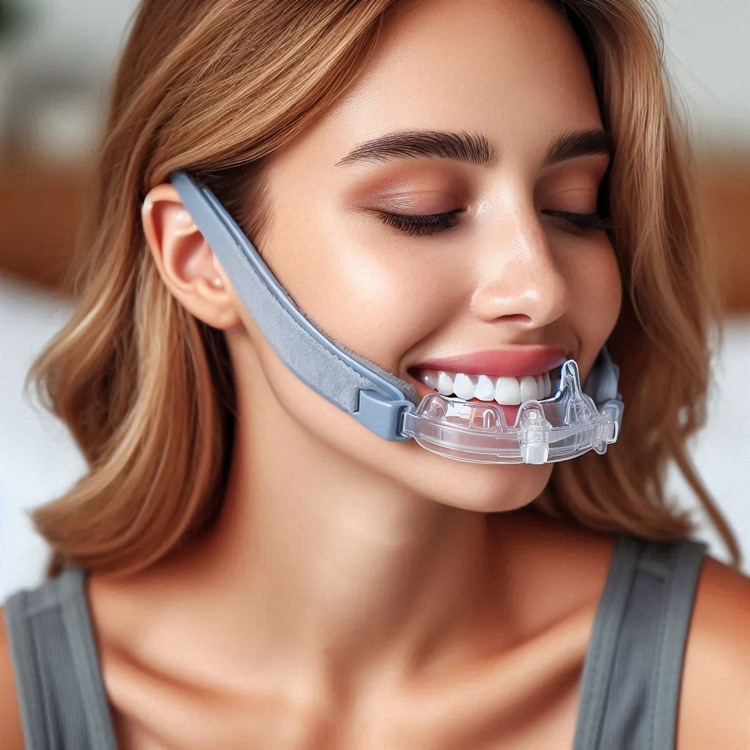
Common Recovery Options: A customized bite splint (night guard), an occlusal adjustment, physical therapy, trigger point therapy, and a prosthodontic correction to align the upper and lower jaws.
TMJ headaches are different from most other types of headaches because patients feel them physically and can describe them as follows:
Temple Headache: Dull aching pain on each side of the head in the temple area that is constant tightening; usually mistaken for sinus or stress headache which worsens when awakening.
Clicking/Popping Jaw Joint: Audible clicking/pop sounds occurring within the joint during mastication (chewing) such as eating foods that are sticky like ada/unniyappam.
Fatigue: Fatigue/tiredness in the masseter muscle and extending into the shoulder/trapezius areas.
Ear-Related Discomfort: Feelings of ear fullness, some ringing in the ears (mild tinnitus), or occasional earache without having an ongoing otolaryngology (ENT) infection.
Sensitivity Of Teeth: Generalized sensitivity across several posterior teeth with no dental caries present, caused by referred pain.
If you notice any of the following warning signs, seek emergency evaluation immediately:
Locked/Open Jaw: Your jaw locks in an open or closed position due to displaced articular discs.
Trismus (Severe): Unable to open your mouth wider than allowing two vertical fingers to enter (less than 35 mm opening).
Neurologic Problems: Numbness, tingling, or weakness spreading across one or both sides of the face including cheek, lip, and/or neck.
Changes In Biting Relationship: Sudden change in relationship between the upper and lower teeth so they do not come together correctly.
The causes for TMD include:
Occlusal Disharmony: In some cases, uneven teeth with different heights or even a lack of molar teeth can create an imbalance of how much effort is required of the jaw muscles. This creates additional strain and tension upon the joint as it continues to try and make up for this deficit.
Pathologic Bruxism: The habitual act of clenching and grinding that occurs due to stress and/or sleep apnea puts additional forces on the soft tissue of the joint.
Trauma: A direct injury to the jaw/neck/chin area from either an accident or being injured while playing a sport.
Degeneration Of Joint Capsules (Osteoarthritis/Rheumatoid Arthritis): Both types of disease cause inflammation of the synovial membrane and erosion of the articular cartilage covering the mandibular condyle and articular eminence, ultimately leading to degenerative changes within the temporomandibular joint.
Risk factors for developing TMD include:
Diet-Related Stressors: Consuming very hard or chewy food items, (for example—very tough meat/raw coconut pieces/tapioca/kappa), on a regular basis.
Chronic Stress: High levels of stress throughout your day may trigger you to involuntarily tighten your muscles and clenches your jaw.
Posture: Forward head postures created through working at desks for long periods of time will put additional strain on both your neck and jaw alignment.
Gender/Hormonal Influences: TMJDs occur far more frequently in females aged 20-40 years than males, specifically related to increased ligamentous laxity (stretchiness) and hormone fluctuations.
A safe preliminary inspection may be performed at home with some basic techniques:
Three Finger Test: Try placing the top of three stacked fingers (the index finger, middle finger and ring finger) vertically inside your mouth. If it hurts or is difficult to do this then there is restricted mobility.
Palpate Joints: Using your index fingers just in front of your ear canals place them near the opening of your mouth. Now move your jaws from closed to open. Note for unevenness of movement, popping or sharp tenderness as these are indicators that something is amiss with the joints.
Check For Tenderness Of Jaw Muscles: Using a firm touch press against the cheek muscles (masseter), when you are biting down on your back molars. If they hurt it could indicate that your jaw muscles have been fatigued chronically.
Symmetrical Movement With Mirror: While looking in a mirror slowly open your mouth. Observe if your bottom jaw tends to lean towards one side instead of going straight down.
Important Warning: Do not force your jaw open if you feel sharp pain or resistance.
Dentists follow a methodical approach using an objective clinical analysis for diagnosing TMJ disorders:
Manual Palpation Of Joint And Muscles: The temporalis, masseter and lateral pterygoid muscles will be palpated manually by the dentist to identify potential sites of "trigger points" where pain or discomfort originates.
Occlusal Evaluation: A digital occlusal registration (T-Scan) or articulating paper may be used to determine if there are areas of the teeth which make contact but are not making even contact, creating possible irritation of the temporomandibular joint.
Computed Tomography (CT) Scan/CBCT: A high resolution 3-D image of the bony structures of the mandible, including the TMJ, will be produced so the dentist can visualize and measure the TMJ space, evaluate for loss of the condyle and other anatomical landmarks associated with TMJ pathology.
Magnetic Resonance Imaging (MRI): In selected cases an MRI is ordered to evaluate the position of the soft tissue disc within the TMJ.
|
Severity Level |
Grade |
Characteristics |
Typical Approach |
|
Mild |
Stage 1 |
Occasional morning temple tightness; painless joint clicking; full range of motion. |
Lifestyle modifications, stress management, soft diet. |
|
Moderate |
Stage 2 |
Frequent weekly headaches; painful clicking/popping; mild restriction in jaw opening. |
Custom nightguards, physical therapy, occlusal adjustments. |
|
Severe |
Stage 3 |
Daily debilitating headaches; jaw locking episodes; joint degeneration on CBCT scans. |
Advanced prosthodontics, trigger point injections, joint arthrocentesis. |
In addition to the modern use of advanced treatments for TMJ, such as surgical options; we have developed several conservative treatment options that should be utilized prior to consideration of surgical intervention:
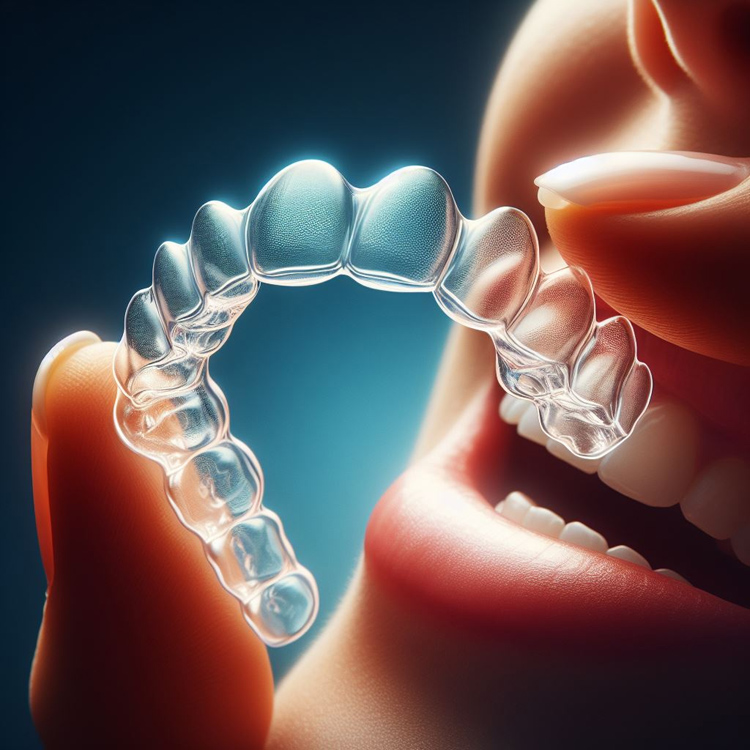
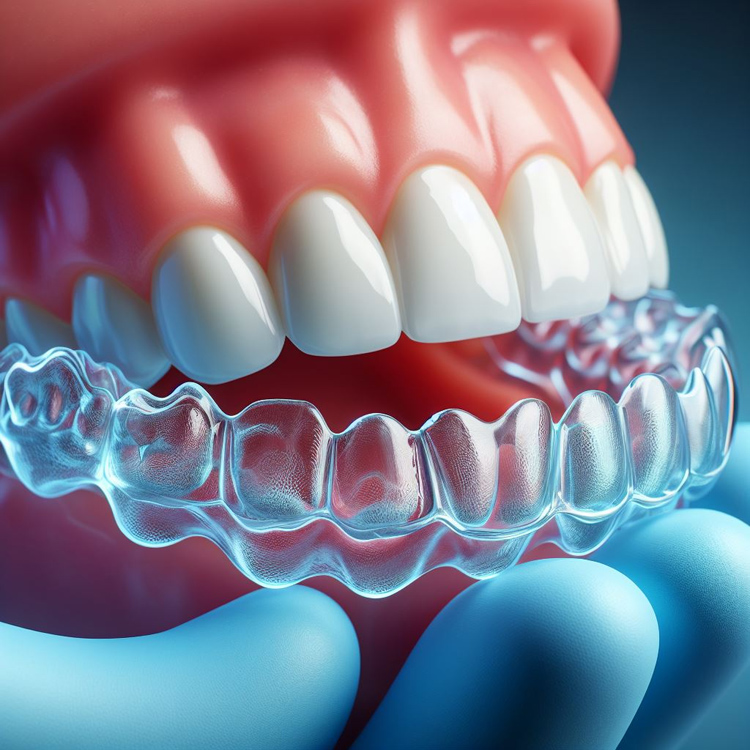
Custom 3-D Printed Stabilizing Appliances: Custom occlusal splints can be designed with the use of hard acrylic materials. These are designed to be used while sleeping so as to unweight the joint and relax the muscles of mastication.
Dry Needling & Physical Medicine & Rehabilitation Therapy: The application of focused physical medicine & rehabilitation techniques including but not limited to dry needling can assist in relieving tension in the masseter muscles.
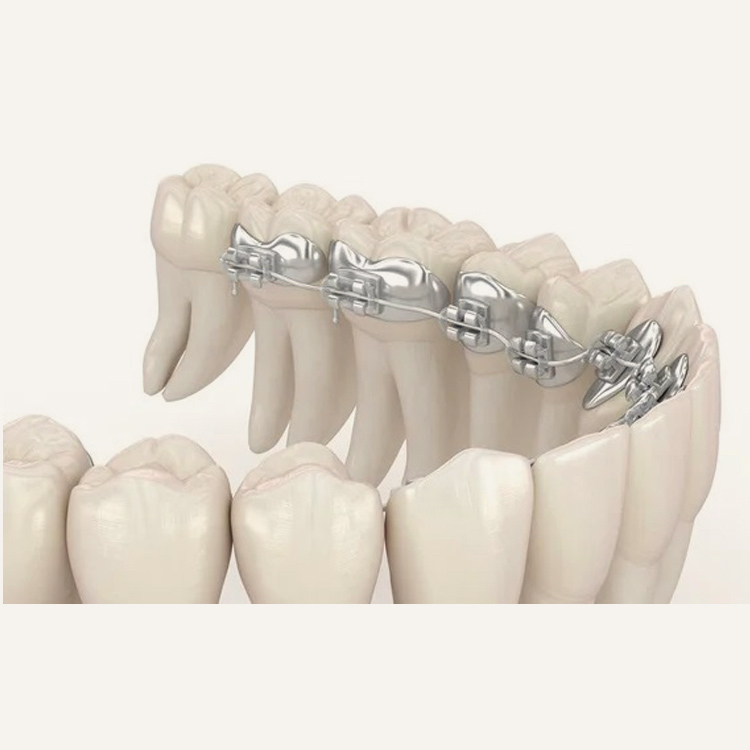
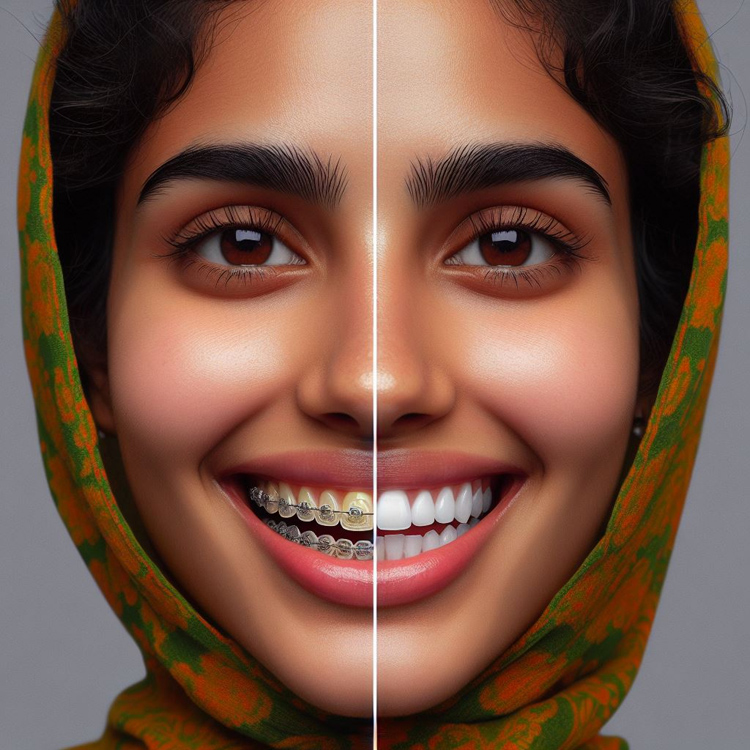
Re-Establishment Of Normal Occlusal Relations: Replacement of missing dentition or placement of crowns and/or aligner systems to allow for normal function of the musculature associated with chewing and swallowing.
Botulinum Toxin (Botox) Injections: Medical grade botulinum toxin can be administered via injection into the masseter muscles to provide temporary relief from symptoms of chronic muscle spasm.
Arthrocentesis: Arthrocentesis is a minimally invasive procedure where inflammatory fluid within the joint space can be flushed out.
Estimated out-of-pocket expenses for TMJ related treatment will vary depending upon which facility in Kerala you visit, however here are estimated costs for each treatment option:
|
Procedure |
Average Out-of-Pocket Range (INR) |
|
Diagnostic Consult & Digital Bite Analysis |
₹500 - ₹2,000 |
|
CBCT Joint Imaging |
₹2,000 - ₹4,500 |
|
Custom 3D-Printed Splint/Nightguard |
₹3,500 - ₹10,000 |
|
Botulinum Toxin (Botox) Masseter Therapy |
₹15,000 - ₹30,000 per session |
|
Prosthodontic/Orthodontic Comprehensive Rehabilitation |
₹1,50,000 - ₹6,00,000+ |
Insurance Coverage: Unfortunately, there is very little insurance coverage available in India for dental related TMJ treatment. Therefore patients may require either private health insurance top-up options or utilize an out-of-pocket payment plan.
Dentists: Initial screening, diagnosis of most common causes of TMJ dysfunction and fabrication of a simple "night guard".
Prosthodontists: Complex bite reconstructions; analysis of TMJ joint motion; fabrication of custom TMJ splints.
Oral Surgeons: Performing arthrocentesis on the TMJ as well as performing surgery when necessary on the TMJ.
Pain Management/Physiology Therapies: Managing chronic nerve pain associated with TMJ dysfunction; rehabilitation of specific muscles involved in TMJ dysfunction.
Emergency (Within 2-4 Hours): Acute inability to close or open your mouth due to jaw locking; acute trauma. See an urgent care facility or hospital emergency department.
High Priority (Within 24-48 Hours): Severe headaches along with sharp jaw pain which is preventing you from sleeping through the night or from consuming soft foods. Schedule an appointment with the dentist within 24 to 48 hours.
Why do most of my temple headaches get much worse at the beginning of each day after waking up from sleep?
The most common indicator for morning temple headaches is nocturnal bruxism (clenching or grinding your teeth during the night) which causes excessive fatigue and significant inflammation of your temporalis and masseter muscles as you unconsciously contract these muscles throughout the entire night.
Can one bad crown or missing back tooth cause TMJ headaches?
Yes. When there is an improperly fitting crown or a missing molar it will alter the way your teeth fit together; this alters the way your jaw functions to accommodate the new bite forcing the jaw joint and muscles to work longer hours and create chronic tension headaches.
How long will I have TMJ headaches? Will they ever go away?
Although many TMJ disorders are chronic conditions most can be successfully treated without surgery. Most people experience relief using a custom night guard, bite correction and some simple lifestyle adjustments.
Headaches caused by TMJ disorder are often diagnosed incorrectly as either chronic tension headaches or migraines resulting in many patients being placed on unnecessary, long term medication. The most important factor in diagnosing TMJ disorders is conducting a thorough examination including a complete bite evaluation along with utilizing modern 3-D imaging technology. Conservative treatment options such as custom fabricated splints, physical therapy and bite balancing have shown very good results with a low need for surgery.




.jpg)
.jpg)
.jpg)
.jpg)
.jpg)
.jpg)
.jpg)
.jpg)
.jpg)
.jpg)
.jpg)
.jpg)
.jpg)