Smiling is one of the most expressive actions we use as humans, yet achieving a harmonious smile depends upon the precise architectural arrangement of our lips, teeth and the gingiva (gums). Cosmetic dentistry categorizes these relationships through what is known as the "smile line," defined as the relative position of the lower border of the upper lip to the upper teeth as a patient smiles as broadly and naturally as possible.
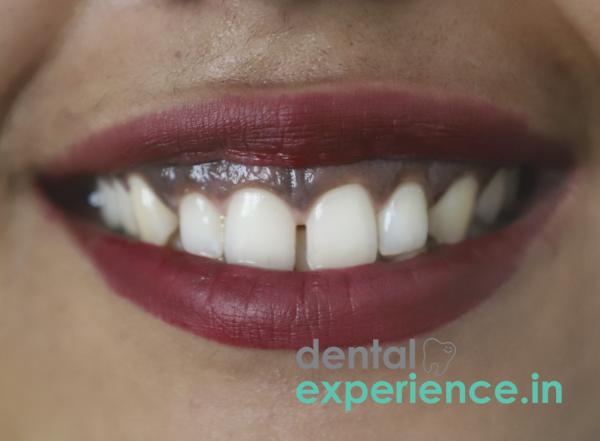
When a patient displays a high smile line, a considerable amount of gum tissue is visible above the top teeth. Only a standard smile will show just the tiny triangular strips of gum between each of the teeth (interdental papillae); while a high smile line will reveal all of the upper gum tissue. Patient complaints about having too much gum showing usually involve more than two to three millimeters of gum being exposed. High smile lines greatly affect the perception of both the length and the shape of the teeth. Patients who have healthy but relatively short or square-shaped teeth, often due to an aesthetically disturbing high smile line, believe their teeth are too short.
High Smile Line Definition: More than 2-3mm of upper gum tissue is visible during a full smile.
The Main Issue: The apparent length of the teeth is altered, often creating the illusion that they are smaller or stunted, though they were formed normally.
Main Causes: Overly active lip muscles, an overly developed vertical jawbone, or delayed passive eruption (teeth emerging late into the mouth).
Key Treatment Options Available in Kerala: Range from simple laser gum contouring and Botox to advanced computerized smile designs, orthodontics, or surgically lowered lips.
Take-Away Message: Gummy Smiles are typically cosmetic issues rather than emergencies. Modern cosmetic dentistry has provided a number of methods for restoring structural balance.
Gummy Smiles are recognized by observing how well the soft-tissue frames the hard-tissues within the mouth. The primary sign of a gummy smile is that pink gum tissue appears superior to white tooth enamel when laughing or smiling very broadly. Many patients observe that their upper teeth appear buried or considerably shorter than average, regardless of their strength and health. These imbalances negatively affect the overall shape of the smile resulting in either an asymmetrical appearance or a heavy feel at the top of the mouth. Some patients experience short upper lips or teeth that tilt outward which can make the gum exposure even more noticeable.
A gummy smile doesn't damage your teeth. However, you would benefit from consulting with a professional if you begin to lose confidence and inhibit your laughter or hide behind your hand when in public situations.
In terms of clinically related concerns, you may want to schedule an appointment with a professional if your excessive gum display results from an underlying skeletal problem—such as an over-developed upper jaw—that could also result in bite problems, xerostomia (dryness) secondary to difficulty closing your lips completely, or articulation issues.
There are three different anatomical systems used to understand why people develop gummy smiles and/or how to treat them: Teeth, Lips, Jaw Bone.
Delayed Passive Eruption: Teeth naturally emerge out of bone and then gums recede to their correct positions as children grow. If this process slows down, there is insufficient recession of gums allowing the gums to remain on too much of the enamel of the teeth producing an excessively short tooth and gummy appearance.
Hypermobile Upper Lip: If the muscles controlling the upper lip are overly active, they elevate the lip to a higher point than normal when a patient smiles increasing the exposure of healthy gums.
Vertical Maxillary Excess (VME): Skeletal deformity characterized by an excessively long upper jawbone forcing the entire dental structure downwards.
Worn Down Teeth (Attrition): Due to extreme teeth grinding or attrition there is less visible length of teeth providing a greater contrast of gums appearing larger compared to the reduced size of the teeth.
While anyone can exhibit a high smile line, certain genetic factors and lifestyle choices increase an individual's chance of developing one. Family history of jaw misalignments or large gums is the greatest risk factor.
Skeletal patterns present in specific ethnic groups can contribute to an increased incidence of vertical maxillary excess. Bruxism (severe nighttime grinding) is another significant risk factor since it continually wears down tooth length thereby incrementally decreasing the proportion between the teeth and visible gum line over time.
You can easily determine your own smile form at home using a mirror and a camera. Take a picture of yourself smiling as broadly as possible without straining and look directly at the camera.
Look straight at the area immediately above your front teeth. Can you clearly see a thin ribbon of pink gum or a wide strip of tissue covering more than half of the height of your front teeth? Next examine the proportions of your central incisors. Are they shaped like vertical rectangles or small squares? If your central incisors appear as vertical rectangles or wider than tall, it likely means that gums are hiding important portions of your tooth anatomy.
The only way to obtain an accurate diagnosis is through a complete clinical examination conducted by a cosmetic dentist. The dentist will record your actual gum display using a periodontal probe. The dentist will also evaluate your upper lip dimensions at rest and during your maximum ability to smile to determine your lip movement capabilities.
Three-dimensional imaging studies (digital radiographs or cone beam CT) will allow you to visualize your bone levels and assess where your tooth roots lie within those bone levels so he/she can accurately identify if your gummy smile is caused by gum tissue, tooth alignment or jaw genetics.
Cosmetic clinicians rank high smile lines based on how far beyond the ideal aesthetically pleasing zone the gums are displayed:
|
Classification/Severity |
Exposure Amount Above Ideal Zone |
Typical Cosmetic Dentist Response |
|
Mild |
Between 2mm - 4mm |
Localized laser gum sculpturing or injection(s) with Botulinum toxin. |
|
Moderate |
Between 4mm – 6mm |
Crown lengthening along with porcelain veneers. |
|
Severe |
More than 6mm |
Surgically lowered lips or corrective jaw surgery. |
Once you decide how you want to address your high smile line, modern dentistry provides several treatment options suited to the root cause:
Gum Sculpting/Laser Gingivoplasty: When caused by underdeveloped teeth, dentists use a special dental laser to sculpt away excess gum tissue and alter the shape and length of the teeth to improve aesthetic appeal.
Surgical Lip Lowering: An office-based procedure in which surgeons modify muscle attachments in the upper lip to prevent excessive elevation of the lip.
Veneers/Porcelain Crowns: Typically done in conjunction with gum sculpting, veneers reshape and extend damaged/worn teeth improving aesthetics.
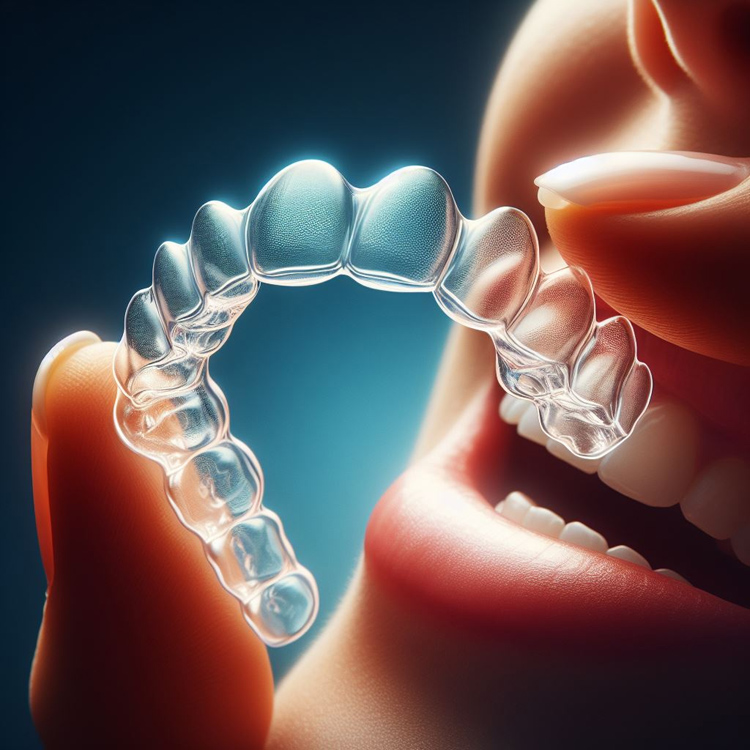
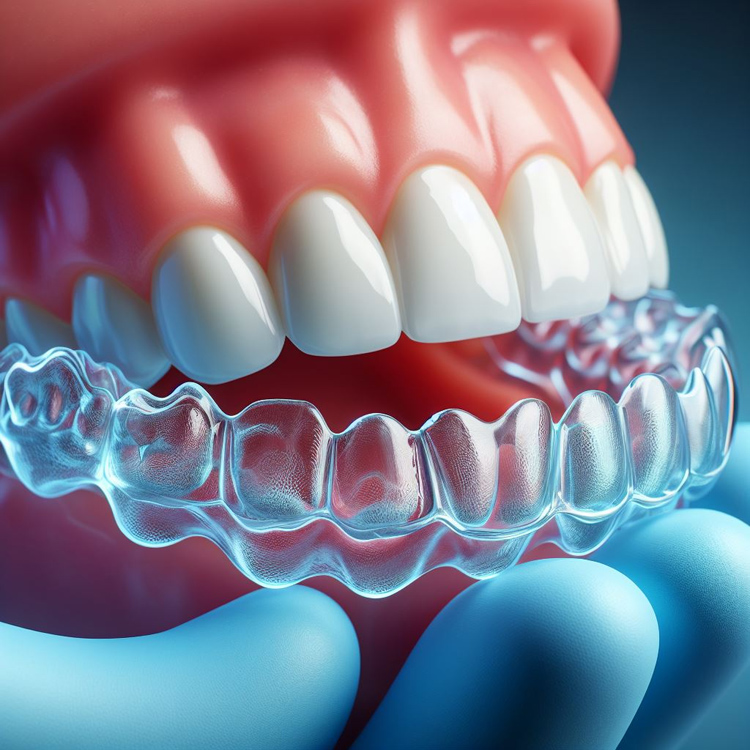
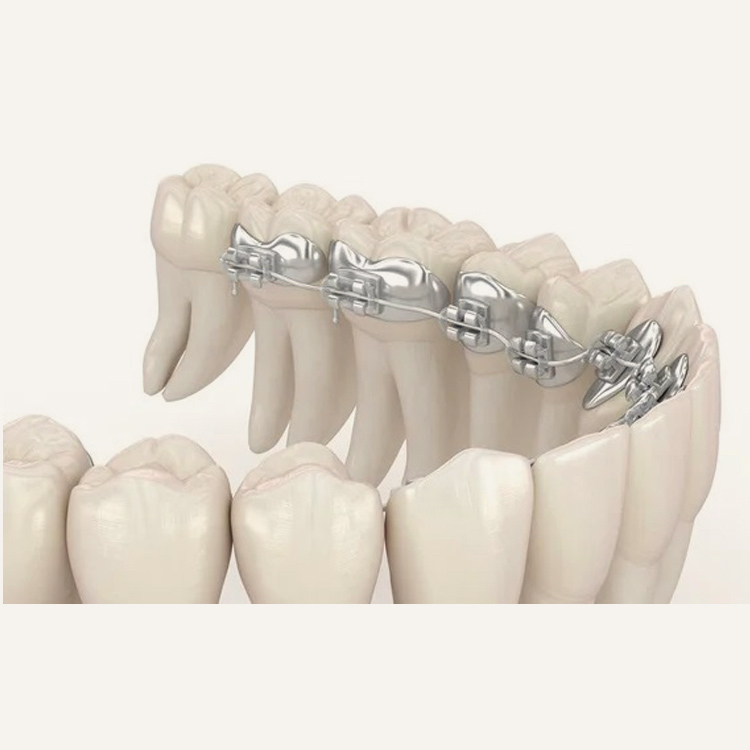
Orthodontics: Brackets or clear aligners move forward the upper teeth to naturally raise gum level.
Prices for treating high smile lines in Kerala vary significantly based on the treatment method selected. Laser gum sculpting performed in-office usually ranges from Rs. 5,000/-to Rs. 15,000/--depending on how many teeth need to be treated.
For cases requiring extensive crown lengthening combined with high-end porcelain veneers to elongate and properly shape damaged/worn teeth, costs can range from Rs. 15,000/-to Rs. 35,000/-per tooth. Advanced surgical procedures including lower lips/lower jaw reconstruction can cost Kerala residents anywhere from Rs. 40,000/-to Rs. 1,500,000/-as needed.
Restoring symmetry to a high smile line requires both artistry and expertise in oral surgery. Although a general dentist can diagnose a high smile line, treatment should ideally be handled by a cosmetic dentist or a Periodontist (an expert in both gums and bones).
Additionally, for cases needing reconstructive jaw surgery to rectify severe jaw malalignment, an Orthodontist/Oro-Maxillo-Facial Surgeon may become part of your care team to ensure that any modifications made to your smile line also help maintain proper occlusion/bite formation.
Although addressing a high smile line isn't medically urgent —because it's viewed as merely an aesthetic complaint —you'll have ample time to find a qualified dentist/research financing/take whatever time you need before scheduling treatment unless you're experiencing rapid progression of severe tooth loss due to grinding, or if your jaw protrudes severely enough that you cannot close your mouth sufficiently to keep your lips together causing chronic dryness and potential gingivitis inflammation due to inadequate closure.
Can porcelain veneers fix my high smile line by themselves?
Porcelain veneers can help adjust the shape or size of your teeth; however, if you have an extremely low gum line, then veneers need to be combined with Laser Gum Contouring so your smile will look realistic.
How much pain does laser gum contouring cause?
None. Modern laser gum contouring is done using topical anesthesia, and because the advanced dental lasers seal the tissues while they are cutting, there is very little discomfort after the surgery, and recovery time is typically short.
Will my high smile line improve with age?
Yes, to some extent. With aging, the skin of the upper lip will lose its elastic properties and tend to sag down toward the chin over many years, reducing the amount of gum seen when smiling.
From an aesthetic perspective, a high smile line showcases the deep connection between oral anatomy and human confidence. When managing a high smile line, it is vital to remember that success is not just about cutting away gum tissue—it is about restoring the natural proportion between the length and width of the teeth.
Every patient across Kerala presents a unique anatomical profile. By utilizing advanced diagnostics like digital smile design, modern periodontists can precisely map out transformations that respect the natural boundaries of the mouth, providing predictable, life-changing results that look entirely natural.





.jpg)
.jpg)
.jpg)
.jpg)

.jpg)
.jpg)
.jpg)
.jpg)
.jpg)
.jpg)
.jpg)
.jpg)