The TMJ is made up of an articulating disc that is surrounded by several muscles, including the masticatory muscles, with each component working in conjunction to allow for chewing and speaking. The TMJ is a joint connection where the mandible connects to the cranium and is dependent upon all components of the unit functioning properly. If there is a failure or inflammation within this system, this can result in Temporomandibular Disorder (TMD), which can cause jaw pain. Jaw pain can be localized, such as when impacted third molars are present or due to some other dentoalveolar issue, but it can also be related to craniomandibular dysfunction that affects nerve-function pathways.
Clinical Definition: Jaw pain is the acute or chronic pain involving either the TMJ, masseter muscles, or trigeminal nerve distribution.
Urgency Indicators: Inability to open the jaws beyond the width of two fingers (trismus), sudden facial asymmetry, high fever, or severe radiating pain to the ears and neck.
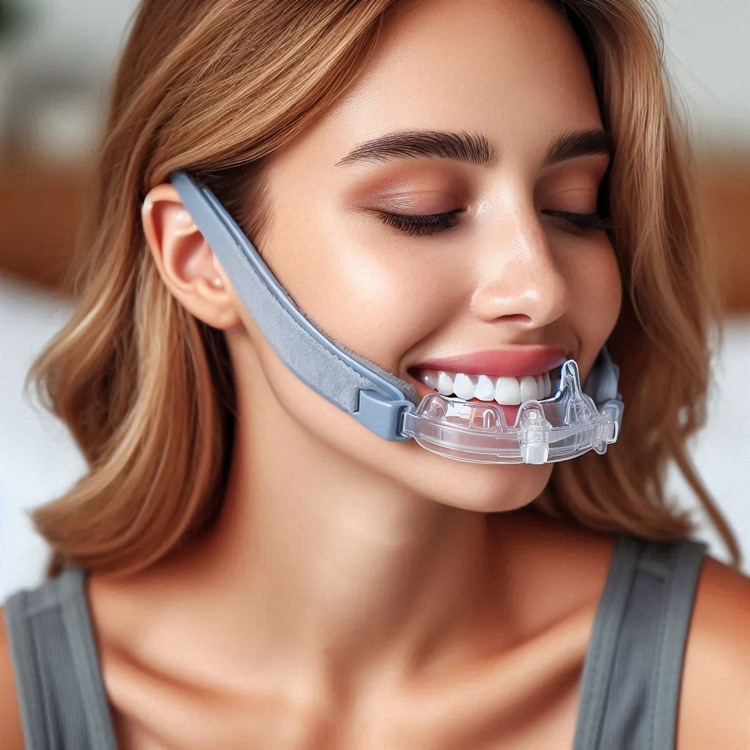
Primary Interventions: Soft diets, custom night-guard splinting, physical therapy, pharmacotherapy, or arthroscopic lavage of the joint.
Grinding or clicking, popping or grating sounds.
Pre-auricular pain occurs as an ongoing dull ache directly in front of the ear canal.
Masticatory fatigue occurs when the facial muscles tire rapidly or stiffen quickly from chewing hard food.
Sudden changes in occlusion create a sensation of the upper and lower jaws being out of sync.
Facial pain radiates from sharp to aching sensations from the temple down through the face, along the side of the jaw down to the base of the neck.
An immediate visit to a clinician should be made for anyone experiencing “locking” (being unable to either open or shut their mouth completely), significant local swelling around the angle of the mandible, fever or trouble swallowing.
Anyone experiencing left-sided jaw pain and having breathing difficulties or chest tightness needs to call emergency services to have cardiac events ruled out.
Bruxism: Nocturnally involuntary teeth grinding or day-time jaw clamping with force applied by masseter muscles which can lead to both muscle and disc damage.
Occlusal Dysharmony: The abnormal alignment of teeth or non-uniformity in dental restoration which interfere with the natural masticatory mechanisms.
Joint Disc Displacement: The shift of the internal cartilage disc outside the anatomically correct position located between the condyle and temporal fossa.
Macro Trauma: Impacts to the lower portion of the face (chin) resulting in microfractures or capsular tears due to either a sports injury or accident.
Inflammatory Arthritis: Autoimmune systemic inflammatory conditions such as Rheumatoid Arthritis that causes damage to the TMJ’s condylar surface.
High Stress Levels: Unconscious microclenching of the jaw due to emotional tension.
Dietary Stressors: Consuming large amounts of dense/chewy regional foods; i.e., raw coconut pieces, dried plantain chips (nendran/chips), supari (hard areca nut chews).
Cervical Posture: Long-term head-forward posturing from computer screens and/or excessive loading of the suprahyoid and neck muscles.
Connective Tissue Disorders: Causing hypermobility and therefore making joints susceptible to subluxation.
Self-check in front of a well-lighted mirror prior to treatment by performing these initial safety assessment techniques:
Vertical Opening Test: Check for any signs of pain or inability to open your mouth, which may indicate that there is a lack of vertical movement.
Palpate Joints: Hold your index fingers on either side of your ear canals with your mouth closed. Slowly begin to open your mouth. Check for any signs of tenderness or asymmetry; also note when you hear an audible "click" at the joint.
Muscle Tenderness: With your mouth open, gently push on the outer edge of your cheek muscles to locate any tender areas indicative of localized trigger point activity. Do not forcefully open your mouth if you experience sharp pain during this test.
The dentist assesses jaw deviation, maximum interincisal distance, and muscle tenderness through clinical palpation and measurement.
Digital Radiography (OPG) is done to evaluate condylar head positions, symmetry of jaws, and impacted wisdom teeth.
Cone Beam Computed Tomography (CBCT) is needed to evaluate bone/joint structure integrity as well as micro-fracture(s).
The dentist also evaluates soft tissue structures such as discs and inflammation using Magnetic Resonance Imaging (MRI).
|
Severity Level |
Clinical Characteristics |
Typical Presentation |
|
Mild (Stage I) |
Transient muscle fatigue; occasional painless clicking. |
Minor morning stiffness after stress. |
|
Moderate (Stage II) |
Persistent preauricular pain; painful clicking; intermittent catching. |
Difficulty chewing hard foods; localized headaches. |
|
Severe (Stage III) |
Disc displacement without reduction; severe trismus (<20mm opening); chronic pain. |
Locked jaw, severe functional restriction, joint degeneration. |
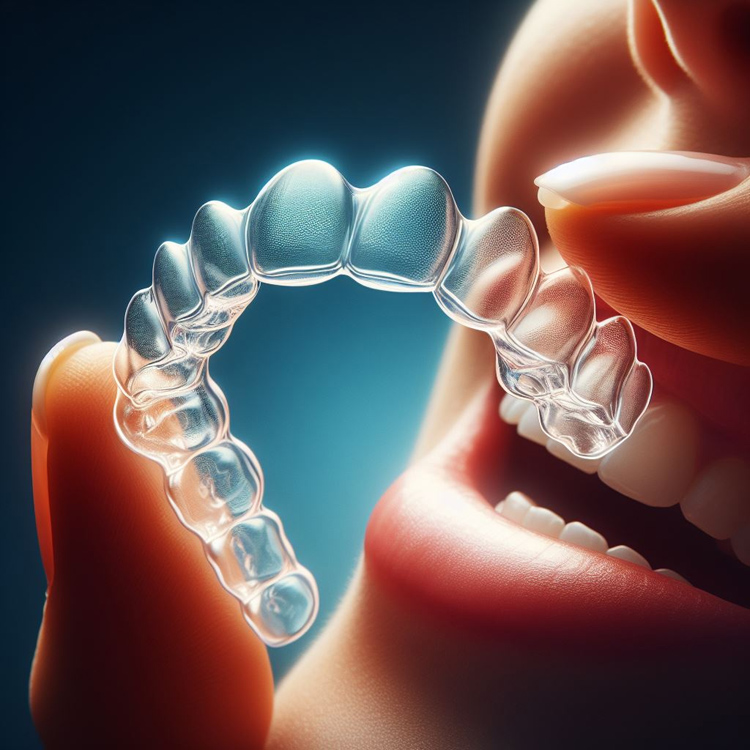
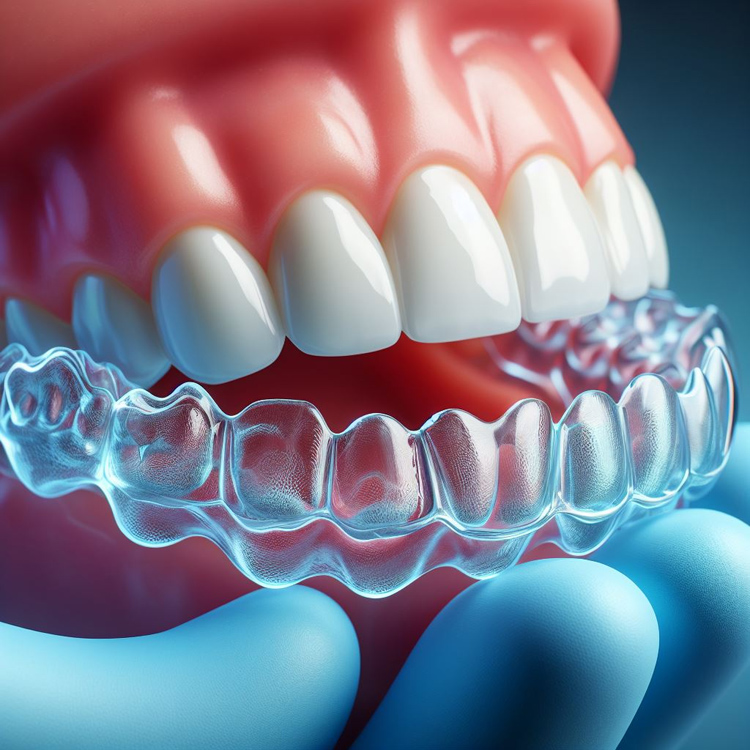
The conservative treatment of TMD includes occlusal stabilization splints (clear, custom-made acrylic night guards) and/or a combination of treatments, including thermotherapy and low-level laser therapy (LLLT).
Short-term pharmacologic interventions include muscle relaxants such as thiocolchicoside and short-term NSAIDs; in addition, targeted intra-articular corticosteroids can be used.
Arthrocentesis (flushing of the joint space with local anesthesia to remove inflammatory cytokines) or TMJ arthroscopy may also be performed depending on the severity of symptoms and joint involvement.
If conservative and interventional therapies fail to provide adequate relief from pain and dysfunction, surgical reconstruction of the temporomandibular joint is possible through either open surgery or total TMJ replacement.
Costs associated with treatment vary by location within Kerala. Private specialty clinics and public teaching institutions have different costs as follows:
Diagnostic Imaging, Consultation and Basic Diagnostic Studies (Radiographs / CBCT): ₹1500 – ₹4500
Stabilizing Appliance (Night Guard/Splint): ₹4000 – ₹12000
Low-Level Laser Therapy/Physiotherapy Sessions: ₹800 – ₹2500 per session
TMJ Arthrocentesis Procedure: ₹15000 – ₹35000
Surgical Interventions: ₹60000+ for total joint replacement.
Custom-made appliances are usually out of pocket.
Dentist: The first evaluation, general occlusal assessment, simple soft splints for uncomplicated cases.
Prosthodontist: Bite restoration, occlusal adjustments, and complicated soft splint therapy.
Surgeon: Surgical consultation; arthrocentesis; removal of impacted teeth; reconstructing of joints.
Pain/Temporomandibular Joint Specialist: Overall treatment of neurogenic pain; chronic bruxism; complex temporomandibular joint disorders.
Emergency (<4 hours): Temporomandibular joint dislocation while it is in the open position, acute facial injury with significant blood loss, or sudden pain accompanied with a fever and/or swelling on the face.
Urgent (<48 hours): Sudden inability to open mouth (locked jaw); severe stabbing/throbbing pain that does not respond to over-the-counter medication.
Non-Urgent (Schedule within 1–2 weeks): Chronic joint noise; mild morning stiffness; occasional muscle soreness.
1. Can stress cause me to have jaw pain with no tooth problems?
Yes. Stress activates your involuntary masticatory system, which includes the masseter and temporalis muscles. These muscles will continue to contract (and therefore fatigue) when you are sleeping — resulting in an inflamed joint, regardless of whether or not there is tooth decay.
2. Does chewing betel nuts or eating local hard foods make TMJ worse?
Absolutely. Chewing hard foods on a regular basis puts uneven, extreme amounts of pressure on your jaw joint. This increases the rate at which your joint’s discs wear out, as well as creates further muscular fatigue.
3. Do I need surgery for TMJ clicking?
No. Over 85 percent of TMJ disorders are treated with some type of non-surgical treatment, including nightguards, muscle relaxers, diet/lifestyle changes, and/or localized physical therapy.
To be effective at managing TMJ pain, we must make a correct diagnosis prior to permanent damage being done to the joint by allowing it to function improperly. In addition to this, there are two forms of early treatment that will help prevent chronic degeneration of the joint. The first form of treatment is the use of custom stabilization appliances. These appliances are designed to stabilize the joint and allow it to heal. The second form of treatment is muscular deconditioning. This type of treatment involves relaxing the muscles around the joint. If patients do these treatments correctly, they may be able to avoid surgery.
Incorrectly moving the joint during an episode of acute pain can further displace the internal disc inside the joint. Therefore, I believe that the most important factors in achieving long-term success are keeping the upper and lower jaws aligned properly (balanced occlusion), avoiding nocturnal bruxism, and sticking to a soft diet protocol when experiencing high levels of stress.




.jpg)
.jpg)
.jpg)
.jpg)
.jpg)
.jpg)
.jpg)
.jpg)
.jpg)
.jpg)
.jpg)
.jpg)