
A tooth that has been knocked out (avulsion) is an acute traumatic injury to a tooth which results in the complete displacement of the tooth from the alveolar bone. When a tooth is avulsed, there is significant structural damage: most notably, the periodontal ligament fibers are severed, and the tooth's blood supply is damaged, as well as the protective enamel and cementum layers.
The overall management of avulsion injuries can be understood with reference to other forms of dental trauma. An avulsion injury represents a true hard tissue medical emergency that requires immediate physiologic treatment to preserve the cellular viability of the tooth structure.
Definition of Clinical Condition: A total loss of support for a permanently erupted tooth such that the tooth falls completely out of its bony socket.
Indicators of Urgency: Bleeding from the site of the avulsion; intense pain at the time of presentation; exposure of the walls of alveolar socket; and/or possession by the patient of the avulsed tooth.
Treatment: The main options available to treat an avulsion include immediate emergency replantation, rigid or flexible fixation of the replanted tooth, endodontic (root canal) treatment of the replanted tooth, or the use of a prosthesis (e.g., implants or bridges).
Time Frame: If a tooth is replanted within 60 minutes of avulsion, the highest likelihood of preserving periodontal ligament cell viability and achieving a successful clinical outcome is secured.
Absence in the Dental Arch: Complete absence of the tooth from its socket, accompanied by bleeding in the empty hollow area where the tooth was located.
Severe Pain: Intense, sharp, stabbing, or throbbing pain throughout the jawbone resulting from exposed nerve endings.
Swelling and Soft Tissue Trauma: Early onset of immediate swelling around the gums, bruising on the lips, and/or lacerations in the gums directly adjacent to the affected socket.
Occlusal Changes: Displacement or shifting of adjacent teeth, resulting in altered bite alignment or an inability to close the mouth completely.
You should seek immediate medical or dental attention if you notice any of the following red-flag indicators:
Prolonged Bleeding: Bleeding from the socket that does not stop or slow down after 15 minutes of continuous, direct pressure.
Signs of Concussion: Concomitant signs of a severe head injury, such as loss of consciousness, dizziness, confusion, or visual disturbances.
Infection Indicators: Rapidly increasing facial swelling, an elevated body temperature (fever), or purulent drainage (pus) suggesting an acute localized or spreading infection at the site.
Jaw Instability: An inability to stabilize the jaw or abnormal bite mobility, which may indicate an underlying alveolar bone fracture.
Trauma: Falls from a height, or sports injuries due to direct impact (e.g., a collision during a cricket match or a bicycle accident).
Accidents and Altercations: Physical altercations, motor vehicle accidents, or an unexpected direct impact to the lower jaw area.
Foreign Objects in Food: Unexpectedly biting into hard foreign objects, which are occasionally found inside local and traditional food items (e.g., hard bits in tapioca/kappa or rice).
Occupational and Activity Risks: Engaging in manual labor or heavy equipment use without appropriate personal protective equipment.
Protruding Teeth: Upper front incisor teeth that protrude significantly, resulting in inadequate lip coverage and little or no natural physical protection.
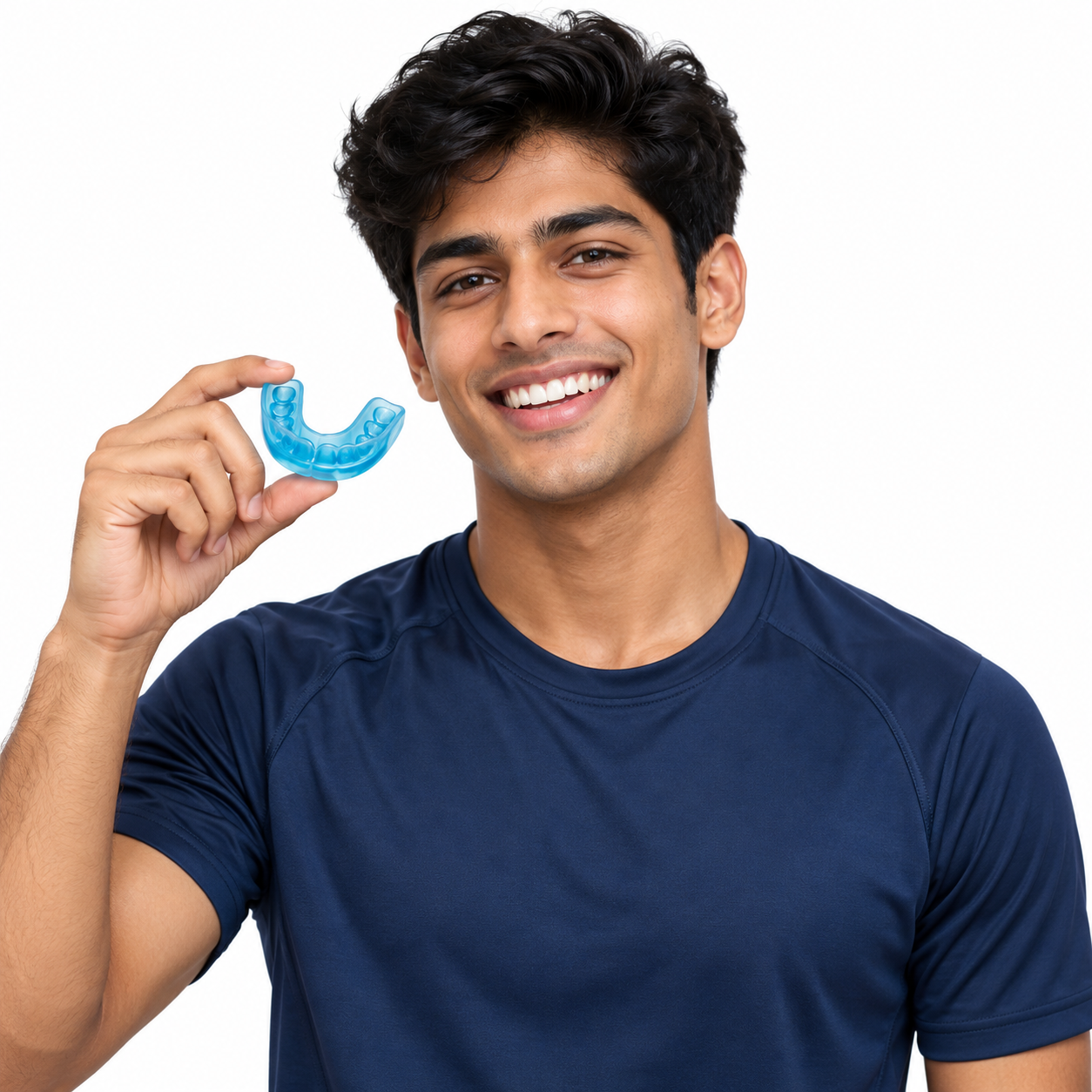
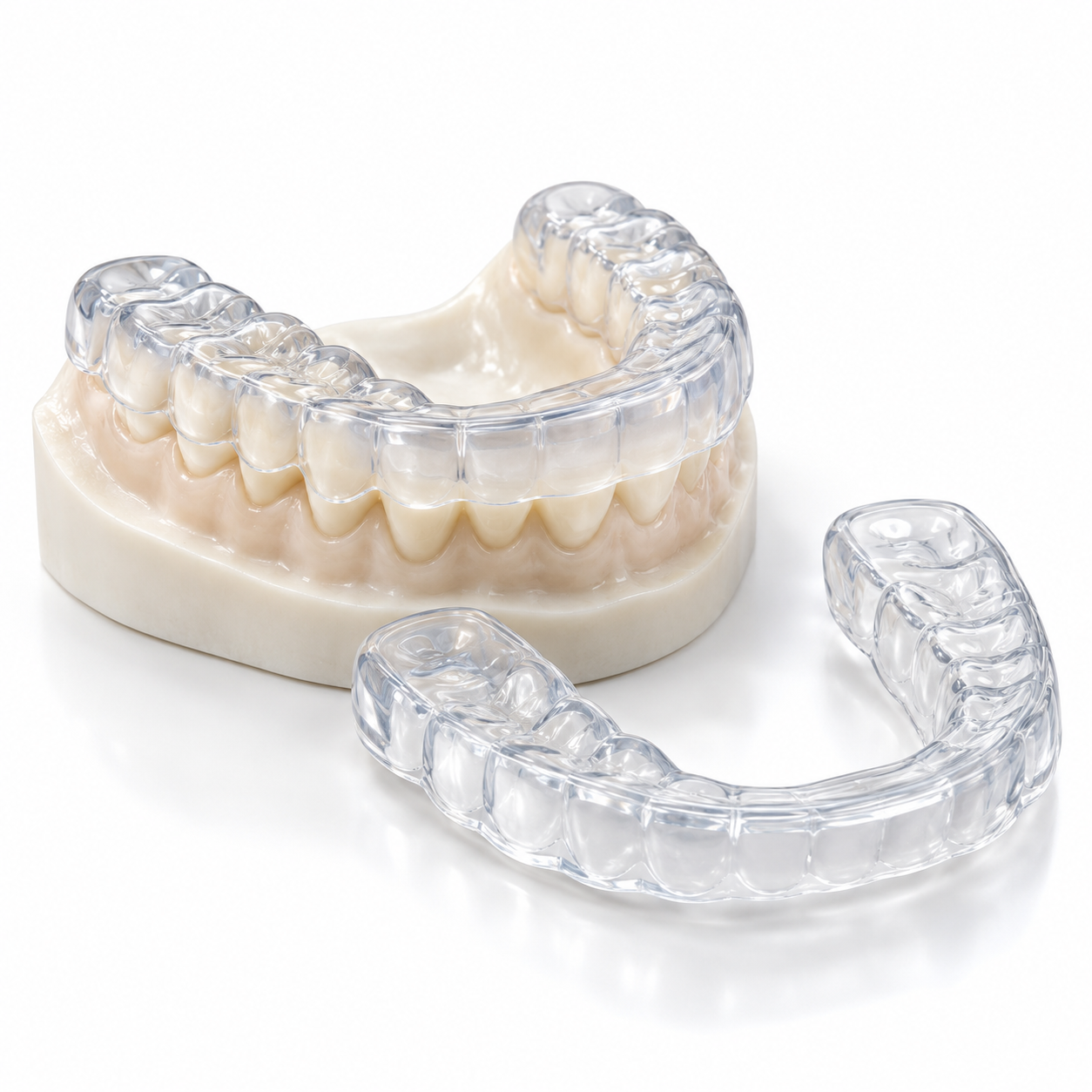
Lack of Athletic Protection: Not wearing a custom-fitted mouthguard when participating in contact sports or high-risk recreational activities.
Compromised Periodontal Health: Previous or existing periodontal infection that has weakened the alveolar bone and the structural support of the teeth.
Mixed Dentition Stage: Children undergoing the transitional phase of losing primary (baby) teeth and erupting permanent adult teeth, which can temporarily affect dental stability.
Hand Hygiene: Wash your hands thoroughly prior to touching the mouth area to avoid transferring bacteria from other parts of the body.
Handle by the Crown: Locate the tooth in question and handle it strictly by the crown (the chewing surface). Never touch or handle the delicate roots.
Gentle Cleaning: If the tooth has dirt on it, place it under cold running water or gently rinse it in milk for no longer than 10 seconds. Never use soap, chemicals, or a toothbrush on the tooth.
Replantation or Storage: Attempt to carefully push the tooth back into its original bony socket if it is clean. Otherwise, safely store it in a closed container containing cold milk or your own saliva until you reach a clinic.
Intraoral Assessment: Perform a thorough visual and tactile assessment of the injured site, surrounding teeth, and soft tissues to check for debris and/or fractured tooth structures.
Radiographic Imaging: Take an intraoral periapical digital radiograph (X-ray) of the area to determine whether there are any remaining fractured root fragments, bone fractures, and/or damage to the alveolar walls.
Pulp Vitality Testing: Assess the pulp vitality of adjacent or surrounding teeth that may have also sustained trauma during the incident.
Occlusal Evaluation: Determine whether the trauma has caused any alteration or displacement to the patient's occlusal (bite) relationship.
Grade 1 - Simple Avulsion: A simple avulsion is when one tooth has been displaced from its socket due to trauma with minimal damage to the surrounding alveolar bone.
Grade 2 - Complex Avulsion: The complex type of avulsion occurs in conjunction with major lacerations of the attached gingiva and/or labial/lingual mucosa, as well as localized cortical bone fractures.
Grade 3 - Multiple Avulsion: When two or more contiguous teeth are avulsed, it may require the repair of fractured jaw segments; this is classified as a grade 3 avulsion.
Replantation: In emergency replantation, the dentist will clean the wound area and then carefully guide the natural tooth back into its socket.
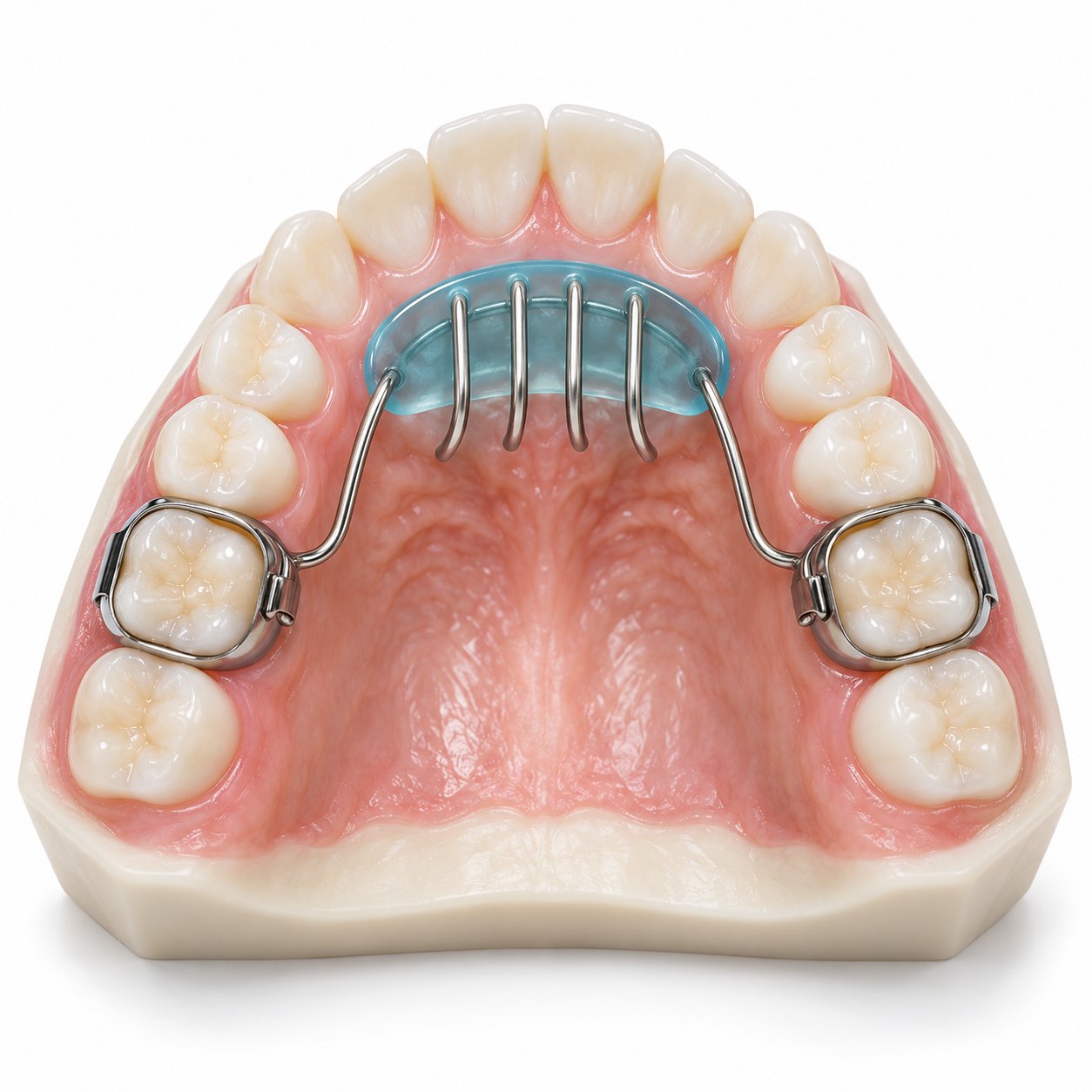
Stabilization: Using flexible splints made of materials such as orthodontic resin or titanium wire, the dentist will stabilize the traumatized tooth to adjacent stable teeth for approximately 2 to 3 weeks.
Root Canal Treatment: An endodontist will perform root canal therapy to remove necrotic pulp tissue from inside the tooth.
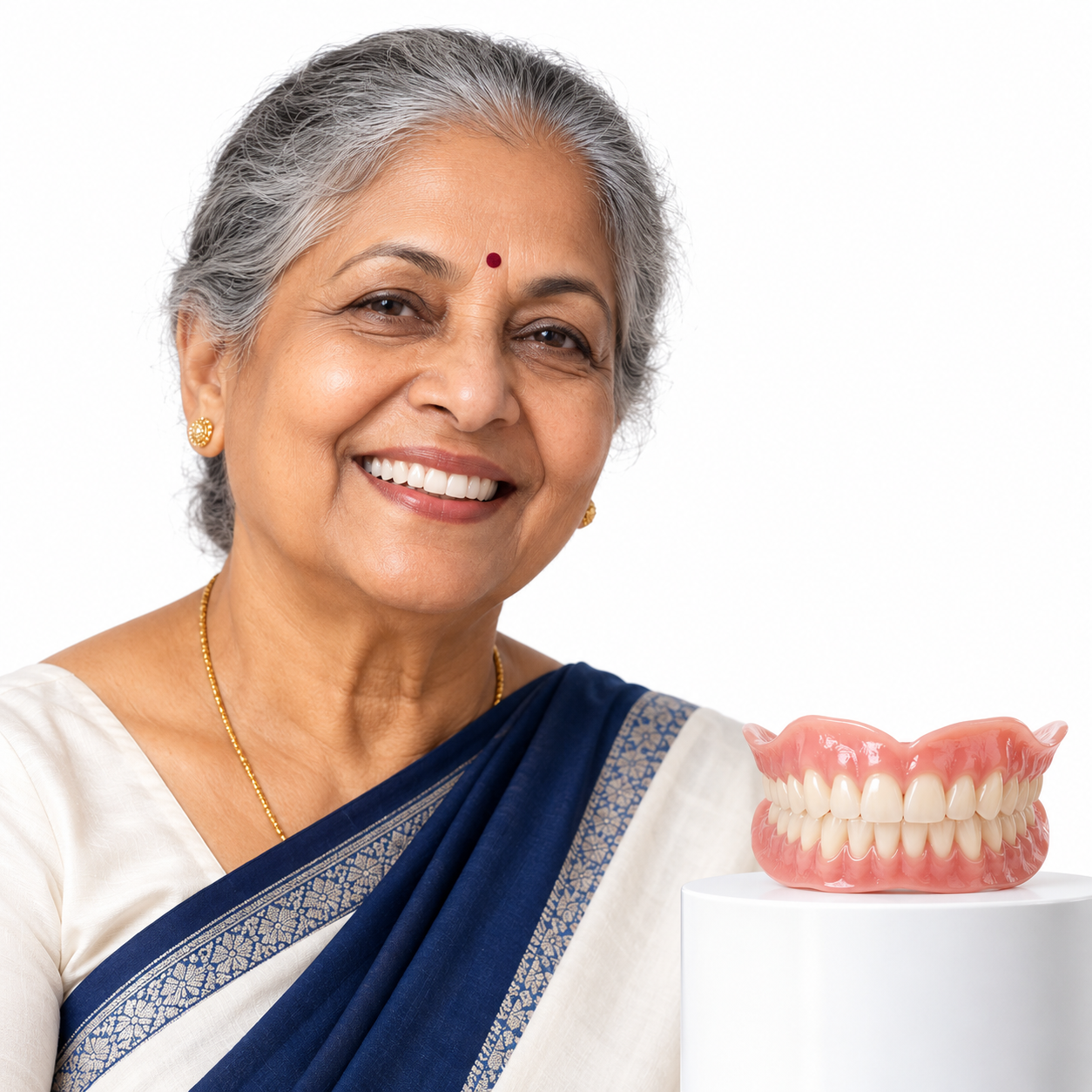
Replacement: If the tooth cannot be successfully saved using traditional methods, prosthetics provide an alternative option, including titanium-based dental implants or zirconia bridges.
Emergency Replantation and Splinting: The cost varies depending on the hospital or clinic tier. The estimated range is between INR 3,500 and INR 8,000.
Root Canal Treatment & Crown: The estimated range depends on whether porcelain-fused-to-metal (PFM) or Zirconia materials are chosen, typically costing anywhere from INR 6,000 to INR 18,000.
Dental Implants: Replacing a single missing tooth with an implant ranges between INR 25,000 and INR 55,000. Subsidized care is available at government dental colleges, costing between INR 500 and INR 5,000.
General Dentist: Responsible for immediately stabilizing and splinting the injured tooth, and acting as a primary triage specialist.
Endodontist: A specialist in internal tooth pulp therapy. For replanted teeth, they perform the necessary post-replantation root canal treatments.
Periodontist: A gum and supporting bone specialist who manages soft tissue healing, bone regeneration, and surgical interventions related to dental implants.
Oral and Maxillofacial Surgeon: Consulted when trauma involves complex facial, jaw, or alveolar bone fractures requiring specialized surgical repair.
0–60 Minutes: Immediate action is required to ensure the success of tooth replantation and to maximize the survival of cells in the periodontal ligament.
0–24 Hours: Secondary adjustments to the splint may need to be made by your dentist, along with an assessment to determine if antibiotics or pain management are necessary.
6 Days to 2 Weeks: This time frame is crucial for your dentist to initiate any necessary endodontic treatment prior to root resorption occurring.
Is there still hope for saving my knocked-out permanent tooth in Kerala's humid weather?
Yes, provided it has been placed immediately into a cold glass of milk or coconut water and presented at a dental clinic within one hour. Never allow the tooth to dry out.
If I am unable to locate my tooth, what do I do?
Visit an emergency dental clinic at once to have the bleeding stopped, and then discuss replacement options with your dentist, such as a dental implant or a removable partial denture.
Will health insurance in India provide coverage for dental injuries?
While many standard health policies do not cover routine dental care, many personal accident policies often include coverage for reconstructive dental services resulting from an accident.
An avulsed tooth is a race against cell death. The primary obstacle to preserving a naturally avulsed tooth in clinical practice is patients' hesitancy during the initial 'golden hour'. Immediate storage in milk, followed by rapid application of professional splints, significantly alters prognosis and results in a shift from losing a tooth to maintaining it for life.


.jpg)
.jpg)
.jpg)
.jpg)
.jpg)
.jpg)
.jpg)
.jpg)
.jpg)
.jpg)
.jpg)
.jpg)
This site is part of the DEC Dental Network — a Dental Equity & Connectivity ecosystem of clinical, educational, and patient-support brands operated by Team Dental Pvt. Ltd. Our network works as one — guiding you from your first search to your final smile.
© 2026 Team Dental Pvt. Ltd. · Founded 2013, Angamaly, Kochi, Kerala
About DEC Dental