It can sometimes be surprising when a new, permanent tooth comes in much larger size than anticipated. Macrodontia (also called megalodontia) is an infrequent developmental variation where one, some or all of a person’s teeth develop to sizes that are beyond the average proportionate sizes of the remaining teeth in their oral cavity. Although it may produce an aesthetic concern and/or a slight crowding of the adjacent teeth; determining if it represents an isolated case of macrodonchia or a malformation of the teeth (such as fused teeth), is the initial step towards achieving a balanced smile.
Definition: Macrodontia: A developmental variation where teeth develop abnormally larger.
Patterns of presentation: Can be seen as affecting one tooth (isolated macrodontia) or appear large because a patient has normal-sized teeth in a smaller jaw (relative generalized macrodontia).
True vs. False Macrodontia: True macrodontia is represented by a single, enlarged normal tooth. "False macrodontia" is caused by structural merging, including fusion and gemination in teeth.
Concerns: Cosmetic imbalance of the smile, local crowding/overlap of adjacent teeth, and difficulty maintaining the area between the overlapping surfaces clean of plaque.
Treatment options: Conservative reshaping of the tooth, high-end dental veneers, and orthodontic movement of the tooth.
Most individuals or parents will recognize this condition visually:
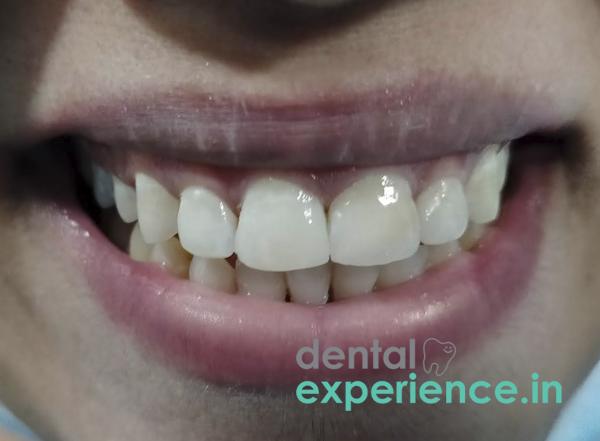
A clear visual disparity of the size of the teeth in your smile line with either one or two of the front teeth being significantly larger than the others. Most often expressed verbally as "why is one of my front teeth bigger than the others?".
Mild to moderate crowding/overlap of adjacent teeth, secondary to the large tooth occupying excessive space in the dental arch.
Structural presentation of what would appear to be two teeth merged into one large tooth; the merged crown will contain a visible longitudinal groove extending through the center of the crown.
An overly large tooth structure represents a harmless developmental variation and therefore is not considered an urgent condition. There are however circumstances under which you should schedule an appointment with a dentisT:
The large tooth is so positioned that it prevents adjacent permanent teeth from developing adequately enough to emerge through the gums.
The tight/crowded spaces between the teeth around the large tooth prevent proper flossing and lead to chronic bleeding/gum inflammation or early onset caries.
Parents observe an asymmetric bite pattern and ask themselves "why are my child's permanent teeth so big", as they observe the eruption of their adult teeth.
To determine the appropriate course of treatment for this condition, your dentist must distinguish between true size variations and structural shape anomalies:
Hereditary Factors: Just like height, your dental blueprint is genetically passed down. Children who inherit prominent smiles from their parents are more likely to express similar features.
Dental Fusion (False Macrodontia): Dental Fusion occurs when two separate tooth germs merge during development. This creates a single, larger-than-average tooth with a merged crown structure. The timing of when the fusion occurred will influence whether both root canals/pulp chambers are separated or conjoined.
Dental Gemination (False Macrodontia): Gemination occurs when a single tooth germ attempts to split into two but remain connected. The resultant appearance is that of a wider-than-average, dual-crown supported by a single root and pulp chamber.
True Generalized Macrodontia: Extremely rare, represents a systemic growth disorder affecting all the permanent teeth in the individual's mouth.
Relative Generalized Macrodontia: A very frequent hereditary configuration in which each individual has normal sized teeth but inherited a relatively small jaw from one parent and normal size teeth from another parent. This produces an apparent greatly exaggerated visual effect of oversized teeth.
Risk factors for this developmental condition occur prior to the emergence of the permanent teeth through the gums:
Family history of large/symmetrical crowds/dominant front teeth.
Systemic growth disorders/hormonal imbalance during early childhood developmental period.
Environmental/nutritional factors during the first few years of life during active mineralization of crown tissue beneath milk teeth.
Width test: Grab a mirror and compare the width of your central teeth with the adjacent teeth. If the width of the central incisors are twice the width of lateral incisors, it may be macrodontia.
Overlap check: Run your finger or tongue over your front teeth. Check if the large central teeth force the adjacent teeth to turn sideways or hide behind them. If it is, it points to large teeth.
Lip closure test: Relax your face completely. If your lips struggle to close naturally over your front teeth without straining, your teeth might be oversized or out of position.
Although an examination at home can provide some information regarding asymmetry or grooving in-between teeth; it is essential to have your condition evaluated clinically to accurately determine the internal structure of the affected tooth:
Clinical visual examination: evaluating proportionality of the crown portion(s) of each tooth relative to their respective neighboring teeth; evaluating bite positioning and overall facial proportions.
Digital radiography/X-rays: Digital radiographs allow clinicians to visualize whether the large tooth contains one or two fused root chambers. This determines whether additional measures must be taken to protect vital pulpal tissues.
Study models & scans: Taking study models/scans is beneficial in order to evaluate how the maxillary teeth contact the mandibular teeth when occluding.
Quick digital scan/impressions: producing a digital model/scanning impressions provides valuable data on how well your upper/lower teeth meet when chewing.
|
Severity Level |
Clinical Characteristics |
Impact on Patient |
|
Mild |
Mild isolated macrodontia with zero crowding; the tooth functions perfectly. |
Purely cosmetic; no functional issues. |
|
Moderate |
Prominent unusually large front teeth causing slight overlapping or rotation of nearby teeth. |
Minor speech or flossing difficulties; visible smile imbalance. |
|
Severe |
True big teeth syndrome with severe crowding, or a complex fused teeth structure blocking other adult teeth. |
Higher risk of decay, bite misalignment, and jaw joint strain. |
Fortunately, there exist numerous cosmetic dentistry and smile design treatments that can help restore balance to your smile line. Based upon your X-ray findings, possible treatment options may include:
Reshaping the large teeth: Enameloplasty; reducing a minimal amount of the outer enamel layer of a tooth can reshape a slightly too long/large tooth. It can be performed pain-free and quickly.
Cosmetic reshaping for macrodontia: Reshaping several teeth together so that they complement each other aesthetically.
Ceramic/veneers for unequal teeth sizes: Custom-made thin layers/shells made from ultra-thin ceramic/composite material applied directly over the surface(s) of your teeth. If an isolated oversized tooth was reshaped; veneers could be applied over it or the surrounding teeth to create a perfectly symmetrical smile line.
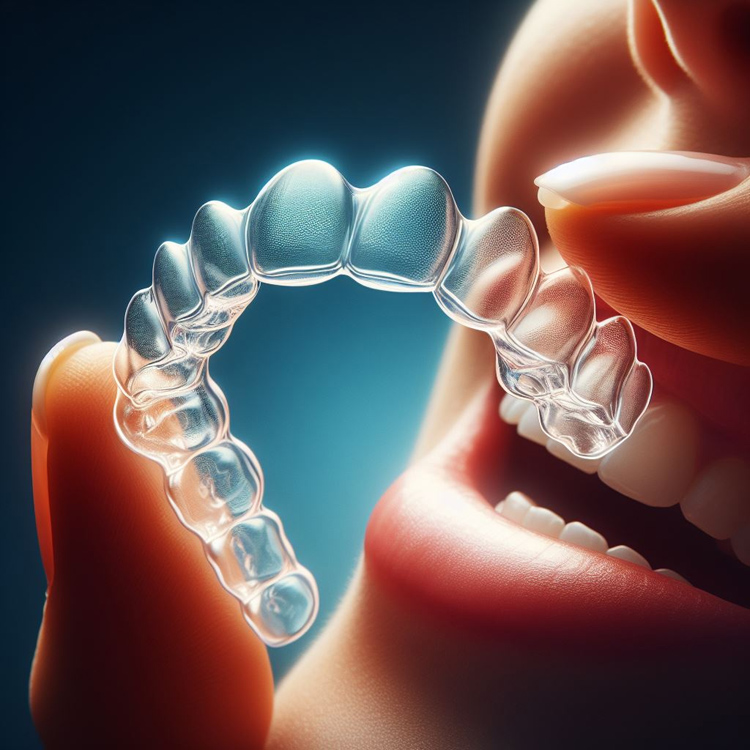
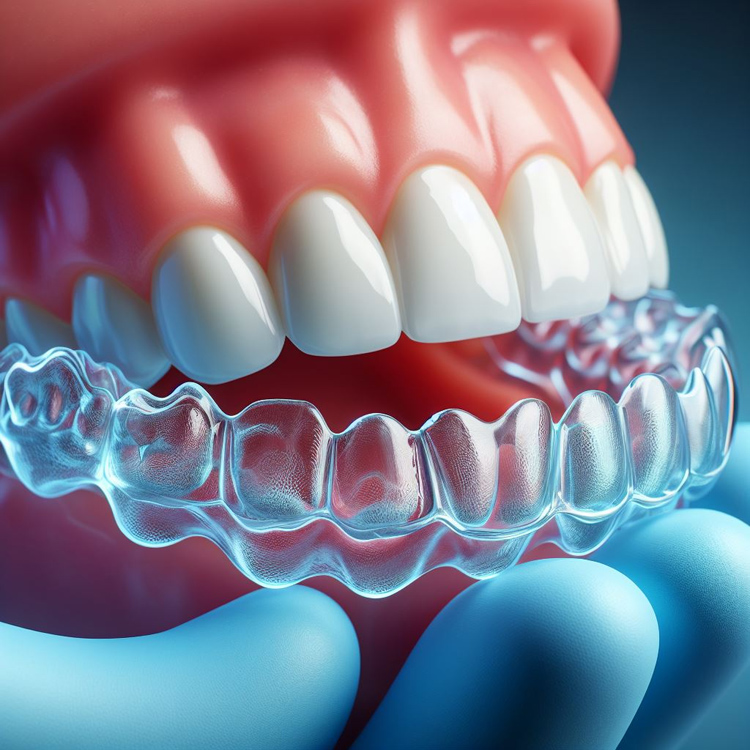
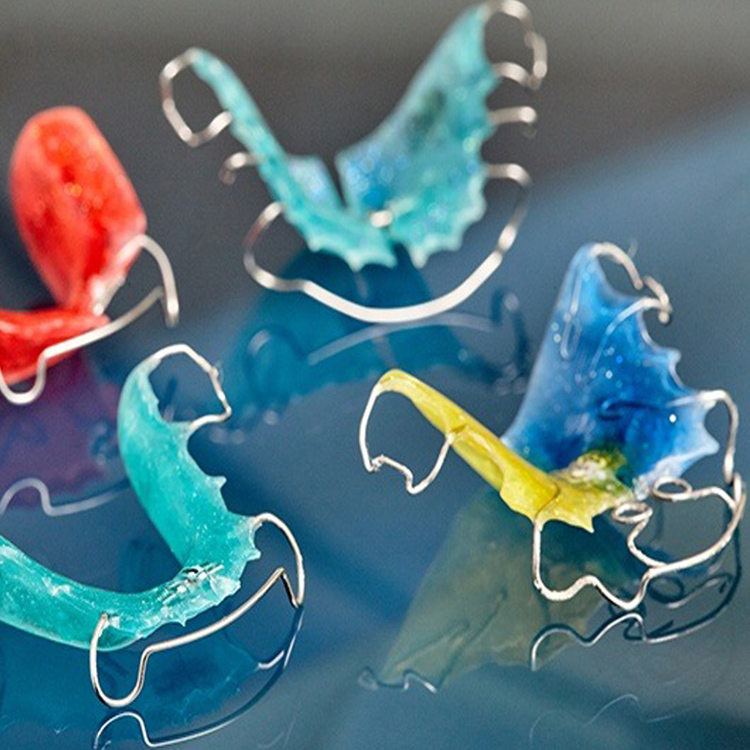
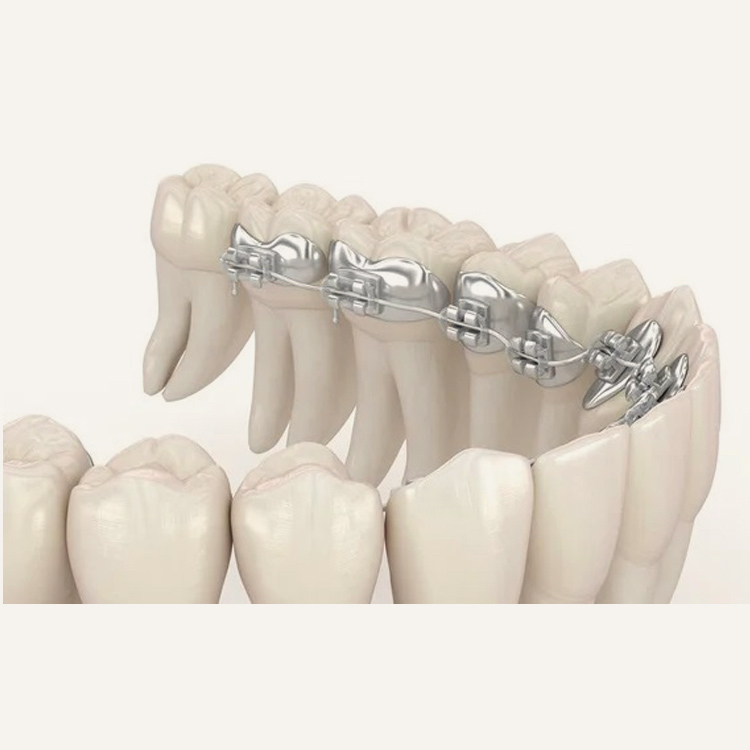
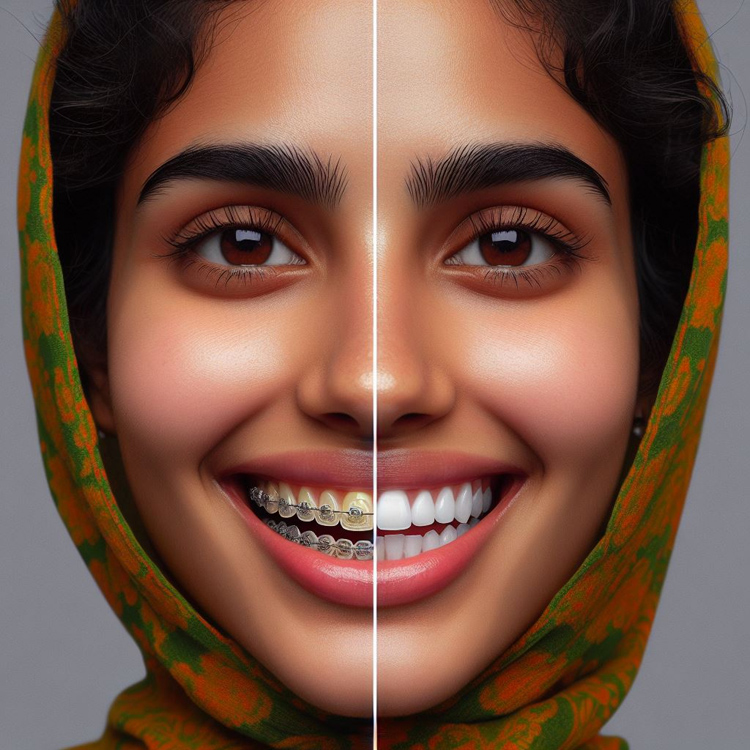
Orthodontic movement/Alignment: Orthodontic braces or aligners can be used to increase the interarch distance/widen the dental arches and remove overcrowding.
Costs for treating various types of conditions in Kerala vary depending upon type(s)/material(s) used; and the number of teeth treated:
Simple tooth contouring/shaping: Typically ranges from ₹1,000-₹3,000 per tooth among major clinics in Kochi/Trivandrum/Calicut.
High quality ceramic/zirconium veneers: High end quality veneers tend to cost ₹10,000-₹25,000+/tooth depending upon lab charges.
Complete smile make over package: Full comprehensive treatment package combining various treatments including orthodontics (aligner/brace) + contouring/reshaping starts from ₹1,50,000+
Depending upon complexity of your condition you may benefit from consultation with:
General Dental Surgeon: Capable of diagnosing issues/performing X-rays; capable of conservatively reshaping mildly oversized/too short shaped teeth.
Cosmetic Dentist/Prosthodontist: Ideal specialists for implementing veneer therapy for unevenly sized teeth and planning/directing smile design protocols.
Orthodontist: expert needed for correcting severely crowded/rotated/blocked permanent teeth via orthodontic appliances (braces/aligners).
Macrodonchia is not an urgent medical condition. Since it represents a structural developmental variation; you can elect to pursue treatment at whatever pace you prefer. The only exceptions would be if a child's permanently erupted large tooth blocks an adjacent permanent tooth from erupting or growing in properly.
Can large teeth be made smaller safely?
Yes. Using conservative cosmetic contouring methods; a dentist can safely remove a tiny fraction of the outer enamel layer. The maximum allowable removal is limited by how far the removed enamel extends into the softer dentin layer below to avoid damage to the sensitive nerves/dentin layer.
Is "big teeth syndrome" an irreversible medical condition?
It is simply a colloquialism for genetic/congenital tooth enlargement. It does not negatively impact your overall physical health; modern cosmetic dentistry can virtually eliminate any apparent/visible irregularities in your smile line.
Why are my child's permanent teeth so much larger than their baby/permanent incisors?
At first glance this seems unusual, but it is completely normal as permanent teeth are generally much larger, darker and more rigid than milk/baby incisors. Once your child's jaws grow sufficiently expanded to accommodate them; these adult teeth should eventually seem perfectly proportioned.
From a clinical standpoint, natural variations in tooth size and shape are incredibly common within dental practices across Kerala. When treating a patient with cosmetic concerns with a large tooth, the focus is always conservation of natural tooth structure. Before moving into treatments like veneers or crown reductions, a thorough clinical evaluation and X-rays are essential. This confirms whether we are dealing with a simple genetic variation or a complex structural fusion. For the vast majority of patients, a highly conservative combination of minor cosmetic edge contouring or localized orthodontic alignment is all it takes to deliver a beautifully balanced, fully functional smile.








.jpg)
.jpg)

.jpg)
.jpg)

.jpg)
.jpg)
.jpg)
.jpg)
.jpg)
.jpg)
.jpg)
.jpg)