Lip incompetence is a neuro-muscular/structural problem which results in the inability of the lips to passively close. This requires an active contraction by the orbicularis oris muscle. The most common secondary manifestations of this problem as seen within the field of orthodontics include significant anterior tooth flare and/or vertical maxillary excess. Significant flaring of the upper anterior teeth interferes with the normal resting position of the lips resulting in constant exposure of sensitive oral mucous membrane to airflow and external stimuli.
Clinical Definition: The inability to obtain a passive lip seal and the resultant exposure of gums and anterior teeth.
Indicators That Require Immediate Intervention: Chronic mouth breathing; Hyperactive chin strain from mentalis (indicative of chronic straining); Cracked lips; Localized inflammation of the gingiva.
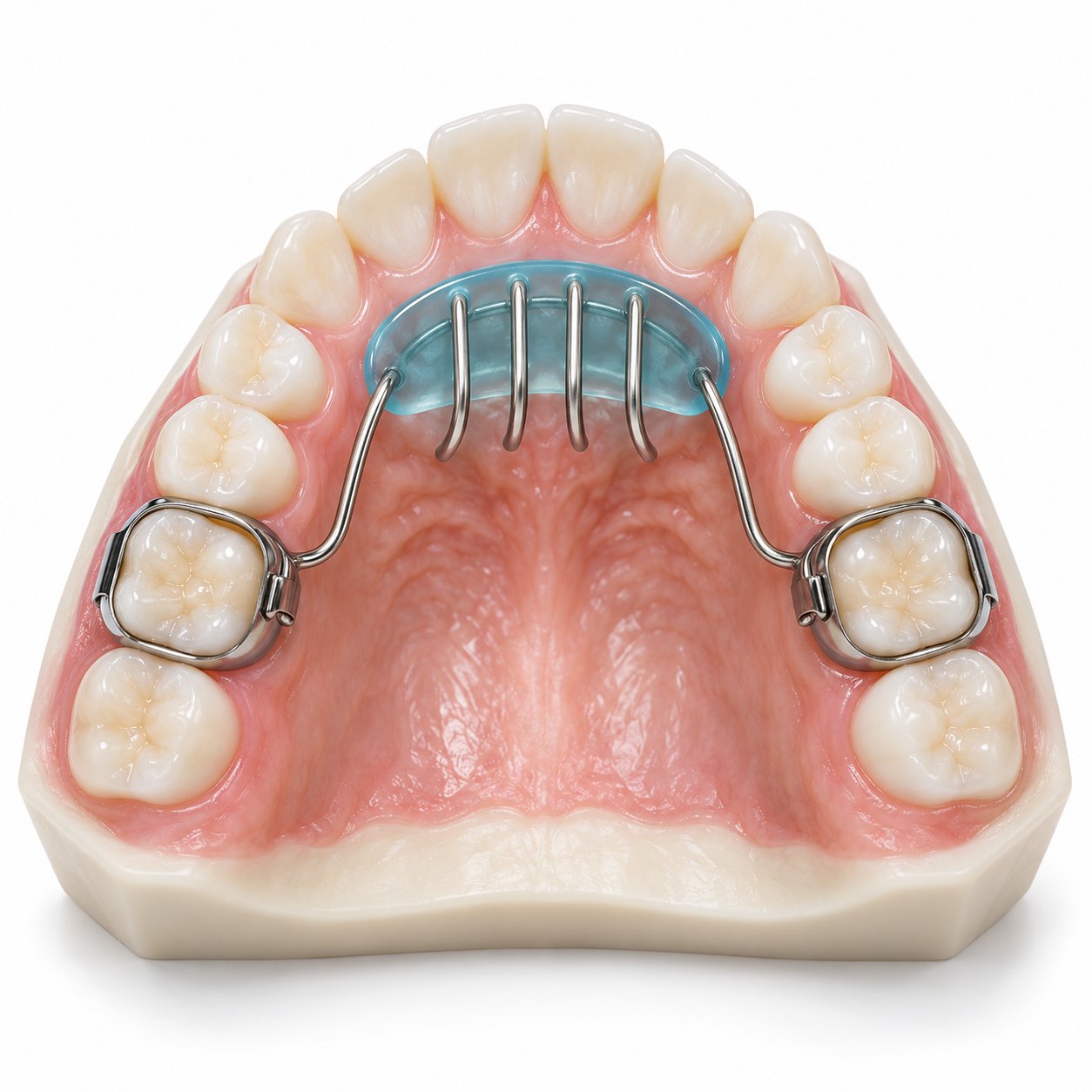
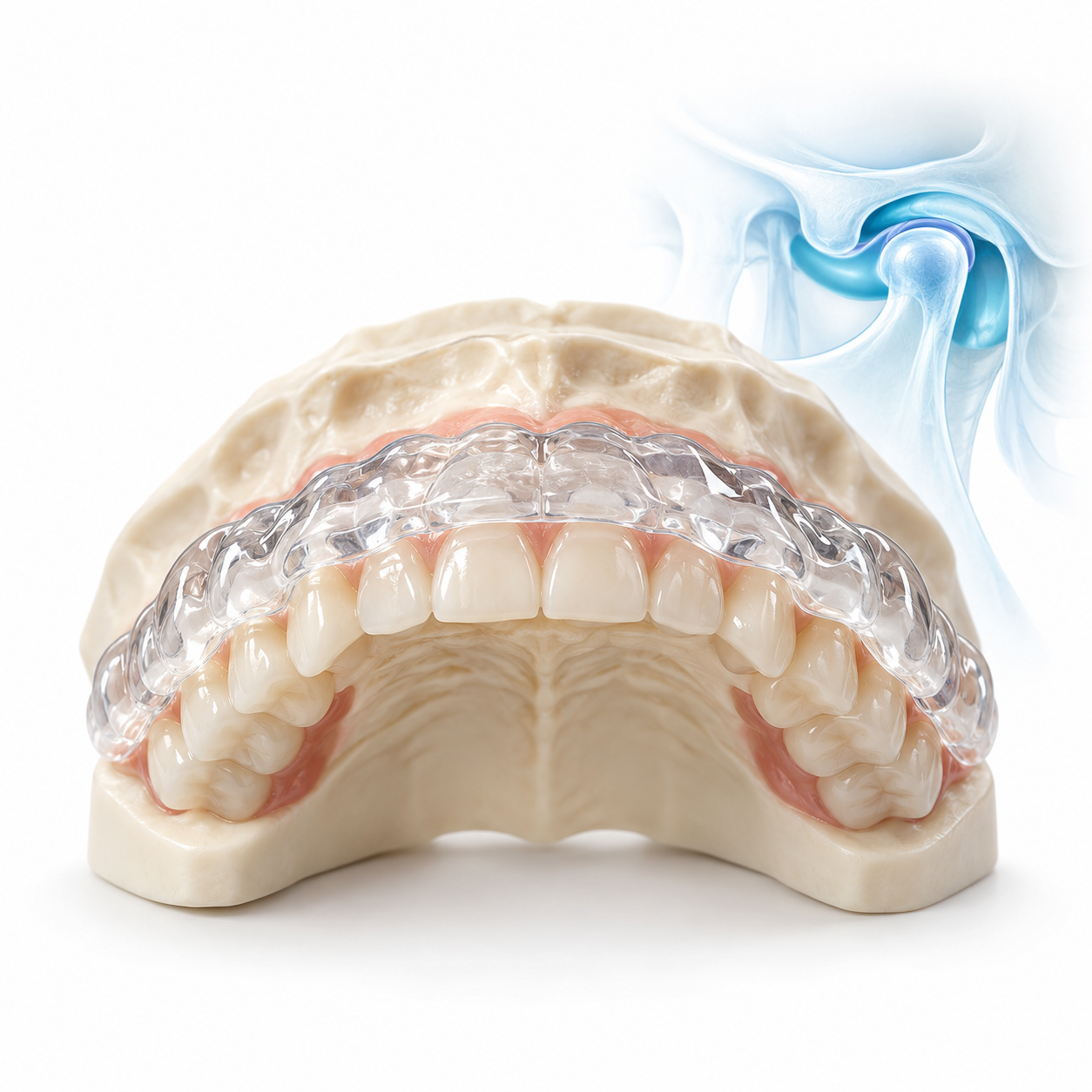
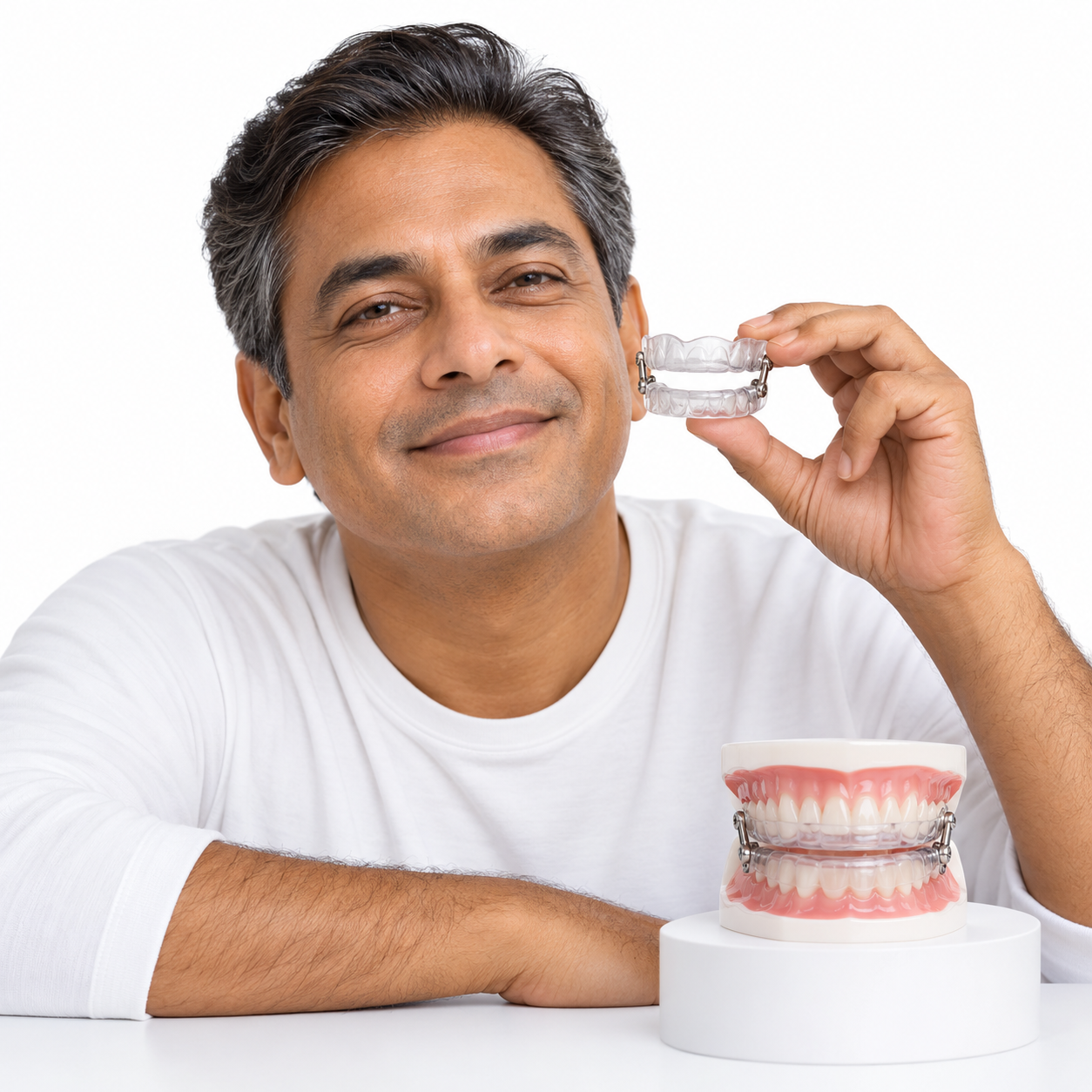
Treatment Options: Myofunctional treatment combined with either surgical orthognathic correction, Functional appliance use, Clear Aligner Therapy, or Orthodontic alignment.
Visible Exposure of Front Teeth: Visible exposure of the front teeth (incisors), which cannot be covered over with muscle (even if you relax your facial muscles completely).
Mentalis Muscle Strain: Mentalis muscle strain; a golf ball-like textured area in the center of your chin, especially while trying to push your lips together.
Chronic Cheilitis: Chronic cheilitis; cracked, chapped or dried out lips from continuous air evaporation off of your lip vermillion.
Localized Erythema: Localized erythema; red, inflamed, and bleeding gums surrounding the front teeth due to dehydration of mucosa.
Altered Swallow Pattern: Altered swallow pattern; forward tongue thrusts during swallowing to create an anterior seal.
Severe Anterior Gingival Recessions: The root surface of the front teeth is exposed alongside the incisors due to trauma and desiccation of local tissue.
Frequent Oral Ulcerations: Deep friction ulcers develop in the lower inner lip at the point it continuously rubs up against irregular or flared edges of the upper incisors.
Sleep Apnea & Airway Collapse: Progressive adaptation to nasal obstruction through use of mouth for respiration causes habituation to dry socket-like mouth states, snore & reduced quality of sleep.
Inefficient Mastication: Incisor bite is incomplete and therefore unable to tear most foods into chewable pieces.
Upper Front Teeth Protrusion: Upper Front Teeth in Class II Division I Malocclusions that stick out beyond the bottom front teeth physically block the lips from coming together completely.
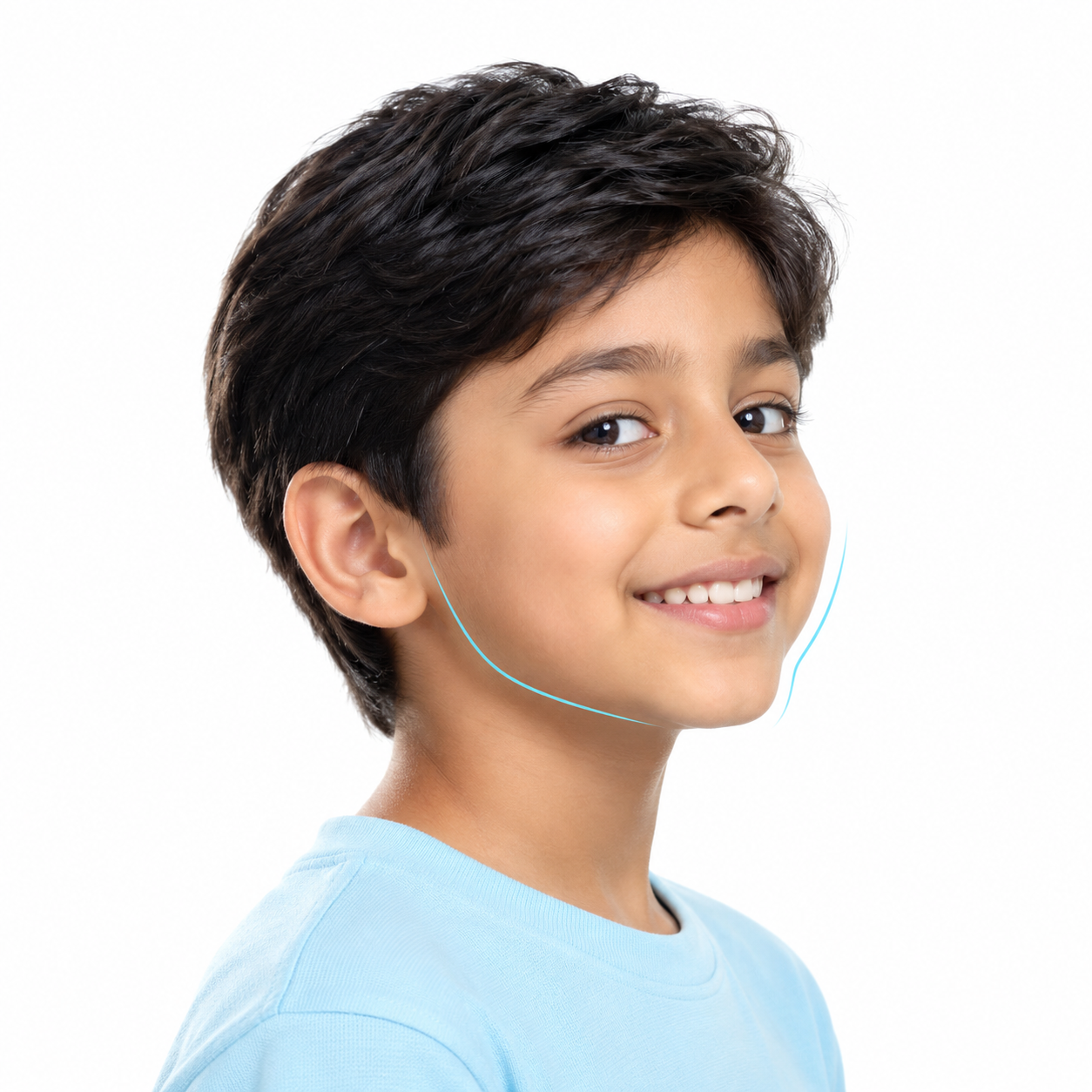
Developmental Imbalances in Facial Bones: Upper Jaw Too Big, Lower Jaw too Small.
Obstructed Airways: Nasal Congestion due to Allergies or Enlarged Adenoids force children to breathe through their mouths causing them to hold their mouth open most of the time.
Weak Lip Muscles: Lack of labial resistance allows teeth to protrude further than they would if the muscles were normal.
Thumb Sucking or Pacifiers for Over 4 Years: Thumb sucking and/or using a pacifier can cause the bones behind your child's upper front teeth to grow wider than they should be.
Soft Diet: A diet consisting mostly of soft foods is missing the stimulus needed to develop strong jaw muscles as your child grows.
Genetics: Many people are born with a tendency toward a certain shape and size of their facial bones. These genetic tendencies tend to result in steeper mandible planes which lead to a longer face and less room on the lower jaw.
Permanent Open Mouth Resting Posture: Un-managed seasonal allergic rhinitis or a deviated septum causes children to rest their mouth open.
Mirror Relaxation Assessment: Find a comfortable sitting position; gaze at yourself in a mirror; completely relax all facial muscles. Are there visible changes that indicate your front teeth are showing when you don’t smile?
Passive Seal Observation: Gently try to touch your upper and lower lips together. Do you experience significant tightening of your chin or dimpling of the chin area?
Breathing Test: Breathe through your nose only with your mouth slightly closed for two minutes. If you feel like you are going to be unable to breathe or if you feel fatigued (tired) muscles surrounding the mouth document it.
The above self-assessment is a tool to give you some basic insight about your breathing but should never be used as a substitute for an evaluation conducted by a licensed, registered orthodontist.
Radiographic Cephalometrics: Ceph radiographs will assess both bony (skeletal) landmarks and soft-tissue profile characteristics (incisor incline), including quantitative data regarding the soft tissues (e.g., interlabial space distance at rest, lip closure strain).
Facial Clinical Measurement: A quantitative assessment of the gap between the labia at rest and the degree of strain exerted by the lips during closure.
Assessment of Periodontal Soft Tissues: Evaluate the hydration status of the periodontal (gingival) tissues, the structural integrity of the enamel matrix, and the index of plaque retention around each tooth with exposed surfaces.
Airway / Pulpal Evaluations: An airway volumetric scan will be performed along with a check of vitality of the pulpal (nerve) tissue within each of the anterior (front) teeth potentially subject to damage from abrasion/surface wear.
|
Severity Level |
Interlabial Gap |
Clinical Presentation |
Primary Action Plan |
|
Mild |
1–3 mm |
Minimal tooth exposure; slight lip dryness; no chin strain. |
Ortho alignment & labial exercises. |
|
Moderate |
4–6 mm |
Pronounced incisor visibility; noticeable mentalis dimpling; localized gingivitis. |
Fixed braces or clear aligners. |
|
Severe |
> 6 mm |
Permanent tooth exposure; chronic cheilitis; mouth breathing; jaw discrepancy. |
Ortho-surgical expansion & myofunctional therapy. |
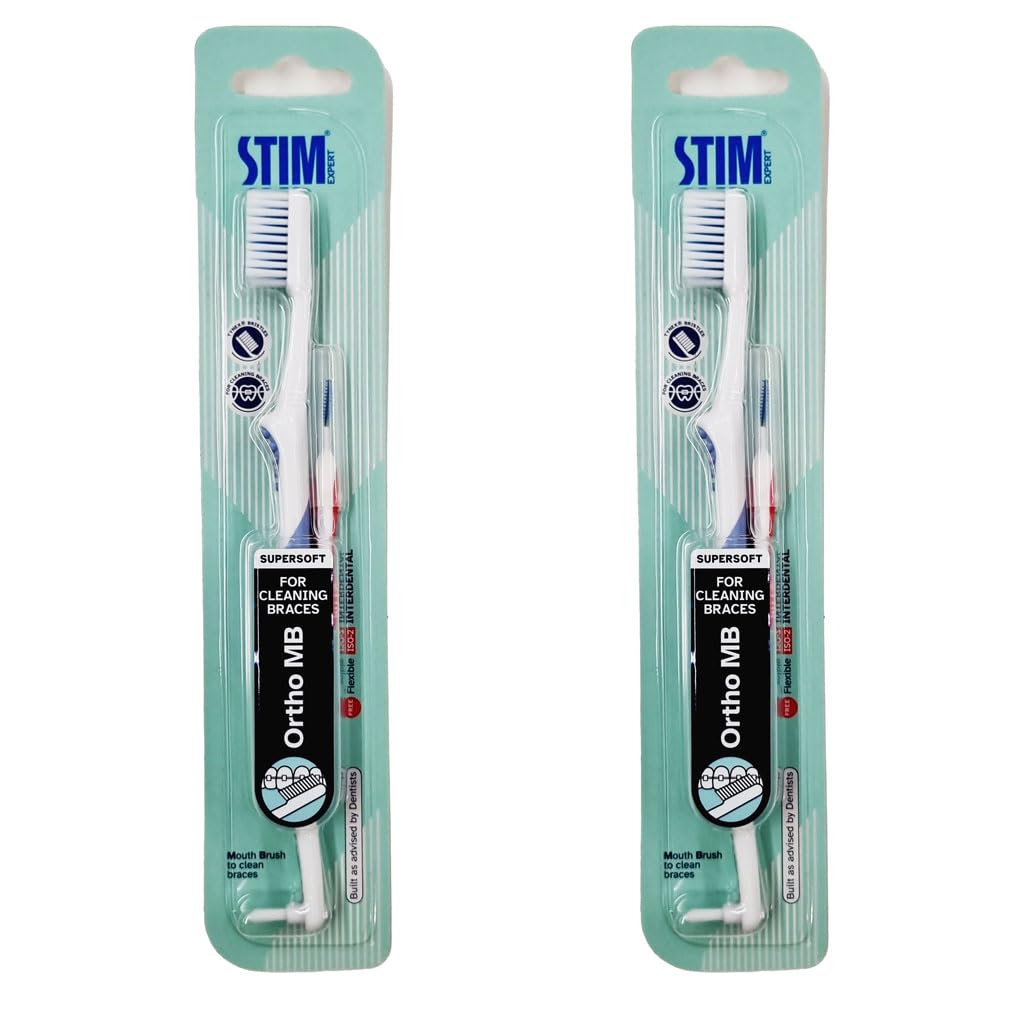
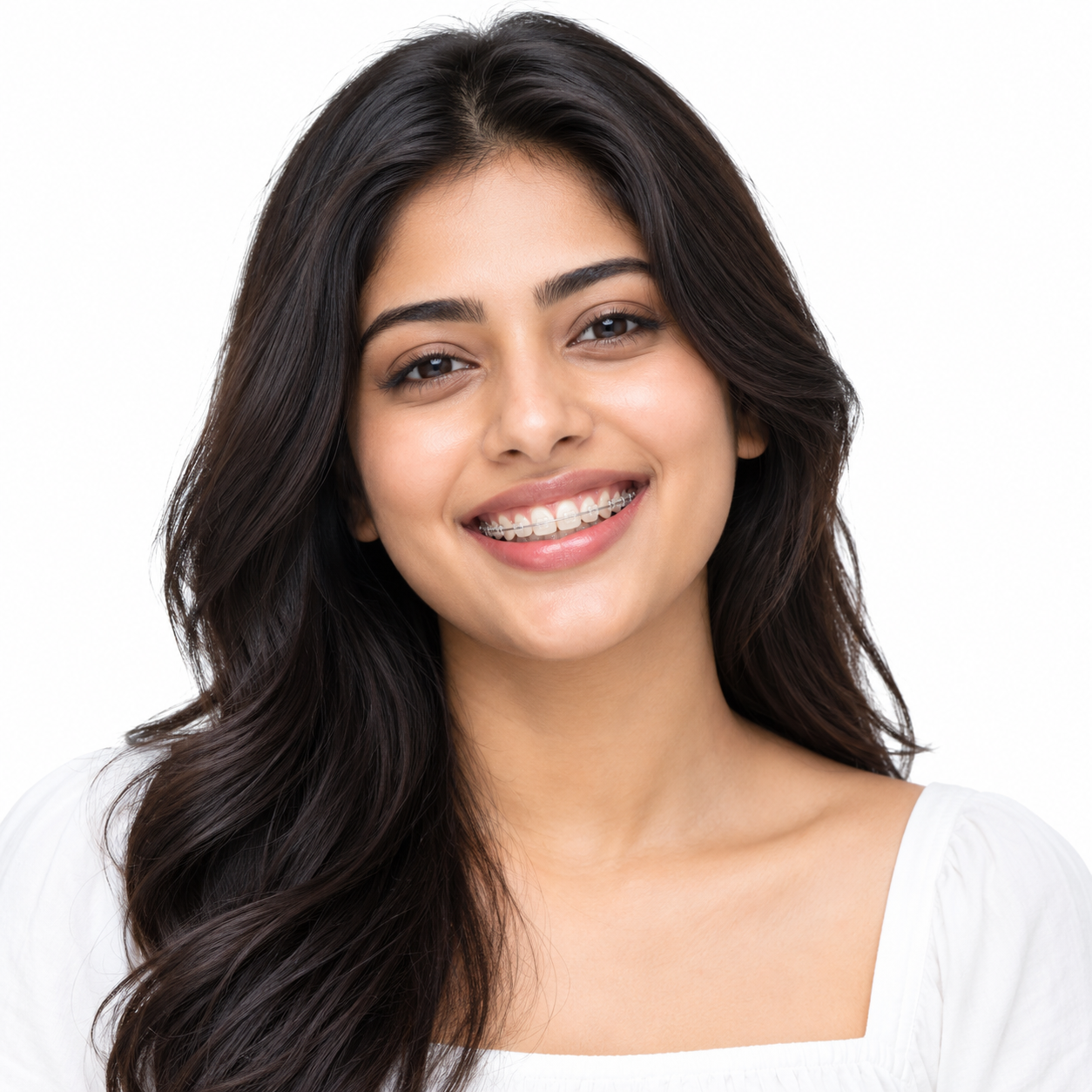
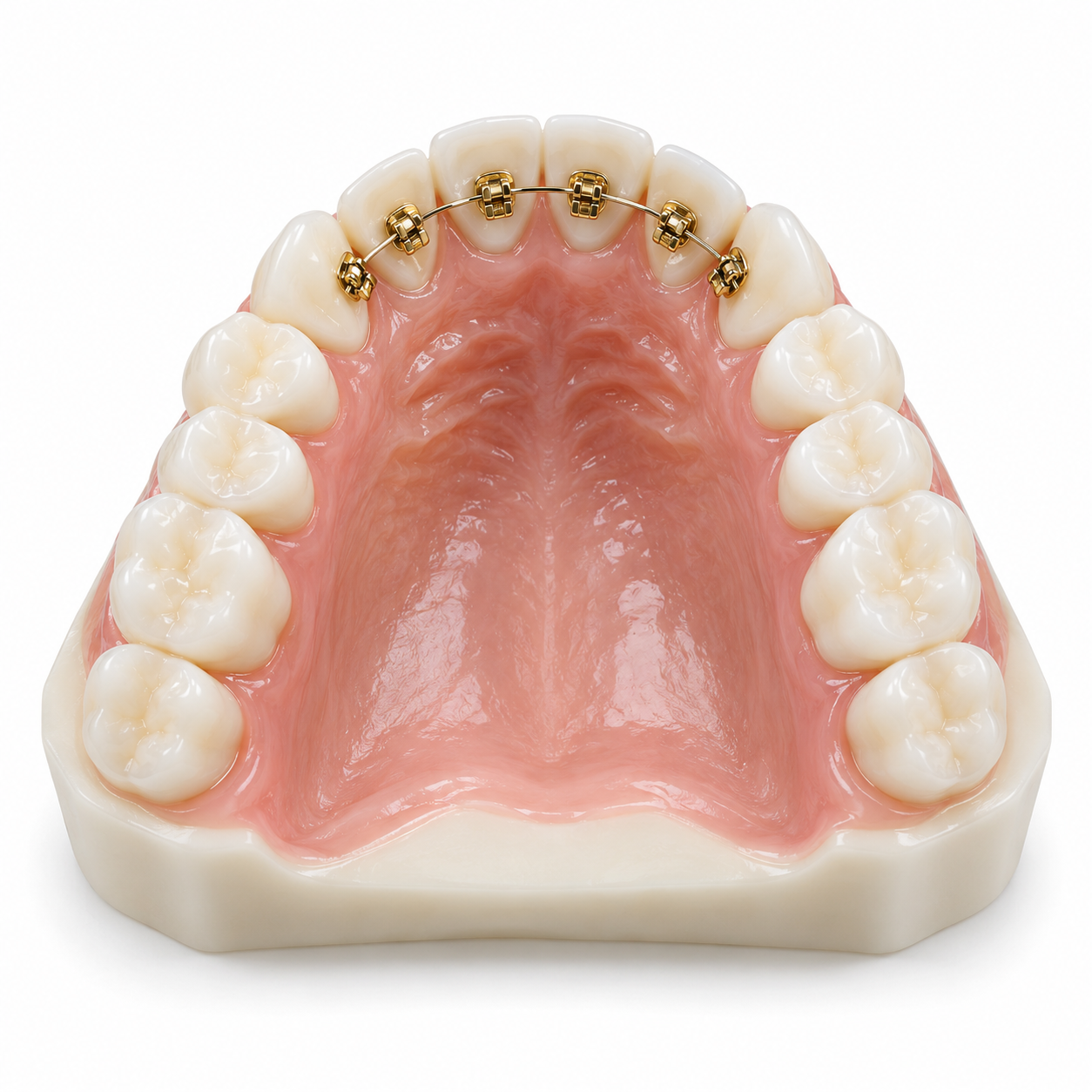
Fixed Orthodontic Appliances: A metal or clear twin-bracket system is used to retract a flared front of teeth and get the teeth back into the normal shape of the dental arch which provides a better supporting structure for the lips.
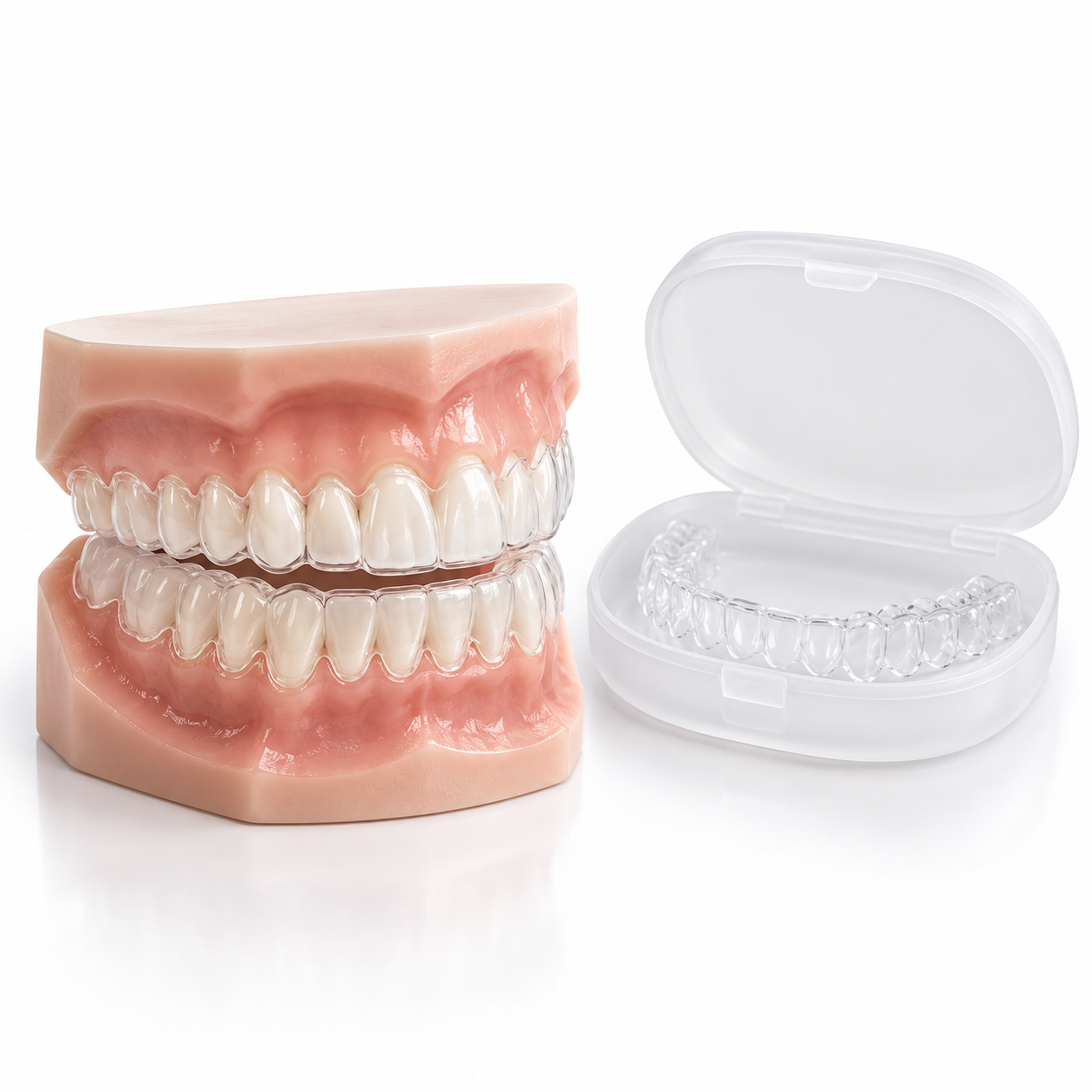
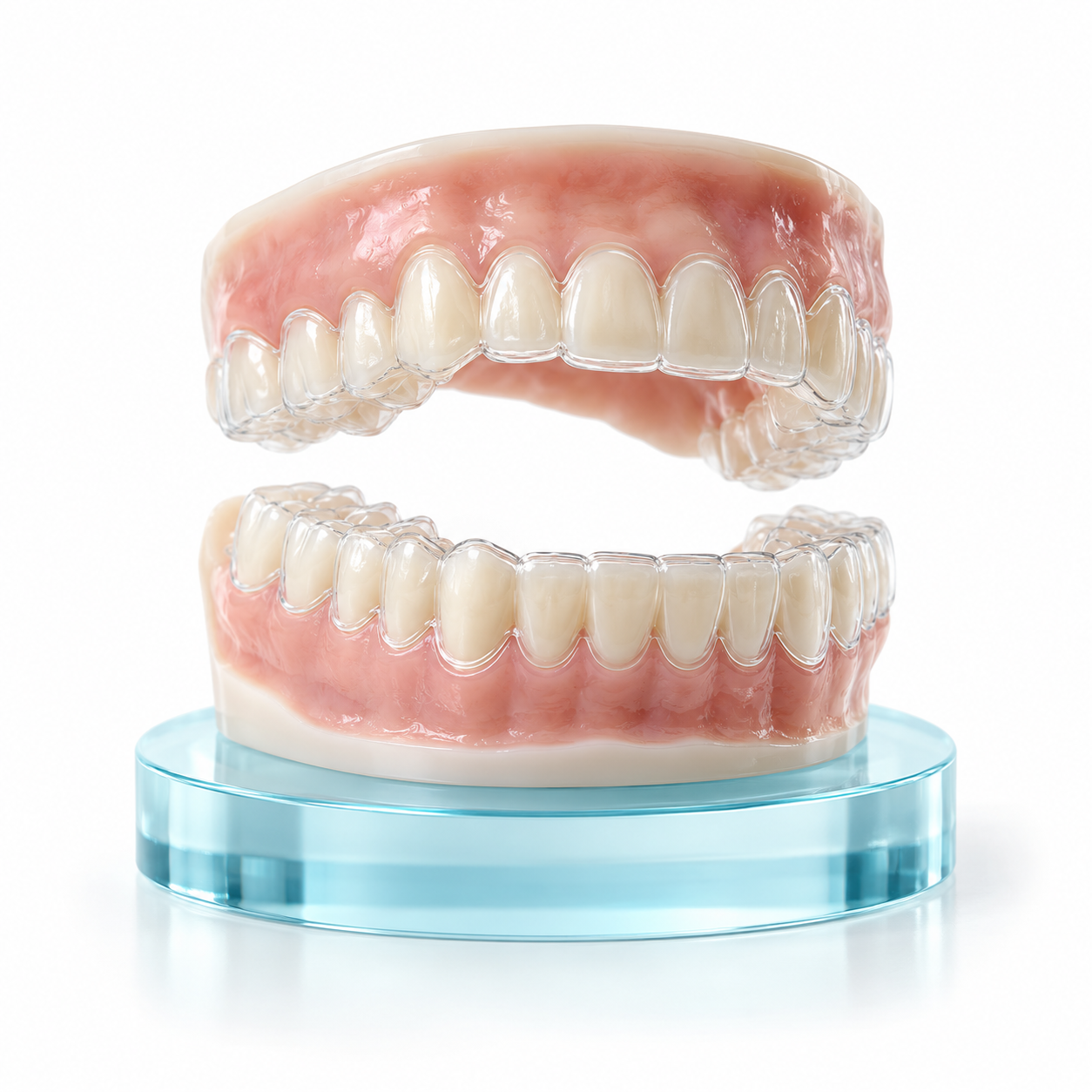
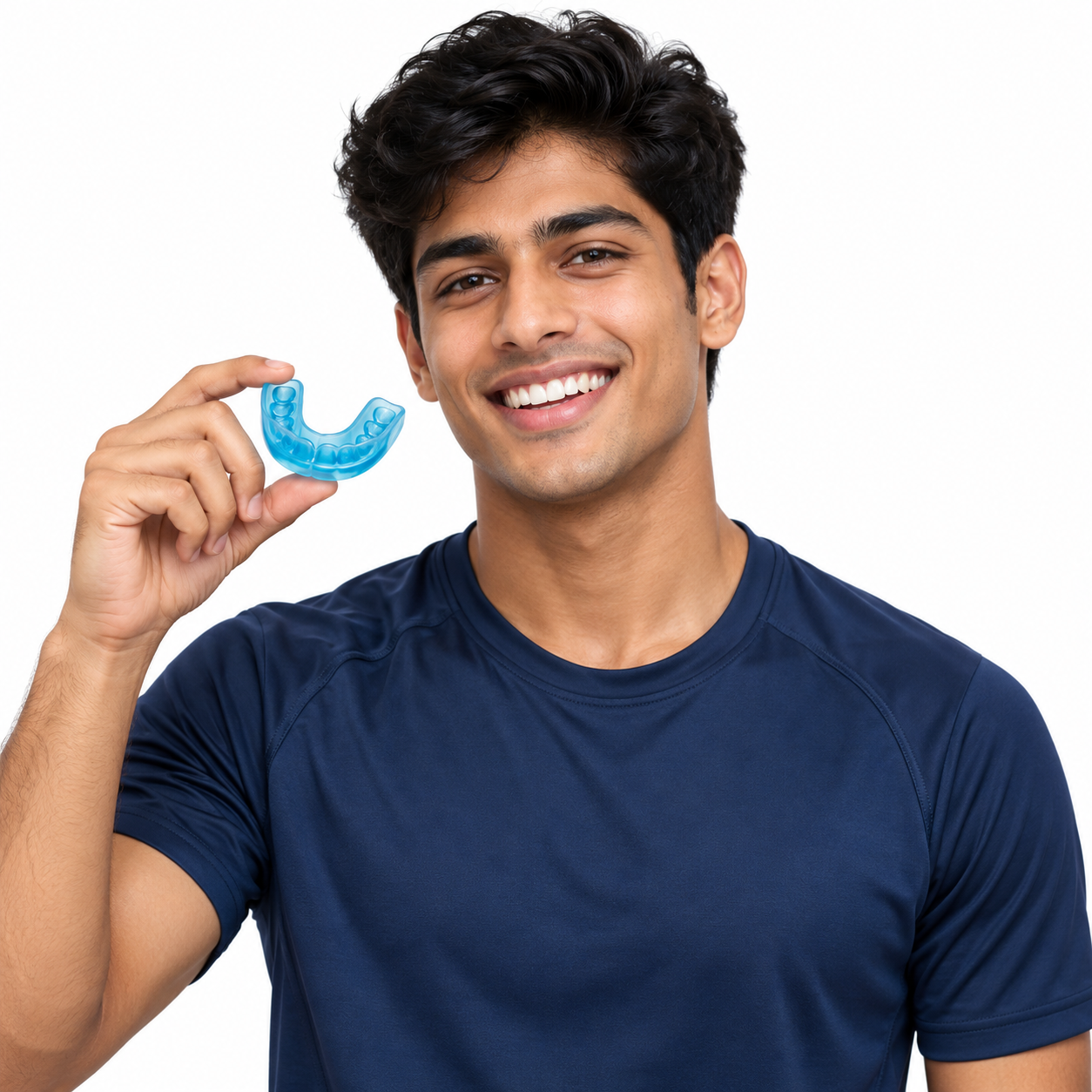
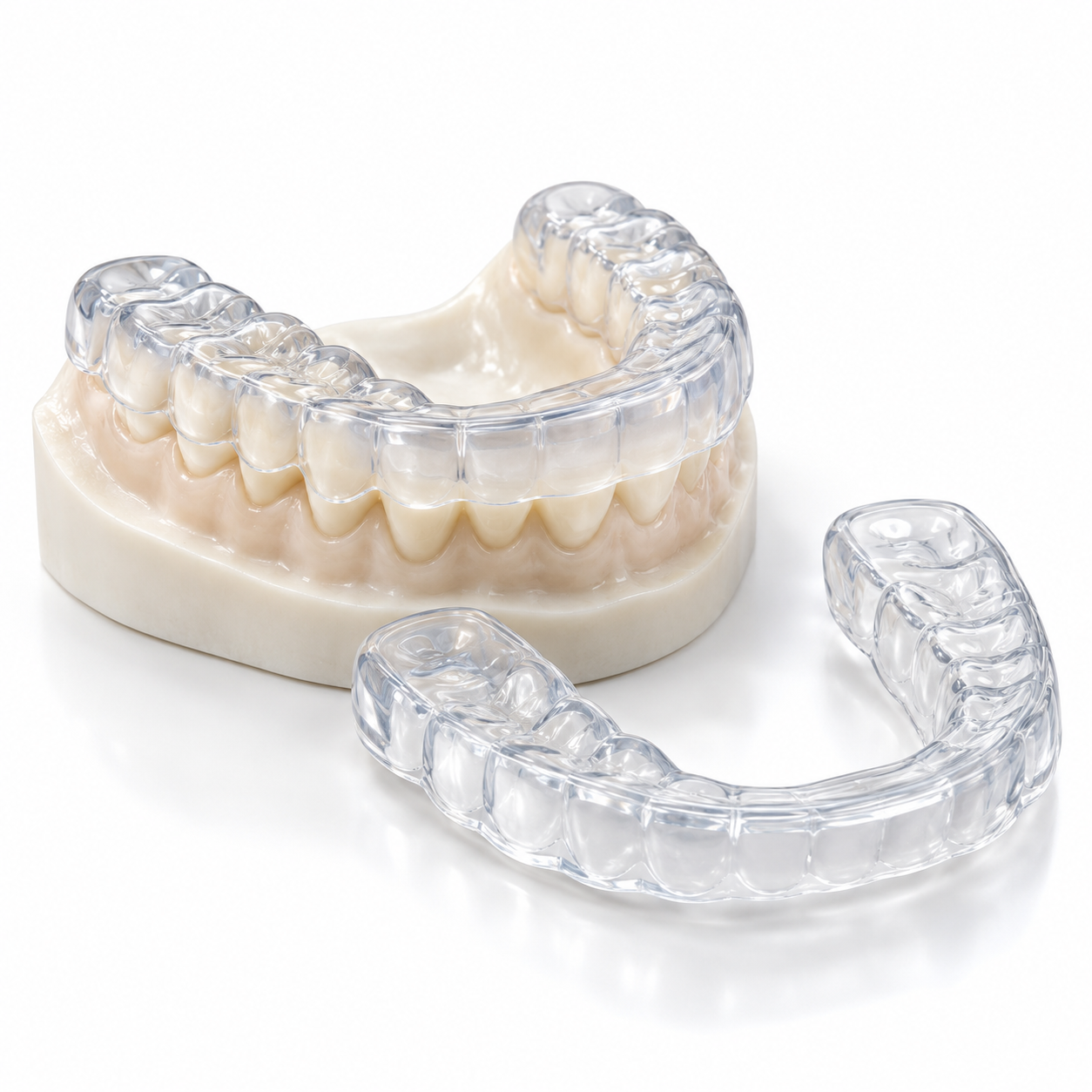
Clear Aligners: Thermoplastic Clear Brackets are made by taking molds of your upper and lower teeth. These custom clear brackets with small attachments are placed on your teeth and gently pull the incisors back, creating a more pleasing smile that is less noticeable than traditional braces.
Myofunctional Therapy: This type of therapy uses specific exercises to help develop strength and function in the muscles of the face. The goal of this therapy is to create an environment where nasal breathing becomes more comfortable than mouth breathing. Nasal breathing allows for proper use of the muscles around the nose and lips during swallowing and speech. It also helps prevent the development of flared or long teeth because it keeps the tongue from pushing against the sides of the upper jaw.
Surgical Orthognathic Realignment: An individual with a severe overbite may require surgical intervention before their teeth can be aligned properly. There are two types of surgery that can be performed: a Le Fort I Osteotomy and/or Mandibular Advancement Surgery.
|
Treatment / Procedure Category |
Cost Range (INR / ₹) |
|
Orthodontic Retraction Braces |
₹35,000 – ₹90,000 (Depending upon what kind of bracket you choose: Metal or Ceramic) |
|
Clear Aligner Treatment |
₹80,000 – ₹2,50,000 (Depending upon whether or not you go through a premium clinic within some major Kerala cities such as Kochi, Thiruvananthapuram, and Kozhikode) |
|
Myofunctional Rehabilitation |
₹10,000 – ₹25,000 (Depending on how many sessions you need in order to complete one module of facial therapy) |
|
Surgical Corrective Procedures |
₹1,50,000 – ₹3,50,000 (Depending on how much corrective work needs to be done at a hospital based orthognathic treatment center) |
Orthodontists: They are primary specialists in developing a biomechanically-based retraction plan to align severely flared anterior teeth and reorganize the arch shape.
Oral and Maxillofacial Surgeons: These surgeons are essential in addressing serious skeletal class II malocclusions that require surgical repositioning of bones.
Myofunctional Therapists: These allied health professionals provide soft tissue education and assist patients with achieving muscular balance as it relates to the lips and tongue.
Periodontists: These specialized care providers will treat the patient's periodontal disease; especially in cases where there is advanced gum inflammation and/or recession on dehydrated front teeth.
Immediate Evaluation (Within 24–48 Hours): Required if there has been acute blunt trauma to protruding teeth that have resulted in a lip laceration or severe dental micro-fractures.
Scheduled Consultation (Within 2–4 Weeks): This evaluation should be scheduled if there have been ongoing symptoms including chronic dry mouth, chronic bleeding from gums, or chronic strain of the lip which has resulted in impaired communication skills and /or impacted their ability to eat.
Elective Care: This includes long term orthodontic treatment for skeletal corrections and/or elective cosmetic re-design of your smile.
What causes my front teeth to protrude outward so that they make my chin appear as though it has a dimple?
Your upper front teeth are "flaring," i.e., they flare outward. Therefore, when you attempt to close your mouth, your lips will have to extend beyond the tips of your upper front teeth. The mentalis muscle is located at the bottom of your chin. This muscle assists with lifting the lower lip in order to pull it over your upper front teeth. As such, this creates an excessive tightening, puckering or a "golf ball" type of dimpling of your lower lip area.
Will adult patients who have protruding front teeth and incompetent lips be able to wear clear aligners?
Yes. Clear aligners utilize controlled micro-movements (or tiny movements) to move your protruding front teeth back into their normal positions and reduce the amount of strain that your lips experience. This allows you to naturally and comfortably close your mouth without using traditional metal braces.
In what price range can I expect to pay for treatment to correct flared teeth in Kerala dental clinics?
The prices for correcting flared teeth in Kerala range from ₹ 35,000 for basic metal braces to ₹ 2,50,000 for advanced clear aligner treatments based upon the clinical complications involved, the types of materials used in each treatment option, and the geographic locations of the clinics in which you seek treatment throughout the state. Major cities include Kochi, Kozhikode, etc.
Lip incompetence combined with flare of anterior maxillary dentition is best treated by a multi-disciplinary clinical strategy integrating aspects of dental mechanics and/or biomechanics as well as rehabilitation of soft tissue. The initial procedure of retracting the anterior segment provides sufficient mechanical clearance for the lips to close passively, however, it does not address the existing neuromuscular habit which can cause relapse. All patients who are undergoing this type of corrective surgery at Regional Centres in Kerala need to be examined cephalometrically and/or periodontically prior to initiating treatment so that both the structural integrity of their teeth and aesthetic considerations of their face can be protected.
.jpg)
.jpg)
.jpg)
.jpg)
.jpg)
.jpg)
.jpg)
.jpg)
.jpg)
.jpg)
.jpg)
.jpg)
This site is part of the DEC Dental Network — a Dental Equity & Connectivity ecosystem of clinical, educational, and patient-support brands operated by Team Dental Pvt. Ltd. Our network works as one — guiding you from your first search to your final smile.
© 2026 Team Dental Pvt. Ltd. · Founded 2013, Angamaly, Kochi, Kerala
About DEC Dental