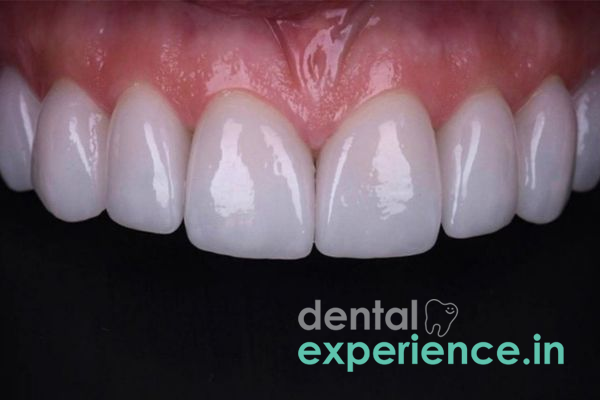
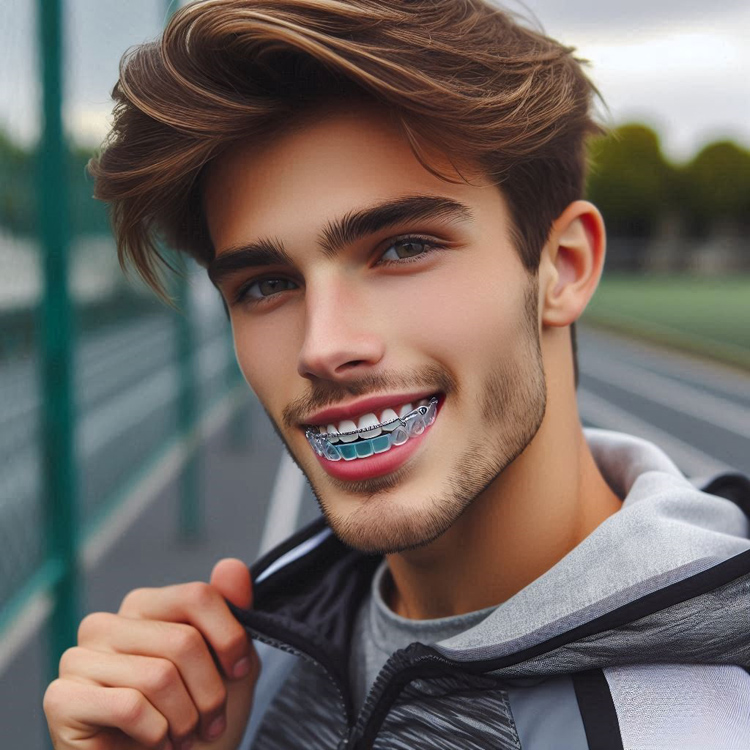
Male Smile is centered upon the particular morphologic characteristics inherent in the male face, particularly a strong mandible (the jawline) and well-developed brow ridges. While female dental aesthetics tends to include softer and rounded contours of the teeth. A male smile design includes features of square incisal edges, prominent canines, and a greater total mass of the teeth. These are not aberrations, but rather natural genetic variables in the shape and size of the teeth contributing to what could be termed as "brash" or "tough".
In order to quickly understand male variations in dental morphology, you need to know these basic tenets:
Morphology: A predominance of squares and rectangles over ovals.
Anatomy: Sharp line angles (approximately 90 degrees) at the incisal edges.
Canines: Longer, more pointed ("tough") and more prominent canines.
Smile Arc: A flatter, horizontal alignment when compared to the lower lip.
Male dental variations are identified through the observation of specific visual cues to anatomical features of the tooth. These are visual indicators that identify male smile design from others:
Central Incisors: The two front teeth are physically larger than those found in most women and are also blockier in their overall shape, and therefore frequently considered the center of attraction within the smile.
Line Angles: The angle where the anterior surface of the tooth meets its side surface is sharper. In contrast to rounded (rounded embrasures) line angles found in feminized teeth, male teeth have sharply angled line angles.
Prominent Canines: Many times male variations will have canines that protrude somewhat below the level of the lateral incisors indicating a muscular presence.
Incisal Plane Flatness: From directly in front, the edge of the upper teeth are normally arranged in a more horizontal plane rather than a deep U-shaped curve.
There are some circumstances where male dental morphology may become problematic and necessitate clinical intervention:
Occlusal Interference: Large tooth size may lead to significant crowding and poor hygiene practices that significantly increases the likelihood of developing periodontal disease.
Pathological Attrition: Although the flatness of teeth is likely due to development, abnormal attrition is medically concerning. Bruxism (teeth grinding) is a common contributor to pathological attrition.
Size Discrepancy: Localized macrodontia refers to an abnormally large tooth that causes problems with both aesthetics and function. It may require orthodontic treatment or restorative sizing.
The development of male tooth morphology is strongly influenced by genetics and hormones. In terms of odontogenesis (tooth development), the following factors were at play:
Biological Blueprint: Inherited traits determine the general template for tooth shape and the width of the dental arch.
Sexual Dimorphism: Research has shown that males tend to have 10%-12% more tooth mass than biological females. This difference is largely due to increased dentin volume.
Hormonal Influence: High levels of testosterone during early developmental years are thought to affect the degree of robustness seen in the skeletal and dental systems.
There are many factors that can increase an individual's propensity to develop more pronounced male dental variations:
Hereditary: Family histories of having large, "blocky" shaped front teeth or wide jawlines.
Regional Genetic Variation: Individuals living in populations of South India (including Kerala) often have robust dental anatomy and wider dental arches.
Developmental Environmental Factors: Nutritional factors during early developmental stages can impact both mineralization and ultimate size of permanent dentition.
Individuals can self-assess their own dental morphology by looking for specific "transitions" while examining themselves in a mirror:
Shape Test: Do your front teeth appear more like right-angle rectangles with sharp edges, or do they taper down towards the gum-line?
Corner Check: Examine the inside corner of each front tooth. Are they angularly defined (sharp lines), or rounded?
Canine Check: Run your tongue across each canine (the longest tooth behind your front teeth). Are they "pointed" and stand out from your other teeth?
Horizon Line Test: Smile naturally. Is the line created by the top edge of your front teeth similar to a flat horizon, or does it resemble a U-curve?
Using Digital Smile Design (DSD) technology, clinicians diagnose whether a person would benefit from a male-oriented cosmetic dental treatment by analyzing:
Ratio of Width-to-Length: The ideal ratio of width-to-length for a central incisor in a male is about 80-85%.
Facial Mapping: Clinicians map facial "angles" to dental "angles" using 3D intraoral scanning.
Analysis of Golden Proportion: The clinician evaluates how big the teeth are related to the entire width of your mouth.
Clinically speaking, dental variations that are part of masculine smile design are categorized according to their effects on facial harmony:
Mild: Normal masculine attributes that require no alteration.
Moderate: Bold enough to produce some crowding or overlapping among teeth, often requiring minimal contouring.
Severe (Macrodontia): Extremely large teeth that interfere with proper occlusion and cause problems with chewing or biting, which requires orthodontic treatment or reduction via restoration.
Contemporary dentistry provides several options for enhancing or refining masculine dental aesthetics:
Veneering for Men Porcelain shells custom-designed with sharp line angles and realistic textures to present an image that resembles rugged teeth.
Bonding Composite Material: Additive process where a tooth colored composite resin is used to "square up" rounded or worn edges.
Enameloplasty: Pain-free removal of very small amounts of enamel to change a rounded tooth into one with a more angular profile.
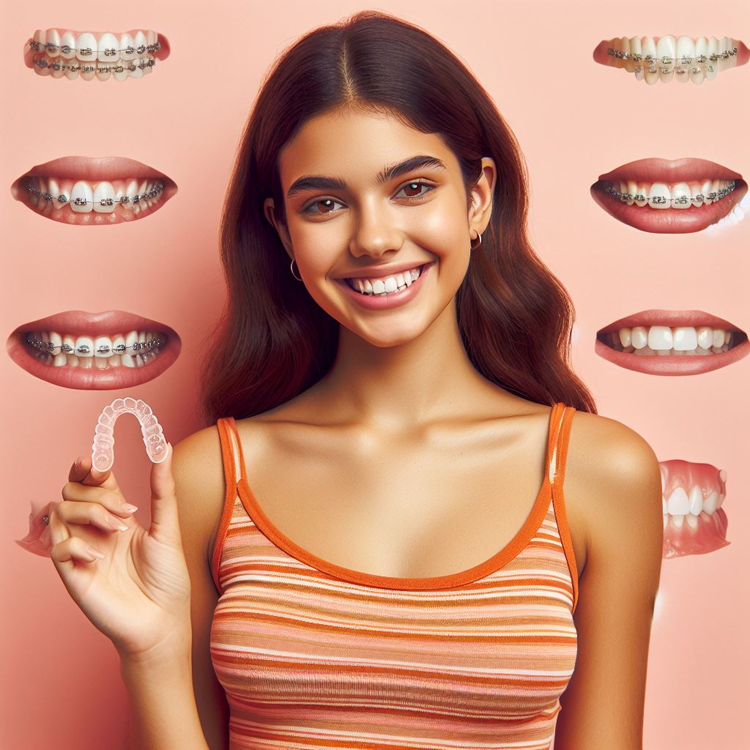
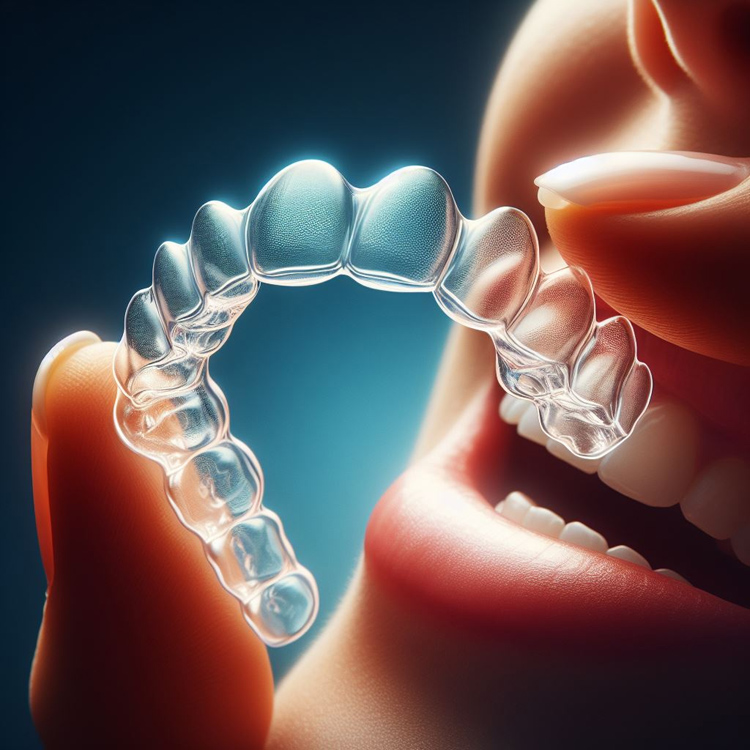
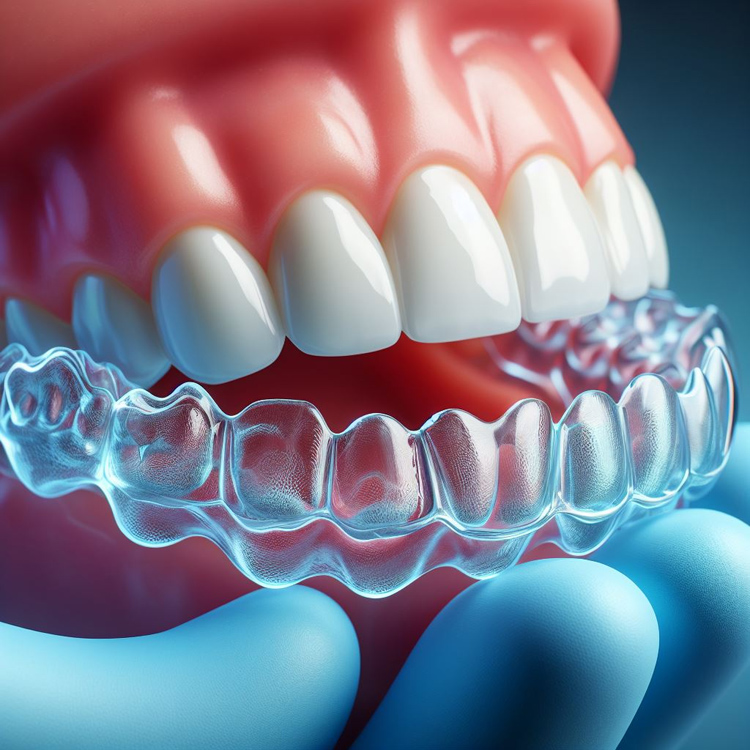
Orthodontics / Invisalign : Aligning your teeth so that you get a flatter, more masculine smile arc.
Prices for these services vary in accordance with the technology employed as well as the expertise required:
Composite Bonding: May range from ₹3500/-per tooth to ₹8000/-per tooth, depending on the complexity and type of filling needed.
Porcelain Veneers: Prices for porcelain veneers start at around ₹18000/- per tooth, although prices may exceed ₹40000/- per tooth depending on materials (E-max etc.).
Simulation DSD (Digital Smile Design): A simulation of designing your smile digitally usually ranges from ₹3000/- to ₹6000/-
When pursuing high end male smile enhancement treatments, patients should search for:
Cosmetic Dentist: Focuses on artistic aspects of shaping tooth forms and colors.
Prosthodontist: Highly skilled engineer of bites and/or more complex restorations.
Certified Digital Smile Design (DSD) Specialist: A dentist who specializes in utilizing dedicated DSD software to plan and preview the aesthetic outcome prior to beginning treatment.
There is typically no medical urgency for treating masculine tooth shapes, as they are a natural variation. However, if a patient is unhappy with the "softness" of their smile or if the size of the teeth is causing functional wear, a consultation is recommended. Aesthetic treatments are elective but should be planned carefully to ensure long-term dental health.
Can masculine teeth be "softened" if they look too aggressive?
Yes. Through a process called "feminization" of the smile, a dentist can round the sharp line angles and shorten the canines slightly to create a softer appearance.
Will veneers for men look "fake"?
Not with modern 2026 techniques. We now use "micro-layering" and "natural translucency" to ensure that masculine veneers look like real, rugged teeth.
Is the procedure painful?
Most masculine smile enhancements (like bonding or DSD-guided veneers) are minimally invasive and involve little to no discomfort.
The hallmark of a truly masculine smile is not just the squareness of the teeth, but the harmony they create with the man's overall facial features. In clinics, we emphasize dental aesthetics, which celebrates natural variations like slightly longer canines and flatter arcs. By utilizing Digital Smile Design, we can provide patients with a preview of how these bold shapes will complement their specific features before any treatment begins.

.jpg)
.jpg)
.jpg)
.jpg)
.jpg)
.jpg)
.jpg)
.jpg)
.jpg)
.jpg)
.jpg)
.jpg)
.jpg)