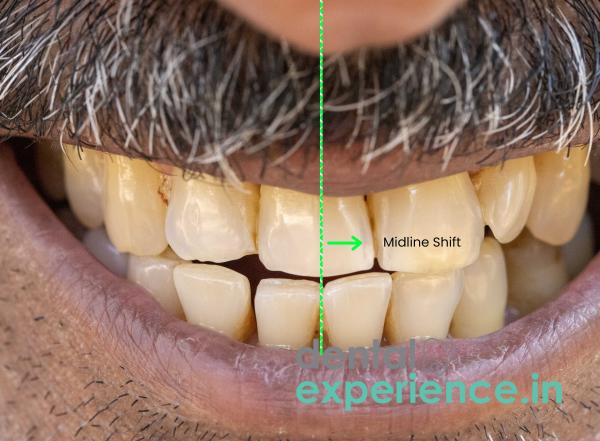
The midline is the imaginary vertical line which divides the face into two equal parts. A dental midline shift is defined as when the central line dividing your upper or lower front teeth does not coincide with the actual mid-sagittal plane. A dental midline shift is a manifestation of an underlying malocclusion (bite misalignment). Dental midline problems can exist independently or as a result of an underlying skeletal asymmetry of the maxilla (upper jaw bone) or mandible (lower jaw bone).
In addition to creating mechanical imbalances in the masticatory system (your chewing mechanism), improper alignment of the teeth also results in uncoordinated distribution of mechanical forces. Therefore, the manner in which the dental cusps (raised areas on the chewing surface of the teeth) come into contact is altered. With time, excessive strains upon muscles used for chewing, increased tooth wear, and functional tension throughout the facial structures can develop as a result of a severely shifted midline.
Definition: clinical definition of a dental midline problem is an example of a type of Asymmetry, where there is failure to match the vertical interface between the central incisors and the facial midline.
Indications: Urgent indications include unilateral jaw pain, localized gum recession, shifting bite mechanics, a clicking sound in the jaw joint or rapid enamel wear.
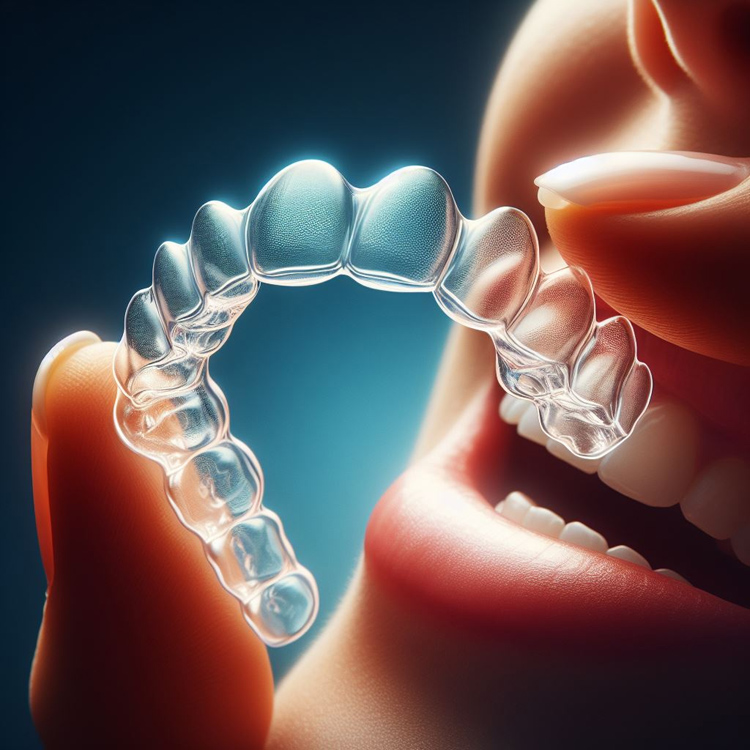
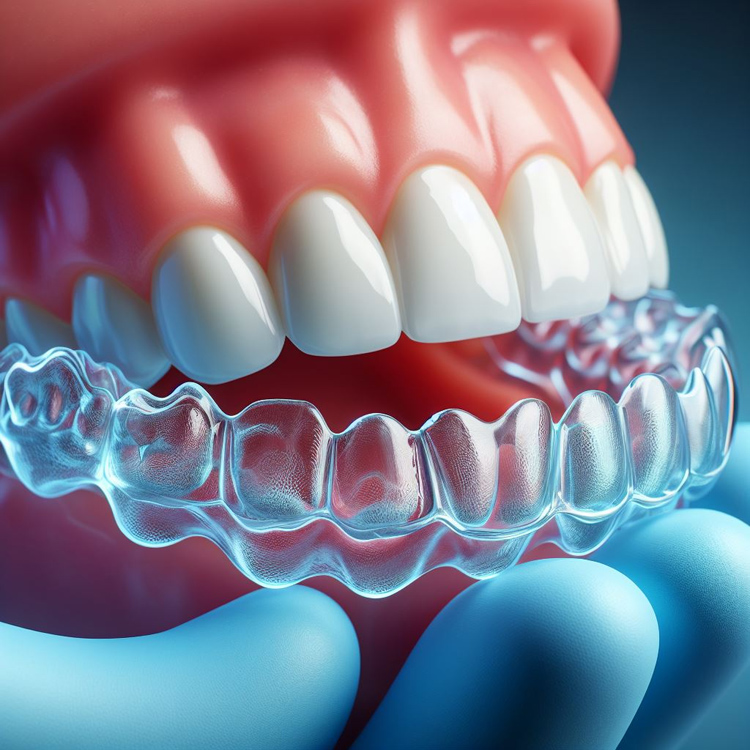
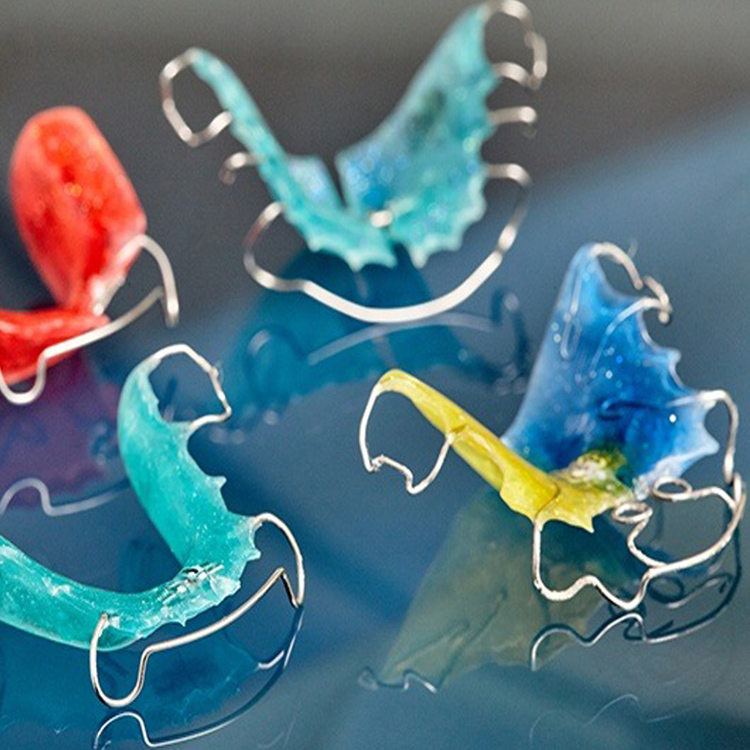
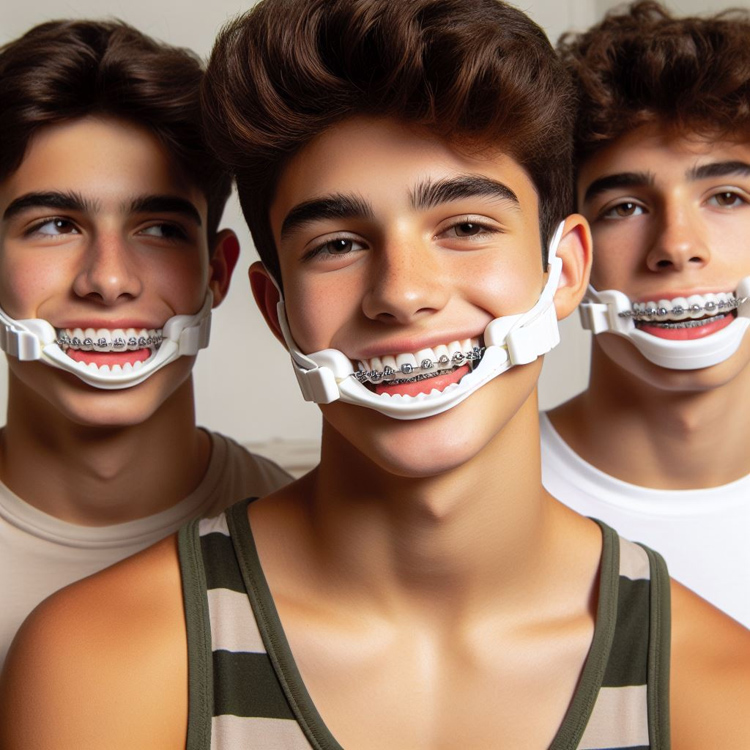
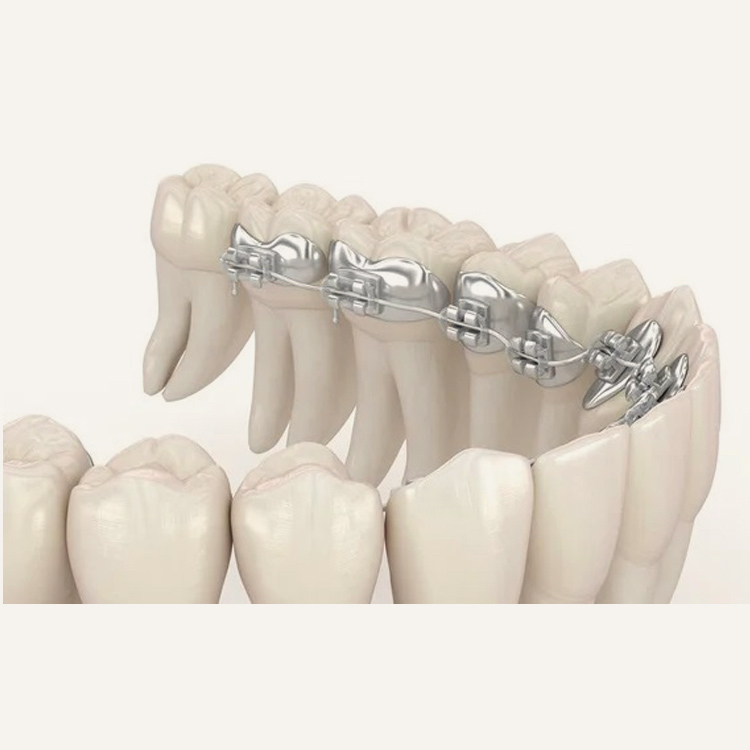
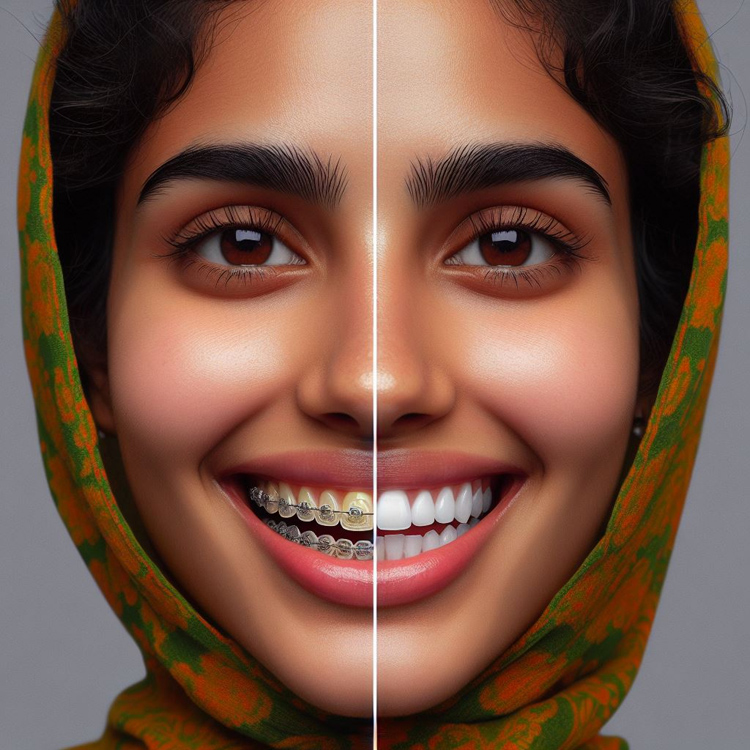
Treatment Options: Clear aligners, traditional fixed orthodontic brackets, intermaxillary elastics, or in case of skeletal deformities — surgical correction of the jaw.
Diagnostic Standards: 3D digital intraoral scans, panoramic and posteroanterior (PA) cephalometric radiography, or Cone Beam Computed Tomography (CBCT).
Dental patients experiencing a midline shift will generally experience small but significant visual and physical differences in their daily oral health prior to realizing they have an overall Asymmetry.
Visible Deviation: The most visually apparent indicator of a midline problem is when the center of the upper teeth do not align with the the vertical groove extending from below the nose to the upper lip (philtrum).
Asymmetric Bite Force: Patients experiencing a midline problem will often report that teeth on one side of the mouth touch before those on the other side during the act of eating. They will also likely tell you that they feel as though one side of the jaw applies greater pressure than the other side when trying to chew solid food items.
Increased Enamel Wear: Repeated uneven friction can lead to micro-fractures within the enamel matrix of individual teeth causing them to lose their sharp chewing edge (flatness of the canines or incisors).
Localized Gum Recession: Continued uneven friction may eventually cause the margin of the gums surrounding each tooth to recede from its supporting structure.
Biting Anterior Soft Tissue: Because the front arches do not meet symmetrically, individuals may frequently pinch or bite the soft tissue of their lower lip or the corner of their inner cheek on the side toward which the midline deviates.
A very minor dental midline deviation of less than 2mm is usually simply a cosmetic issue. There are however some symptoms that would necessitate urgent referral to an orthodontic specialist to avoid potential long-term degenerative damage to either the joint or other bony structures:
Jaw Drifting: Where the center line of your teeth appear to be shifting further apart over several months indicates structural instability.
Jaw Joint Clicking or Locking: Clicking, popping, or dynamic locking of the temporomandibular joint (TMJ) suggests that underlying skeletal jaw asymmetry or associated muscle tension may be altering the mechanics of the joint's articulating disc.
Tooth Mobility: If your anterior (front) teeth become slightly mobile under standard chewing forces, it often indicates primary occlusal trauma (excessive stress on the supporting ligament). If combined with periodontal disease, this can accelerate localized bone loss.
Prolonged Severe Pain: Sustained myofascial pain or headache pain concentrated to one area of your head or temple commonly indicates extreme over-compensation of muscles caused by a non-linear path of jaw closure.
Midline problems rarely occur in isolation. Rather, they occur as a combination of physical trauma, habitual practices and/or mechanical stresses:
Premature Loss of a Tooth: After the premature loss of a primary (baby) tooth or a permanent molar due to severe decay, neighboring teeth will drift into the vacant space. As a consequence, all of the adjacent teeth migrate laterally and create an asymmetrical dental arch.
Habits on Only one Side: Long term sucking on one side of the mouth using thumbs or tongues thrusting into one side of the dental arch can alter growth patterns in children's jaws.
Facial Injury: Facial trauma can cause dentoalveolar fractures or jaw displacements, if these heal in a misaligned position, or if teeth are displaced during the injury, a permanent shift in the midline can occur.
Repetitive Friction to one Side From Food Items: In regions such as Kerala, people consume tough and fibrous traditional foods, and therefore create extremely high amounts of friction when they eat and if they prefer to favor one side. Repetitive friction to one side of the jaw can make an already unstable condition worse.
There are many factors that contribute to increasing a person's risk level for developing an asymmetrical midline:
Size Imbalance Between Teeth and Jaw: Macrodontia or microdontia is characterized by an unequal ratio of tooth size to jaw size. In situations where there are larger teeth than available space, crowding forces teeth to protrude out of their proper location, and thus displace the midline laterally.
Skeletal Asymmetry: Genetics can play a role in how fast the right half of the mandible grows compared to the left half. Thus, creating an unstable environment where displaced bone causes an unstable dental midline.
Missing Teeth at Birth: When missing adult teeth (most common missing upper lateral incisors) are present, it leaves large voids that encourage total arch drift.
Insufficient Periodontium: Continuous gum disease leads to weakened collagen fibers in the periodontal ligament. Without strong support, teeth are easily moved by continued forces during normal mastication.
A safe, preliminary visual examination may be performed by standing in front of a well lit mirror without exerting any additional force upon your teeth:
Step 1: Identify your true vertical midline. Stand straight and look forward. Visualize an imaginary vertical line that runs through the center of your forehead, down through the bridge of your nose, and down through the middle of your chin.
Step 2: Relax your chewing muscles. Swallow completely, allow your jaw to relax, and let it assume its natural resting position. Do not force your teeth together unnaturally or slide your jaw from side to side.
Step 3: Assess your upper front teeth. Make a gentle smiling motion to expose your front teeth while keeping your back teeth in their natural resting contact. Check if the vertical line running between your top two front teeth aligns with your facial vertical midline. Note if your jaw path alters or slides sideways as your back teeth make final contact.
Step 4: Evaluate your lower front teeth. Gently pull down your lower lip. Evaluate if the vertical line between your lower two front teeth aligns with the upper midline and your facial midline. Observe if your lower line shifts visibly out of place as you open your mouth wider, which can indicate a functional jaw shift.
Accurate diagnosis depends upon obtaining various forms of diagnostic information including imaging studies and assessing functional movement:
3D Optical Digital Intraoral Scans: Provide highly detailed three-dimensional images of both upper and lower arches. Record how they interact with one another at every point.
Panoramic & Lateral Cephalometric Radiographs: Provide structural views where panoramic films reveal individual root angle relationships across the arches, and cephalometric films assess the overall angular orientation of the jaw bones relative to the skull.
Targeted Vitality Tests: Utilizing thermal or electric stimulation on specific teeth showing signs of past trauma or deep decay to ensure the health of the dental pulp before orthodontic forces are applied.
Palpation & Movement Pattern Analysis of the TMJ: Press gently on each TMJ while opening/closing your mouth. Check for unusual movement patterns and signs of uneven muscle tension.
Clinicians group dental midlines according to severity grade so treatment planning can be completed correctly:
|
Degree |
Measurement of Shift |
Structural Issues |
Common Complaints |
|
Mild (Grade 1) |
< 2 mm |
Limited tipping of front teeth. |
Primarily aesthetic, no joint discomfort/chewing complaints. |
|
Moderate (Grade 2) |
2mm-4mm |
Complete displacement of arch, moderate bite mismatch. |
Localized enamel wear/gum strain/mild TMJ click. |
|
Severe (Grade 3) |
> 4 mm |
Deep skeletal malalignment |
Chronic TMJ pain/evident chewing difficulty/ evident facial asymmetry. |
Costs vary widely depending on the type of correction and the quality of materials used. The common price structure of a standard Kerala dental clinic reflects the following price ranges for corrections:
Metal or Ceramic Brackets: Metal brackets are generally priced in the range of Rs. 30,000 to Rs. 90,000 depending upon whether ceramic brackets are chosen for aesthetic purposes.
Domestic Clear Aligners: Clear Aligners produced locally in India in general fall in the price range of Rs. 60,000 to Rs. 150,000.
Global Premium Aligner Systems: Advanced global premium systems such as Invisalign fall in the price range of Rs. 150,000 to Rs. 350,000 depending on the complexity of correction of the individual case.
Surgical Re-alignment: Hospital and surgical costs of realigning the jaws surgically for severe skeletal problems are typically in the range of Rs. 150,000 to Rs. 400,000.
Balancing a smile requires coordination among several different specialty areas, depending on how severe the midline is:
Orthodontist: Diagnoses and treats the orthodontic conditions causing the malalignment. They utilize braces, Clear Aligners, and elastic bands to direct the movement of both the teeth and arches into proper alignment.
Oral & Maxillo-Facial Surgeons: These specialists treat skeletal shifts that are too great to be corrected solely with orthodontics. They surgically adjust the jaw bones to create space for realignment.
Prosthodontists: When a midline is displaced because there are no posterior teeth present, a prosthodontist creates a bridge or a dental implant to replace the lost teeth and prevents adjacent teeth from continuing to migrate outward of their original position.
Treatment urgency depends greatly on the degree of your symptoms and why your midline is shifted:
Immediate treatment is required if your midline shift is associated with acute locking of the jaw, sharp pain in the temporomandibular joint, or immediately after trauma to the face.
Prompt Consultation within 2 – 4 weeks if you note your teeth are currently moving or you have rapid recession of your gums around some anterior (front) teeth or frequent headaches due to clenching/muscle tension.
Optional scheduling within 1 – 3 months if the midline has remained stationary for many years and you wish to refine the aesthetics of your smile.
Will a dental midline shift self-correct over time without wearing braces?
No. Adult teeth once fully developed and grown into their final position will not move on their own without orthodontic force applied externally to reshape the supporting bone and realign the arches.
Does a correction for an off-centered midline affect how I look in terms of my overall facial features?
If only minor, isolated to the teeth themselves, a correction of a mildly off-centered midline will be very subtle and simply focus on creating a perfectly balanced and symmetrical smile.
Are Clear Aligners equally effective as metal braces for treating an off-centered midline?
While clear aligners are highly effective for minor dental midline deviations, traditional fixed braces with intermaxillary elastics generally offer superior, more predictable control for moderately severe and complex bodily tooth movements.
An important consideration in evaluating a patient who has a midline displacement is recognizing that although aesthetically pleasing smiles are certainly important considerations, so too is addressing a patient’s functional needs. An obvious indication of a poorly functioning occlusion/biting system is a shifting dental midline. As long as this misbalance remains untreated, it can lead to premature wear of your enamel on your teeth, localized bone loss and chronic strain on your temporomandibular joint. Using today’s advanced digital technologies, we can easily determine what is causing this malposition — whether it be due to overcrowding or an actual bone asymmetry — relatively quickly. By correcting this imbalance, we improve overall oral function and stability, significantly reducing the long-term risk of premature wear and joint discomfort when supported by proper orthodontic retention.




.jpg)
.jpg)
.jpg)
.jpg)
.jpg)
.jpg)
.jpg)
.jpg)
.jpg)
.jpg)
.jpg)
.jpg)