Morning bad breath is commonly known as transient nocturnal halitosis which describes an abnormal temporary foul smelling condition of the oral environment at waking. In the evening, salivary flow decreases substantially. Saliva functions to act as a natural cleansing agent and contains many enzymes with antimicrobial properties. When salivary flow diminishes, patients experience some degree of xerostomia (or dry mouth). The rapid multiplication of anaerobic bacteria in the oral cavity during the night occurs primarily on the posterior tongue dorsum and within the crevices or spaces of periodontal pockets. These anaerobic bacteria utilize salivary proteins, uncleaned particles of consumed foods, and shed epithelial cells as nutrients and release volatile sulfur compounds (VSC) such as hydrogen sulfide, methyl mercaptan, and dimethyl sulfide into the air, resulting in a strong, unpleasant odorous emission.
Clinical Definition: A temporary malodorous condition of the oral environment due to nighttime stagnation of saliva and subsequent metabolism by anaerobic bacteria.
Indications for Urgency: Indications for urgency include chronic spontaneous gum bleeding, chronic sour/metallic tastes, prolonged xerostomia despite adequate fluid intake, or painful mucosal ulcerations underneath a tongue coating.
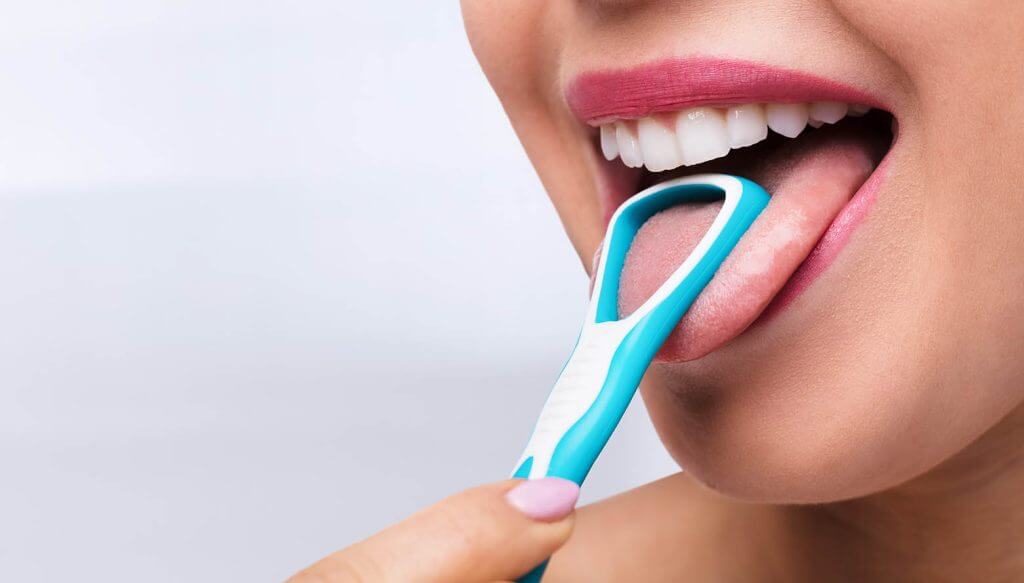
Treatment Options for Primary Recovery: Scaling/Root Planing performed professionally by a dentist/hygienist, daily use of a tongue scraper, application of CPC or zinc-based oral rinses, and treatment for underlying GERD or sinusitis.
Visual: A thick, white, yellowish or brown colored film that has developed on the back of your tongue is called a "tongue coating".
Tactile & Physical: In addition to the visual changes described above, you may notice a sticky or pasty texture on your tongue and palate in the morning upon waking.
Auditory / Sensory: Morning bad breath (halitosis), which becomes noticeable as soon as you begin breathing through your mouth.
If you are experiencing persistent morning bad breath (halitosis) that doesn't resolve with brushing, persists all day long, or is accompanied by:
Bleeding or pus at the gum line during toothbrushing.
Loose teeth or increasing spaces between your upper molars.
Dryness in the throat, difficulty swallowing or chronic postnasal drainage.
Unusual, unexplained burning sensations on the tongue or mucous membrane.
Nocturnal Salivary Hypofunction: During the night time, when we are sleeping, our three major saliva producing glands which include the Parotid, Submandibular and Sublingual will produce much less than normal amounts of their secretions. This means that the protective cleansing mechanism is eliminated.
Proteolytic Activity by Bacteria: These bacteria can break down the proteins into Volatile Sulfur Compounds (VSCs). Porphyromonas Gingivalis, Treponema Denticola and Tannerella Forsythia are some of these anaerobic bacteria.
Oral Mucosal Dryness due to Mouth Breathing & Snoring: Airflow caused by mouth breathing or snoring accelerates mucosal dehydration and epithelial cell desquamation (shedding), providing an abundant protein substrate for bacterial putrefaction.
Uncleaned Food Residue & Plaque Biofilm: Poor dental hygiene provides an abundance of substrate for microorganisms to grow and decompose.
Eating Foods Rich in Sulfur Prior to Bedtime: Eating foods high in sulfur—like fish, dried fish, etc.—or heavy fats, such as coconut-oil curries, garlic gravy, and other similar foods eaten near bedtime, may lead to bad breath.
Periodontal Disease: If there is extensive gingival pocket formation in your gums, it creates a perfect environment for anaerobic bacteria to thrive. They cannot be reached with a toothbrush.
Smoking or Chewing Tobacco: Smoking or chewing tobacco harms the salivary glands' acinar cells and changes the oral microbiota.
Other Systemic Diseases: Patients with uncontrolled diabetes mellitus, GERD (gastroesophageal reflux disease), chronic sinusitis, or renal impairment may also experience bad breath.
Use safe preliminary testing at home by avoiding irritation of fragile mucous membrane surfaces:
Lick-and-Smell Test: Gently wipe the back portion (posterior dorsum) of your tongue with a clean cotton swab or piece of gauze, let it air-dry for 10 to 15 seconds, and then smell it to evaluate the presence of volatile sulfur compounds.
Spoon Sweep: Using a plastic spoon that has been turned upside down, use it to gently sweep away the back portion of your tongue. Observe the color of the debris left behind on the spoon and whether you can smell sulfur.
Floss Check: Place a small piece of plain dental floss between your upper and lower molars. Immediately upon removing the floss from the space between your teeth, take a whiff to determine if there is decaying interdental bacteria.
Organoleptics: A trained clinician evaluates odor intensity from both the mouth and nose on a 0 to 5 scale; odor originating solely from the mouth indicates an intraoral origin, whereas odor from the nose points toward a sinonasal or systemic cause.
Halimeters/VSC Monitors: These devices accurately measure the concentration of volatile sulfur compounds (VSCs) in parts per billion (ppb).
Probing and Digital Radiography: A periodontal probe will be used to measure the depth of the gingival sulcus or periodontal pocket around each tooth to detect loss of tissue attachment. In addition, digital radiographs, such as periapicals or bitewings, are taken to visually determine if there is any loss of bone surrounding a tooth or if there are any undetected caries where bacteria may reside.
Microbiological Evaluation: Tongue dorsum swabs aid in identifying the overgrowth of specific strains when cases have failed all prior treatments.
|
Level |
Clinical Presentation |
Primary Cause |
|
Grade 1 (Mild) |
Transient odor present only upon waking; clears completely within 10 minutes of brushing and drinking water. |
Physiological nocturnal dryness. |
|
Grade 2 (Moderate) |
Persistent morning odor that requires active tongue scraping; lingers slightly into the afternoon. |
Plaque biofilm, tongue coating, early gingivitis. |
|
Grade 3 (Severe) |
Pungent, rotten-egg or fishy odor that persists all day despite rigorous oral hygiene; accompanied by gum bleeding or dry mouth. |
Deep periodontitis, systemic reflux, chronic xerostomia, or sinus infection. |
Mechanical Debridement: Supragingival scaling and root planing beneath the gumline to remove hardened food debris (calcified tartar or calculus) and bacteria-laden pockets that exist below the gumline.
Chemotherapy with a Targeted Antimicrobial Agent: Mouth rinse solutions containing cetylpyridinium chloride (CPC), zinc acetate, or essential oils neutralize active volatile sulfur compounds (VSCs) without dehydrating oral tissues. Chlorhexidine (0.12%) may be prescribed short-term for active gum infections, but is not suitable for routine long-term halitosis management due to tooth staining and altered taste.
Management of Tongue Coating: Stainless steel or copper ergonomic tongue scrapers specifically designed to clear buildup from the posterior one-third of the dorsal surface of the tongue.
Salivary Stimulants and Bioadhesive Gels: Oral enzymatic gels (such as lactoperoxidase and lysozyme) applied before bedtime to keep mucous membranes moist.
Diagnostic and treatment cost estimates for each location in Kerala represent baseline cost structures for each region:
Consultation (Routine & Organoleptic Test): General Clinic: ₹300–₹700 | Multispecialty Hospital: ₹800–₹1,500
Ultrasonic Full-Mouth Scaling: ₹1,200–₹3,500
Deep Root Planing (per quadrant): ₹1,500–₹4,000
Antimicrobial Prescription Rinse/Gel Solutions: ₹250–₹600 per item
Insurance Reimbursement: Standard outpatient dental services typically are not reimbursed by general health insurance companies unless tied to an injury or hospitalization; however, dental-specific OPD (outpatient care) covers or outpatient care coverage (dental add-ons) typically cover costs associated with diagnostic scalings.
General Dental Surgeon: General dental surgeons are appropriate for performing a general examination, basic scaling, and diagnosing minor physiological morning breath.
Periodontist: Periodontists should be consulted whenever bad breath results from bleeding gums, extensive periodontal pocketing, bone loss, or significant gingival recession.
ENT Specialist (Otolaryngologist): ENT specialists should be consulted if the origin of the malodor lies with chronic tonsilloliths (tonsil stones), chronic sinusitis, or chronic postnasal drip.
Gastroenterologist: Gastroenterologists should be consulted if the halitosis has an acidic or sour smell resulting from severe gastroesophageal reflux disease (GERD), laryngopharyngeal reflux (LPR), or Helicobacter pylori (H. pylori) infection in the stomach.
Immediate (Within 24 – 48 hours): When there is a sudden onset of severe gum pain, facial swelling, fever, and/or a sudden increase in amount and severity of purulent discharge from the gums.
Schedule (Within 1 – 2 weeks): When morning bad breath is associated with recurrent bleeding while brushing, chronic dry mouth, and/or does not improve despite introduction of proper oral hygiene practices such as good tongue cleaning.
Why do I have bad breath in the morning, even though I brushed just before going to bed?
Even when you brush before bedtime, nocturnal salivary flow decreases significantly, eliminating the natural flushing action of saliva during sleep. As a result, residual anaerobic microorganisms break down proteins and dead cells overnight, producing volatile sulfur compounds (VSCs).
Will drinking water at night help me get rid of bad breath in the morning?
Yes. Sipping water overnight helps keep oral tissues hydrated, washes away stagnated oral debris, and maintains salivary moisture to suppress bacterial VSC production.
Can consuming local foods such as kerala spices or coconut oil create morning halitosis?
When foods rich in organosulfur compounds—such as garlic and onions—are digested, metabolism produces blood-borne compounds like allyl methyl sulfide (AMS), which travel via the circulation to the lungs and are exhaled during respiration.
Halitosis occurring in the morning is typically associated with a combination of both physical and biological factors which occur due to lack of saliva flow during the course of sleep (nocturnal salivary stagnation) and not simply inadequate personal oral hygiene. When this morning condition progresses to become an ongoing problem characterized by a consistent, long lasting "sulfur" odor during the remainder of the day, this serves as a first indication for possible existing damage to the supporting structures of your teeth (periodontal disease), or a general system-wide dysfunction. Therefore, patients who experience this type of halitosis need to direct their attention toward maintaining good oral hygiene in the back portion of the tongue, staying well hydrated during the day and having their teeth scaled regularly by their dentist as opposed to attempting to mask the condition with alcohol containing mouthwashes which contribute to drying out the lining of your mouth.









.jpg)
.jpg)

.jpg)
.jpg)

.jpg)
.jpg)
.jpg)
.jpg)
.jpg)
.jpg)
.jpg)
.jpg)