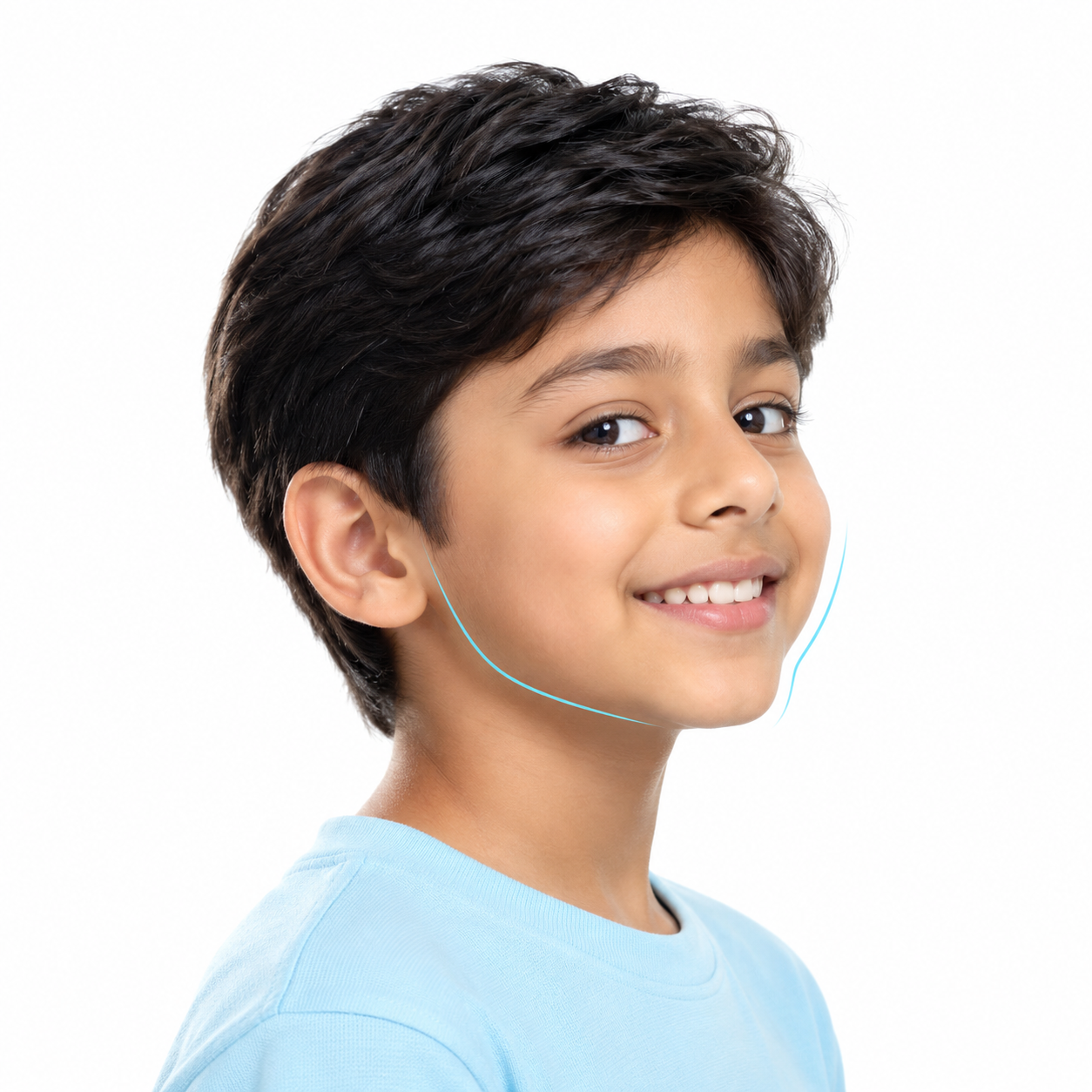
Mouth breathing in children represents a chronic adaptation to respiratory function, and is defined as children who breathe primarily through their mouths instead of their noses. In terms of pediatric dentistry and myofunctional orthodontics, it has been identified as an obstructive habit to the upper airways which will affect craniofacial development. The nose serves as a natural air cleaner and humidifier and assists in placing the tongue against the roof of the mouth. When a child transitions to breathing primarily through his/her mouth, the tongue falls down into the floor of the mouth, thereby eliminating its ability to provide an internal structural support mechanism for expanding the upper jaw. This can lead to narrow arches, posterior crossbites, and long faces (adenoid facies).
Clinical Definition: A child with chronic oral respiration due to either nasal airway resistance or from chronic habits of mouth breathing.
Emergency Signs / Indicators: Chronic open-mouth posture at rest and/or during sleep; loud or heavy snoring; daytime fatigue; chronically dry and cracked lips; recurrent upper respiratory tract infections; and a receded (retrognathic) position of the lower jaw.
Solutions: Interventions include Rapid Maxillary Expansion (RME), Myofunctional Orthodontic Therapy, Pediatric Ear, Nose, and Throat (ENT) Airway Management (adenotonsillectomy), and custom oral habit appliances.
Visual Signs: Your child has a consistent open-mouth position when eating, a narrowed airway due to a narrow nasal passage, dark "allergic" shadows under their eyes (shiners), and/or a longer lower face than expected.
Changes in Oral Health Status: Dry mouth; swollen, red, bleeding, or irritated gums (gingivitis); significant buildup of plaque around the upper front teeth.
Physical & Functional Indications: Difficulty opening his/her mouth while trying to chew food; daytime mouth is consistently dry; frequently wakes up from napping/sleeping throughout the day; and reports having a sore throat / dryness upon waking in the morning.
Schedule an emergency clinical appointment immediately if you observe one or more of the warning signs listed below in your child:
Pediatric Obstructive Sleep Apnea (Pediatric OSA): Pauses in breathing during sleep, and/or choking/gasping episodes during sleep are observed by an adult.
Extreme Daytime Sleepiness, Excessive Irritability, or New Behavioral / Attention Challenges at School: These may be indicators that your child is experiencing pediatric OSA, and it is suggested that they see a doctor as soon as possible.
Narrow Upper Jaw Narrowness: The degree of narrowness will likely cause extensive crowding in the upper jaw area, severe difficulties chewing or swallowing, or painful jaw alignments.
Frequent Ear Infections (Otitis Media), Persistent Sinus Congestion Issues, or Speech Clarity Issues (e.g., Lisp, Nasal Resonance): All these can indicate a potential problem with your child's airways.
Obstructive Nasal Airway: The enlargement of adenoid tissue obstructs the nasal airway and/or the obstruction of adenoid or palatine tonsil tissue in the back part of the nose obstructing the posterior nasal airway.
Anatomical Abnormalities: A deviated nasal septum, chronic nasal polyp(s), or a very narrow nasal passage(s) that restricts airflow through the nasal passages.
Allergy / Environment: Chronic turbinate hypertrophy due to allergic rhinitis caused by environmental factors such as high humidity, house dust mites, pollen, etc.
Habits / Orientation: Lingering thumb-sucking or ankyloglossia (tongue-tie) which restricts the ability for the tongue to contact the palate while attempting to suckle
Exposure to Environmental Irritants: High levels of exposure to irritants within the home environment including indoor allergens, household dust, etc., which are often present during peak monsoon seasons.
Dietary / Lifestyle Choices: High levels of consumption of ultra-processed, refined foods, which do not require significant chewing effort to consume. These diets fail to provide sufficient stimulation to encourage functional jaw growth and adequate development of oral motor functions to support proper swallowing mechanisms.
Genetic Predisposition: Narrow skeletal facial morphology and/or high-arched palate inherited at birth.
Early Childhood Illnesses: Unmanaged viral upper respiratory tract infection(s) that occur with frequency during critical developmental periods for facial development (i.e., 3 to 8 years).
The first step parents may want to try at home is an observational screen of their child:
The Sleep Observation: Parents watch their children sleeping for ten to fifteen minutes. They observe whether or not the lips stay apart, if the child breathes with noisy/audible breathing, or if the child exhibits restless tossing of their body during sleep.
The Mirror / Water Test: The parent has the child take a small amount of water into their mouth and keep it there for thirty to sixty seconds. During this time, the parent wants the child's lips to be kept closed (sealed) by having them gently press their lips together. As soon as the child experiences difficulty in doing so, breaks the seal, or gags/breathes loudly prior to the end of thirty seconds, nasopharyngeal airway resistance is likely to be present.
The Lip Seal Check: Parents will check to see how well their child seals their lips when they are distracted (reading or watching TV). Parents should look to see that the child does not have to exert significant effort to get the mentalis muscle in their chin to relax.
Clinical Airway & Dental Exam: The pediatrician visually evaluates palatal arch width, occlusion, tonsil hypertrophy grade, and lip competency.
Radiographic Images: A lateral cephalometric radiograph or cone beam computed tomography (CBCT) is taken to assess airway volume, adenoid size, and craniofacial development.
Pediatric Ear, Nose & Throat Specialist Nasal Endoscopy & Flow Metrics: The pediatric ear, nose & throat specialist uses a scope to examine internal nasal obstruction and turbinate status.
Myofunctional Evaluation: The pediatric dentist/orthodontist evaluates the child's tongue resting posture, type of swallow (visceral vs. somatic swallow), and tongue mobility/frenulum attachment.
Mild (Habitual): Oral breathing is limited to a few hours of each day, mostly while you are exercising physically, sleeping heavily, or when you have a cold. The craniofacial and dental arches will be normal at this time.
Moderate (Structural / Functional): Mouth breathing is happening for most of your waking hours. At this stage, there will begin to be some evidence of a narrowed palatal area, slight crowding in the front teeth due to an upper arch size too small for your lower arch; your mouth will tend to be dry; and you may feel a bit tired during the day.
Severe (Airway Compromised / Skeletal): All oral breathing all day long. Your facial features show what we call "adenoid facies," which includes an overdeveloped upper gum pad giving you a broad face that looks similar to someone who has been sucking on a pacifier. Also, you will likely have a very narrow palate from back to front, open bite in both the incisors and molars, and your lower jaw is probably much smaller than your upper jaw. It also appears as though you will have pediatric sleep-disordered breathing / apnea.
Airway Clearance & ENT Intervention: Treatment options include managing allergies through medications or surgery for enlarged tonsils and/or adenoids (adenotonsillectomy).
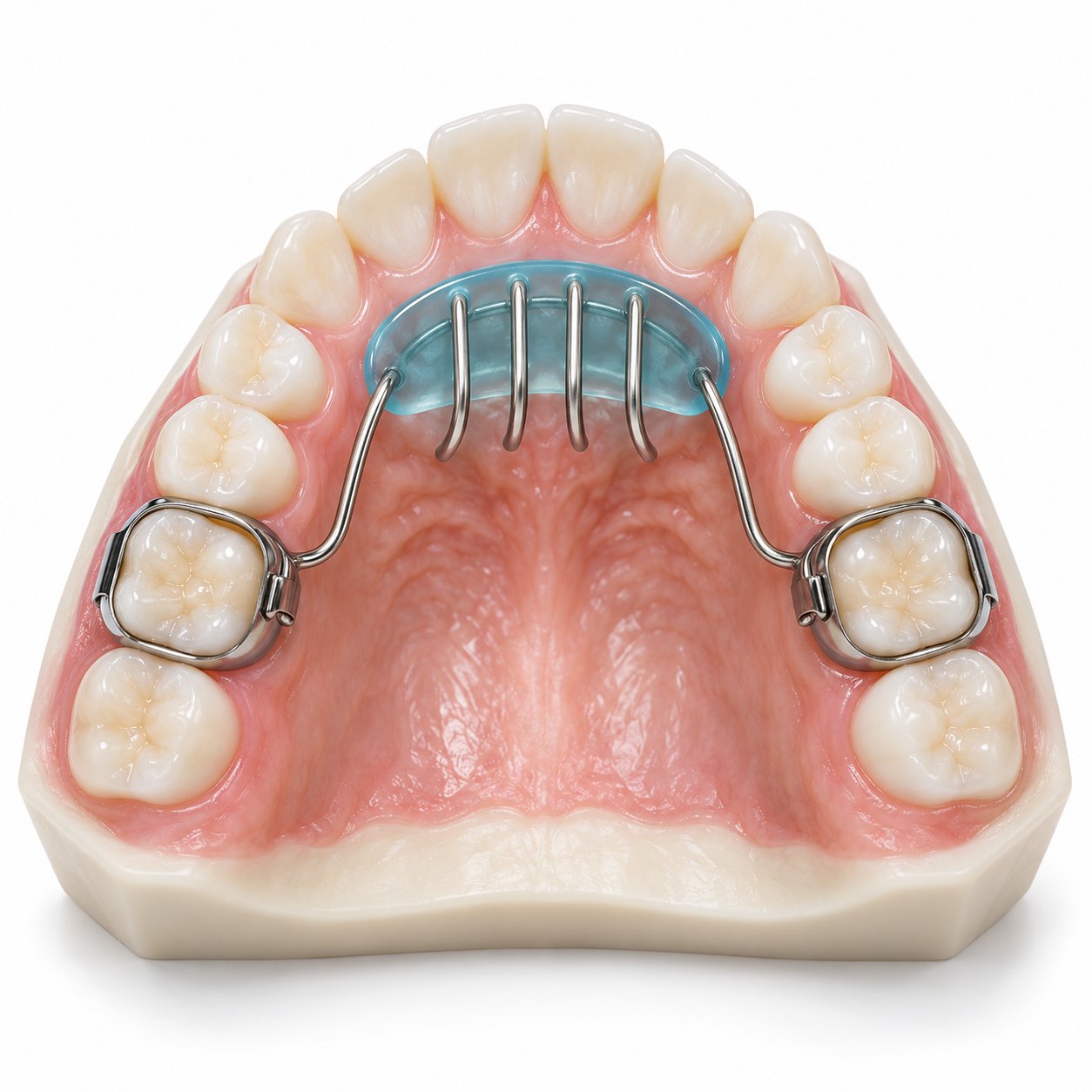
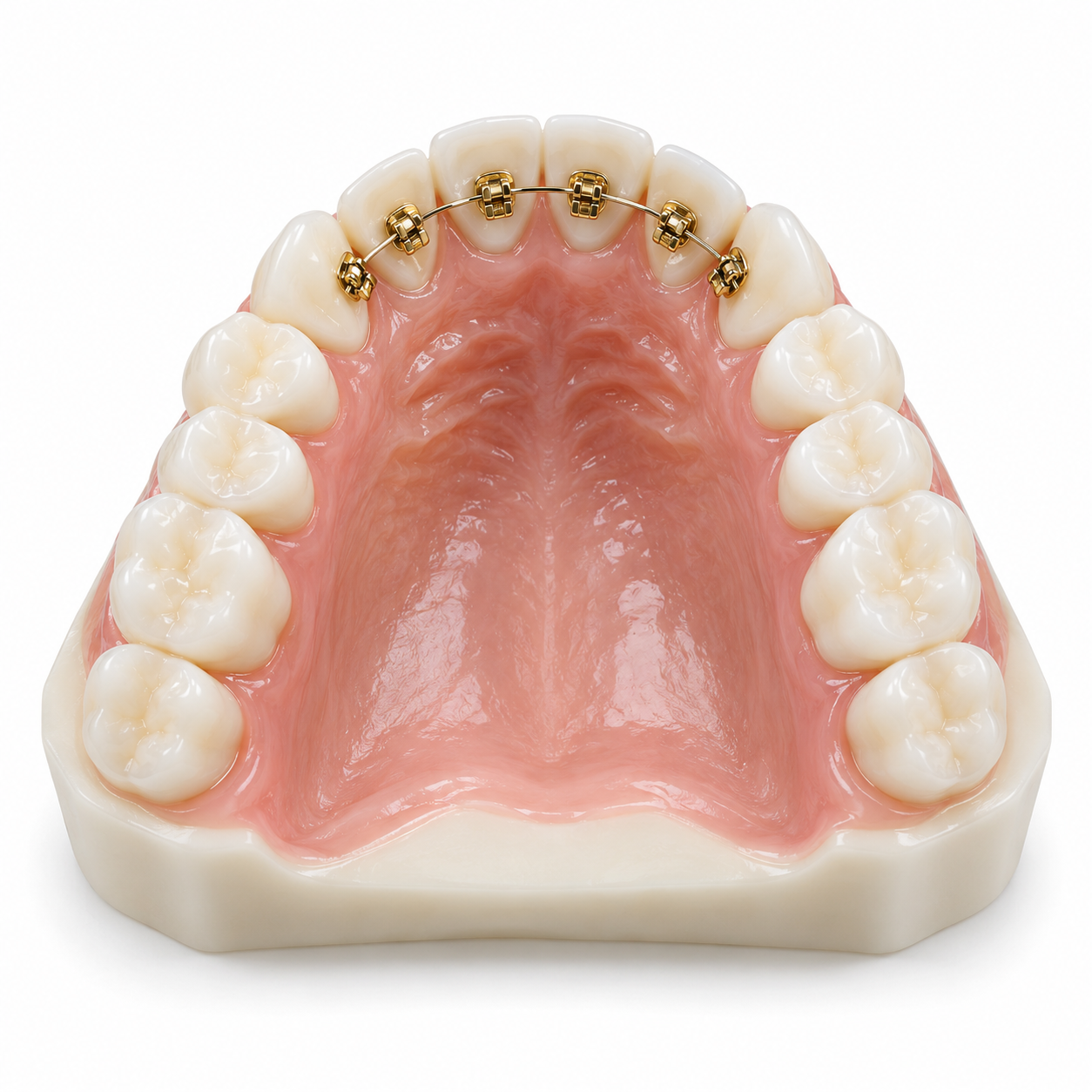
Palatal Expansion (Orthopedic): RMEs (rapid maxillary expanders) or other orthopedic devices such as slow-expanding appliances can help widen your maxilla, allowing more room for nasal airflow. This should decrease your airway resistance.
Orofacial Myofunctional Therapy (OMT): OMT involves specific exercises to develop and teach muscle memory to place your tongue properly against the roof of your mouth where it belongs instead of down in your throat. It teaches you how to strengthen the muscles used to close your lips so they do not flail open. OMT also teaches you how to restore your habitual nasal breathing pattern.
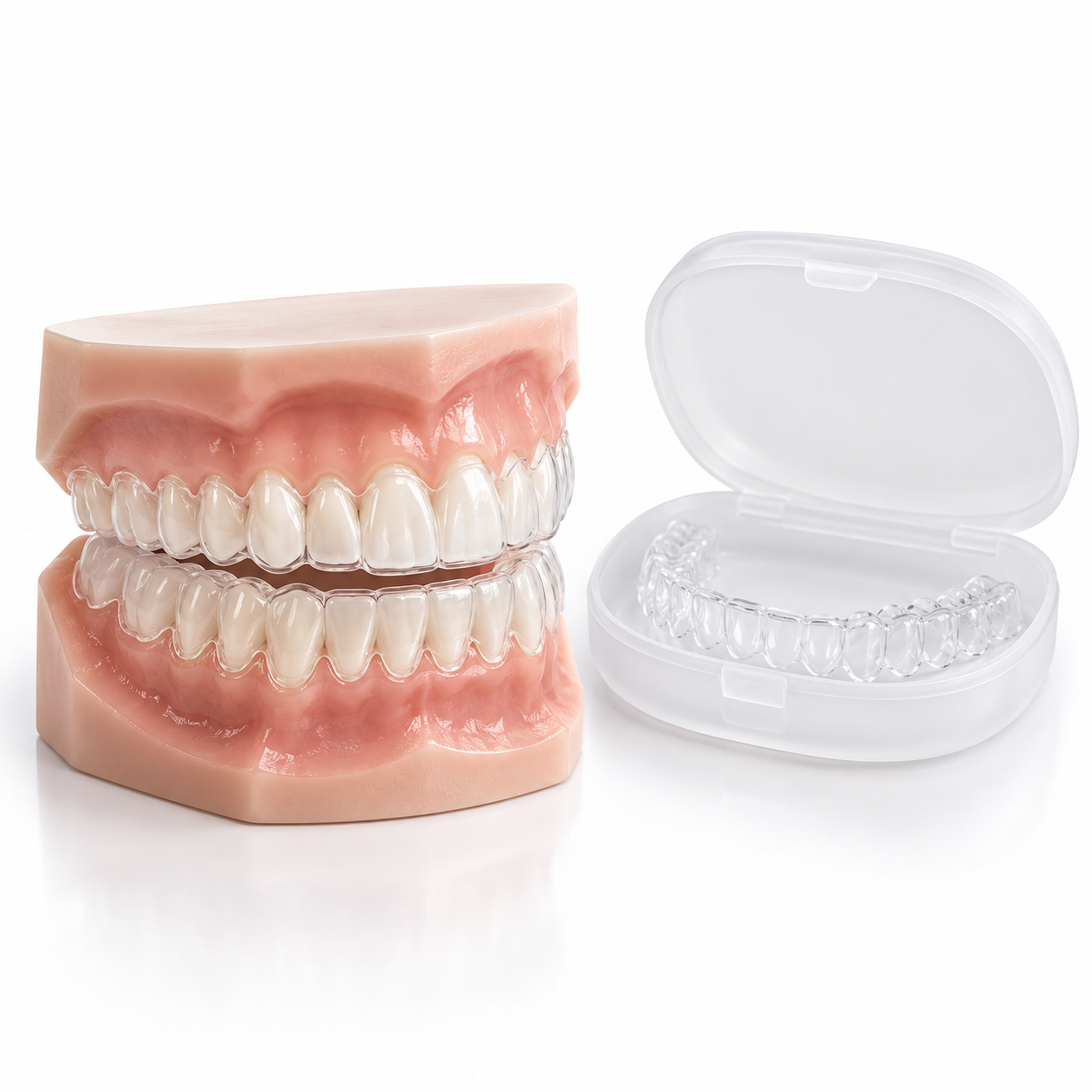
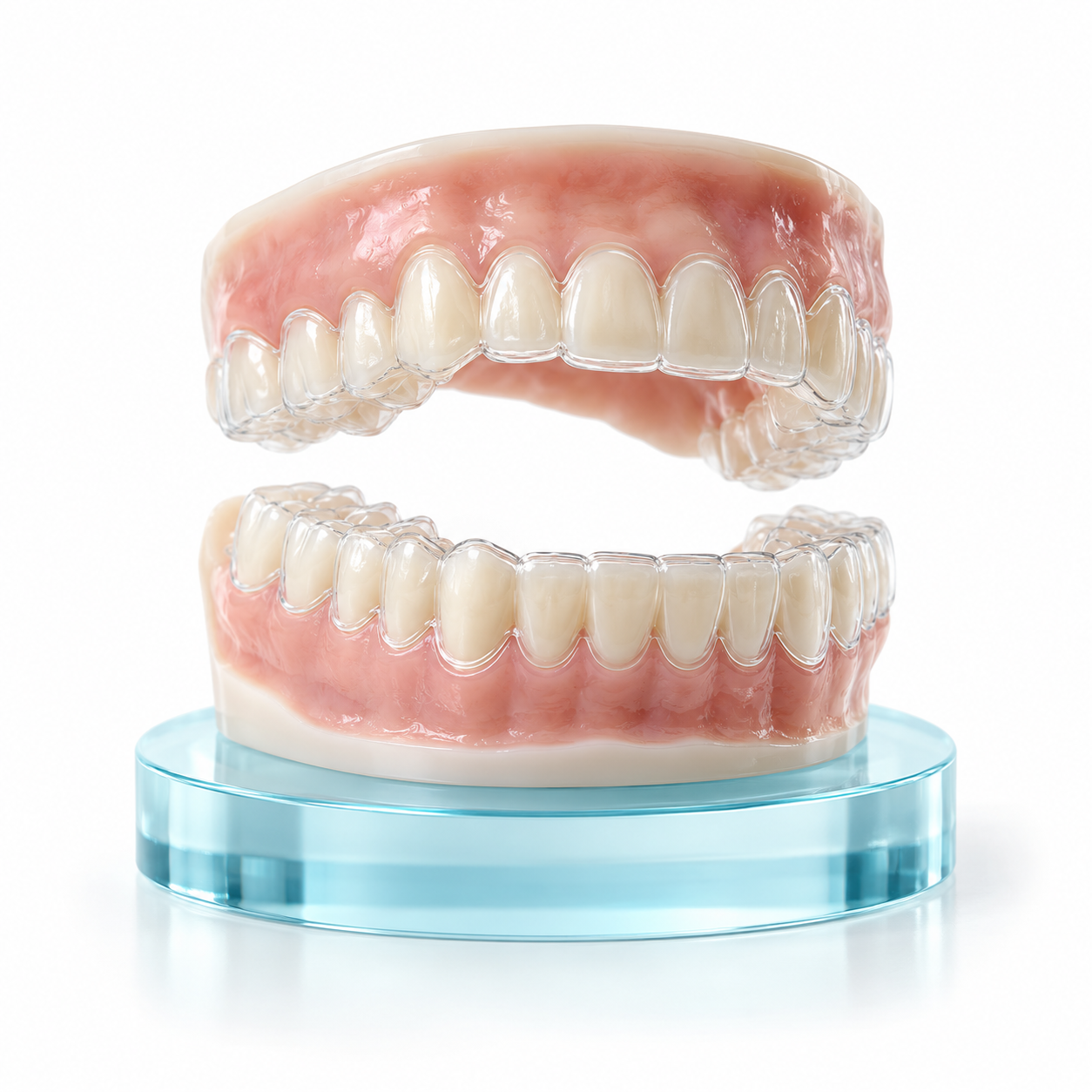
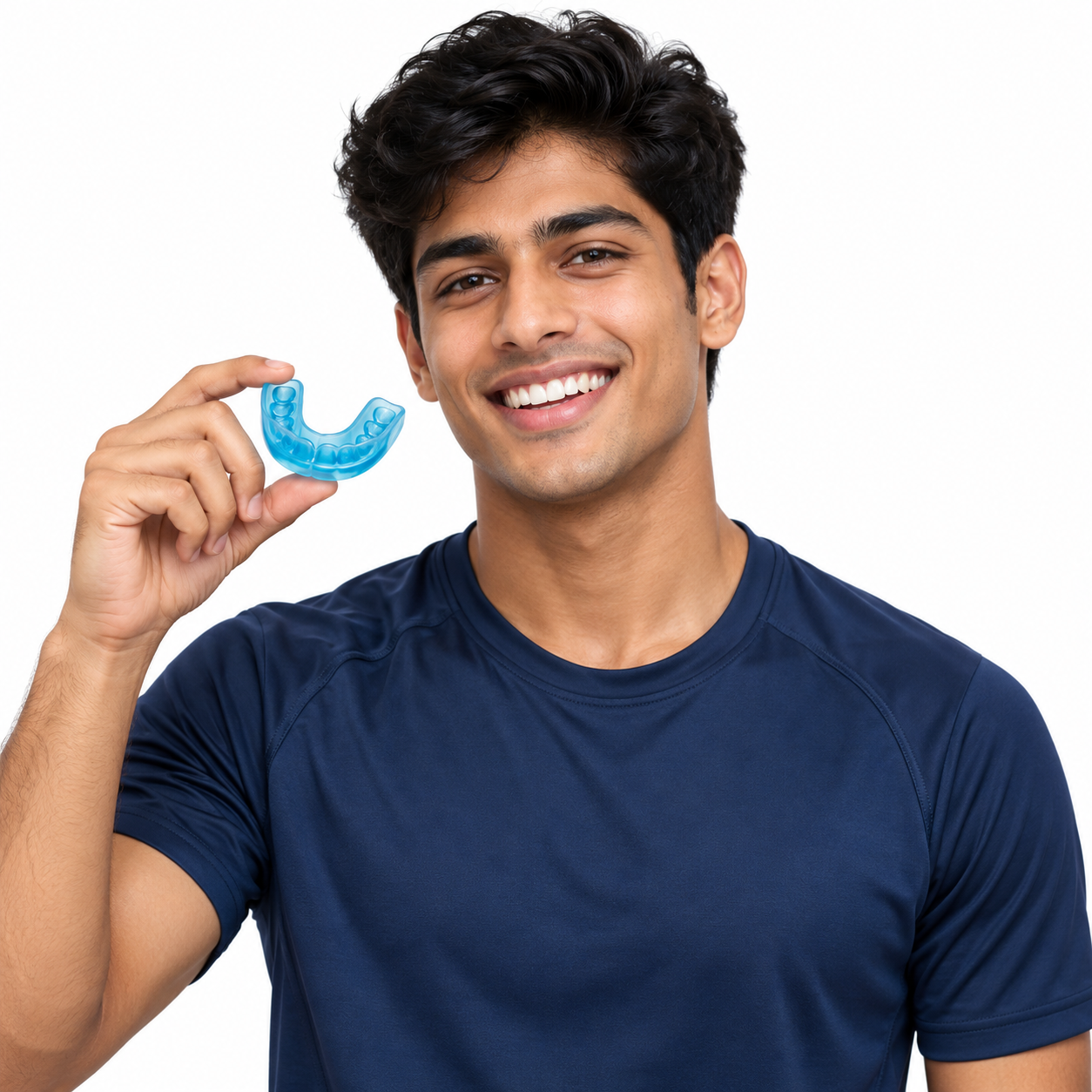
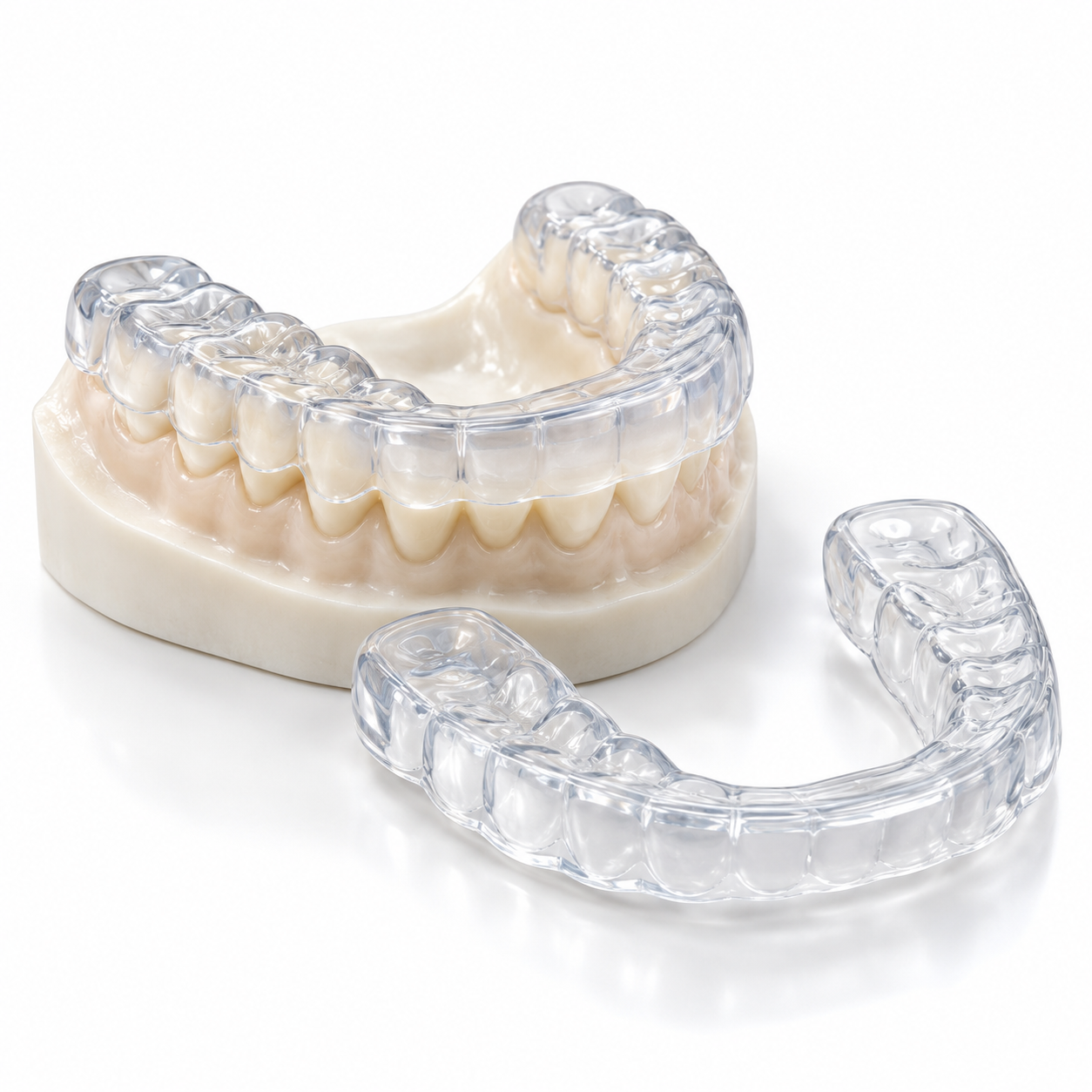
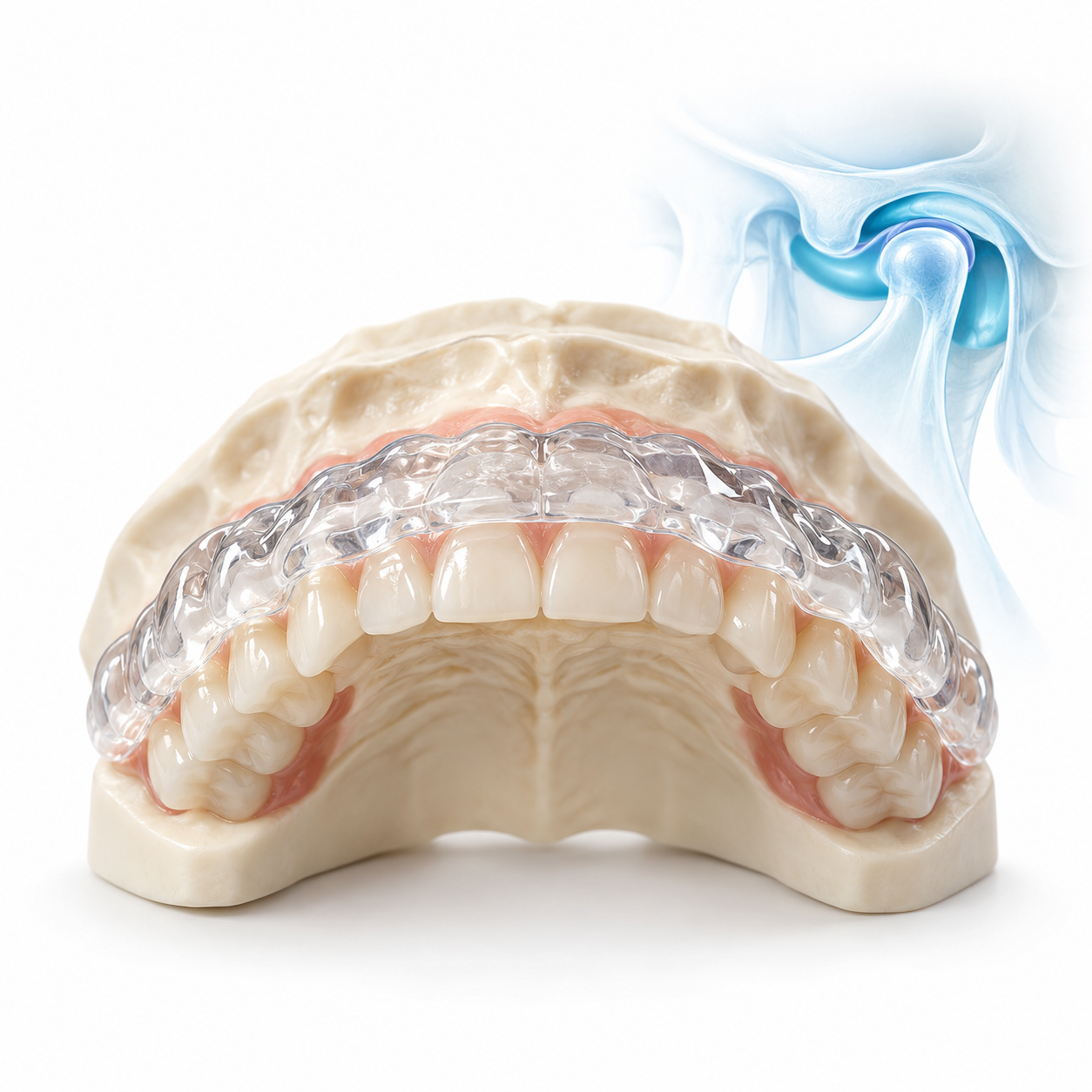
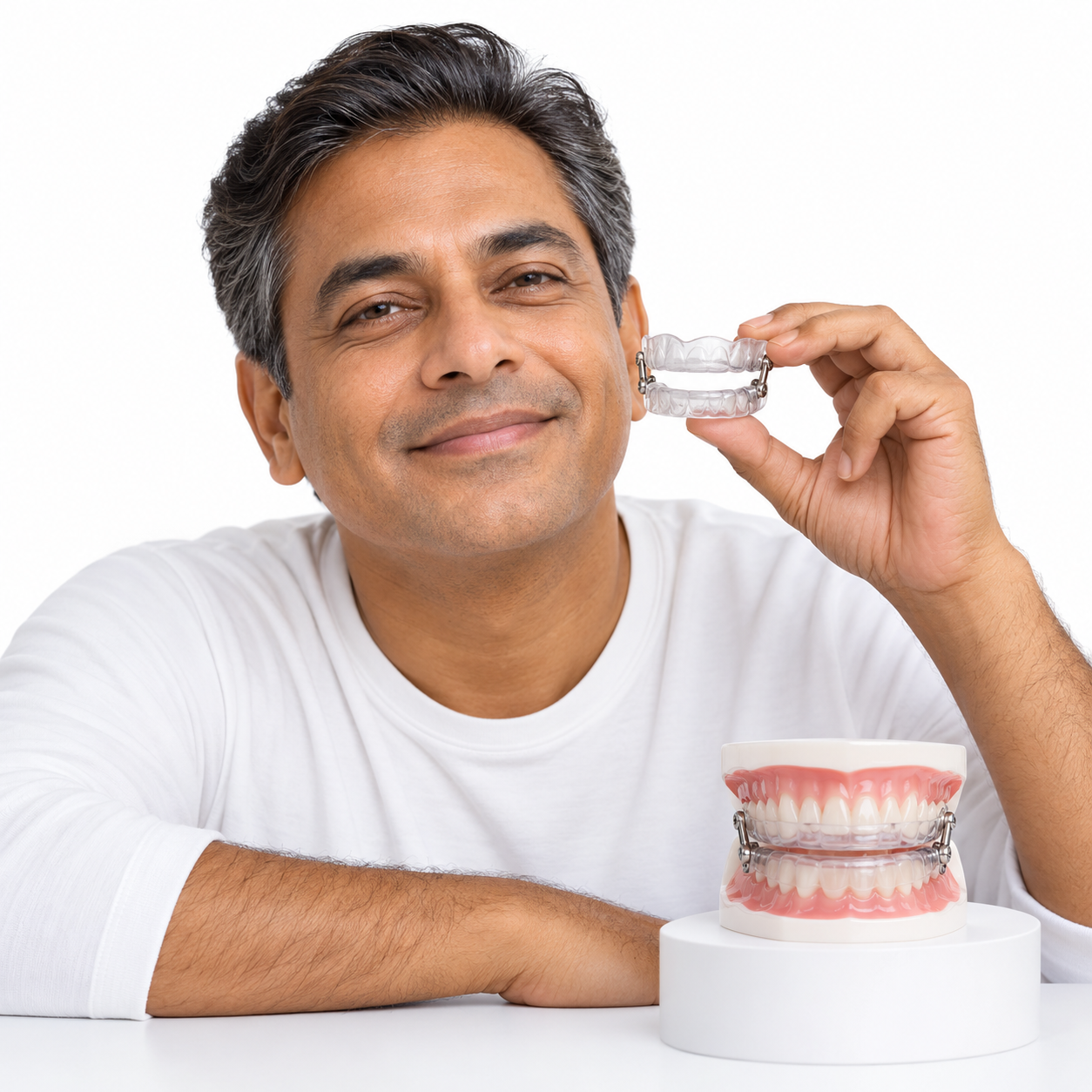
Myofunctional Orthodontic Appliances: These are removable pre-made silicone trainers, or palatal cribs, you wear every night while you sleep and whenever you are at rest. They slowly reposition your jaw and work to improve your swallow mechanism.
Treatment prices in Kerala vary based on the type of clinic, whether there is a specialist involved, and the need for diagnostic testing that may be necessary.
Consultation / Diagnostic Work-Up: ₹800 to ₹2,500. This includes your first examination by one of our specialists and an initial cephalometric analysis.
Myofunctional Therapy Session: ₹1,000 to ₹2,500 per therapy session. Our myofunctional therapists will guide you through each therapy session.
Palatal Expander Pediatric Appliances (RME / Hyrax): The price of these appliances ranges from ₹15,000 to ₹35,000 depending upon what style is prescribed by your orthodontist, and how many months it will take to achieve maximum palatal expansion.
Myofunctional Trainer Appliance Phases: ₹8,000 to ₹18,000. Each phase of treatment is designed to build upon previous exercises to allow you to successfully develop proper muscle coordination.
ENT Surgical Airway Intervention (Adenotonsillectomy): Prices for this procedure can run anywhere from ₹45,000 to ₹1,200,000 depending upon where it takes place (private super-specialty hospital), and if your insurance covers it (most private insurance companies do, but coverage depends on whether or not they have agreements with certain clinics).
Pediatric Dentist / Pedodontist: Primary pediatric specialist responsible for diagnosing any problems within the upper jaw/dental arches, providing early guidance regarding future development, and recommending pediatric interceptive appliances.
Pediatric Ear, Nose, and Throat (ENT) Specialist: Mandatory referral to the following specialist for any patient who has either a structural obstruction within their airways, chronic turbinate enlargement, or hypertrophied adenoids/tonsils.
Orthodontist: The primary responsibility for managing all aspects of palatal expansion, moving jaws into proper alignment, and correcting issues related to secondary tooth crowding.
Myofunctional Therapist: Essential for helping patients retrain themselves to maintain good oral posture after successful completion of airway interventions.
Emergency Evaluation (24–48 Hours): Unexplained gasping for breath during sleep, choking while sleeping, or acute onset of severe respiratory distress.
Higher Priority (Within Two Weeks): Significant snoring, excessive daytime fatigue, notable increase in facial expressions of tiredness, and/or increased open-mouth posturing.
Scheduled (Within One to Two Months): General pediatric routine examination for minor dental crowding, mild open-mouth posturing, or habitual consultation
Are there opportunities for children to stop breathing through their mouths on their own without treatment as they age?
No. Children may develop mouth breathing from either a learned habit (oral dependence) or as a result of an anatomically blocked upper airway. The longer that mouth breathing persists, the greater will be the alterations in developing dentition, jaw structure, and facial aesthetic appearance.
Do eating soft foods and eating habits found in Kerala influence your child's jaw growth?
Yes. Foods high in fiber are chewed with significantly higher forces than modern processed soft foods. In addition, eating whole fruits and firm-textured foods can promote the normal activation of the masseter muscles, which stimulate both palatal and mandibular growth and development.
Does adenoid removal surgery permanently fix mouth breathing in children?
Clearing the airway removes the physical blockage, but the habit of mouth breathing often remains. Most children require post-surgery orofacial myofunctional therapy or interceptive dental appliances to retrain proper tongue resting posture and lip seal.
Pediatric mouth breathing can be treated by early intervention. The early treatment of a pediatric patient's oral obstructive issues and/or myofunctional behaviors from 4 to 9 years old provides for practitioners to take advantage of the active craniofacial growth patterns (or stages) that are occurring within this age range and avoid extensive and complicated corrective surgeries/orthodontics in the future. Interdisciplinary approaches with pedodontists, ear, nose, and throat specialists, and myofunctional therapists assist in eliminating both the mechanical source and habitual behavior, which results in healthy nasal respiration, idealized facial morphology, and improved quality of sleep.


.jpg)
.jpg)
.jpg)
.jpg)
.jpg)
.jpg)
.jpg)
.jpg)
.jpg)
.jpg)
.jpg)
.jpg)
This site is part of the DEC Dental Network — a Dental Equity & Connectivity ecosystem of clinical, educational, and patient-support brands operated by Team Dental Pvt. Ltd. Our network works as one — guiding you from your first search to your final smile.
© 2026 Team Dental Pvt. Ltd. · Founded 2013, Angamaly, Kochi, Kerala
About DEC Dental