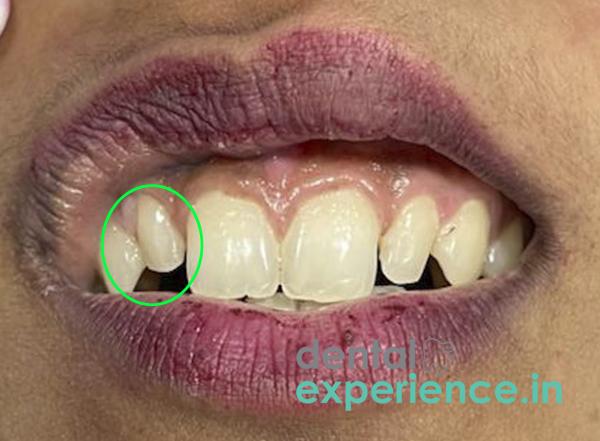
Narrow Teeth is a term used to describe one or more abnormally small teeth. Peg laterals, or pegged lateral incisors, are a type of localised microdontia (small teeth) and occur when the lateral incisors next to the upper front teeth are much too narrow or small. Pegged lateral incisors are among the most frequent types of developmental anomaly related to tooth size.
Definition: Narrow teeth is a term that describes one or more teeth that are smaller than usual, while peg laterals specifically refer to the upper lateral incisors being narrower or smaller than the average person’s lateral incisors.
Cause: Genetics, along with some degree of random chance in relation to the amount of space available in the mouth and/or in how well cells communicate with each other during fetal development.
Commonly Affected Region: Upper front area. Specifically, pegged lateral incisors occur in the upper lateral incisors next to the central incisors.
Concerns: There is a possibility of adjacent teeth shifting due to a missing tooth; potential bite problems; or uneven wear on opposing teeth.
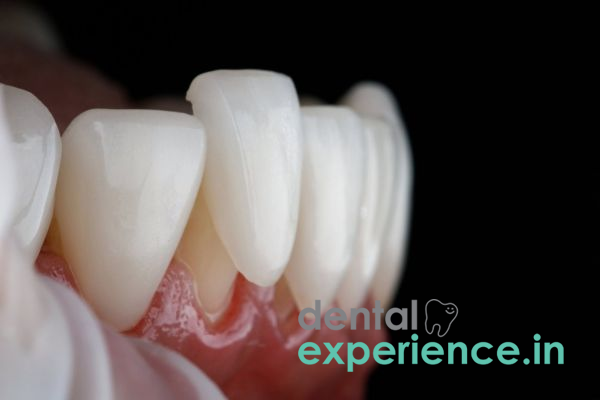
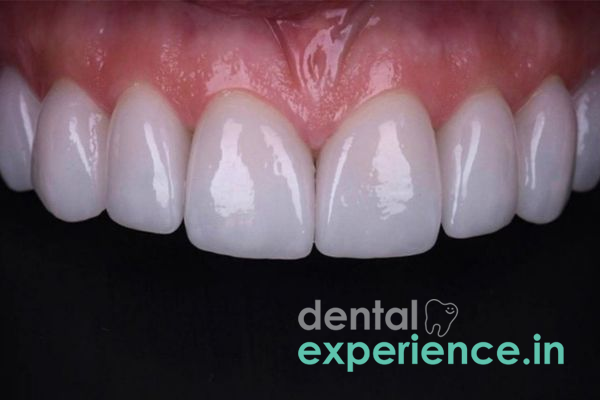
Treatment Options: Conservative methods include bonding a thin layer of composite over the tooth to broaden it, as well as ultra-thin veneers for minor prep work and broadening the tooth to fit better into the patient’s overall aesthetic desire.
There is more to identifying narrow teeth than just noticing a space. Developmental anomalies related to tooth size show themselves through the following characteristics:
Asymmetry: One tooth appears clearly smaller and/or more pointed than its corresponding tooth on the opposite side of the face. The question many patients have is "why" one tooth is narrower than another?
Shape: The tooth may not have enough surface area to allow for proper chewing function. Instead, it has a cone-like or sharp shape, which can cause discomfort and difficulty in eating certain foods.
Gaps: The patient notices persistent gaps between teeth due to either drifting or because of the tooth itself lacking sufficient width to contact neighboring teeth.
Disproportionate Tooth Size: Due to the narrow tooth size, larger, more protrusive teeth appear even larger compared to surrounding teeth.
Fortunately, having a narrow front tooth or a single narrow tooth is not indicative of dental disease or decay. Seek out professional help if your functional oral health is negatively affected by the size of the narrow tooth.
Food becomes stuck constantly in the gap and causes localized inflammation or bleeding of gums.
Your other teeth start shifting into the gap created by your narrow tooth, potentially altering your occlusion (bite) and causing discomfort, particularly in your jaw muscles.
The reasons behind narrow front teeth are tied back to embryonic development of your teeth.
Genetic Influence: If a family member has small teeth, then you are likely going to inherit small teeth as well. Congenital microdontia shows strong hereditary traits.
Natural Evolutionary Trends: Over time humans have been evolving towards smaller jaw sizes and smaller tooth sizes. Your upper lateral incisors (pegged lateral incisors) are some of the least stable and therefore most susceptible to evolutionary forces which can contribute to small teeth causes.
Disruptions to Embryonic Tissue: Any minor disruptions during fetal development may impact the ultimate formation of enamel and dentin, contributing to small teeth causes.
Highly correlated to small teeth causes inheritance from generation to generation.
Any localized disturbances in the growth process of embryonic tissues forming your teeth can lead to developmental dental variations, such as small teeth causes.
Changes during the first year of life when permanent teeth begin their calcification process.
You might want to find out whether you have a real size difference versus a true alignment problem. To determine if you have true developmental dental variations:
Compare Sides: compare your upper lateral incisors (your side teeth next to your front teeth) carefully to identify whether one is notably thinner/smaller than the other.
Look at Shapes: Are both sides essentially identical in shape? Or does one resemble a miniature rectangle whereas the other resembles a wedge? If so, this could indicate a pegged lateral incisor.
Assess Spacing Issues: If you notice a space/gap between your teeth, inspect the shape of the teeth themselves. Is the gap present due to movement of your other teeth or is it really due to the fact that the tooth itself is physically shorter than its neighboring teeth?
If you are viewing miniaturized tooth shapes/pointed edges in addition to observing gaps/Spaces, then you are indeed looking at true developmental dental variations.
Diagnosis of a narrow tooth is typically easy and does not require any invasive testing. Upon consulting with a Cosmetic Dentist/Prosthodontist specializing in facial aesthetics/micro-layering resins/smile symmetry:
Physical Analysis: Evaluate facial lines and assess tooth width-to-length ratios in order to accurately verify microdontia vs normal teeth size.
Radiographic Imaging (X-ray): confirm that the root system of your narrow tooth is healthy, fully developed and able to support cosmetic restorative procedures.
Digital Smile Design (DSD): Use advanced 3-d imaging technologies and capture a digital impression of your jaw using DSD. This provides you with visual evidence of how widening your narrow tooth will visually alter your entire smile and facial harmony prior to commencing treatment.
Mild: The affected tooth has some minor narrowing however it still maintains its general shape. Only limited spacing exists and primarily concerns arise from mild asymmetries.
Moderate: Classic examples of pegged lateral incisors characterized by significantly narrowed or pointed shapes. They create noticeable black triangles/gaps between them and surrounding teeth.
Extreme (Generalized): Rare presentations where nearly all of your teeth throughout your dental arches are extremely small. Therefore, a thorough examination must be conducted in order to evaluate possible underlying causes for developmental tooth size abnormalities affecting multiple areas of your dental arch(es).
Numerous conservative cosmetic dentistry solutions exist today that preserve your original enamel and minimize recovery time after treatment:
Broadening narrow teeth via composite bonding: A quick, pain-free procedure performed in-office within a single visit. A skilled dentist uses a shade-matched composite resin bonded directly onto your existing enamel to widen the affected tooth, closing the gap between teeth simultaneously.
Ultra-thin minimal prep veneers for narrow teeth: Thin layers of porcelain veneers designed to correct minor prep requirements due to pre-existing narrowness. Since your tooth is already narrow, very little preparation/drilling is required prior to applying ultra-thin veneers providing superior durability/stain-resistance/life-long results.
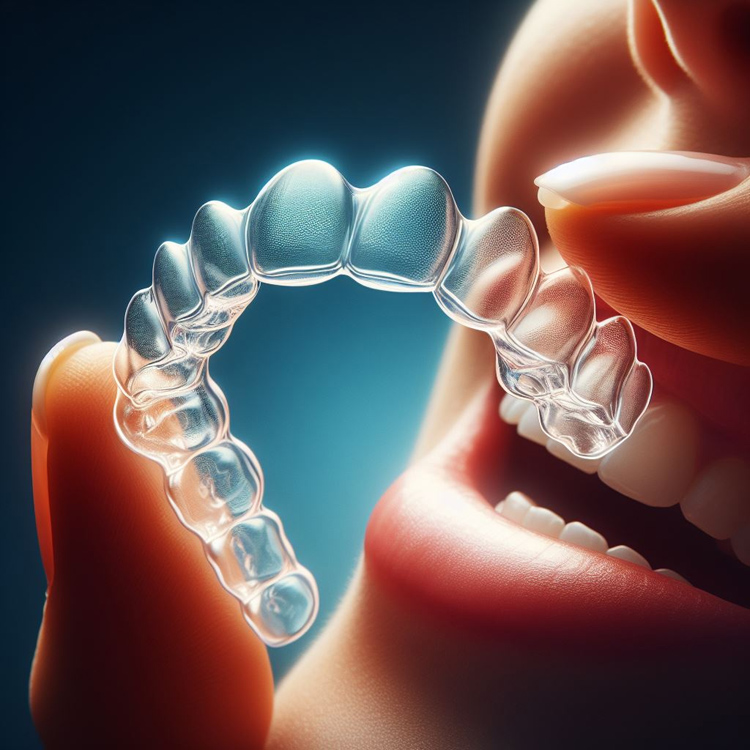
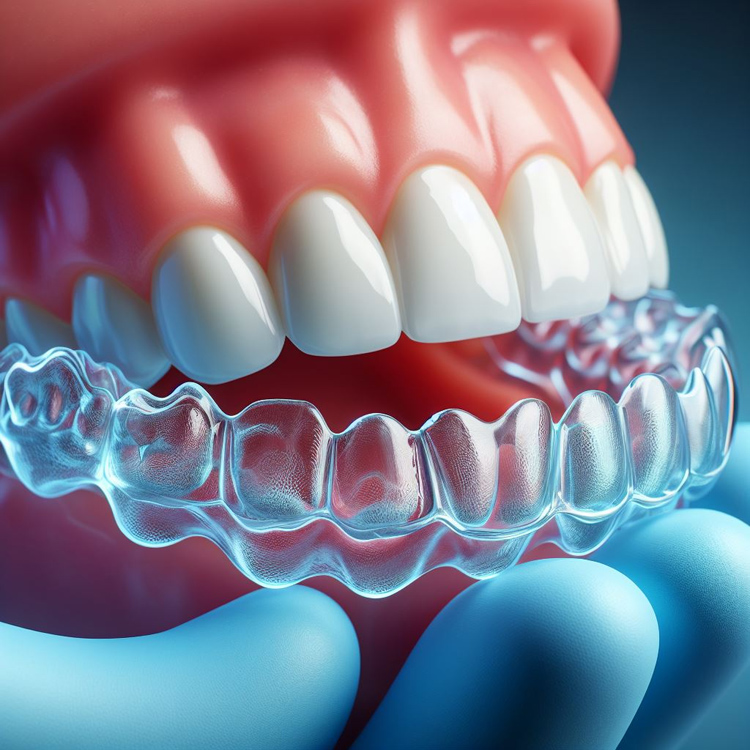
Orthodontic clear aligner therapy: Employed when narrowness of the tooth has caused adjacent teeth to drift/tip/crowd outside of their ideal positions, ensuring perfect spacing for subsequent cosmetic reshaping treatments.
Cost varies greatly depending on which materials are selected and how many teeth will be treated.
Bonding composites for narrow teeth costs from ₹2,500 – ₹6,000 per tooth. This represents the lowest-cost option for an immediate remedy.
E-max porcelain/veneers for microdontia (narrow front teeth): The veneer treatment for microdontia/narrow front teeth in Kerala can cost between ₹12,000 – ₹25,000 per tooth. They provide unmatched translucent appearance/stain-resistance/potential longevity of 15+ years.
Which dental specialist can fix your small teeth?
Dental specialists who can help you treat small teeth include:
Cosmetic Dentists: For mild to moderate cases needing a composite bonding or veneers.
Prosthodontists: For complex cases needing multiple crowns.
Periodontist: If the treatment requires aesthetic gum lifting.
Orthodontist: If the teeth need to be moved before bonding or veneers to be placed.
Narrow tooth conditions are categorized under Developmental Tooth Size Abnormalities. There is no medical urgency to get treated for this condition. This procedure is completely elective and you can pursue this anytime you feel like enhancing your smile's aesthetics.
The only exceptions would be if the excessive space between your narrow tooth is causing your gums damage from food impaction, or if your lower teeth are suffering from rapid deterioration due to an improperly aligned occlusion.
Will my narrow tooth stay fixed after I've used braces?
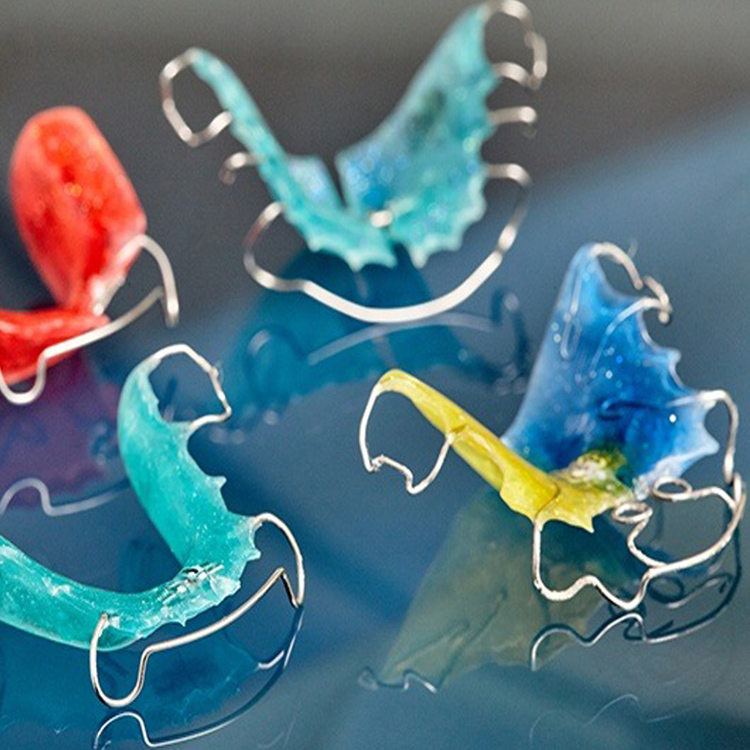
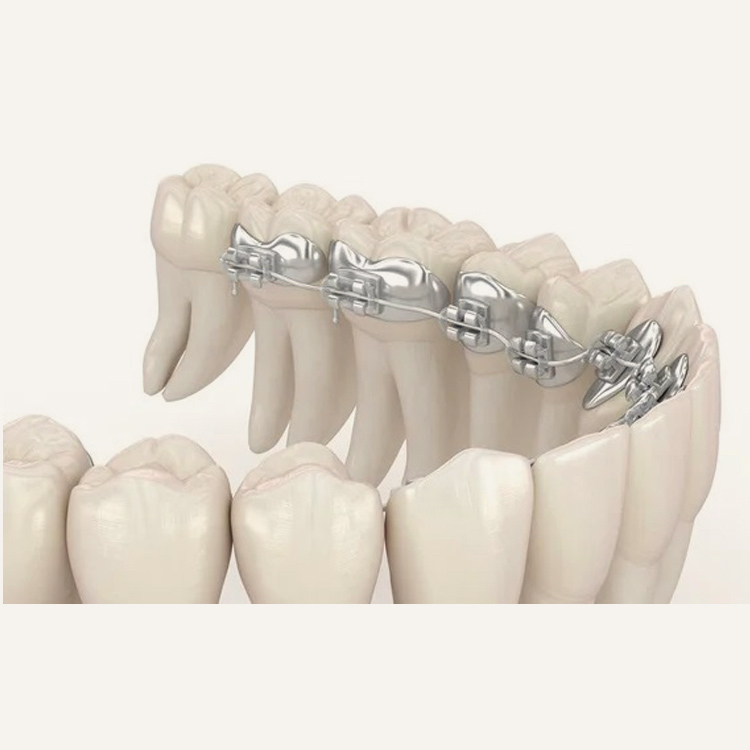
Braces are great for moving teeth into place, but they don't have the ability to physically change the size of a tooth. While orthodontics can put a narrow tooth in a perfect placement within a space, the tooth will still require composite bonding or a veneer to be made larger than what nature created.
What is the best method to treat peg lateral incisors?
Treatment methods for peg lateral incisors vary depending upon what your desired outcome is and your financial constraints. If you want a quick/affordable resolution for your narrow teeth, composite bonding is very effective. However, if you want a long-lasting, non-staining, and very aesthetically pleasing option, then minimal prep veneers for narrow teeth are better.
How do I fix narrow teeth permanently?
Porcelain veneers that are designed to fit your individual teeth are the absolute best way to fix narrow teeth permanently. Veneers do not discolor overtime, withstand chipping well, and reflect light off them similar to your natural enamel.
In our cosmetic practices, we do not view a narrow tooth or peg lateral incisors as pathology. We view them as beautiful canvases for conservatively styled smiles using modern biomimetic materials that replicate the flexibility, hardness, and reflective characteristics of natural enamel. Therefore, for patients who are embarrassed about developmentally formed gaps, options such as minimal preparation veneers create an unparalleled increase in self-confidence while totally maintaining and protecting your natural tooth structure.







.jpg)
.jpg)

.jpg)
.jpg)

.jpg)
.jpg)
.jpg)
.jpg)
.jpg)
.jpg)
.jpg)
.jpg)