Pain in the neck due to temporomandibular joint (TMJ) dysfunction will include the cervical spine, masticatory muscles and the jaw joint. The temporomandibular joint is located where the mandible (lower jaw) meets the temporal bone on top of the skull. If there is a misalignment of the jaw — whether it be caused by bruxism, malocclusion or a displaced TMJ disc — then all the muscles that surround and stabilize the jaw—such as the masseter, temporalis, and upper trapezius—will begin to contract chronically. These sustained muscular compensations can produce referred pain and persistent stiffness extending into the upper back and cervical spine.
Clinical Definition: Muscular strain and cervical spinal discomfort secondary to TMJ misalignment, clenching, or an uneven bite.
Red Flag Indicators: Sudden jaw lock, severe headaches accompanied by sudden stiffening of the neck, facial numbness, difficulty swallowing.
Common Recovery Options: Orthodontic realignment, trigger point injections, lifestyle changes, physical therapy, night guards/occlusal splints.
Symptoms include:
Muscle Stiffness: A dull ache or soreness that develops along your sternocleidomastoid and trapezius muscles. Muscle soreness can develop when you wake up, or it can develop as a result of eating large or heavy meals for extended periods.
Ear Pain: Ear pressure, ringing in the ears (tinnitus), and deep earache. No active infection of the ear is present.
Chewing (Mastication): Jaw clicking and jaw popping. An audible pop occurs with every jaw movement. Also, there is reduced range of motion in both the vertical and horizontal planes of movement of the mandible.
Headaches: Cervicogenic headaches are secondary headaches originating from structural dysfunctions in the cervical spine. They typically present as pain starting in the occipital region at the back of the head and radiating forward toward the temples or forehead.
Symptoms that warrant concern:
Trismus (Severe Restricted Opening): Inability to open your mouth greater than two fingers typically indicates acute masticatory muscle spasm or an internal joint derangement such as an acute disc displacement without reduction.
Neurological Signs: Numbness, tingling, radiation of pain into the upper arm, shoulder, etc., and/or fingers.
Difficulty Masticating (Chewing) Food: Unable to eat normal foods because of extreme sharp pain either from the TMJ/CV area.
The causes include:
Bruxism & Clenching: The force exerted by involuntary nocturnal teeth grinding is tremendous and therefore puts a tremendous amount of pressure on your jaw joints and cervical muscles.
Malocclusion: When jaw relationships are altered or unstable, parafunctional habits and muscular bracing can overwork both the masticatory and cervical stabilizing muscles.
Cervical Posture Strain: Desk work and mobile devices promote prolonged forward-head postures which changes the center of gravity, therefore putting pressure on the cervical spine and temporomandibular complex.
Trauma: Injuries to the head/neck from past automobile accidents or trauma to the face and neck that can cause damage to the temporomandibular joint and disc relationships.
Risk factors include:
High Stress Levels: Daily stress causes chronic stress, causing people to involuntarily clench their jaw and elevate their shoulders.
Dietary Strains: Consuming food with extreme hardness and chewiness such as tough meats, un-refined coconut products, or crispy tapioca chips regularly strains the masticatory system.
Systemic Joint Disorders: Osteoarthritis, rheumatoid disease, and generalized hypermobile joints.
Self check includes:
The Mirror Jaw Tracking Exercise: Stand in front of a mirror and open your mouth as you normally would. Determine whether your jaw moves from side-to-side and/or deviates at some point while you are opening it.
Three Finger Opening Test: Try to get three fingers (index finger, middle finger, ring finger) stacked on top of each other, vertically into your mouth. If this is difficult, painful, etc., it may indicate limited range of motion.
Muscle Palpation: Gently touch your fingertips to both sides of your cheek (just above your masseter muscles). Also place your fingertips gently along your jaw line (just behind your jaw) at the base of your skull. Tenderness here is likely indicative of myofascial trigger points.
Diagnosis includes:
Range Of Motion/Clinical Palpation/Assessment Of TMJ Movement/Joint Noises: The clinician will check for normal function of the joints in the TMJ area; also check for tenderness in various areas of the face and neck that relate to TMJ movement.
CBCT/Digital Radiography: A digital X-ray technology called cone beam computed tomography (CBCT) allows for 3-D images of the bones in the TMJ region to be created to determine if there has been an onset of osteoarthritis or bone loss due to excessive use/wear-and-tear.
Dynamic Joint MRI: Provides a means to see how well soft tissues move within the TMJ when the jaw is opened and closed. Specifically, it can show how well the disc is positioned during these movements.
|
Severity Level |
Clinical Presentation |
Primary Interventions |
|
Grade 1: Mild |
Occasional neck tightness, minor jaw clicking, no restricted movement. |
Stress management, jaw exercises, diet soft restriction. |
|
Grade 2: Moderate |
Daily neck ache, frequent headaches, limited jaw opening, active bruxism. |
Custom occlusal splints, physical therapy, muscle relaxants. |
|
Grade 3: Severe |
Constant cervical pain, locked jaw, joint degeneration, severe nerve radiation. |
Trigger point injections, arthrocentesis, specialist rehabilitation. |
Treatments include:
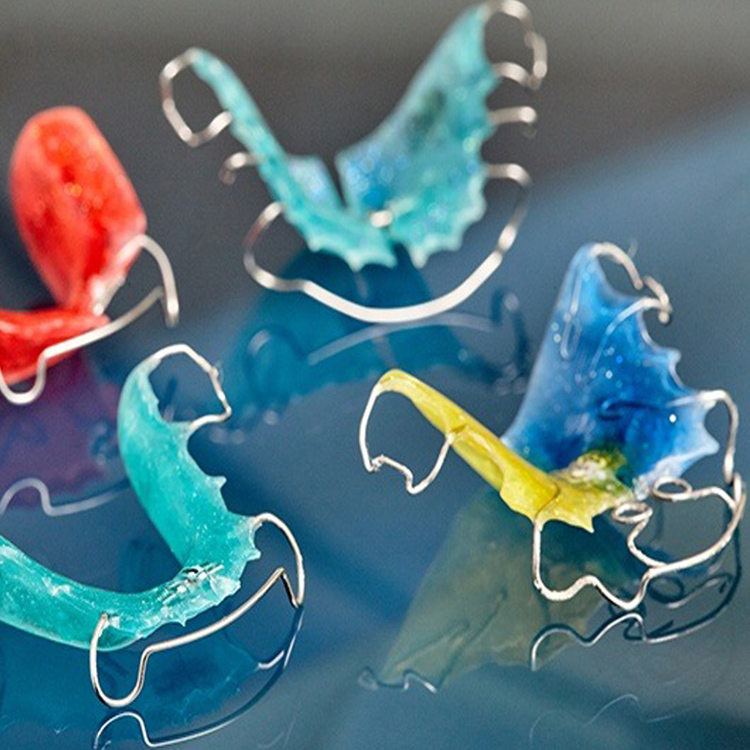
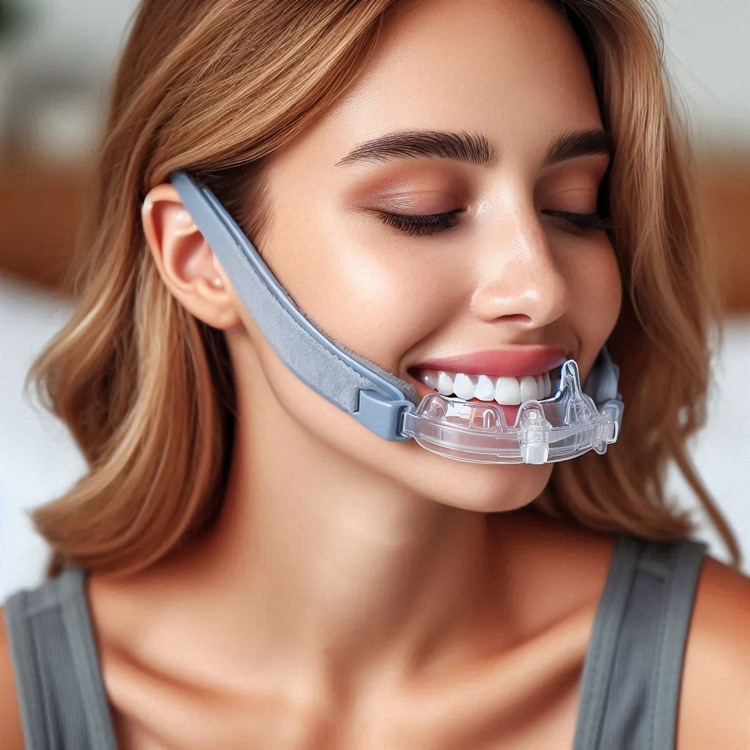
Custom Occlusal Splints And Night Guards: Hard acrylic custom made to fit your teeth and designed to place your jaw in a position where it is no longer being forced together by muscle tension at night.
Physical (Intra Oral Myofascial) And Trigger Point Therapy: Techniques include intra-oral myofascial release, dry needling, and light neck movements that will loosen tight areas of muscle banding.
Botulinum Toxin Injections: Injecting botulinum toxins into both the masseter and temporalis muscles will temporarily decrease the amount of contraction force in these muscles. Botulinum toxin can be an effective treatment option for patients experiencing severe jaw spasm and/or neck spasm.
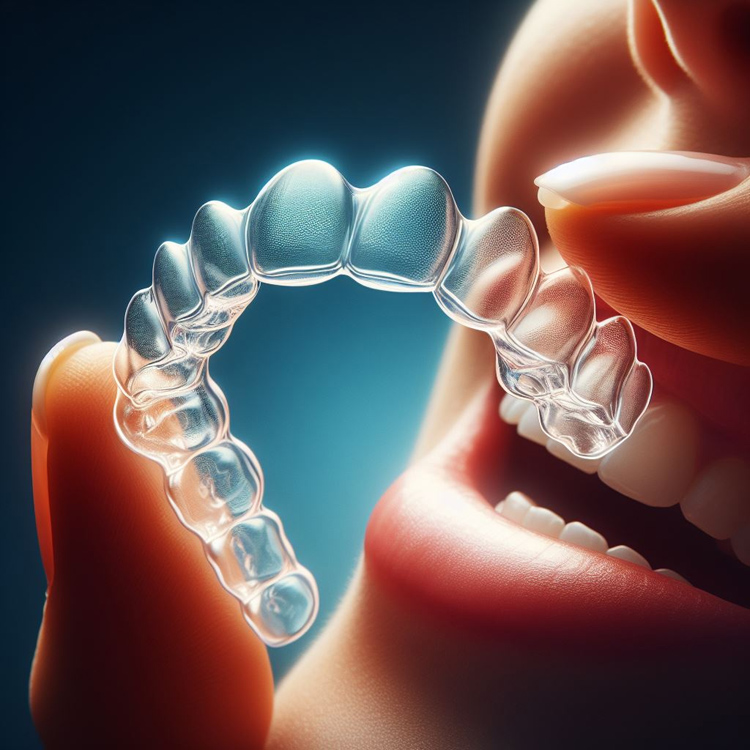
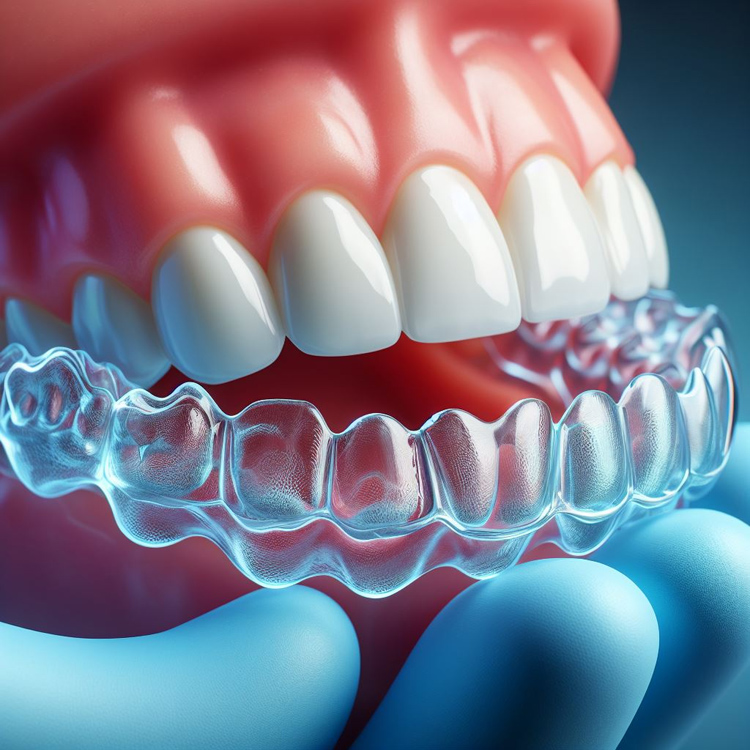
Orthodontics And Restorative Dental Realignment: Once you have reached a state of comfort with your current level of muscle pain, orthodontic/realignment options such as clear aligners, crowns, etc., are available to permanently correct bad bites.
Estimated out-of-pocket expenses for TMJ-related neck pain treatment vary by clinic infrastructure and diagnostic requirements:
|
Procedure |
Average Out-of-Pocket Range (INR) |
|
Initial TMJ & Cervical Evaluation |
₹500 – ₹2,000 |
|
Diagnostic CBCT / Joint Imaging |
₹2,500 – ₹6,500 |
|
Custom Occlusal Night Guard / Splint |
₹6,000 – ₹20,000 |
|
Physiotherapy & Myofascial Release (Per Session) |
₹500 – ₹1,500 |
|
Masseter Botulinum Toxin Therapy |
₹15,000 – ₹35,000 |
Insurance Coverage: Medical insurance coverage varies. Out-of-pocket costs depend heavily on clinic infrastructure, diagnostic requirements, and material selection.
General Dentist: Provides an overview assessment to include a bite check and/or simple night guard fabrication.
Prosthodontist: Expertise includes the design and construction of more complex bite reconstruction cases as well as occlusal rehabilitation. The prosthodontist also constructs custom splinting appliances.
Orofacial Pain/TMJ Specialist: Non-surgically manages chronic facial, jaw and cervicogenic pain.
Maxillofacial Surgeon: Examines severe structural joint deterioration or disc displacement which may require invasive surgery such as arthrocentesis or complete joint replacement.
Immediately (Within 24 Hours): If your jaw locks open or shut, or you experience immediate neck pain from recent facial injury. See an urgent care facility or hospital emergency department.
Evaluation Within A Few Weeks (1-2 Weeks): It is recommended that patients evaluate their symptoms if they are experiencing ongoing neck stiffness accompanied by daily morning headache(s), or increasing frequency of joint cracking.
Routine Check-Ups/Elective: A routine examination will be scheduled when the patient has no significant pain and can move freely, including some mild jaw clicking.
Can a poor bite or jaw condition cause serious discomfort in the neck and shoulders?
Absolutely. Jaw muscles have direct attachments to the muscles in the neck and upper back. When your jaw is out-of-balance, those muscles must exert excessive force and will lead to chronic neck stiffness as well as postural problems.
How soon can you expect relief with regard to neck pain when wearing a mouthguard at night?
The vast majority of our patients experience significant reduction in muscle tension and/or neck pain in two to four weeks after using their nighttime mouth guard consistently along with some form of recommended physical therapy exercise.
Does rest and a soft food diet assist in correcting this issue?
Resting your jaw on a soft diet may reduce immediate stress on your jaw, allow for the inflammation to settle down; however, it does nothing to correct the source of the issues such as malocclusion, etc.
The treatment of neck pain related to TMJ disease requires a multi-disciplinary team consisting of both dental and orthopedic components. Utilization of custom-made occlusal appliances early in the course of treatment will prevent future structural damage to the TMJ joint and stop any muscular compensation that has developed prior to becoming chronic cervical complaints. Any patient with persistent neck pain along with symptoms of jaw clicking or bruxism should be evaluated for TMJ/bite problems formally.




.jpg)
.jpg)
.jpg)
.jpg)
.jpg)
.jpg)
.jpg)
.jpg)
.jpg)
.jpg)
.jpg)
.jpg)
.jpg)