
Negative smiles occur when the shape of the upper incisal edge line is reversed from the lower arch to create an opposing shape to that of the lower lip during smiling. This creates an unesthetic or "downward" slope. These types of discrepancies are most commonly seen with patients who have uneven wear on their teeth, changed passive eruption, and/or skeletal discrepancies.
Clinical Definition - A smile arc that follows an inverse shape to the normal smile arc; therefore, the upper anterior teeth may appear to be shorter than the upper canines or even follow a downward slope.
Indicators - Facial asymmetry, inconsistency in exposure of gum tissue, and premature occlusal wear.
Treatment Options - Cosmetic orthodontics, such as Digital Smile Design (DSD) procedures, porcelain veneers, orthodontic intrusion procedures, and crown lengthening procedures.
Upper Lip Line - Will mask the central incisors entirely and expose a large area of excessive gingiva anteriorly.
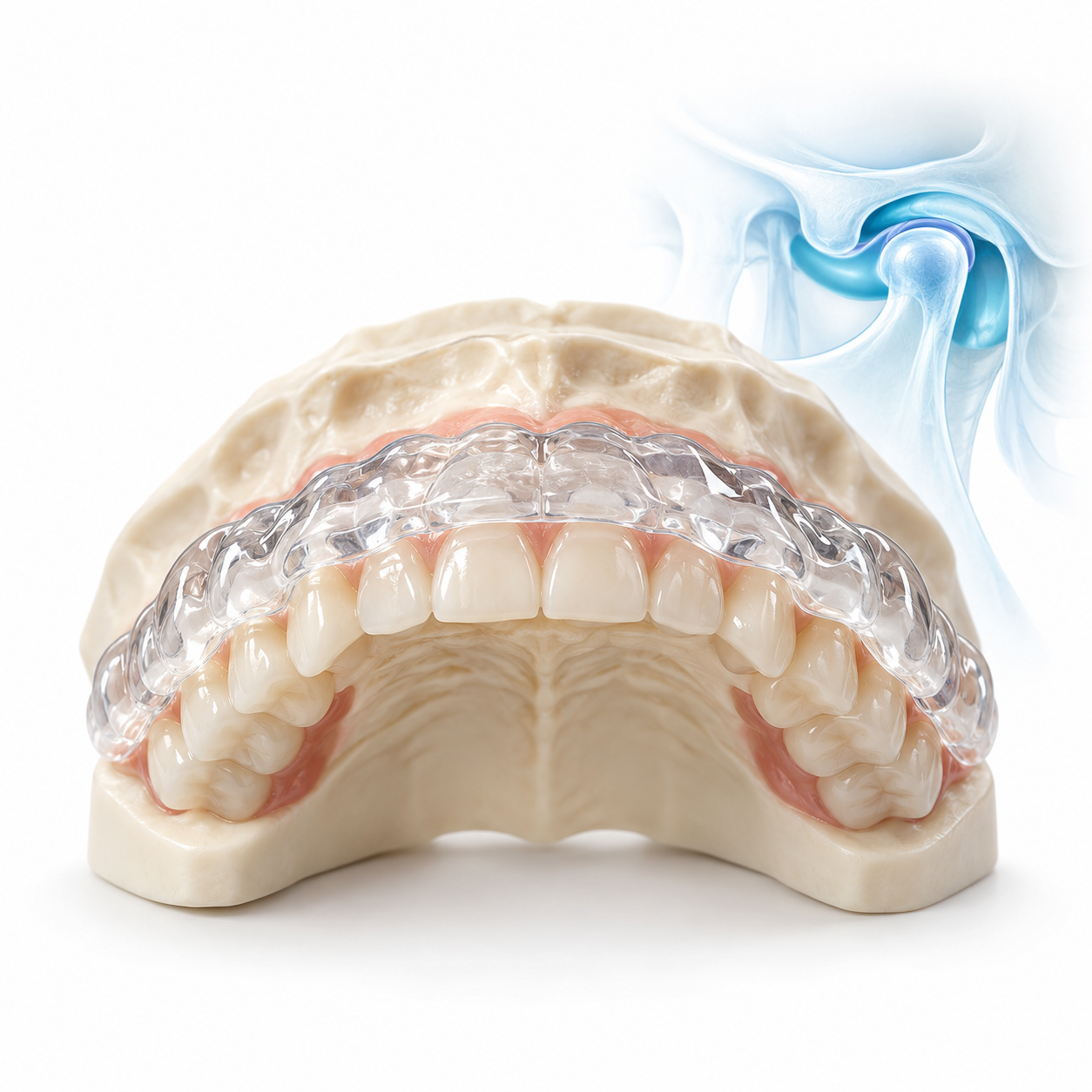
Bruxism - Grinding of teeth, or mechanical wear from other sources can produce rough edges along the front surface of your teeth.
Muscle Strain - You may also experience muscle strain to the muscles that cause you to smile, specifically the orbicularis oris and risorius, when you have to force your smile to compensate for your altered dentition.
Occlusal Collapse - If the anterior teeth chip off rapidly or shorten acutely as a result of severe acid erosion or acute nocturnal bruxism.
TMJ Dysfunction - Usually along with chronic clicking or locking, and produces radiating pain.
Gingival Problems - If your gums bleed excessively or recede as a result of persistent irritation caused by an altered gum line.
Attrition - The wear pattern on the central incisors is greater than that for the canines, resulting from chronic attrition in an edge-to-edge bite.
Passive Altered Eruption - Gingiva does not retreat as it should during adolescent development, resulting in a short clinical appearance of the teeth.
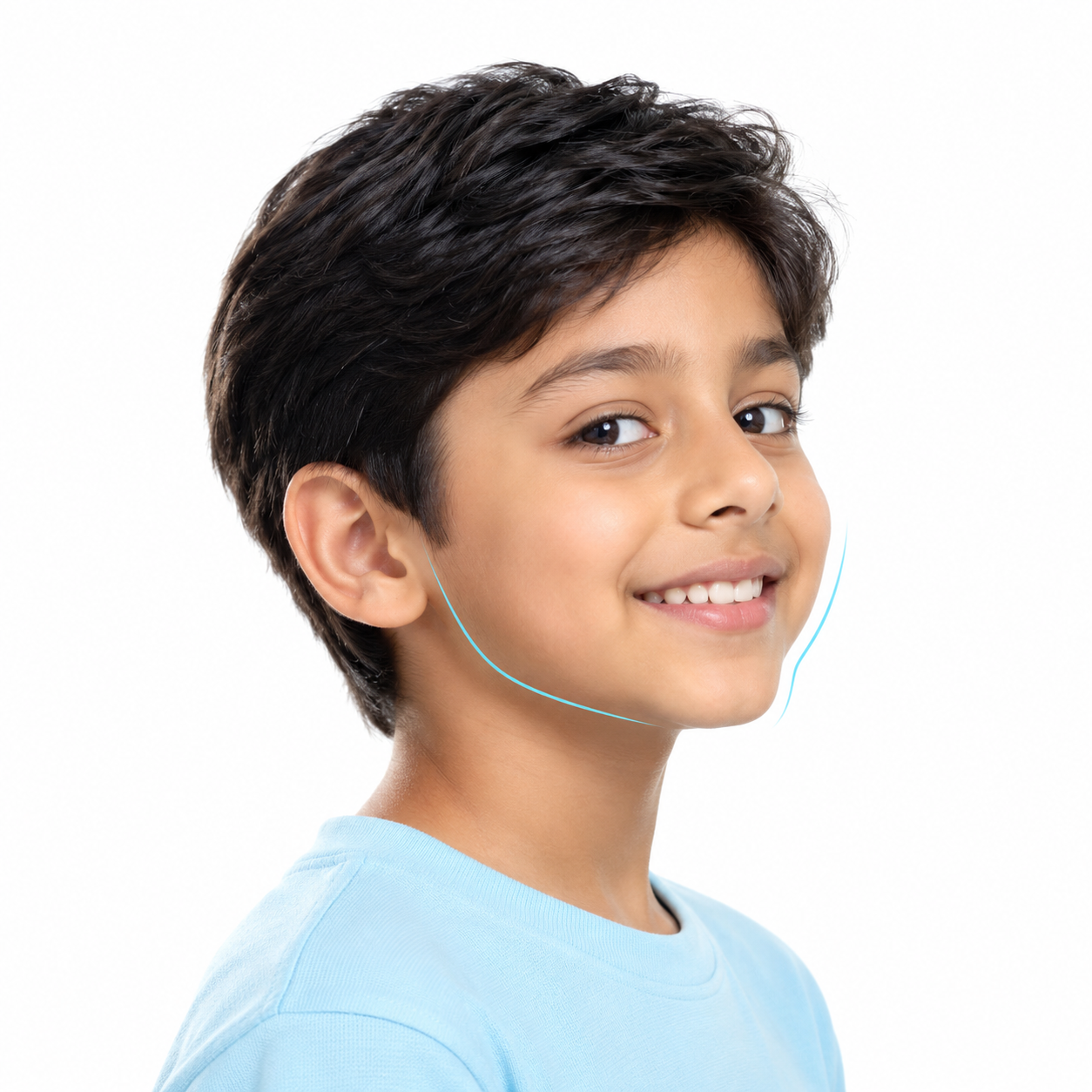
Vertical Maxillary Skeletal Excess - Overdevelopment of the facial musculature (i.e., hypermuscularism) or excessive vertical growth leading to abnormal tooth exposure at rest.
Dietary Patterns - Acidic beverage intake (e.g., carbonated soft drinks and concentrated citrus juice) and/or frequent use of abrasive materials in modern diets (e.g., abrasive toothpastes).
Behavioral/Para-Functional Habitual Activity - Clamping/jaw flexion associated with stress, including, but not limited to: academic/corporate settings in urban areas.
Genetic Characteristics - Hereditary conditions causing skeletal malalignment of the mandible/dental arches; inherited microdontia (smaller than normal dental structures).
Look into a Mirror That Is Well Lit - Examine your teeth with your best natural smiling expression.
Assess Whether the Curves of Your Upper Front Teeth Have a Downturned Edge - Check to see if they match the curvature of your lower lip (i.e., do they drop down below your lower lip when you show them?).
Identify If Your Front Teeth Are Flat/Even - Look for the absence of a "V" shape and/or check if the corners of your mouth droop as you mostly display lower teeth.
Do Not Push or Press on Either Side - Avoid forcefully biting down when evaluating your alignment.
Diagnostic Clinical Examination - Visual examination of the smile arch, resting incisor display, and other phonetics.
Advanced Diagnostic Imaging - Panoramic radiographs and cephalometric radiographs to evaluate root position and orientation, alveolar bone height, and craniofacial proportions.
Digital Scanning & Simulated Occlusion - Three-dimensional digital models of your occlusal surfaces to assess how bite forces will affect potential smile restoration designs.
Mild - The amount of wear is minor and can be corrected with direct composite bonding.
Moderate - There will be a noticeable smile arch reversal that requires either indirect ceramic veneering or local orthodontic treatment.
Severe - Significant vertical reduction, heavy wear on teeth, and skeletal misalignment may require a multidisciplinary approach for full-mouth restoration.
Minimally Invasive Bonding - Instantly repair missing incisal length by utilizing nano-filled composite resin for direct bonding.
Ceramic Veneers/Crowns - Utilize custom e.max or zirconia restorations created using the latest digital dental workflows for each patient's unique aesthetic design.
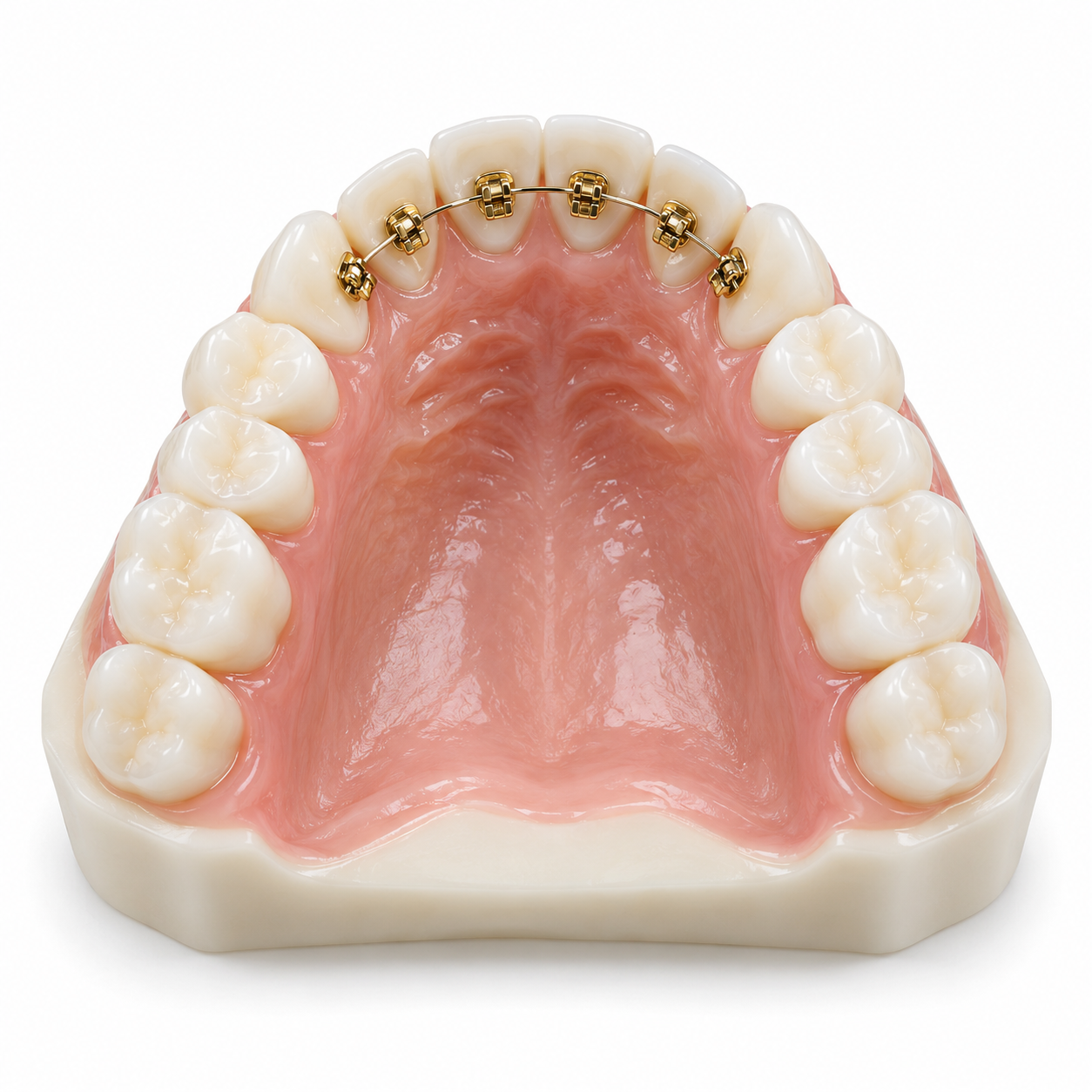
Orthodontic Realignment - Use fixed appliances, clear aligners, or lingual braces to extrude or intrude specific teeth into aesthetic and functional harmony.
Cost Breakdown - The cost of a Cosmetic Smile Makeover in India varies greatly depending on several factors such as your budget, location, and the complexity of your case.
Single Tooth Procedure - The average cost of a single tooth procedure can range from approximately INR 3,500 to INR 8,000.
Porcelain Veneer Pricing - Dependent upon the type of ceramic used; typically costs will be between INR 12,000 and INR 25,000 per unit.
Comprehensive Rehabilitation - A comprehensive rehabilitation procedure that includes treatment for the entire arch may range from INR 1,50,000 to INR 4,00,000 at top-tier Kerala-based clinics.
Insurance Coverage - In general, insurance does not cover optional elective cosmetic corrections.
Prosthodontist - Has extensive experience with restoring smiles through advanced procedures like full-mouth rehabilitation and smile makeover cases.
Orthodontist - Required if you need to correct teeth positions or bone structure before undergoing any restorative work.
General Dental Practitioners - Suitable for mild composite edge bonding and routine maintenance.
Scheduled/Elective - Negative smile corrections typically require scheduled elective procedures planned 2 to 4 weeks in advance to properly restore tooth aesthetics and function.
Urgent - Immediate clinical evaluation is necessary when an altered smile arch results from an acute traumatic chip, sudden structural loss, or associated nerve dysfunction.
Is it possible to fix a negative smile without orthodontics?
Yes. Porcelain veneers or composite bonding can immediately restore a missing part of your tooth to give you a more positive smile.
Will correcting my negative smile cause me pain?
Most modern cosmetic dentistry uses anesthetic that will minimize the amount of discomfort you feel during your procedure.
How long will my smile restorations last?
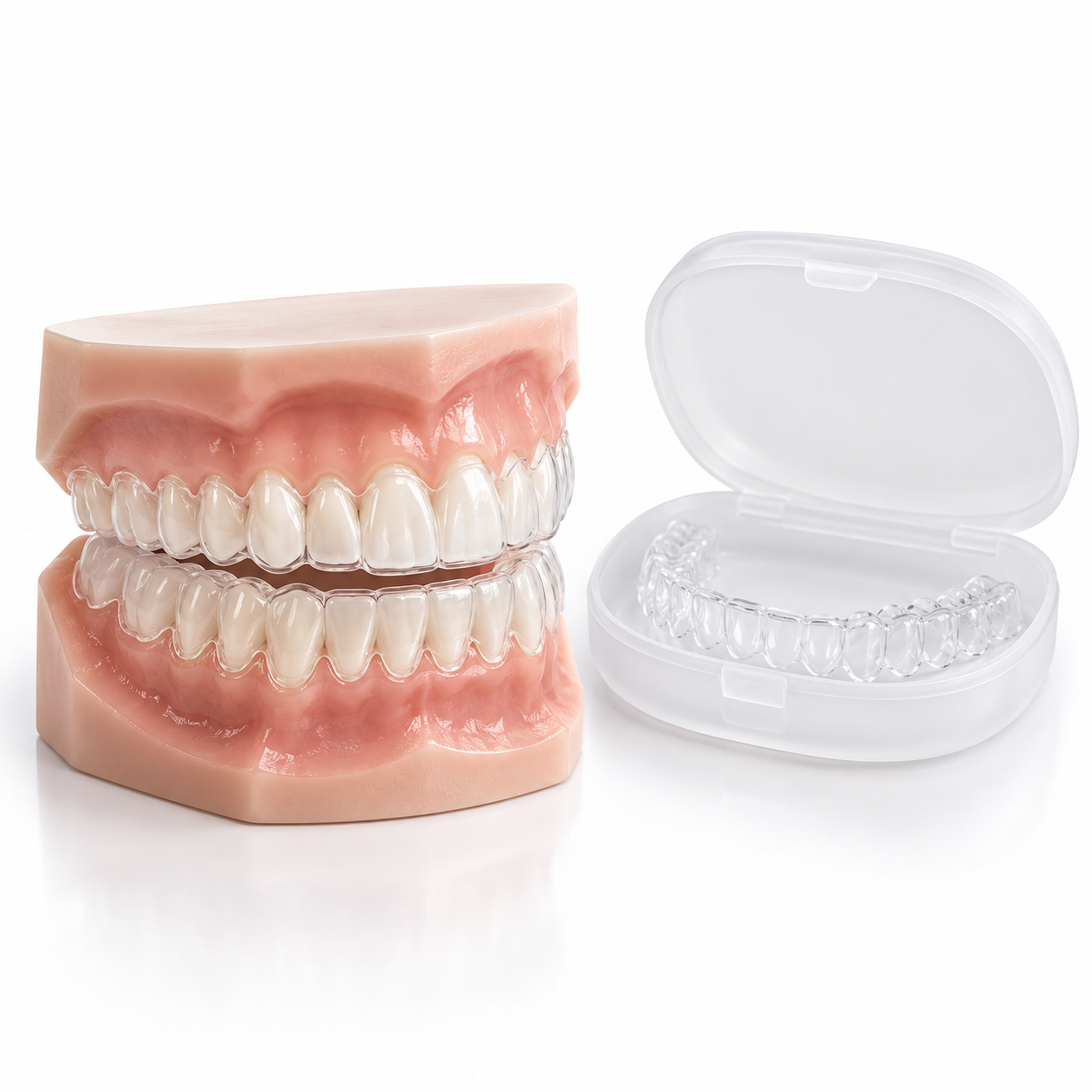
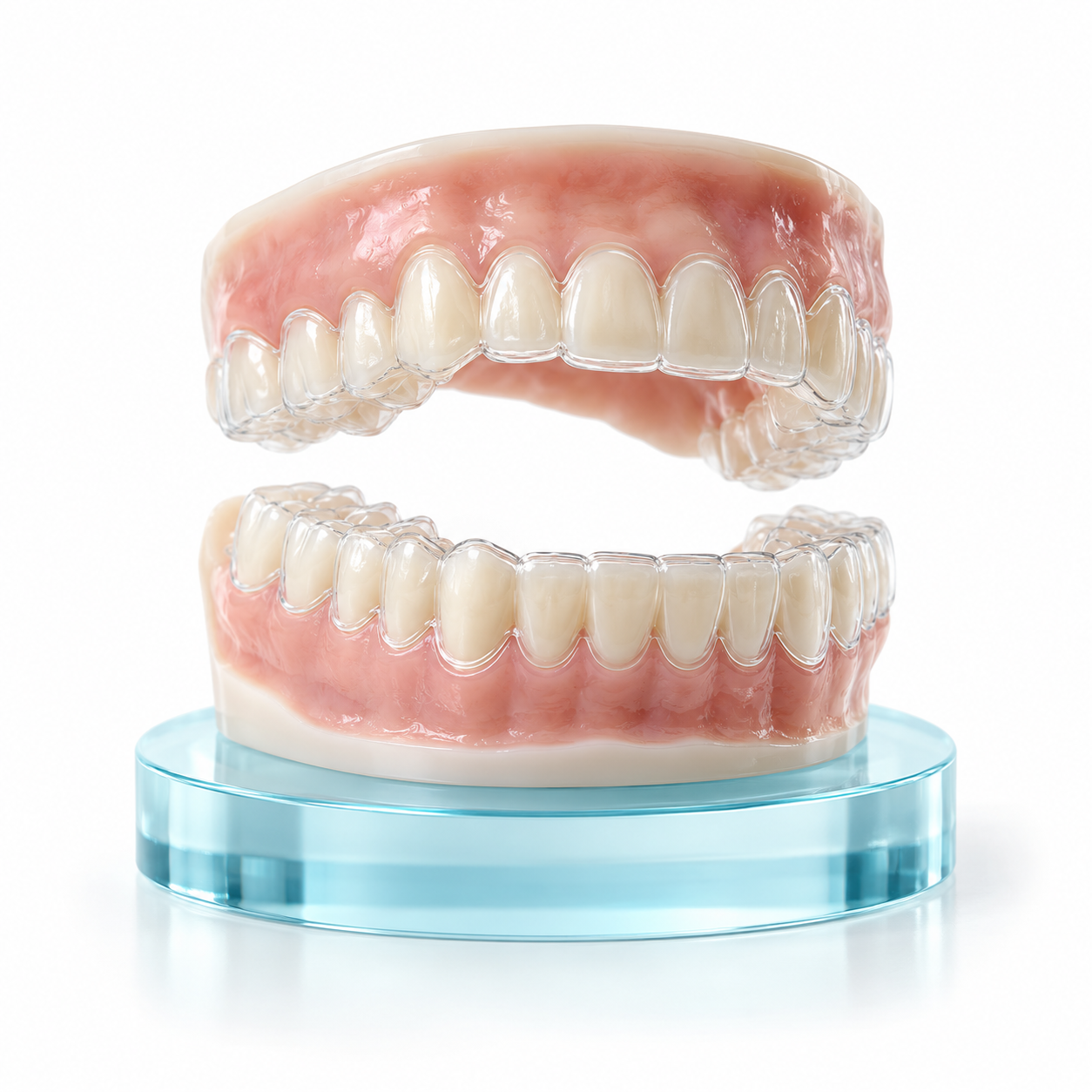
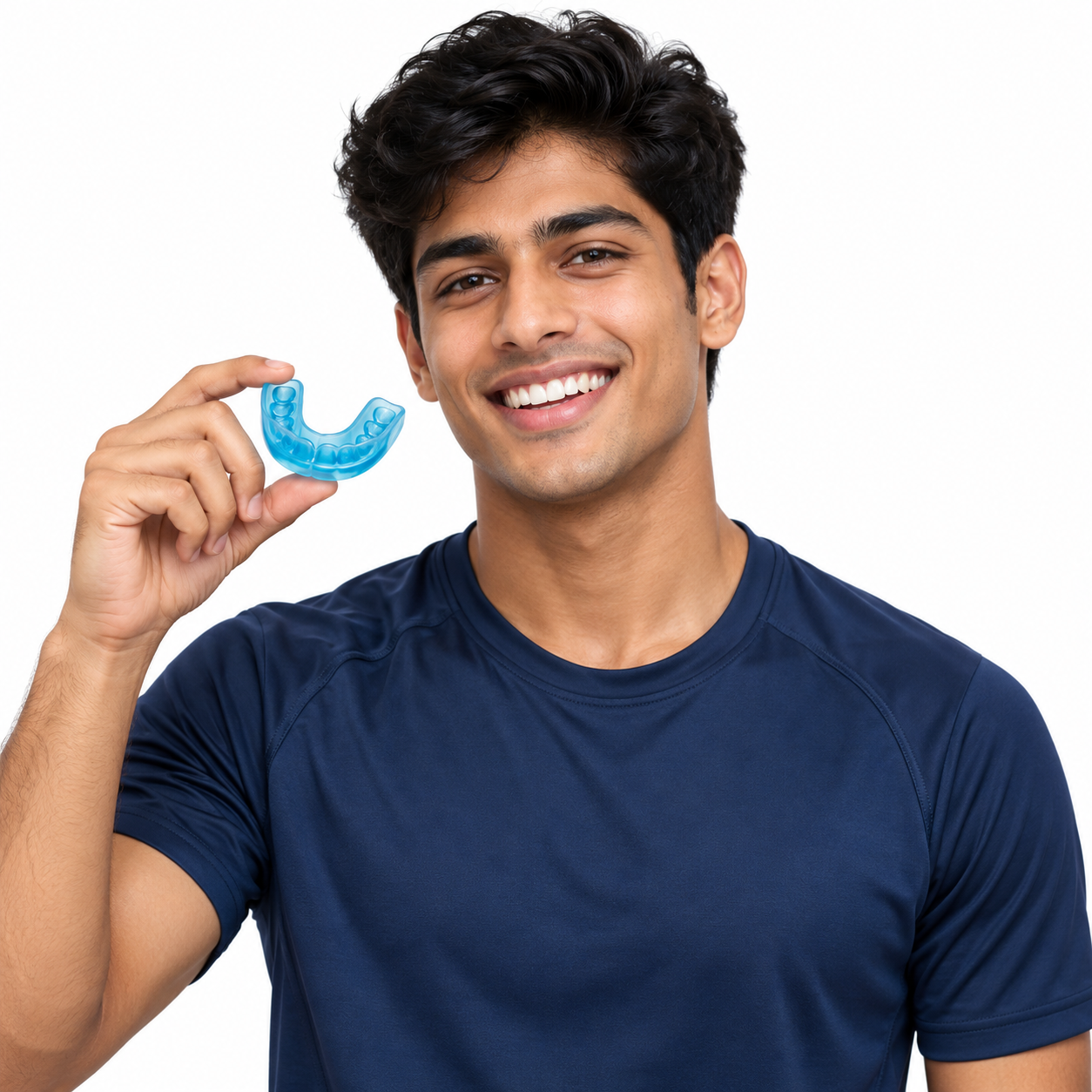
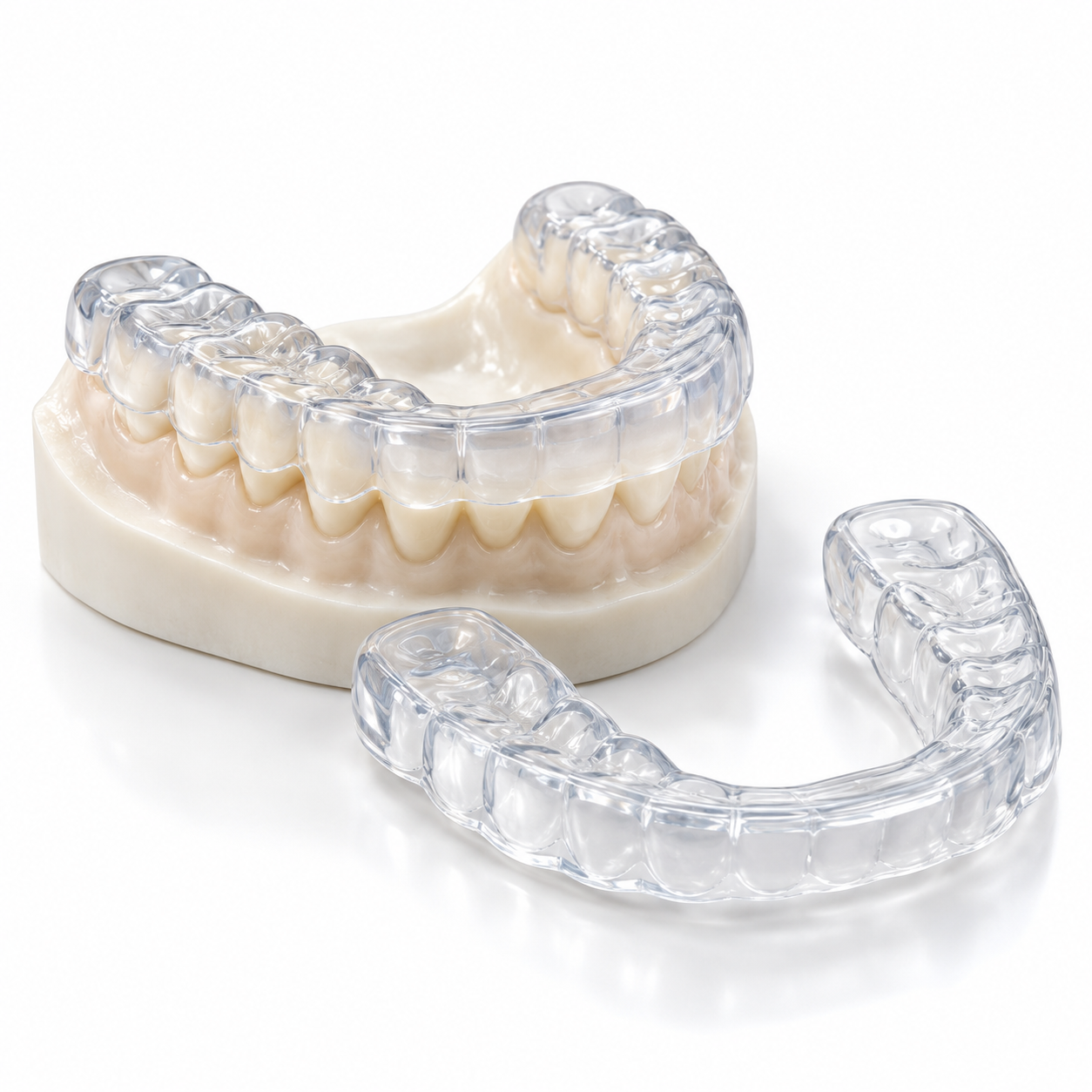
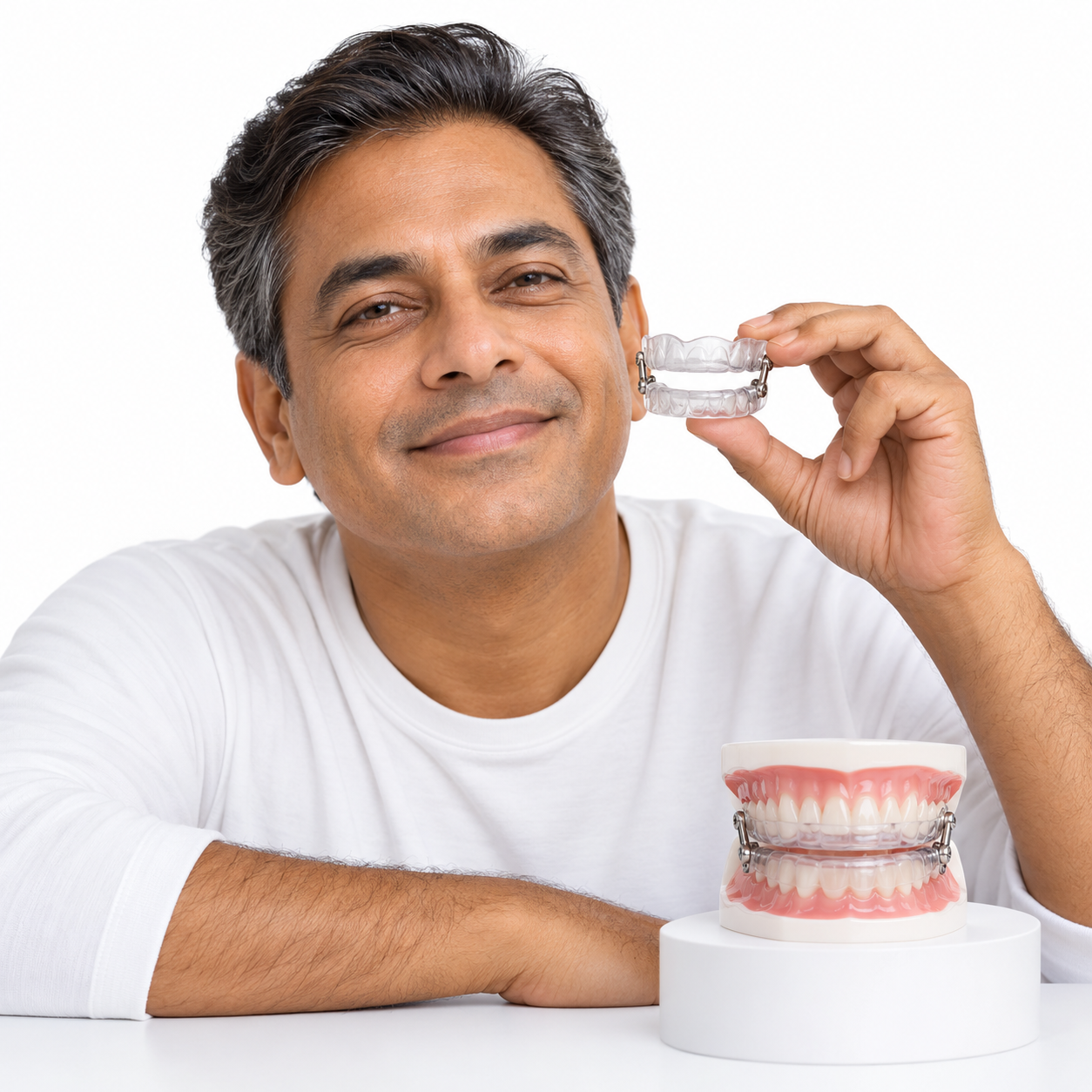
Typically high grade ceramic veneers and crowns will provide you with 10-15 years of service as long as you take good care of them (using a night guard) and practice proper dental hygiene.
A successful smile arc balance will depend upon effective communication between structural stability and beauty proportion. Due to increased precision and consistency in treatment planning, Kerala has become one of the leaders in utilizing digital work flows. Successful long term results also require diligent adherence to the clinician's recommendations including post treatment care, routine occlusal evaluation and the utilization of protective night guards for those with para functional habits.


.jpg)
.jpg)
.jpg)
.jpg)
.jpg)
.jpg)
.jpg)
.jpg)
.jpg)
.jpg)
.jpg)
.jpg)
This site is part of the DEC Dental Network — a Dental Equity & Connectivity ecosystem of clinical, educational, and patient-support brands operated by Team Dental Pvt. Ltd. Our network works as one — guiding you from your first search to your final smile.
© 2026 Team Dental Pvt. Ltd. · Founded 2013, Angamaly, Kochi, Kerala
About DEC Dental