An overbite is a form of malalignment of teeth where upper front teeth overlap lower front teeth excessively in a vertical direction. It differs from an overjet which measures horizontal protrusion of upper teeth beyond lower teeth. In a healthy dental configuration, upper incisors cover roughly 1 to 2 millimeters (about 10% to 20%) of lower incisors. When this overlap exceeds 30%, it enters the region of structural malocclusion and is classified as skeletal or dental. If left unaddressed, the vertical imbalance disrupts the temporomandibular joint (TMJ) mechanics, alters forces across the dental arches and induces structural wear on the protective enamel matrices of the lower dentition.
Clinical Definition: vertical misalignment in which upper front teeth overlap lower front teeth by more than 30%.
Urgent Indicators: Chronic jaw clicking, severe wear on lower tooth enamel, painful mastication, soft tissue trauma where lower teeth pierce the palate.
Primary Causes: Genetic skeletal discrepancies, prolonged childhood habits (thumb-sucking, tongue thrusting) localized crowding.
Treatment Options: Clear aligners, traditional self-ligating braces, restorative crown lengthening, or orthognathic jaw surgery for skeletal discrepancies.
Patients with an overbite experience a combination of visual, tactile, and functional changes. Visually, the lower front teeth may become partially or completely invisible while biting down normally. Tactilely, the lower incisors often make physical contact with the soft palatal tissue behind the upper Teeth rather than resting against the lingual surfaces of the upper teeth. Functionally, this altered bite path leads to abnormal wear cycles.
The constant attrition chips away at the incisal edges of the lower teeth, exposing the yellowish dentin layer beneath white enamel matrix. Over time, individuals notice localized tooth sensitivity to hot and cold liquids speech impediments such as mild lisping and muscular fatigue in masseter and temporal muscles during normal chewing.
While a light overbite is primarily an esthetic or minimal functional issue, specific warning signs point to deep tissue damage and require immediate clinical intervention:
Palatal Impingement: Lower teeth biting directly into soft tissue of roof of mouth causing chronic ulceration, inflammation and potential secondary bacterial infections.
Accelerated Enamel Attrition: Flatness of lower front teeth indicates micro-fractures developing across enamel prisms that could expose pulp chambers.
TMJ Dysfunction: Severe painful clicking popping locking of jaw joint accompanied by chronic tension headaches.
Periodontal Breakdown: Rapid loosening or receding of gums around lower front teeth caused by extreme non-axial biting forces.
Development of overbite occurs in both hereditary patterns and acquired mechanical behavior.
A skeletal overbite is generally genetic based on familial trait characteristics that result in smaller retrognathic mandible or oversize maxilla.
Acquired overbite develops during early childhood development. Persistent thumb-sucking or pacifier use after age three places continuous upward pressure on hard palate while disturbs eruption path of anterior teeth.
Infantile tongue thrusting habits — where tongue pushes forward & downwards during swallowing — disturbs delicate equilibrium between outward labial pressure from lips and inward pressure from buccal musculature, locking anterior teeth into deep vertical overlap.
Several underlying structural and behavior variables raise the risk of developing a severe overbite:
Early childhood habits: Continued non-nutritive sucking behavior or mouth breathing caused by chronic adenoid hypertrophy or allergies.
Missing posterior teeth: Loss of lower primary molars without space maintainers cause remaining teeth to drift and deepen the bite.
Bruxism: Nocturnal grinding applies massive axial & non-axial force accelerates structural wear & adds to severity of present deep bite.
Skeletal Dysplasia: congenital size discrepancies between upper and lower arcs that prevent coordination between arch curves in active growth spurts.
A safe and reliable self-assessment can be done before a well-lighted mirror without applying force to your teeth:
Look straight ahead: Look directly into the mirror and swallow naturally allowing your back molars to touch each other.
Observe the front teeth: part your lips while keeping your back teeth together, note how much of your lower front teeth you see.
Evaluate the overlap: if your upper front teeth cover more than one third of your lower teeth you have a moderate overbite. If you do not see anything of your lower front teeth it is a severe deep bite.
Check the roof of mouth: Slide the tip of your tongue behind your upper front teeth to feel if your lower incisors are digging into or irritating palatal tissues
A confirmative diagnosis will need a comprehensive clinical evaluation by a dental professional.
The diagnostic process commences with standard extraoral and intraoral examinations to check jaw tracking and muscle tenderness.
Orthodontic radiographs are used as primary tools for diagnostic purposes. Panoramic radiography provides a full view of the entire dentition and a lateral cephalometric radiograph provides accurate measurement of cranial base maxilla and mandible angle relationships. This differentiates a skeletal overbite from a dental overbite.
Digital intraoral scanners create highly accurate 3D models of dental arches permitting the clinician to evaluate occlusion from all angles, measure the exact millimetre overlap and plan movement pathway of the teeth.
Severity
Overbites are categorized into three distinct diagnostic grades based on percentage vertical overlap and tissue involvement:
|
Severity |
Vertical Overlap % |
Clinical Characteristics |
|
Grade 1 |
30% to 50% |
Lower incisors remain largely visible, minimal enamel wear, largely asymptomatic. |
|
Grade 2 |
51% to 100% |
Upper teeth cover more than half to all of the lower teeth, visible enamel attrition on incisal edges, occasional jaw muscle fatigue. |
|
Grade 3 (Severe/Deep) |
100 % or more (impinging) |
Lower teeth are entirely hidden and actively bite into the palatal mucosa, causing structural damage to underlying bone and a high risk of TMJ issues. |
Correcting an overbite requires modern orthodontic and restorative technique based on ages and severity:
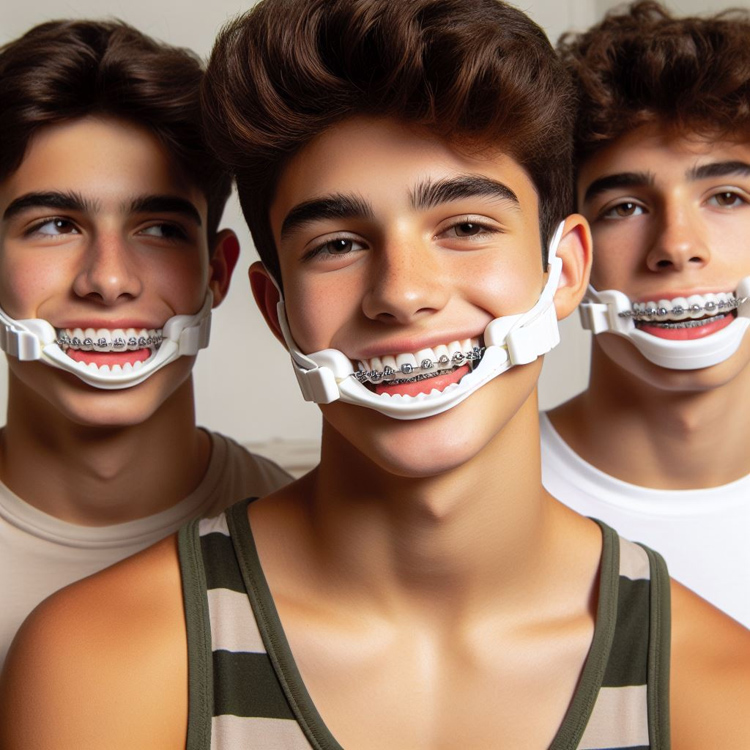
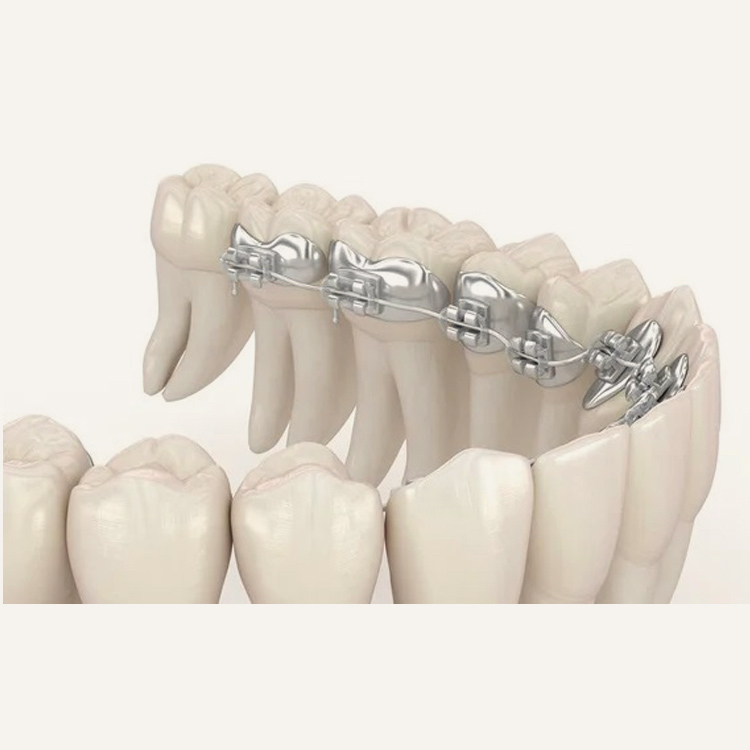
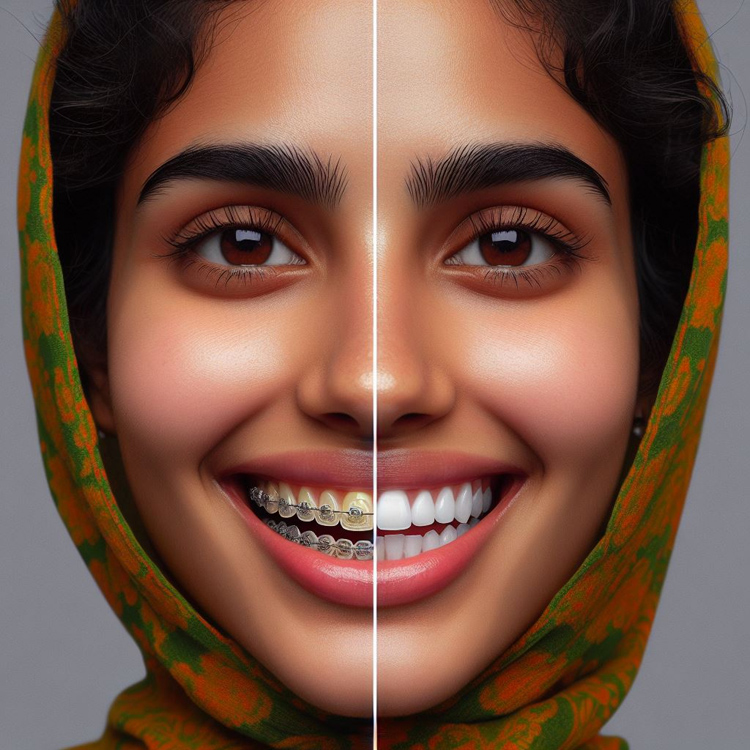
Orthodontic Braces: Metal or ceramic self-ligating braces utilize continuous light forces to intrude the front teeth and extrude posterior teeth levelling the arch curve (Curve of Spee).
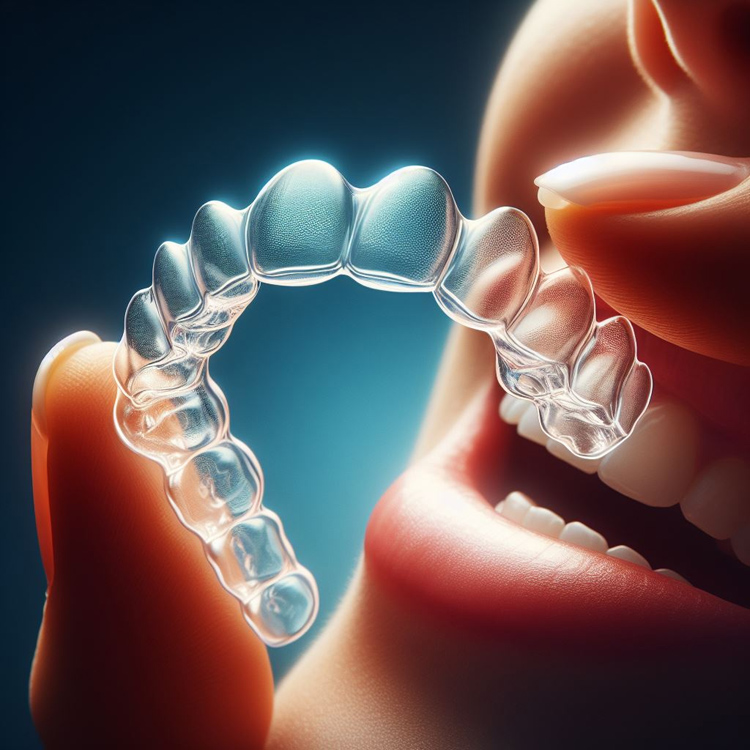
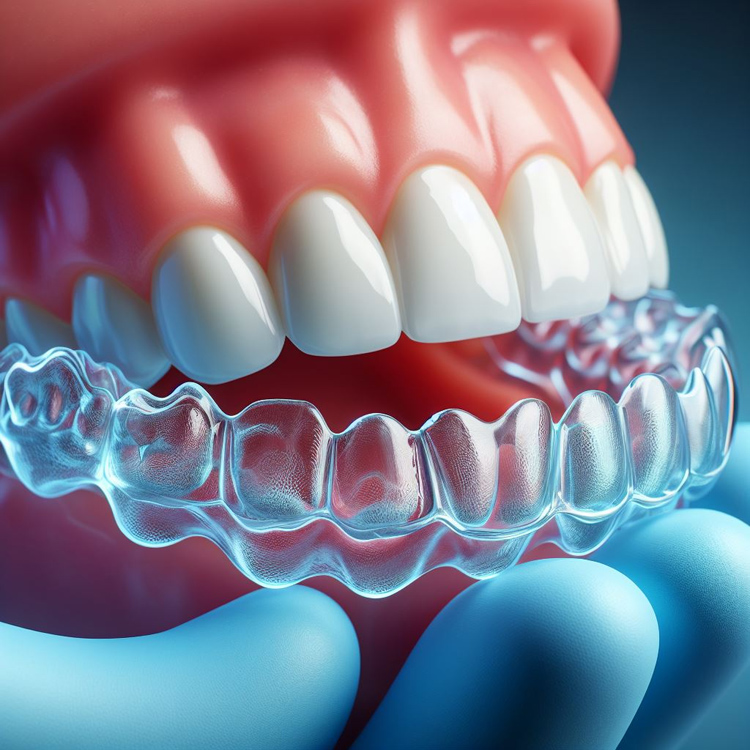
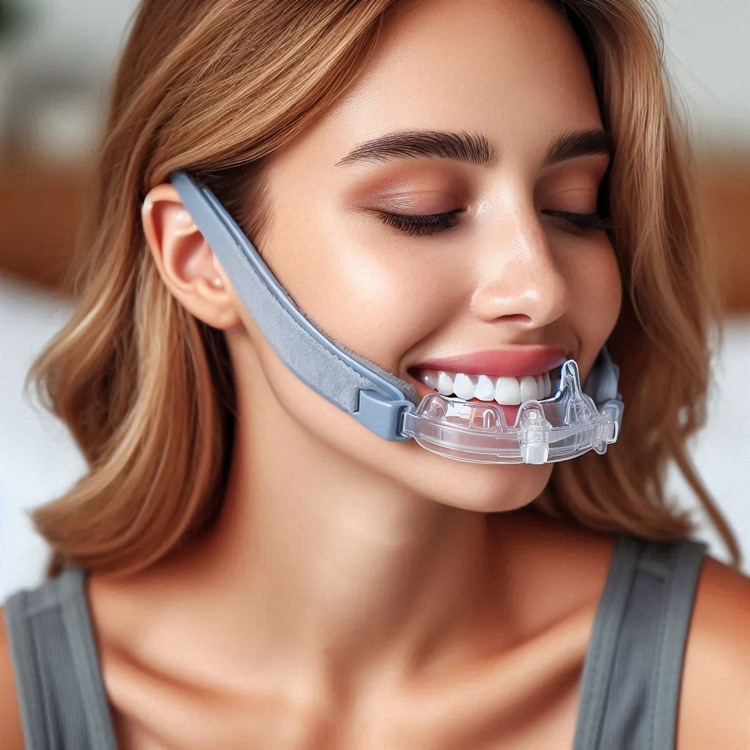
Clear Aligners: Transparent removable trays use built-in bite ramps to apply precise forces that correct moderate deep bites discreetly.
Restorative Rehabilitation: Porcelain veneers or full-coverage crowns for adult patients with severe enamel loss to rebuild height and restore lost vertical dimension of occlusion.
Orthognathic Surgery: For severe skeletal overbite in adults, maxillofacial surgeons reshape and reposition lower jaw forward to achieve functional balance.
Orthodontic and restorative costs in Kerala varies on basis of treatment complexity material chosen & clinical expertise required:
Metal Braces: Range from ₹35,000 to ₹55,000 across urban centres.
Ceramic & Self-Ligating Braces: Usually fall between ₹55,000 & ₹85,000.
Clear Aligners: Premium international & high quality domestic aligner systems range from ₹70,000 to ₹2,50,000 case complexity.
Restorative Treatments: Porcelain veneers or crowns to re-build wearing enamel generally cost between ₹8,000 & ₹18,000 / tooth.
Successfully resolving a deep bite requires dentistry expertise. A general dentist can identify malocclusion & manage mild restorative cases but a certified Orthodontist is necessary for managing structural movement of teeth via braces or aligners. If the overbite has caused severe enamel attrition, micro fractures or vertical height loss — Prosthodontist must reconstruct worn bite using crowns & veneers. For adult cases rooted in severe skeletal discrepancies — collaboration between Orthodontist & maxillofacial surgeon will be required for corrective jaw surgery.
An overbite develops slowly. Therefore need for emergency treatment is low but timelines change based on clinical presentation:
Routine/Elective (within 1-3 Months): For mild to moderate overbite without pain & no soft tissue injury.
Urgent Care (Within 1-2 Weeks): When a severe overbite causes the lower teeth to puncture or ulcerate the palate, causing an infection or making chewing painful.
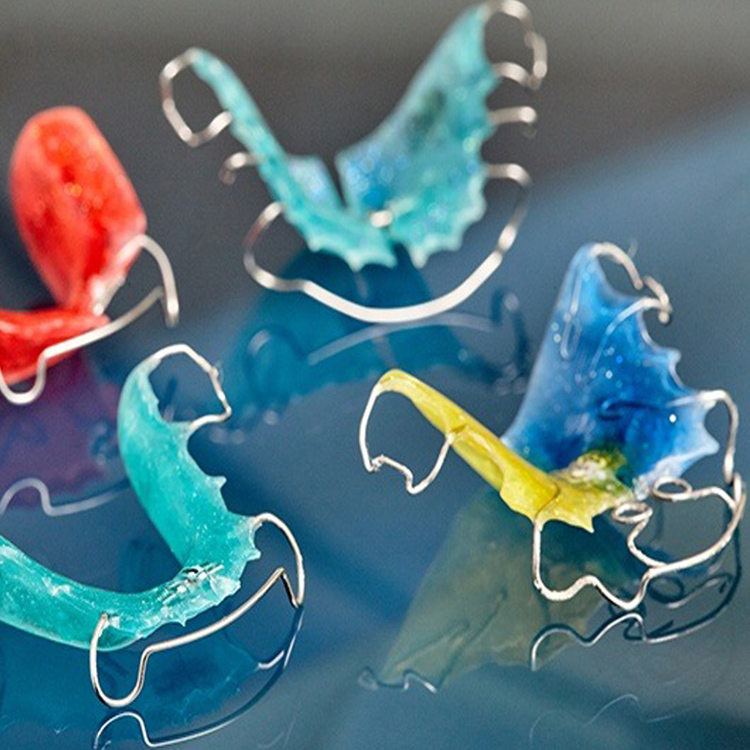
Early Intervention (Age 7-10): For growing children exhibiting early skeletal overbites, utilizing growth-modification appliances (like twin-block appliances) during active growth spurts can prevent the need for complex adult jaw surgeries later in life
Can clear aligners fix a severe overbite in adult patients?
Yes, clear aligners can successfully treat many adult overbites. Modern aligners utilize specialized attachments and engineered "bite ramps" on the back of the trays to open the bite by gently pushing the front teeth into the jaw bone while allowing the back teeth to erupt slightly. However, if the overbite is deeply skeletal, aligners may require combination therapy with jaw surgery.
Is it normal for my jaw to click if I have a deep bite?
Jaw clicking is a common secondary sign of a deep bite. Because the lower jaw is forced into a backward position to accommodate the deep overlap, it places continuous pressure on the temporomandibular joint (TMJ). This alters the alignment of the shock-absorbing disc inside the joint, leading to popping, clicking, and muscle soreness.
What happens if I choose to leave my overbite untreated?
Leaving a moderate to severe overbite untreated often leads to progressive health issues over time. These include accelerated wearing down of the lower front teeth, chronic gum recession, a higher risk of chipping your teeth, unexplained jaw pain or headaches, and potential damage to the soft tissues on the roof of your mouth.
From a clinical perspective, managing an overbite is fundamental to preserving the long-term health of the entire masticatory system. A deep vertical overlap changes how forces are distributed across your teeth, often leading to early breakdown of the enamel matrix, joint strain, and damage to the supporting gums. Successful long-term care relies heavily on timely diagnosis, particularly during early childhood when we can guide jaw development naturally. For adult patients, modern digital orthodontics combined with conservative restorative dentistry allows us to predictably rebuild balanced alignment, protect tooth structure, and restore proper joint function.




.jpg)
.jpg)
.jpg)
.jpg)
.jpg)
.jpg)
.jpg)
.jpg)
.jpg)
.jpg)
.jpg)
.jpg)
.jpg)