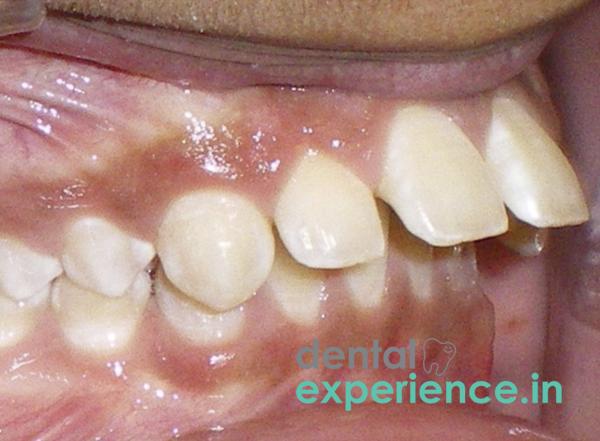
Overjet occurs when there is an excessive horizontal overlap of the upper and lower teeth. While often referred to as an 'overbite,' which defines the amount of vertical overlap between the upper and lower teeth, an overjet refers to the horizontal projection of the upper teeth beyond the lower teeth. Typically the upper and lower teeth should have no more than a 2 to 3 mm horizontal space between them. However, when the upper or lower jaws develop abnormally (due to genetics, poor jaw development, or detrimental habits such as thumb sucking), or when improper habits occur, the space becomes larger, leaving the upper teeth in a vulnerable position.
A larger overjet can affect both aesthetics and function of the bite. It may result in the need for longer orthodontic treatments, greater expenses, and it can negatively impact the quality of chewing.
Clinical Definition: Horizontal projection of upper front teeth beyond the lower front teeth exceeding 3 mm.
Urgent Indicators: Inability to seal the lips naturally (lip incompetence), fractures to the exposed enamel, ongoing trauma to the hard palate, or painful temporomandibular joint clicking.
Primary Interventions: Fixed orthodontic appliances (metal, ceramic, or self-ligating braces), clear aligners, growth-modification functional appliances, or orthognathic (jaw) surgery.
Expected Timeline: 12 to 30 months depending on whether the source is purely dental or underlyingly skeletal.
Buck Teeth: The upper front teeth will project outward, so they appear longer than they normally would. Even though the mouth may not be open wide enough for you to see the entire upper front teeth, you may still notice that they seem to stick out because of their shape and length.
Lip Incompetence: Due to the overjet, your lower lip may not completely cover your upper lip. Additionally, closing your lips will take more effort than usual.
Speech Impediment: Your ability to pronounce some words clearly will be affected, particularly those requiring the "s" sound. People who have an overjet may produce a "whispery," lispy effect when pronouncing words containing the "s" sound.
Poor Mastication: As your front teeth cannot be used effectively, you will most likely chew all of your food on the sides of your mouth with your premolars and molars.
Dry Mouth (Xerostomia): Due to mouth-breathing, which is usually caused by incompetent lips and/or an obstructed air passage, the saliva production in your mouth decreases. As a result, you may awaken each day with bad breath and you may also experience gum irritation.
There are several things that may indicate you have a serious problem that needs immediate attention:
Enamel fracture lines: If you hit your front teeth accidentally while eating or playing sports, these could crack or break. These types of accidents may result in micro-fractures, which are tiny cracks throughout the enamel layer of your upper front teeth.
Palatal ulcerations: Your lower front teeth might be biting directly into the mucous membrane located immediately behind your upper front teeth. Repeatedly biting into this area may lead to chronic ulcers or wounds.
Excessive lower front tooth wear: The lower front teeth will wear unevenly and rapidly in order to compensate for being positioned incorrectly. This type of excessive wear is called severe dental attrition.
TMJ Pain/clicking/locking: Painful clicking or locking can indicate that the lower jaw is constantly posturing forward or straining abnormally to allow the front teeth to function, placing chronic stress on the jaw joints.
The causes of an overjet include a combination of skeletal and physical forces.
Skull discrepancies: Developmentally, the upper jaw grows ahead of the lower jaw (maxillary prognathism) and/or the lower jaw does not grow as expected (mandibular retrognathism).
Non-nutritive sucking habits: Prolonged sucking habits (thumb sucking/pacifiers) after age three place continuous mechanical pressure against the alveolar ridge causing forward movement of the upper teeth and backward positioning of the lower jaw.
Abnormal swallowing pattern: Tongue Thrusting is an abnormal swallowing behavior where the tip of the tongue pushes against the back of the anterior teeth instead of toward the roof of the palate. Continuously doing this slowly spreads apart the upper anterior teeth.
Long term mouth breathing: Can be caused by enlarged tonsils or chronic allergic rhinitis. Long term mouth breathing changes the resting posture of facial muscles causing tightness of cheek muscles and narrowing of the upper arch. Both conditions push the anterior teeth forward.
Family history: Family history plays a role as a predisposing factor to developing a class ii malocclusion or structural micrognathia (smaller than average lower jaw).
Obstructed airways: Children experiencing persistent respiratory problems throughout childhood will continue to breathe through their mouths and will ultimately influence craniofacial growth patterns in a negative way.
Large permanent crown size relative to supporting bone size: Large permanent crown sizes relative to their supporting base size can create forward flares to gain room.
Premature loss of primary molars: Losing primary teeth prematurely results in permanent first molars drifting forward into the arch creating overcrowding and changing the bite dynamics.
To evaluate your bite relationship visually you can do a simple test with a mirror:
Take a good look at yourself in a bright lit mirror.
Bite down softly on your back molars (without sliding your lower jaw forward).
Relax your lips.
Check if your upper front teeth rest flat or are slightly overlapping onto your bottom lip.
Turn sideways and use a hand held mirror to assess your profile. Evaluate how much space exists between the posterior surfaces of your top front teeth and the anterior surfaces of your bottom front teeth.
If this space looks bigger than a nickel or coin (about 2-3mm), or if you can't see your bottom front teeth lying underneath your top front teeth, you probably have an anatomical overjet.
Using a systematic approach, an orthodontist can diagnose an overjet clinically:
Clinical evaluation and occlusal analysis: Use a specialized orthodontic ruler or gauge to measure exactly how far horizontally forward the maxillary central incisors overlap the mandibular central incisors.
Digital cephalometric radiograph: Utilize a specialized lateral x-ray for orthodontic analysis. This allows for differentiation between dental (misaligned/crooked teeth) versus skeletal (bone/jaw mismatch) origins of overjet.
Panoramic radiographs: Assess overall root health, detect missing or impacted teeth, and Check structural integrity of the alveolar bone.
3D intraoral scans/digital study models: Create detailed digital models of both dental arches utilizing high precision intraoral scans to visualize how all of the teeth come together.
Orthodontic classifications are based solely upon millimeter deviations from a typical baseline:
|
Severity Classification |
Range |
Characteristics |
|
Normal Baseline |
2–3 mm |
Stable protection and functional intercuspation. |
|
Mild Overjet |
3–5 mm |
Minimal horizontal overlap; easily corrected by traditional orthodontic techniques. |
|
Moderate Overjet |
5–7 mm |
Noticeable but manageable; creates minor lip discomfort; increases potential for enamel fracture. |
|
Severe Overjet |
> 7 mm |
Significant skeletal discrepancy; frequently accompanied by incompetent lips; requires complex correction. |
Options exist to either move the individual teeth inside their bony sockets or modify the bone structure supporting these teeth:
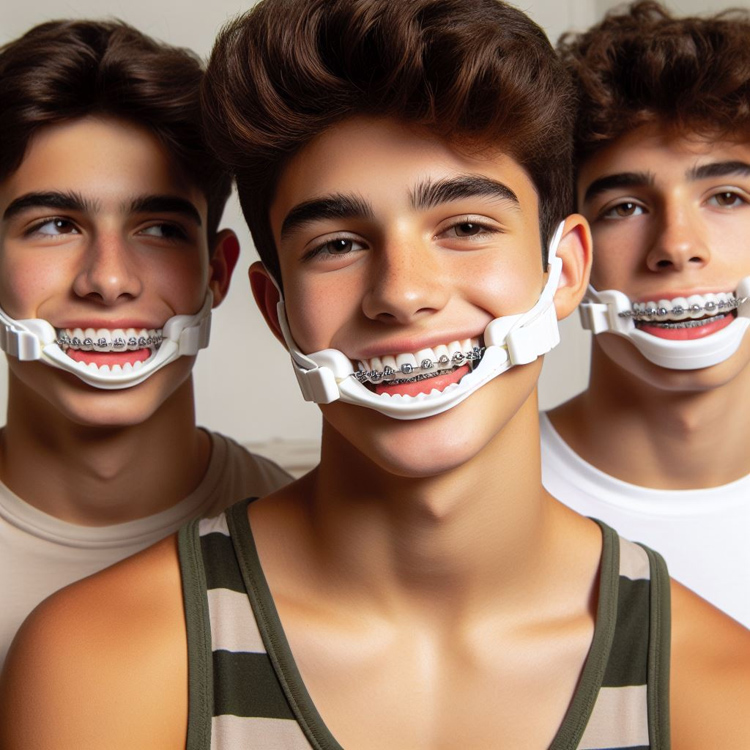
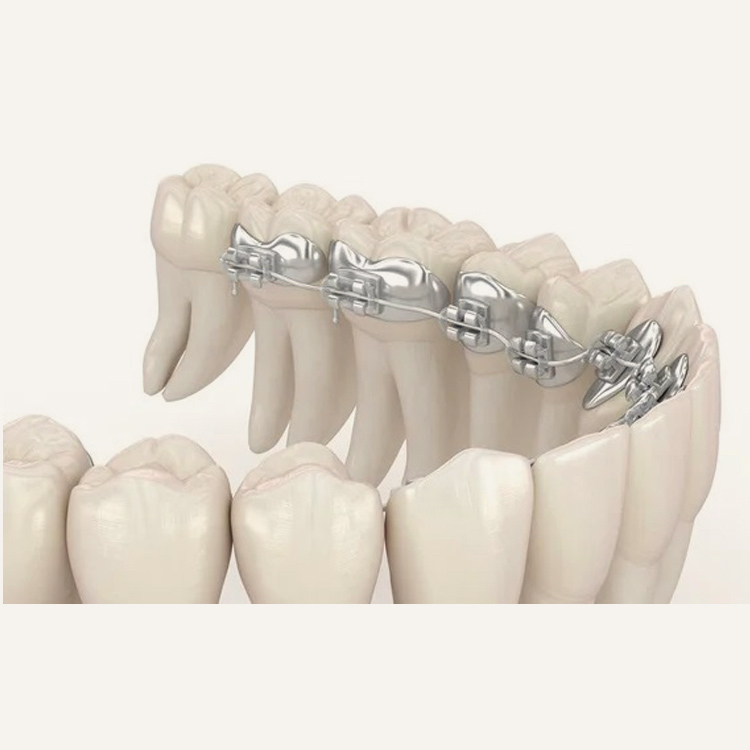
Conventional orthodontic treatment with traditional metal/fixed ceramic/self-ligating brackets: Stainless steel metal brackets are attached to each tooth and utilize archwires that apply constant gentle forces to safely guide the teeth back into their proper alignment.
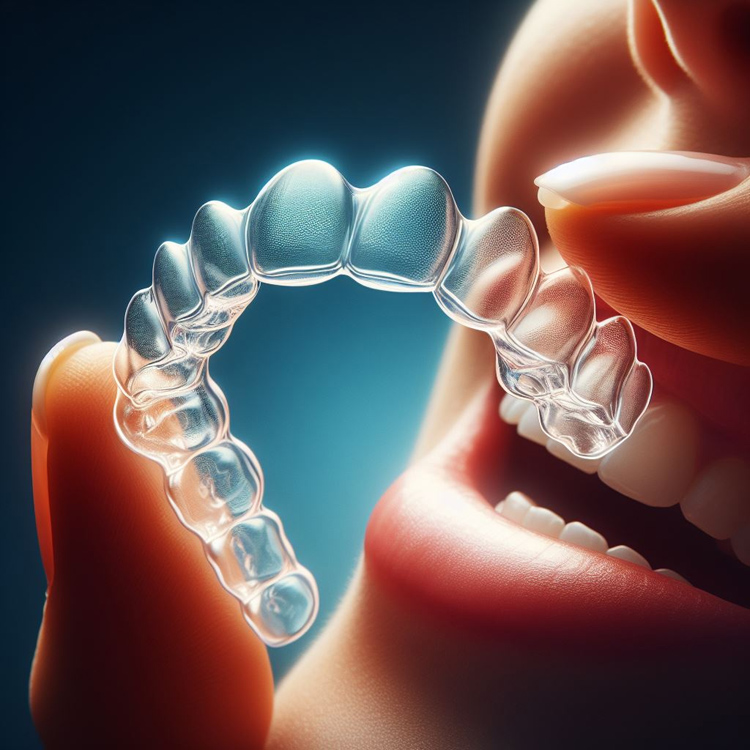
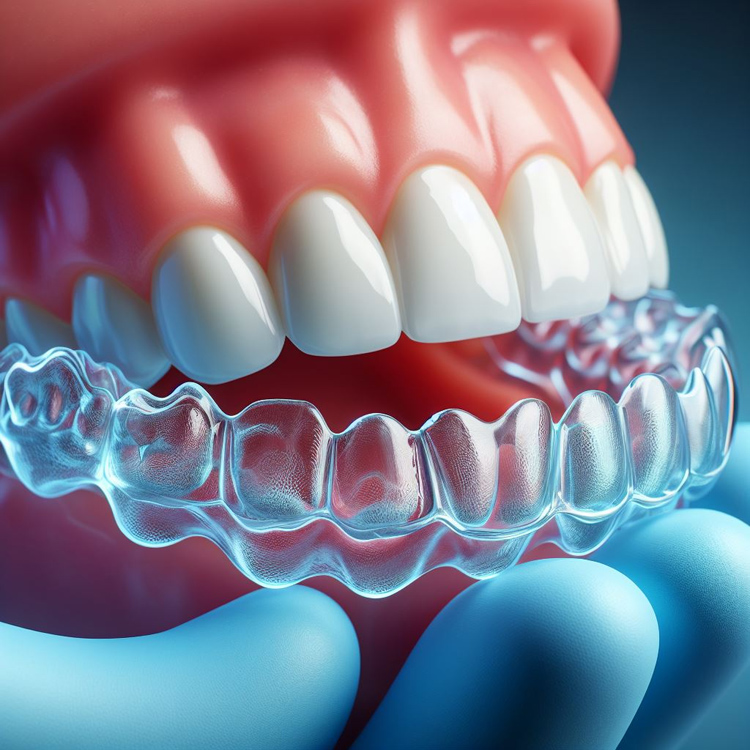
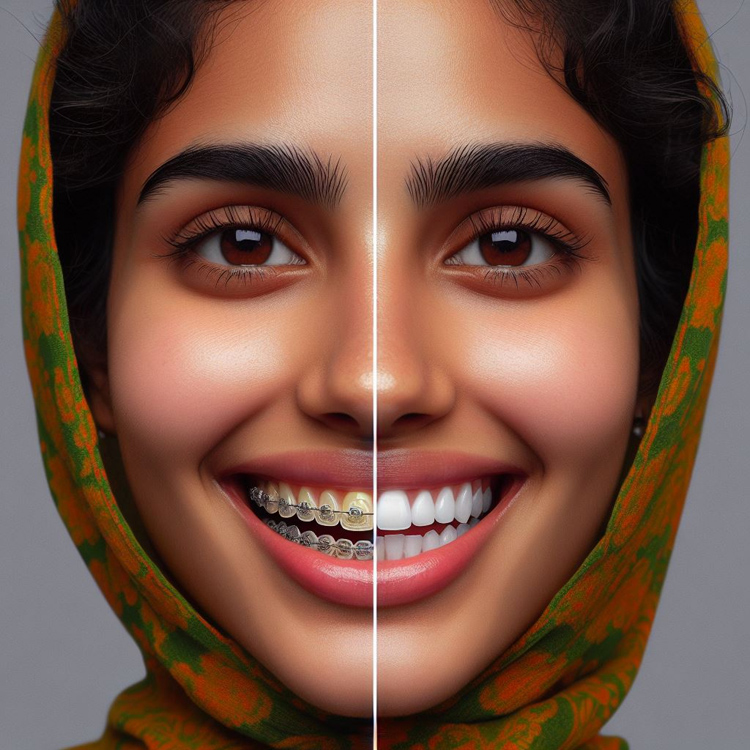
Clear aligner therapy: Succession of custom molded transparent plastic trays are used to advance each tooth into its new position. Clear aligners are preferred by many working individuals due to their inconspicuous nature and ease of removal.
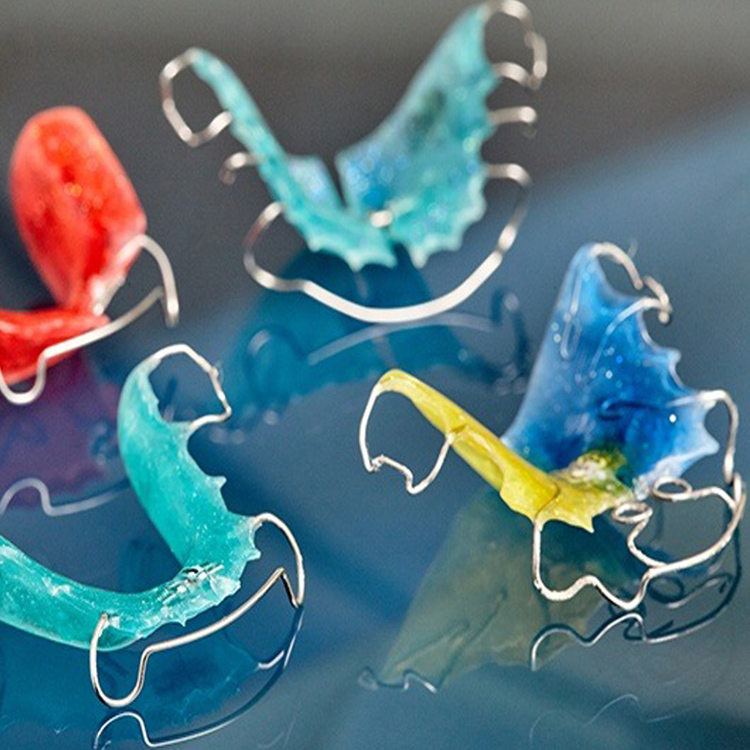
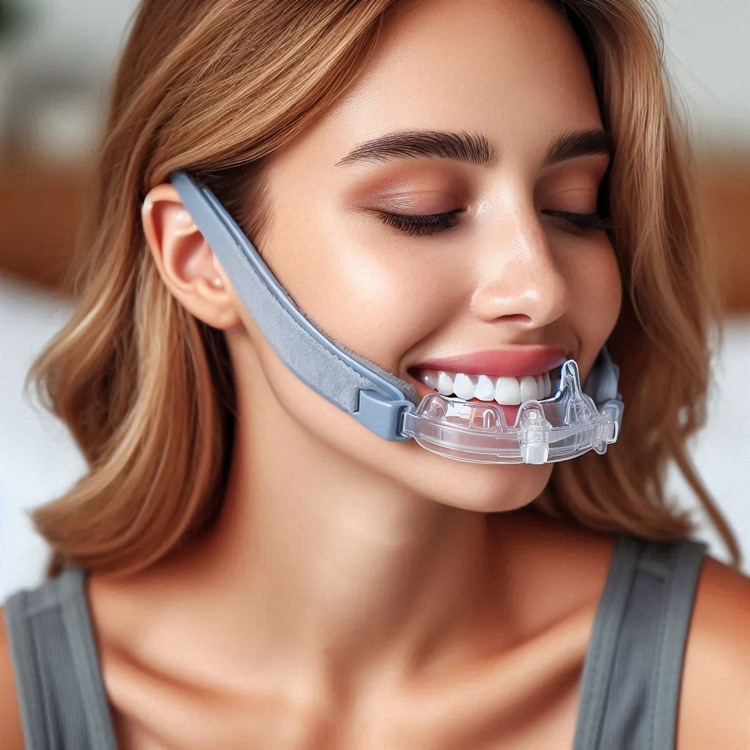
Functional growth modifying appliance usage: Young patients with active growing lower jaws (usually between 9-14 years old) will benefit from twin block appliances or functional expansion devices that direct their lower jaw(s) forward into proper occlusal relationship prior to completion of pubertal growth.
Orthognathic surgery: Adults with advanced skeletal overjets, whose bones are no longer capable of additional growth, will undergo extensive orthodontic treatment followed by corrective jaw surgery performed by an oral and maxillofacial surgeon.
Prices for orthodontic treatment in Kerala will depend on severity of case, geographical region and type of material selected:
Metal brackets: ₹ 25000-₹45000 - a low cost reliable treatment option available everywhere in Kerala.
Ceramic/self ligating brackets: ₹ 45000-₹90000 - selected for better esthetics or fewer follow-up appointments.
Aligner therapy (domestic/international brand): ₹ 60,000-₹3,50,000 - pricing varies greatly according to the number of trays needed for successful treatment and associated costs for each brand's laboratory fees.
Surgical jaw correction (combined orthodontic/surgical treatment): ₹ 2,50,000-₹6,00,000 - combination treatment involving surgical realignment of bone(s) plus extensive orthodontic treatment for extreme cases requiring coordination between tertiary hospitals in urban centers like Kochi, Trivandrum, Kozhikode etc.
Treating significant overjets involve targeted expertise:
Orthodontists: Plan and manage tooth movement, direct jaw growth, supervise aligner or braces treatment.
Oral & maxillofacial surgeons: Participate in surgical corrections for severe skeletal overjets, i.e., realign jaw bone(s).
Pedodontists/pediatric dentists: Identify premature development of destructive habits such as thumb sucking, provide prevention tools/appliances for young children.
The urgency associated with an overjet, while never a true medical emergency, is highly related to when you start treatment;
Treatment needed right away (less than 2-4 hours): If one of your front teeth has been fractured/avulsed (knocked out), because of traumatic injury, then treatment is required immediately.
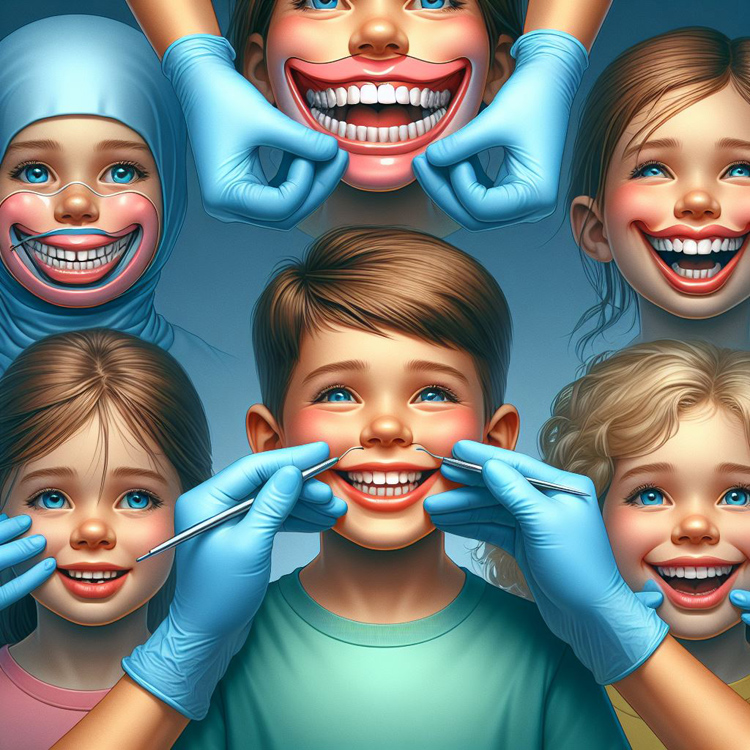
Prompt early childhood Interception treatment (age 7-11 years old): Recommended. Evaluation of children who are in the middle of active growth allows specialists to utilize less complicated, non-surgical growth modification appliances. Frequently, this means there is no need for complex jaw surgery as an adult.
Routine elective planning: There is no "bad" time for adults to get an appointment. Although, getting an evaluation done sooner rather than later, limits the amount of continued stress on the lower teeth.
Are clear aligners good enough to correct my overjet?
Generally yes. Mild to moderate overjets may be easily treated with clear aligners. Unfortunately, adult patients with significant skeletal overjet issues typically require both fixed braces and surgical jaw alignment.
Is an overjet and overbite the same thing?
No, there are two completely different issues. The horizontal issue is the upper front teeth protrude forward beyond the lower teeth (over jet). The vertical issue is how much do your upper front teeth go downward behind your lower front teeth (over bite).
Will fixing my overjet affect my facial features?
Yes. Once your teeth have been brought back into proper alignment and your bite has been improved, it should improve your facial profile. As your upper front teeth come into proper balance with your lower teeth, it will help to naturally support your lips. This could reduce the strain on your chin and improve the overall aesthetic of the bottom portion of your face.
Successfully treating an overjet requires identifying whether the issue stems from the position of the teeth or the structure of the jaw bones. While modern clear aligners and self-ligating braces provide excellent results for tooth alignment, early screening during childhood remains the most effective way to guide jaw growth naturally. Correcting a pronounced horizontal overlap does more than just enhance a smile—it protects the front teeth from trauma, relieves strain on the jaw joints, and restores balanced chewing function for long-term oral health.




.jpg)
.jpg)
.jpg)
.jpg)
.jpg)
.jpg)
.jpg)
.jpg)
.jpg)
.jpg)
.jpg)
.jpg)