Aching when you chew (masticatory pain) indicates that there is an injury to either your tooth or the muscles in the area around it. The mechanical stress from chewing with a damaged tooth will trigger nociceptors within the dental pulp or the periodontal ligament, the specialized fibrous connective tissue responsible for proprioception and bite-force feedback that attaches the root of the tooth to the jawbone. In addition, pain from chewing can be attributed to TMJ dysfunction, endodontic distress, or occlusal trauma.
Clinical Definition: Pain in response to pressure on a tooth resulting from mastication.
Red Flag Indicators: Swelling of the face, severe pain radiating to the temple or ear, inability to open the jaws (trismus), or pus draining (abscess).
Common Recovery Options: Endodontic therapy, occlusal splinting for TMJ disorder, placing a crown on a tooth, and scaling to treat gum disease.
Regional Context: Masticatory pain has been reported at high frequencies throughout the state of Kerala due to the large amounts of hard or crunchy foods being eaten, including crunchy banana chips, murukku, and unrefined jaggery candies.
Sharp Shooting Pains: There is a quick stabbing pain in your teeth while you are eating. This can be due to cracks in the outer layer of the teeth known as the enamel.
Aching Throbs: The teeth ache for hours after chewing. This indicates that there is inflammation of the nerves inside the tooth (the pulp).
Sensitivity To Temperature: If you drink hot coffee or ice-cold water with a chewing motion, you may feel extreme sensitivity to heat and/or cold temperatures.
Teeth Appear Taller: When you bite down on the tooth, it feels like the tooth is longer than all other teeth, which could indicate local periodontal ligament inflammation.
TMJ Clicking: During meals, you may hear a pop or click from the joint that connects the upper and lower jaws. While this occurs, you will also notice discomfort or soreness in the muscle tissue of the cheek.
Emergency dental care should be sought immediately if you notice:
Progressively increasing swelling extending into the cheek area, neck region, or the mandible (lower jaw).
Your nighttime sleep is being disrupted by spontaneous throbbing pain.
There appears to be a small open sore (fistula) located in the gum area of the tooth along with a bad taste.
You find difficulty swallowing (dysphagia) or are unable to open your mouth more than two fingers wide.
You are experiencing a high fever and noticeable facial tenderness.
Small cracks in the enamel and dentin which flex when you chew; this creates irritation to the nerves underneath.
Bacteria infect the area at the base of the tooth, triggering an immune response that causes a painful accumulation of hydrostatic fluid pressure and purulent exudate within the confined space of the alveolar bone.
Clenching your teeth while you are asleep at night; it will cause wear on the muscles around the jaws and also place stress on the periodontal attachment.
The cavity has gone all the way through both layers of protection for the tooth to reach a layer of sensitive dentinal tubes.
Erosion of the internal surface of the joint from either osteoarthritis or a splint that does not fit well and alters the correct bite.
Eating food frequently throughout the day which is very difficult to eat, including foods like fried tapioca chips.
As we get older, our protective layers of enamel wear down, starting at age 45 and beyond.
High levels of job-related stress, which can lead to clenching during the day with your jaws.
Old amalgams that were put in years ago that expanded over time and caused stress points in your tooth.
Stand in front of a good light source with an available mirror visually.
Use a clean cotton swab lightly pressed onto the occlusal surface of the painful tooth.
Lightly tap the lateral aspect of the tooth using your fingertip.
Examine the adjacent gum tissues for redness, local heat, or localized soft swelling.
Caution: Do not attempt to bite down on hard objects or flex the tooth manually, as this can cause an existing root fracture to expand.
A diagnostic process by a dentist to be specific is:
Bite Testing: Use of a specialized diagnostic instrument, such as a Tooth Slooth, to isolate individual cusps sequentially and identify which specific area is experiencing micro-fracture pain.
Intraoral Digital Radiology & CBCT Imaging: 2D and 3D high-resolution images of deep bone loss, concealed interproximal caries, or root fractures.
Pulp Vitality Test: Assessing whether the internal nerve tissue within the pulp chamber is healthy, has reversible inflammation, or is dead.
Periodontal Probing: Evaluating localized bone loss or vertical root fractures through probing the pocket depth surrounding the painful tooth.
|
Grade |
Clinical Presentation |
Pathological Status |
|
Grade 1: Reversible |
Mild sensitivity when biting down heavily |
All tooth structures remain intact with only slight muscle fatigue. |
|
Grade 2: Moderate |
Sharp, severe pain in the tooth upon releasing from a bite |
Hairline cracks in the enamel layer are evident or there is significant decay; reversible pulpitis. |
|
Grade 3: Severe |
Continuous throbbing pain |
Irreversible pulp necrosis; periapical abscess; TMJ lock that cannot be relieved. |
Root Canal Treatments: The removal of all infected pulp tissue, followed by the use of a combination of materials to seal three-dimensionally using gutta-percha.
High-Translucency Crowns (Zirconia, Lithium Disilicate): Full-coverage crowns utilizing advanced CAD/CAM technology, which are used as a protective covering for the cracked tooth, restoring its strength and integrity.
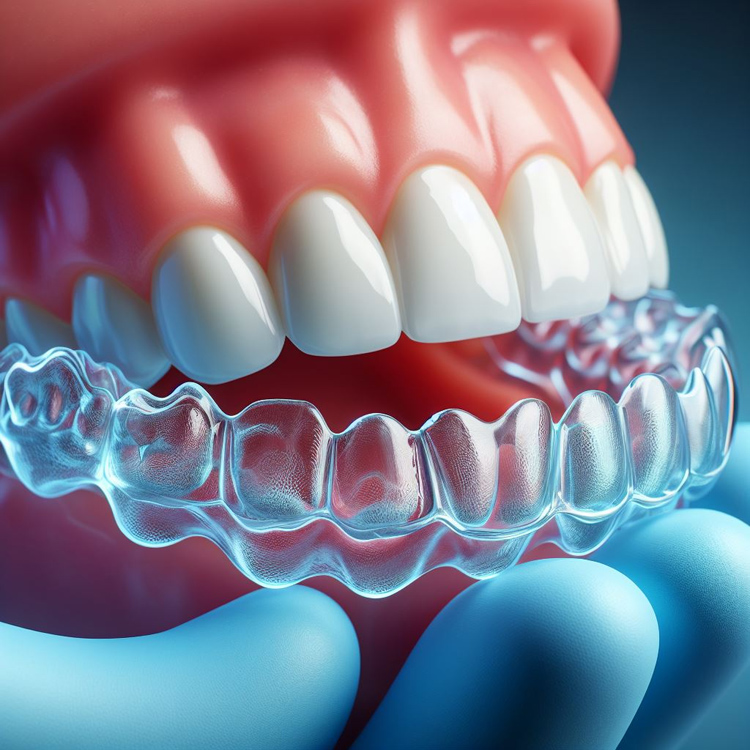
Customized Dental Guards (Occlusal Splint): Designed to wear at night, this type of dental guard redistributes the pressure placed on your jaw and allows your overworked masticatory muscles to relax and recover.
Periodontal Debridement: An ultrasonic debridement process where the pocket area is cleaned out, followed by root planing to remove subgingival calculus causing chronic inflammation in the periodontal ligaments.
Treatment expenses across clinics in Kerala vary based on material selection and clinical expertise:
|
Procedure |
Average Out-of-Pocket Range (INR) |
|
Comprehensive Clinical Exam & Digital X-Ray |
₹500 - ₹1,500 |
|
Root Canal Treatment (Molar) |
₹4,500 - ₹9,500 |
|
Monolithic Zirconia Crown |
₹6,000 - ₹16,000 |
|
Custom Night Splint / Guard |
₹2,500 - ₹6,000 |
Dentists (General Dentist): Suitable for a primary assessment of dental problems, perform routine dental care like fillings., and give simple provisional splints.
Endodontists: Specialists in root canals. They also use specialized equipment to identify cracks within the roots.
Prosthodontists: Specialists in reconstructing the upper and lower jaw in order to provide proper mastication. Their specialty is placing crowns on severely damaged or missing teeth. They make structural TMJ bite splints to help correct an improper bite.
Periodontists: Necessary when patients have severe pain while eating due to deep-pocketed gums, loose teeth, or damaged bones.
Emergency (Within 2-4 Hours): Facial swelling that requires immediate attention. Visible abscesses with discharge and/or pus. High fever and inability to control pain with OTC medications.
High Priority (Within 24-48 Hours): Sharp stabbing pain radiating through the tooth every time food comes into contact with it, preventing normal consumption of meals.
Elective (Within 7-14 Days): Milder intermittent soreness when biting/chewing harder foods without prolonged discomfort.
When I bite down, why does it only hurt on specific food items?
Typically, this will be due to either localized early-stage pulpitis (inflammation inside your tooth) or Cracked Tooth Syndrome. When you bite down on a piece of hard food, the cracks in the tooth flex open slightly, and the characteristic flash of sharp pain typically occurs upon the release of biting pressure as the crack springs back open, rapidly shifting fluid within the dentinal structure.
What are some simple home treatments for the temporary reduction of chewing discomfort?
Saltwater rinses may help to reduce gum swelling; add 1/2 tsp of salt to warm water and swish several times prior to spitting. Clove oil has analgesic effects due to eugenol, an active ingredient found in clove oil; apply a small amount of clove oil with a Q-Tip to the area being treated for pain. As well as avoid eating harder foods including murukku, fried banana chips, or tough meat until evaluated.
How much would it cost for a root canal & crown for chewing pain in Kerala?
The price for a comprehensive root canal treatment with a porcelain-fused-to-metal crown (or monolithic zirconia crown) varies greatly based on where the procedure takes place within Kerala; however, most clinics charge anywhere from Rs. 10,000 to Rs. 22,000 total for each tooth, depending on what dental equipment they have available and their level of dental expertise.
Chewing-related pain is not simply a matter of sensitive teeth. A failure to quickly diagnose a problem related to chewing pain can lead to an easily treatable enamel crack becoming a more serious vertical root fracture, which may ultimately require the removal of the tooth. Conservative endodontic treatments and modern high-strength zirconia restorative systems allow for the preservation of natural tooth structures in greater than 90 percent of patients who receive early diagnosis of their problems. Avoiding eating hard food items found locally and seeking special diagnostic imaging services at the first sign of localized biting area tenderness are essential recommendations for all patients experiencing these types of issues.







.jpg)
.jpg)
.jpg)
.jpg)
.jpg)
.jpg)
.jpg)
.jpg)
.jpg)
.jpg)
.jpg)
.jpg)