Masticatory odontalgia (pain when chewing) is a condition that produces pain signals when mechanical pressure stimulates the pulp chamber—the innermost neural core of a tooth. The forces of biting create stress throughout the hard outer layer of a tooth called the enamel matrix, and then further into the dentin tube system, which fluidly transmits sensory signals to the nerve inside the pulp chamber, while the periodontal ligament holds the tooth to the bone of the jaw. Pain upon occluding is indicative of the failure of structural integrity within the tooth itself, possibly due to small fractures, localized root inflammation or deep compression of the periodontal ligament in relation to other pathologies associated with dental problems.
Clinical Definition: Occlusal pain resulting from mechanical stimulation of compromised structures or surrounding tissues of teeth.
Red Flag Symptoms: Swelling of facial area, persistent throbbing, raised body temperature, or purulent discharge at gum margin.
Common Sources of Pain: Deep cracks, severe decay, cracked-tooth syndrome, periapical abscesses, advanced periodontitis.
General Treatment Options: Bonding using composite resins, ceramics used for crowning a tooth, endodontic therapy (root canals), or local periodontal treatment.
Sudden Intense Sharp Pain: Occurs immediately when you bite down on something hard or release pressure while eating hard food.
Continuous or Lingering Sensitivity: Sensitivity to hot or cold liquids; or chronic dull ache after consuming liquids.
Localized Tenderness: Occurs in the area of the gum line adjacent to your teeth (the gingival margins); or local swelling.
Visible Crack Lines: Lines visible through the enamel of your teeth (hairline fracture) or visible internal discoloration of the enamel.
Displacement of Your Tooth: Evidenced by it feeling loose or shifted when you apply lateral tongue pressure.
Acute Throbbing Pain: Seek immediate attention if you have an acute throbbing type of pain in the jaw/face (masticatory area) at all times regardless of whether you are eating or not.
Spreading Soft Tissue Swelling: If you see swelling of the soft tissues surrounding your teeth extending towards your cheeks, the bottom of your mouth, or your neck, this may be indicative of a spreading bacterial infection (periapical abscess) in your jaw bone and requires immediate treatment.
Mechanical Stress: Teeth cracking due to eating un-popped tapioca pearls, jackfruit seeds, or karimbu (sugarcane) which are too hard for the tooth enamel.
Deep Decay: Deep caries from bacteria that penetrate the outer layer of the tooth and soften the inner layer of dentin.
Cracked Tooth Syndrome: Tiny cracks within the enamel that extend into the dentin matrix of the tooth, which flex and open up during chewing motions.
Periapical Periodontitis: Bacteria penetrate through the root of the tooth into the surrounding tissues, causing localized inflammation and pressure around the root apex.
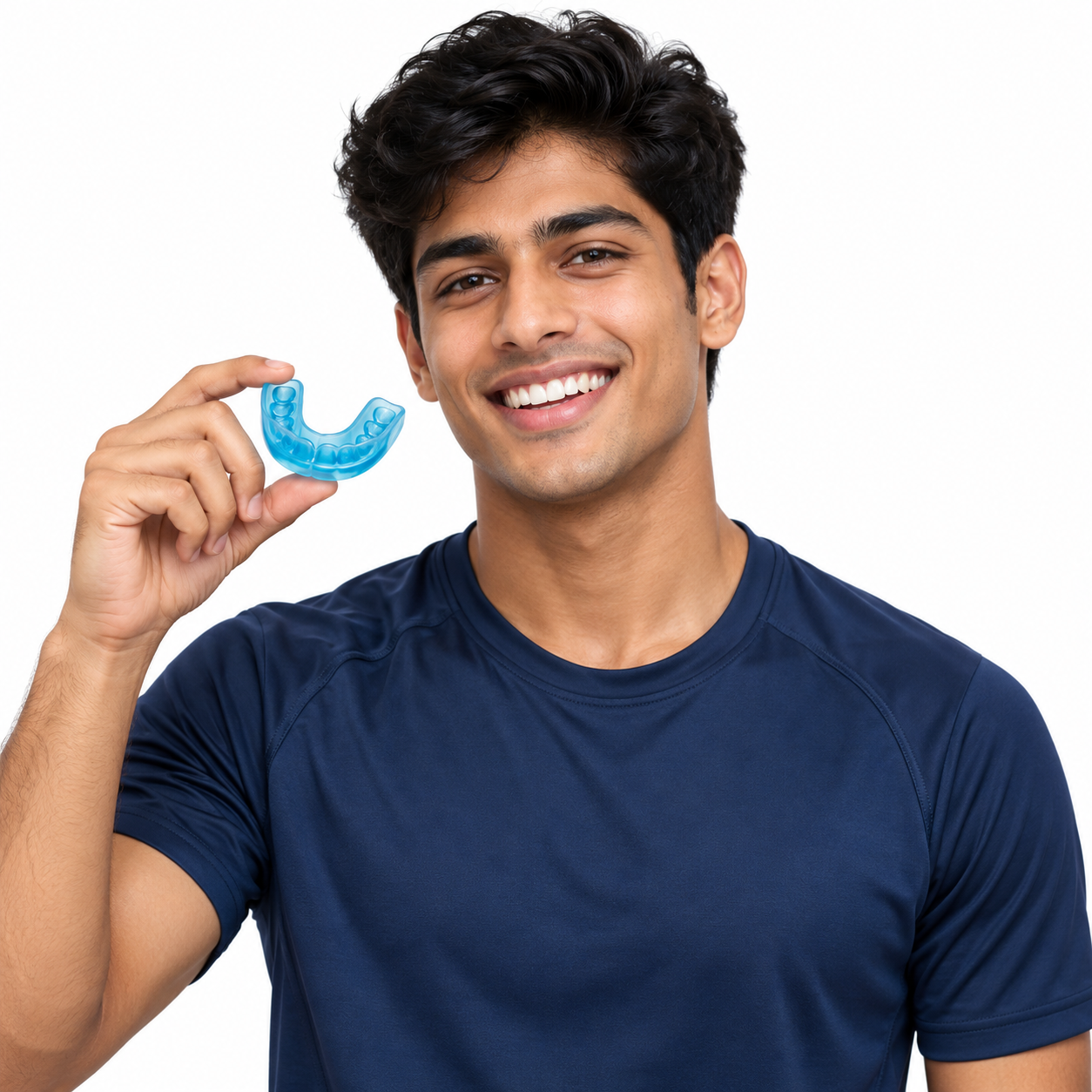
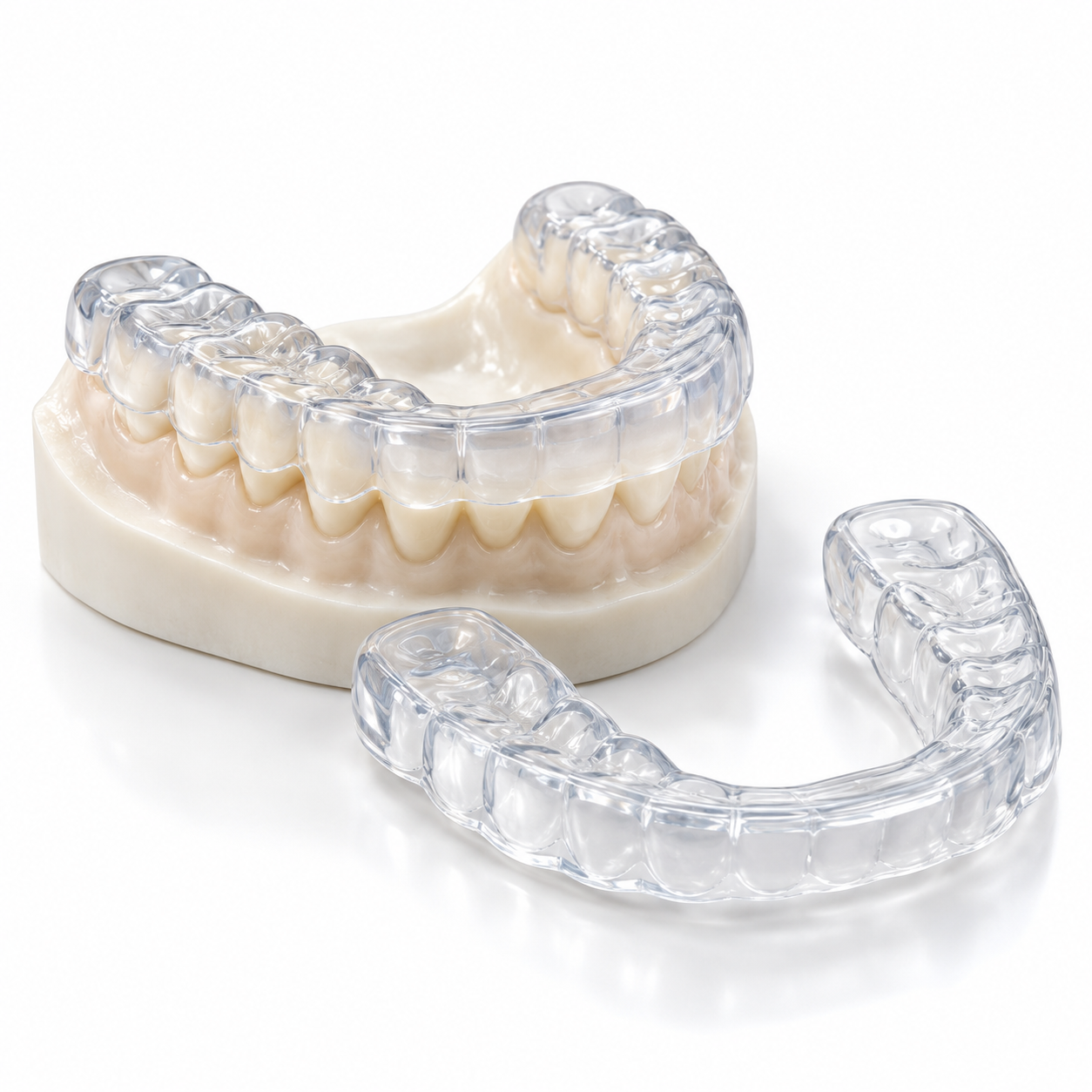
Bruxism: Grinding and clenching your teeth while you sleep can wear away the layers of the tooth's enamel and stretch out the ligaments surrounding it.
Diet: Eating foods daily that are brittle (such as banana chips), fibrous (such as dry tapioca or murukku), or large (like large fruits).
Previous Large Fillings: Amalgam or composite restorative materials used to repair previous dental problems may be too big and damage the remaining wall of enamel over time.
Systemic Medical Conditions: Uncontrolled type 2 diabetes or poor calcium absorption leading to reduced alveolar bone density.
Aging Enamel Loss: As we age, our enamel naturally thins, leaving teeth vulnerable to crack fractures when subjected to regular biting forces.
To help you check your tooth yourself, go stand in front of a bright light and use a clear mirror to look at the tooth that hurts:
Visual Inspection: Look for black lines running along the tooth surface; chipped edges where there was once smooth enamel; inflammation in the gum around the roots of the teeth.
The Cotton Swab Test: Place a piece of clean cotton against each tooth in your mouth, then bite down lightly. The tooth with the most painful response when you let go of the pressure will likely be the one with a crack.
Avoid Metal Manipulation: Do not try to manipulate your tooth by poking it with anything metallic or trying to pry open a gap between two teeth. This could cause the crack to spread further than just the small area we are concerned about.


.jpg)
.jpg)
.jpg)
.jpg)
.jpg)
.jpg)
.jpg)
.jpg)
.jpg)
.jpg)
.jpg)
.jpg)
This site is part of the DEC Dental Network — a Dental Equity & Connectivity ecosystem of clinical, educational, and patient-support brands operated by Team Dental Pvt. Ltd. Our network works as one — guiding you from your first search to your final smile.
© 2026 Team Dental Pvt. Ltd. · Founded 2013, Angamaly, Kochi, Kerala
About DEC Dental