
The medical term for long-lasting bad breath is chronic halitosis. It is characterized by a persistent and unpleasant odor originating from the oral cavity or adjacent upper respiratory pathways that does not resolve after routine toothbrushing. In periodontology, it is categorized as primary intra-oral halitosis when the source stems from the bacterial breakdown of substrates within the mouth; conversely, extra-oral halitosis refers to conditions arising from systemic diseases or metabolic processes elsewhere in the body. When toothbrushing fails to eliminate breath malodor, the underlying etiology typically transitions from simple residual food debris to the accumulation of Volatile Sulfur Compounds (VSCs) produced by anaerobic bacteria residing in subgingival pockets, on the posterior dorsal surface of the tongue, or within carious lesions.
Clinical Definition: Clinical definition of long-lasting malodor originating from anaerobic bacteria breaking down proteins into Volatile Sulfur Compounds (VSCs).
Urgent Indicators: Persistent odor despite brushing, bleeding gums, continuous altered taste, pain during chewing, or non-healing mucosal lesions.
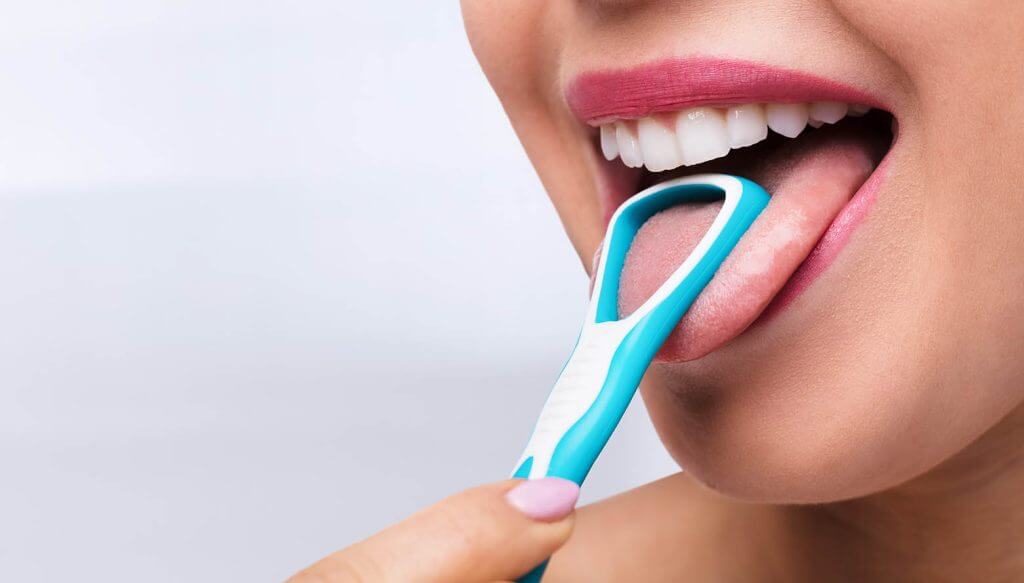
Primary Treatment Options: Professional scaling and root planing, structured tongue-scraping protocols, restoration of underlying dental caries, and targeted management of associated systemic conditions.
Many individuals with chronic bad breath report key intraoral changes:
Altered Taste: Persistent sour, metallic, or sulfurous tastes, especially after brushing.
Tongue Coating: A thick white or yellowish biofilm covering the posterior dorsal surface of the tongue.
Xerostomia (Dry Mouth): Decreased salivary flow accompanied by sticky, viscous saliva while awake.
Gingival Bleeding: Bleeding from the gums following routine toothbrushing or flossing.
Persistent Breath Odor: Malodor detectable through masks or noticed by others despite frequent use of breath mints, gums, or commercial mouthwashes.
While halitosis rarely represents an immediate life-threatening condition, certain "red flag" symptoms necessitate urgent clinical evaluation:
Uremic / Ammoniacal Odor: Breath smelling of urine or ammonia may indicate renal impairment or severe systemic metabolic distress.
Fruity / Acetone Breath: A sweet or fruity odor can be a sign of uncontrolled hyperglycemia or diabetic ketoacidosis (DKA).
Dysphagia & Neck Masses: Difficulty swallowing, persistent sore throat, or a newly identifiable mass in the neck requires prompt medical investigation.
Acute Necrotizing Ulcerative Gingivitis (ANUG): Severe gum bleeding accompanied by tissue necrosis, rapid onset, intense pain, and high fever indicates acute ulcerative periodontal infection.
Subgingival Biofilms: Standard toothbrushing only cleans the smooth surfaces of the teeth. Anaerobic bacteria thrive below the gumline, metabolizing proteins to produce Volatile Sulfur Compounds (VSCs).
Posterior Tongue Dorsum Anatomy: Deep anatomical crevices at the back of the tongue trap cellular debris and bacteria, forming a dense biofilm that normal toothbrush bristles cannot effectively remove.
Dietary Factors & Micro-Trapping: Regional diets rich in garlic, shallots, onions, and heavy spices contain volatile organosulfur compounds that pass into the bloodstream and are exhaled via the lungs. Additionally, residual dietary proteins remain trapped in mucosal micro-retentive areas where anaerobic bacteria digest them into volatile sulfur compounds.
Untreated Micro-Fractures & Caries: Structural micro-cracks and carious lesions in the enamel create protected niches where bacteria decompose organic material undisturbed by regular brushing.
Xerostomia (Dry Mouth): Saliva continuously washes away food particles and volatile bacterial byproducts. Reduced salivary flow permits rapid microbial multiplication and VSC accumulation.
Tobacco & Betel Nut Usage: Smoking, tobacco use, and betel nut (paan) chewing reduce salivary secretion, alter the oral microbiome, and stain oral tissues.
Chronic Systemic Diseases: Underlying medical conditions including diabetes mellitus, gastroesophageal reflux disease (GERD), hepatic failure, and chronic sinusitis.
Dehydrating Diet & Poor Hydration: Frequent intake of dehydrating beverages (e.g., black tea, coffee) and fried foods combined with inadequate daily fluid intake.
Poorly Fitted Dental Restorations: Worn crowns, defective or broken fillings, and overhanging margins that act as permanent food and plaque traps.
Age-Related Salivary Decline: Reduced baseline salivary flow in older adults, often compounded by long-term polypharmacy.
Using a simple, safe, at-home testing method may be useful in identifying the possible source of oral odors:
The Wrist Test: Gently scrape the posterior (back) surface of your tongue with a clean cotton swab or spoon, wipe it onto your inner wrist, allow it to dry for 10 seconds, and smell the area to evaluate posterior dorsal biofilm odor.
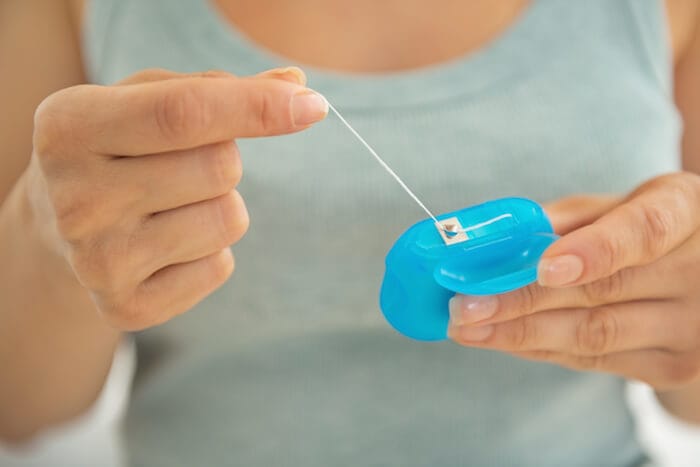
The Floss Test: Take a small piece of dental floss or dental tape and gently pass it between your back molar teeth. Carefully remove the floss and smell it immediately to check for foul odors or debris, which indicates interproximal biofilm accumulation.
Mirror Inspection: Use a high-intensity light source to look into the rear portion of your mouth. Inspect the back of your tongue for a thick layer of debris. Additionally, use the mirror to assess your gums for redness or recession, as these signs can indicate conditions such as gingivitis.
Note: Never insert anything sharp or rigid into your mouth or down your throat, as this can result in tissue damage.
The clinical assessment of a patient with chronic halitosis includes several structured diagnostic evaluations:
Halimeter & Gas Chromatography: While a standard Halimeter measures total VSC concentration, Gas Chromatography (e.g., OralChroma) precisely differentiates and quantifies individual gases—hydrogen sulfide (oral/tongue origin), methyl mercaptan (periodontal origin), and dimethyl sulfide (extra-oral/systemic origin).
BANA Diagnostic Assay: The BANA (N-benzoyl-DL-arginine-2-naphthylamide) enzymatic test evaluates the presence and activity of trypsin-like enzymes produced by key anaerobic bacteria (P. gingivalis, T. forsythia, T. denticola) responsible for VSC generation.
Periodontal Probing: Used to measure the depth of subgingival pockets at each tooth site, identifying hidden areas of active periodontal infection.
Digital Intraoral Radiography (X-Rays): Intraoral X-rays are taken to identify interproximal dental decay, marginal defects on existing restorations, or alveolar bone loss.
Salivary Flow Rate Analysis: Evaluates both resting and stimulated salivary flow rates to detect salivary gland hypofunction or underlying xerostomia.
Mild (Grade 1): Malodor is primarily transient and related to morning mouth dryness or a lightly coated tongue; easily reduced by standard tongue cleaning methods.
Moderate (Grade 2): Obvious odor associated with mild gingival inflammation and/or localized decay in shallow pocket sites (3–4 mm); requires professional dental prophylaxis for effective treatment.
Severe (Grade 3): Persistent, very strong malodor commonly found in patients with advanced periodontal disease (>5 mm pockets), extensive dental caries, or underlying systemic disorders; requires specialist referral and targeted medical/dental intervention.
Deep Cleaning (Scaling & Root Planing): Removes plaque matrix, calculus, and subgingival bioburden while smoothing the root surfaces beneath the gumline.
Specialized Tongue Debridement Protocols: Structured removal of dorsal tongue debris combined with topical application of targeted antibacterial agents, such as chlorhexidine (0.12%–0.2%) or zinc chloride formulations.
Restorative Dentistry: Removal of carious dentin and replacement of defective, overhanging restorations with modern resin-based composites or ceramic crowns to eliminate food-trap niches.
Targeted Oral Probiotics: Administration of specific oral probiotic strains (e.g., Streptococcus salivarius K12/M18) to re-establish balanced beneficial microflora within the oral cavity.
The cost of diagnosis and treatment in Kerala depends upon the type of clinical facility and the severity of the condition:
|
Service / Procedure |
Approximate Cost (INR ₹) |
|
Halitosis Assessment / Comprehensive Consultation |
₹500 – ₹1,500 |
|
Full-Mouth Ultrasonic Scaling & Polishing |
₹1,000 – ₹2,500 |
|
Deep Periodontal Root Planing (per Quadrant) |
₹1,500 – ₹3,000 |
|
Diagnostic Digital Radiography (X-Rays) |
₹300 – ₹1,000 |
|
Specialized Tongue Scrapers & Antibacterial Rinses |
₹300 – ₹800 |
Coverage Note: Standard hygiene and dental cleaning procedures are typically out-of-pocket expenses. However, public schemes or state healthcare packages may cover medically necessary complex periodontal surgeries when performed in empaneled public hospitals.
General Dentist: The initial point of contact for routine evaluation, basic organoleptic assessment, cavity detection, and standard professional scalings.
Periodontist: The specialist to consult when malodor stems from deep periodontal pockets, persistent gingival bleeding, or alveolar bone loss.
Endodontist: Required when symptoms originate from deep internal tooth decay, acute periapical/root abscesses, or failing root canal treatments.
ENT Specialist / Gastroenterologist: Appropriate referral options when extraoral malodor is suspected, such as from chronic rhinosinusitis, tonsilloliths (tonsil stones), or severe gastroesophageal reflux disease (GERD).
Emergency / Urgent Triage (Within 24 Hours): Required for acute facial or localized swelling, intense dental pain, fever exceeding 100.5°F (38°C), or necrotic gingival tissue.
Prompt Appointments (Within 7 Days): Indicated for spontaneous gum bleeding, persistent bad taste lasting more than 24 hours, or a thick visible tongue coating unresponsive to basic hygiene.
Elective / Routine Maintenance (Within 2 to 4 Weeks): Recommended for mild morning breath or transient diet-induced malodor that resolves easily with home care adjustments.
Why is there always bad breath despite brushing and using mouthwash two times each day?
Toothbrushing only cleans visible tooth surfaces, leaving up to 40% of the oral cavity uncleaned. Alcohol- or menthol-based mouthwashes merely mask bad breath temporarily without eliminating odor-causing bacteria from their primary reservoirs, such as posterior tongue biofilms, deep periodontal pockets, and interproximal carious lesions.
Are certain local foods consumed in Kerala, such as garlic, onions, or heavy spices, a source of chronic bad breath?
Spices produce volatile oils that are absorbed into the bloodstream and exhaled via the lungs, contributing to transient (temporary) breath malodor, but they do not cause persistent chronic halitosis. However, if food debris becomes trapped in micro-retentive spaces—such as deep pockets or cavities—anaerobic bacteria will break down these proteins and release foul-smelling Volatile Sulfur Compounds (VSCs).
What is the average price of deep gum cleaning in private clinics in Kerala?
The cost for deep scaling and root planing in private dental clinics across Kerala varies based on whether traditional hand instruments or advanced laser-assisted periodontics are used. On average, standard deep scaling and root planing in private dental clinics across Kerala costs approximately ₹1,500–₹3,000 per individual quadrant (with four quadrants total for full-mouth debridement), while advanced laser-assisted procedures incur higher fees.
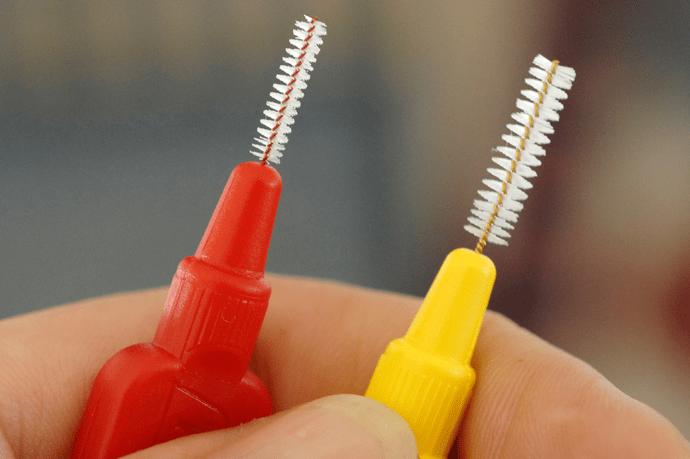
Almost all cases of persistent intra-oral halitosis resistant to standard toothbrushing stem from localized anaerobic bacterial activity in either subgingival pockets or the posterior dorsal surface of the tongue. Many patients attempt self-treatment using alcohol-rich mouthwashes to mask or eliminate bacteria; however, this often exacerbates the condition by desiccating the oral mucous membranes, which accelerates the production of volatile sulfur compounds. Therefore, definitive long-term resolution relies on precision debridement of anaerobic biofilms within subgingival pockets and on the tongue dorsum, full elimination of structural food traps, and strict compliance with interdental hygiene practices.








.jpg)
.jpg)
.jpg)
.jpg)
.jpg)
.jpg)
.jpg)
.jpg)
.jpg)
.jpg)
.jpg)
.jpg)