Excessive anterior projection of the upper teeth is an easily recognizable clinical condition known as "maxillary dental protrusion" or "Class II malocclusion". The upper incisors are displaced too far forward in relation to the lower arch. Maxillary dental protrusion creates a significant increase in the horizontal space between the upper and lower incisors (an increased "overjet") which typically exceeds the normal horizontal space between them of 2–3 mm. Not only do flared upper incisors affect aesthetics but they also create problems with maintaining a tight labial seal, thereby drying out sensitive oral mucosa that surround the teeth and increasing tooth enamel erosion. If left untreated, excessive overjet can be unstable and create a number of potential long term complications including dental trauma and Temporomandibular Joint (TMJ) disorders.
Clinical Definition: Clinical definition of maxillary dental protrusion is the anterior displacement of the upper incisors resulting in increased horizontal overjet.
Emergency Signs/Symptoms: Unnatural inability to close lips, trauma to upper incisors, impinged localized palatal tissue, speech lisp.
Treatment/Correction: Orthodontics using clear aligners, ceramic or metal braces; use of skeletal anchorage devices; orthognathic surgery; restorative/cosmetic veneer for some cosmetic conditions.
Demographics: Genetic mismatch of jaw sizes, childhood habits longer than 12 months, and aging related loss of alveolar bone.
Incompetent Lip Seal: There is an incompetent lip seal when a person cannot naturally place their resting lips over their maxillary anterior teeth using muscles alone.
Enamel Drying: The constant drying of the matrix (enamel) from exposure to air will create chalky white spots on the surface of the enamel as well as dull areas where the enamel has dried out.
Speech Alteration: The alteration in airflow past the teeth can cause problems with speech (i.e., difficulty in forming words that require a 's' or 'z' sound).
Palatal Impingement: Lower front teeth can strike the soft palatal tissues that are located posteriorly to the upper incisors and cause localized ulcers.
Masticatory Trauma: Lower lip mucosa may be accidentally chewed by the individual while they are eating.
Prompt clinical evaluation should be sought for individuals whose protrusive teeth have created additional structural injuries or acute discomfort:
Acute discomfort or sharp pain about the temporomandibular joint associated with chewing or yawning.
A rapid expansion of tooth "fan-out," after gum bleeding or mobility.
Microfractures or traumatic injury to protruded incisors during normal activity.
Chronic mouth breathing which causes chronic sore throats and severe morning xerostomia.
Skeletal Issues: A small lower jaw (micrognathia) or a large, protruding upper jaw.
Crowded Teeth: Tight spaces in the front of the mouth causing incisors to be pushed out by other teeth.
Childhood Sucking Patterns: Prolonged sucking habits (sucking on thumbs/pacifiers) after the age of 4, or prolonged tongue thrust swallowing which applies forward force to the front teeth.
Periodontal Disease: Severe gum disease that is breaking down the supporting structures for your upper teeth ("pathological tooth migration").
Bad Biting Habits: Regular eating of crunchy/fried foods such as banana chips, jackfruit chips, etc. will create excessive lateral force on your incisors and cause them to flare.
Obstructive Airways: Nasal obstruction/tonsil enlargement, causing you to breathe through your mouth, thus changing the position of your tongue.
Untreated Gum Disease: Long standing gum inflammation can weaken the fibers that hold your upper incisors to your jawbone.
Missing Lower Molars: The loss of molar(s) on one side of your jaw can shift the chewing forces upward and create space for your upper arch to flare.
The first step is to visually evaluate yourself safely in a bright lighted area using a mirror:
Profile Assessment: When viewing yourself from the side, totally relax your mouth and determine if you have an excessive amount of space in the area from the top of your upper teeth to your bottom lip.
Clearance of Your Lip: Relax all the muscles in your face. Observe how much effort it takes to close your lips. Is there evident dimpling under your chin? Are you straining your mental muscles to close your lips?
Measurement of Overjet: Using a new clean ruler lay it flat across the front surface of your bottom incisors. Determine the horizontal distance to your upper teeth.
Inspection of Tissues: Look at your lower lip and examine your palatal gum tissue for red marks or dents that are caused by your upper teeth touching them.
Important Information Regarding Treatment: Never attempt to manually move forward protruding teeth back into place with force. This action may result in permanent root resorption or damage to the nerves inside your teeth.
Visual Examination: Visual clinical evaluation of the face from both inside and outside: facial profile examination, tongue posture, periodontal health and competency of lips.
X-Rays: Panoramic x-rays to evaluate integrity of roots, tooth proximity, bone support for alveoli.
Cephalometric X-Rays: Specialized lateral skull x-rays that document skeletal landmarks on the head to distinguish between dental (tooth-borne) and skeletal (bone-borne) protrusions.
Intraoral Digital Scans: High resolution scans of your teeth, arch width, dimensional distance of overjet and occlusal contacts.
Vitality Tests on Pulp: Thermal or electrical vitality tests to confirm nerve functionality in traumatized or severely drifted incisors.
|
Severity Level |
Clinical Features |
Structural & Functional Impact |
|
Mild (1–4 mm overjet) |
A slight degree of a forward tilt; upper and lower front teeth fit together very well when the lips are closed. |
Minor cosmetic issues; normal lip seal and minimal structural vulnerability. |
|
Moderate (5–8 mm overjet) |
A noticeable amount of the upper front teeth to be visible in an open smile; strain on the lips while closing. |
Potential for dental trauma from contact with other teeth in either a sport-related injury or a fall onto the face. |
|
Significant (>8 mm overjet) |
Complete inability of the lower lip to cover the upper front teeth completely; lower front teeth biting directly against soft tissue inside the mouth. |
Severe risks of facial trauma from accidents such as a fall, and alteration of speech articulation. |
There are modern ways to correct these problems that involve both orthodontic and restorative procedures:
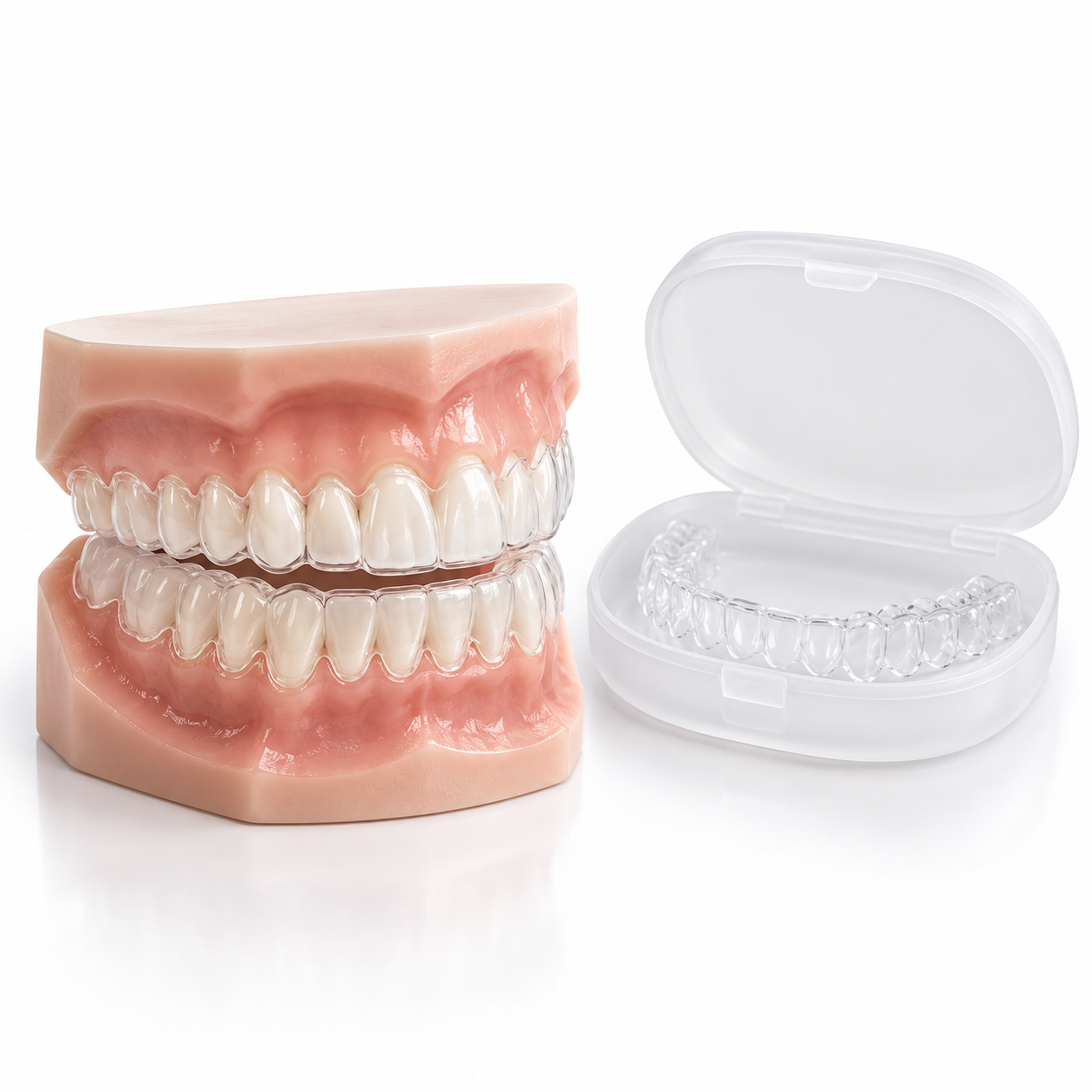
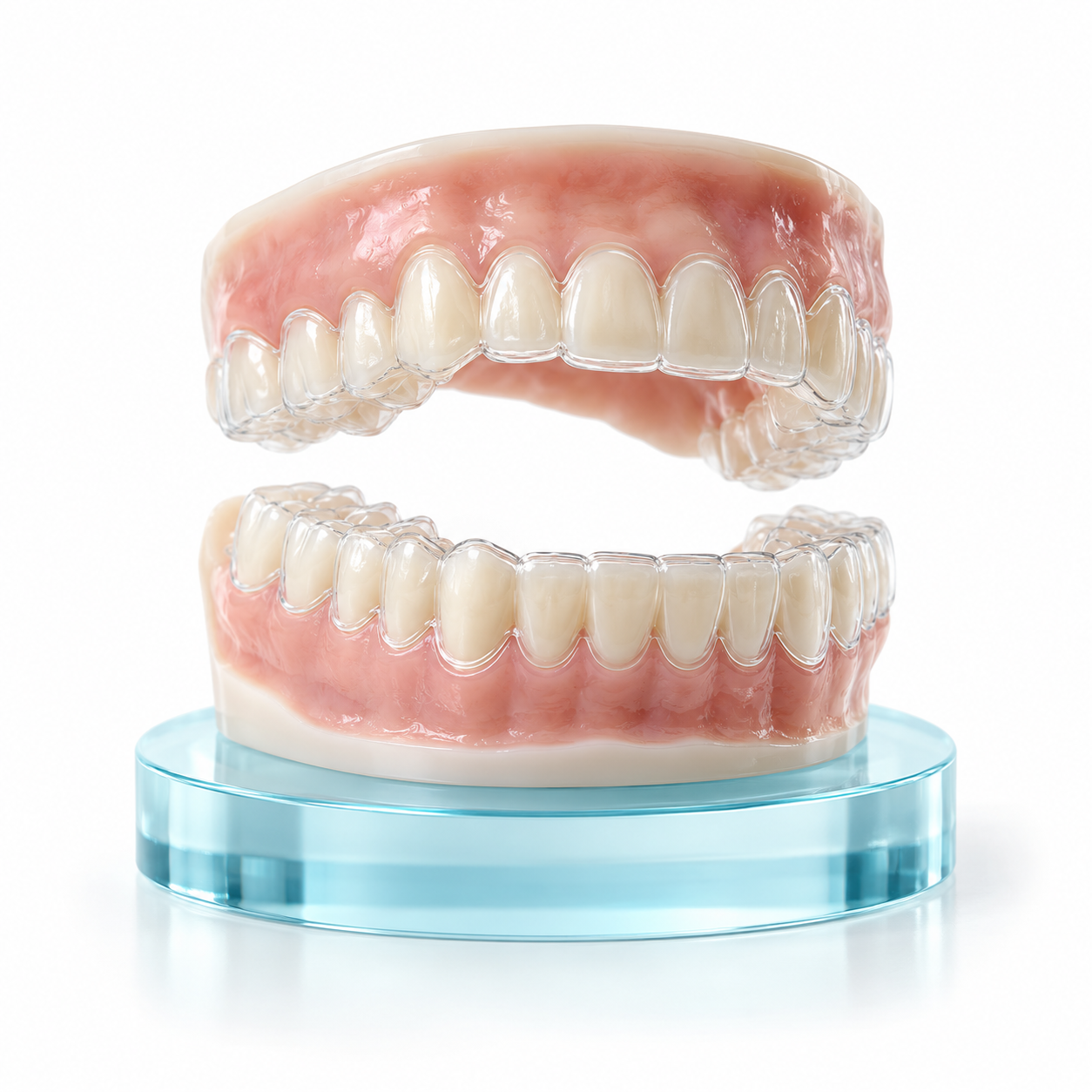
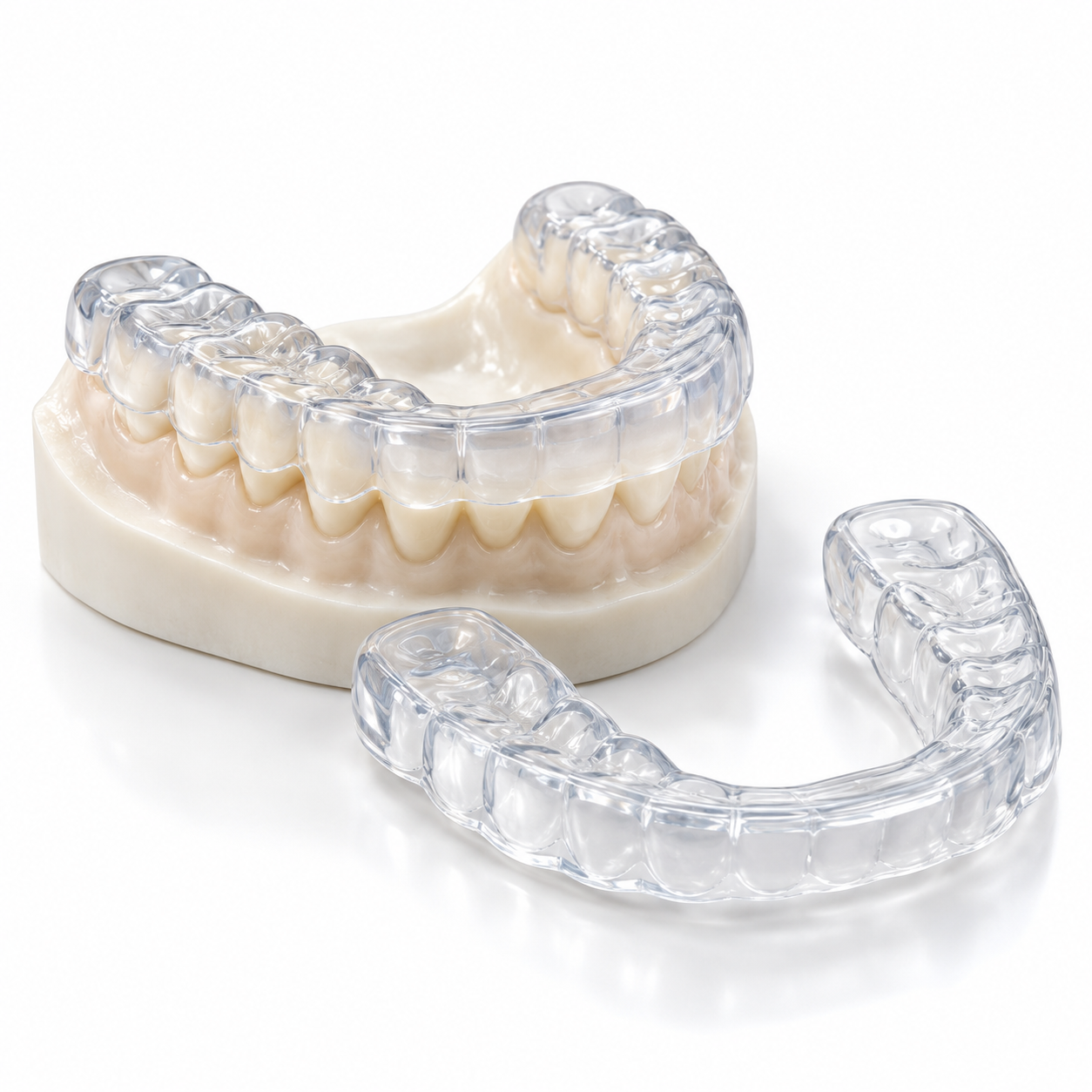
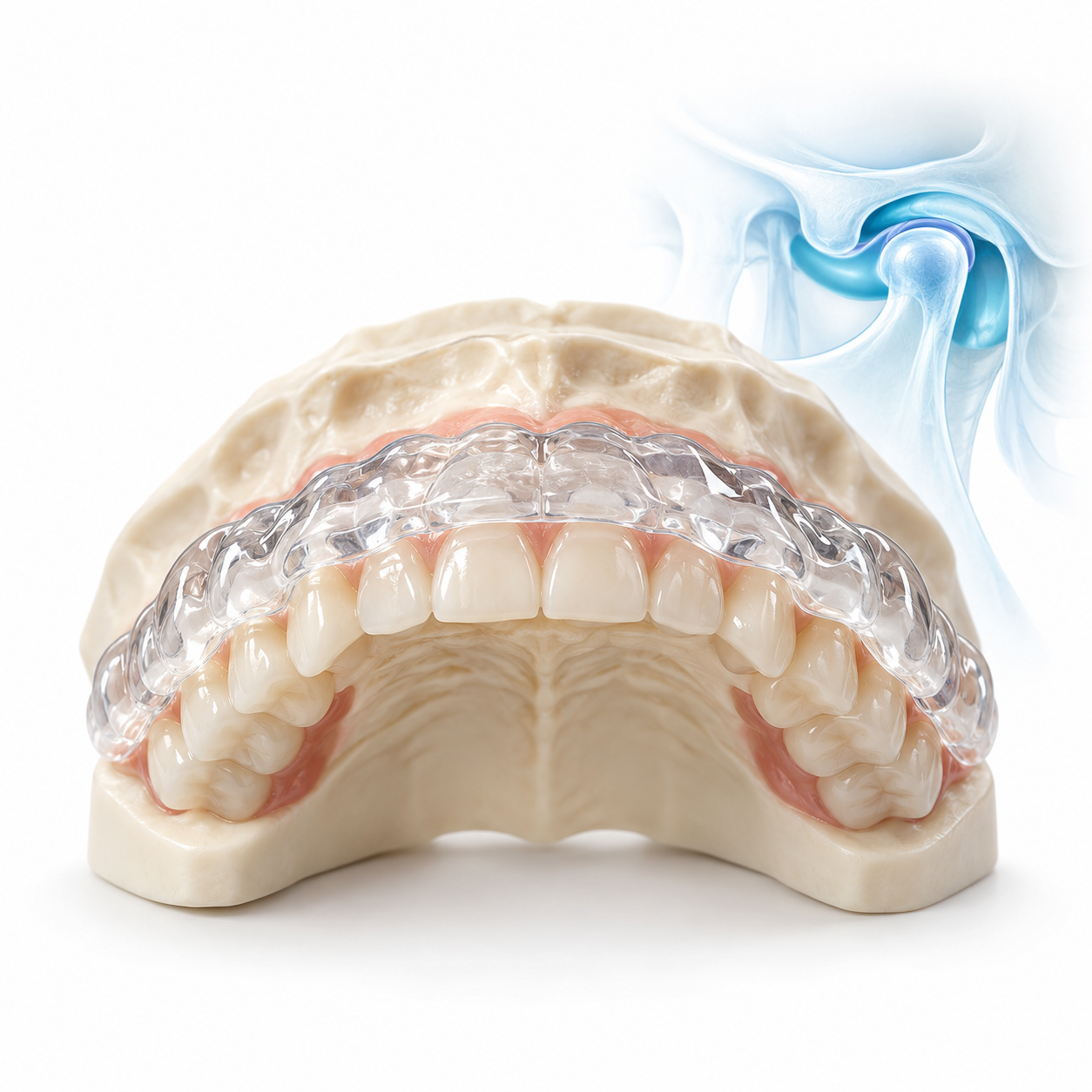
Clear Aligner Systems: Using Clear Aligner Systems which are custom made thermoplastic trays (Invisalign, tooth colored, etc.) with attachment buttons attached to them to provide specific lingual torques to pull back and straighten flared incisors without using metal brackets/wires.
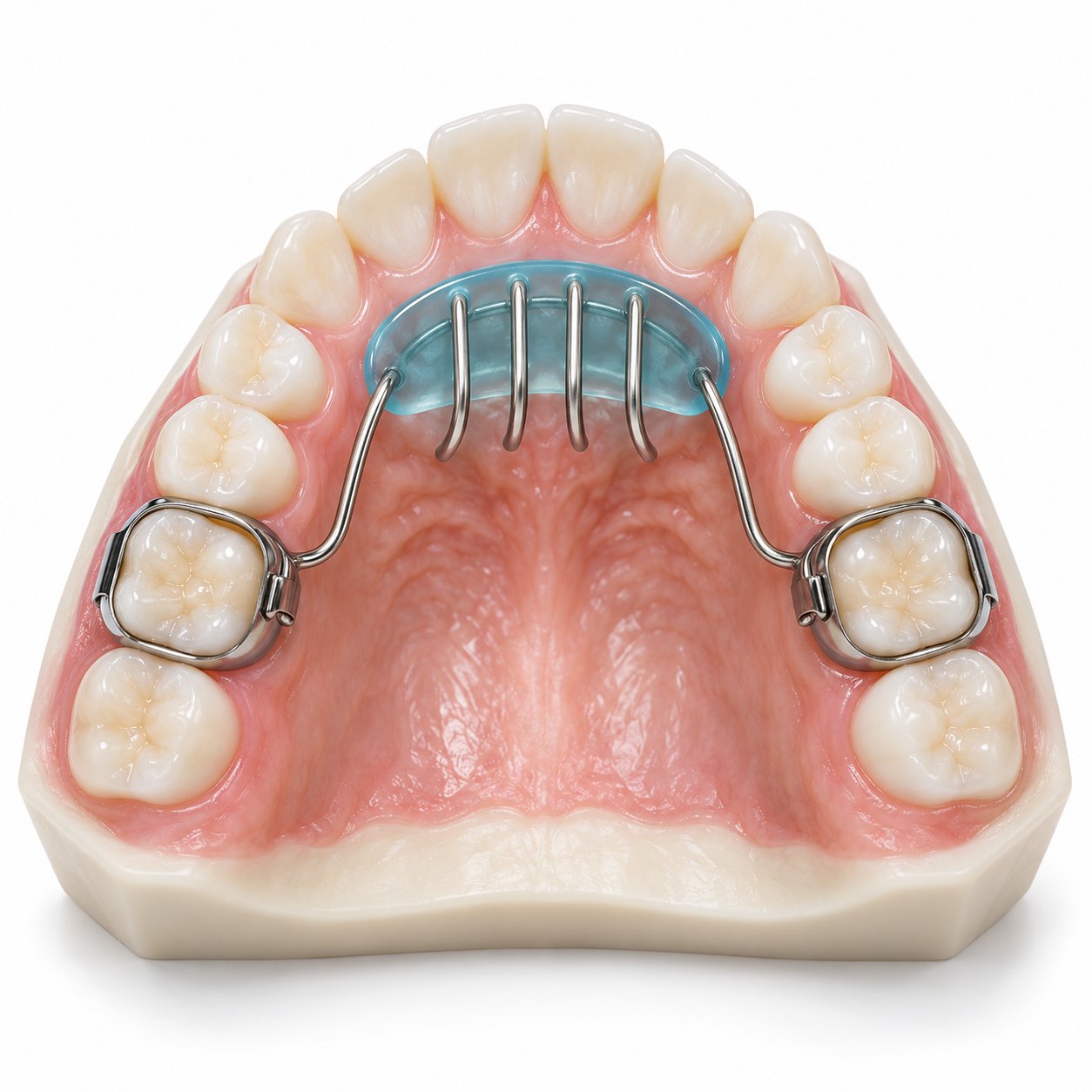
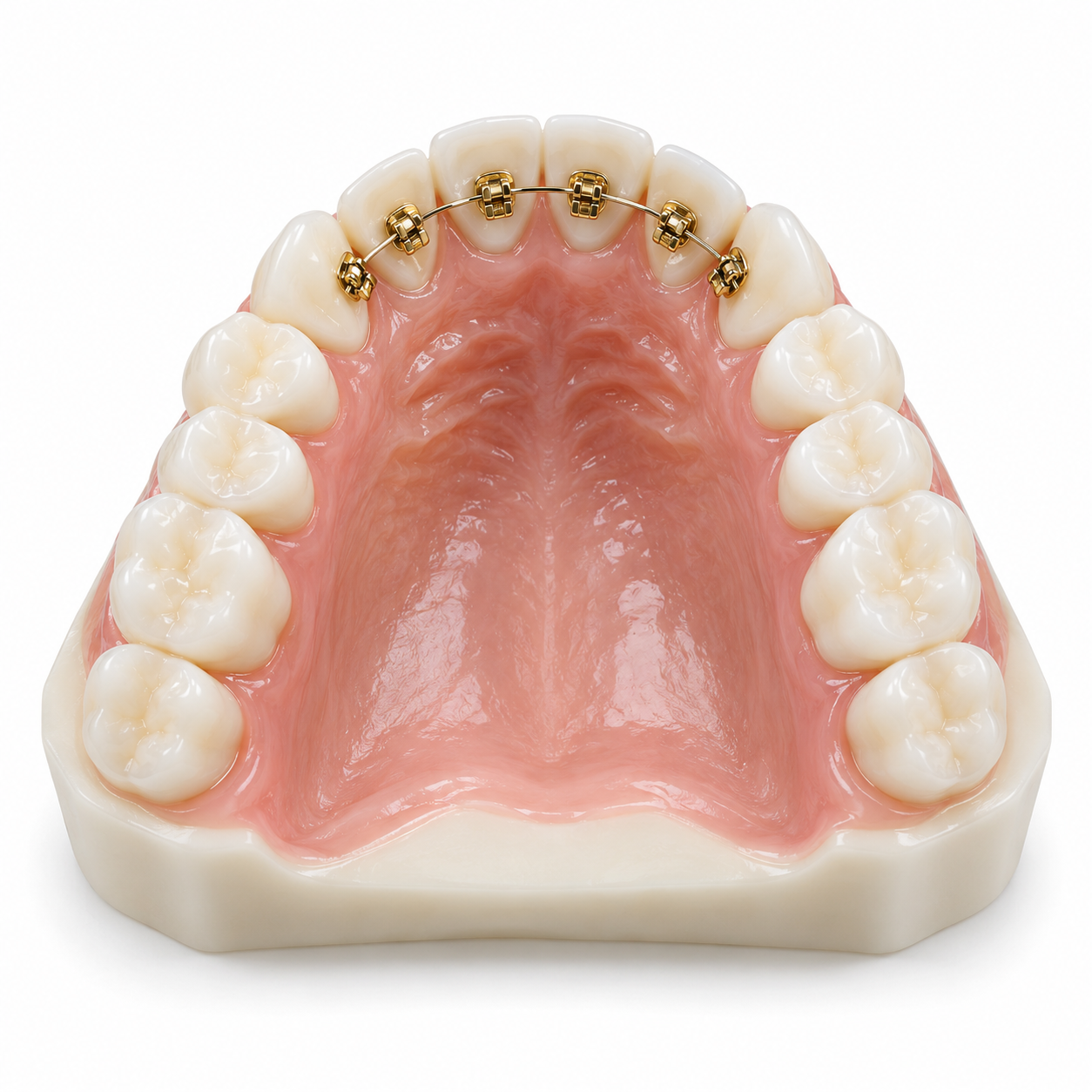
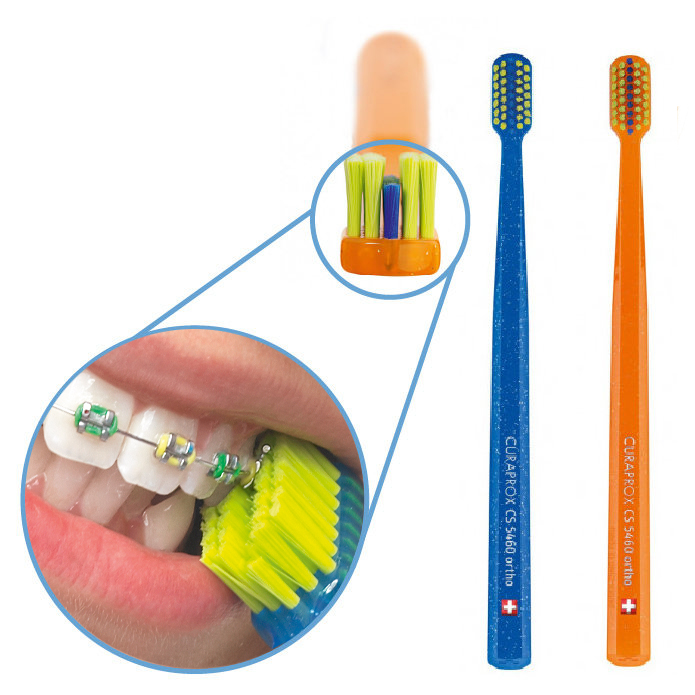
Self-Ligating Braces: The use of self-ligating ceramic/metal braces that allow low friction movement and controlled arch expansion and root torque correction.
Temporary Anchorage Devices (TADs): The use of temporary anchorage devices (TAD's). These TAD's are micro screws that are placed into the jaw bone for a short period of time to act as anchor points for orthodontically moving and/or intruding/retracting flared front teeth.
Orthognathic Surgery: For adults who suffer from more than just dental flaring (i.e. they have more serious skeletal deformities), orthognathic surgery is available. Orthognathic surgery involves surgically correcting the position of one or more jaws to improve function and aesthetics by working in conjunction with pre-surgical and post surgical orthodontics.
Porcelain Laminate Veneers / Crowns: If there is a need for cosmetic changes related to mild localized dental flaring and no skeletal issue exists, porcelain laminate veneers/crowns may be indicated.
Costs of treatment at dental clinics throughout Kerala are based upon the cost of materials used, the difficulty level of the case to be treated and whether a specialist has been involved with the patient's care:
|
Treatment / Diagnostic Category |
Cost Range (INR / ₹) |
|
Consultation & 3-D Imaging |
₹1,500 – ₹4,000 |
|
Ceramic / Metal Fixed Orthodontic Brackets |
₹35,000 – ₹85,000 |
|
High End Clear Orthodontic Aligners |
₹75,000 – ₹22,00,000 (cost of aligners is dependent upon both type/brand selected as well as number of orthodontic aligners required for your specific orthodontic needs) |
|
Placement of Micro Screw (TAD) |
₹4,000 – ₹8,000 per micro screw unit |
|
Surgical Orthognathic Correction of Jaw Position |
₹1,50,000 – ₹3,50,000 (all hospital and surgical costs will be included) |
Orthodontist: An Orthodontist is mandatory as the first line of specialists for creating an orthodontic plan for clear aligner treatments including placement of brackets, TADS (mini screws), and adjusting arches.
Periodontist: A Periodontist may need to be seen by patients that have experienced significant pathologic tooth migration due to periodontal disease (bone loss/gum recession/deep pocket formation) or other forms of chronic inflammatory conditions.
Oral & Maxillofacial Surgeon: An Oral & Maxillo Facial Surgeon is essential for all adults requiring re-positioning surgery to correct serious skeletal misalignment issues.
Prosthodontist: A Prosthodontist can provide aesthetic enhancements through veneers or crowns after orthodontic correction is completed and stability achieved.
Immediate (Within Two to Four Hours): If a protruded tooth suffers an acute physical impact that results in chipping, subluxation or has suffered from a soft tissue laceration.
Prompt (Within One to Two Weeks): If a palatal impaction is causing you to develop open sores on your lips, to have severe cracking of your lips or if the impacted tooth continues to move with each use.
Scheduled (Elective): To consult regarding improvements to function, to plan for orthodontic alignment and to correct cosmetic problems.
Will flared upper teeth ever be able to be treated with no braces or surgical treatment?
While minor cosmetic protrusions of the upper anterior due to superficial contours may potentially be addressed with either porcelain veneers or crowns; actual structural/skeletal over-jet will require orthodontic treatment utilizing clear aligners or conventional braces to safely and effectively move the roots of the teeth.
How long will it take to treat clear aligner protruded front teeth?
The duration of treatment varies depending on a variety of factors including the total degree of over-jet, bone density, amount of cooperation from the patient and if extractions or TAD anchorage are required. Treatment durations range from approximately 8 to 20 months.
Why has my upper teeth all of sudden started sticking out since I've become an adult?
Most cases of sudden flaring in adults occur as a result of destruction of the supporting bone as a result of chronic periodontal disease (gum infection), chronic tongue thrusting, or failure to replace missing posterior teeth that have resulted in the transfer of excessive chewing forces onto the anterior teeth.
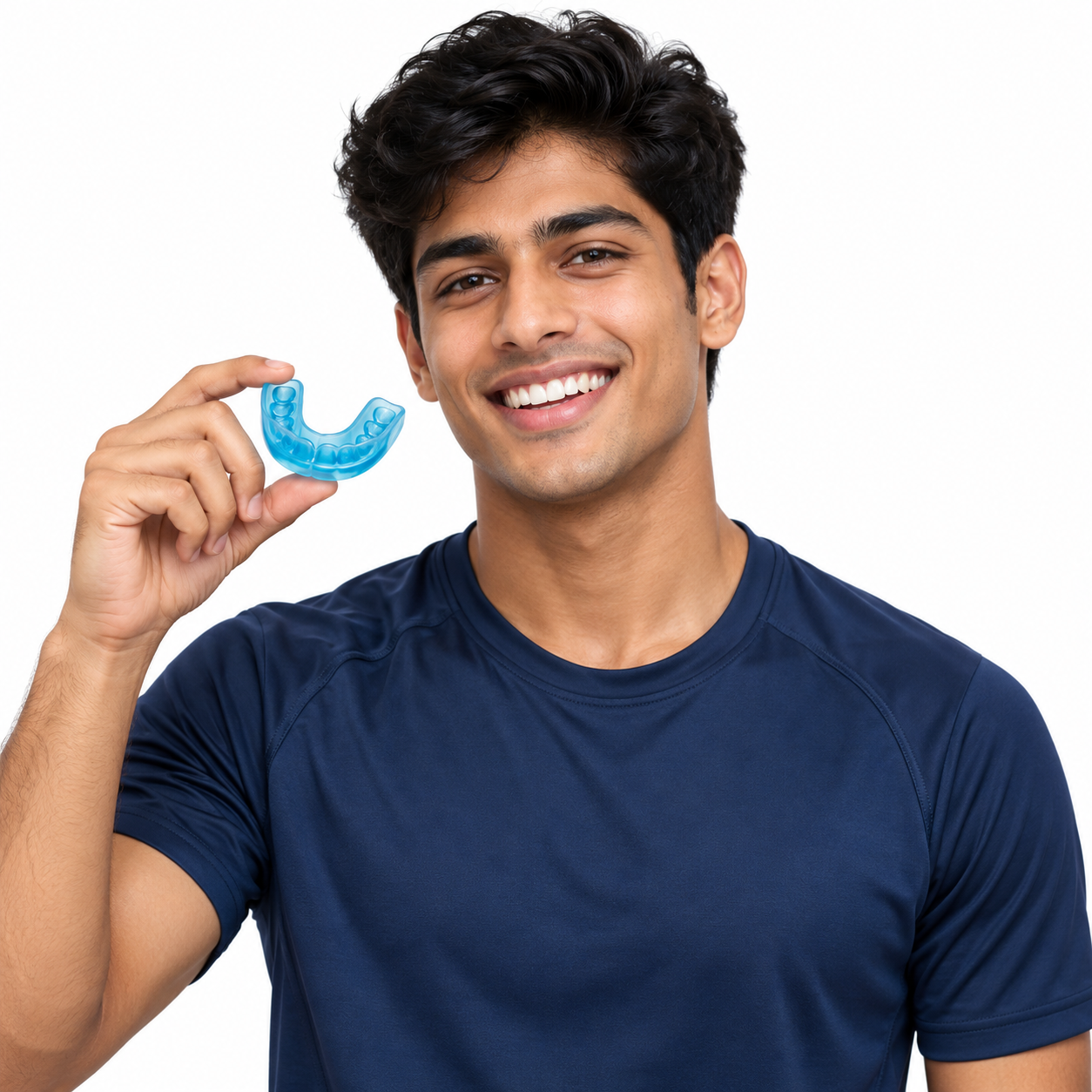
The correction of maxillary dental protrusion must be done in conjunction with an evaluation that includes both facial esthetics and functional occlusals. Movement of the teeth is typically too fast for the underlying supporting tissues to accommodate; therefore, there is a significant chance of either resorbing (shortening) roots as well as having some degree of relapse. The ultimate factor for long term stability is based on establishing whether or not the maxillary anterior teeth are simply angulated versus being positioned anteriorly due to the alveolar ridge (jawbone), and then adhering strictly to your retainer-wearing protocol after alignment. In order to maintain esthetic harmony AND long-term dental stability it is crucial to first establish good gingival health and secondly create a balanced functional bite.


.jpg)
.jpg)
.jpg)
.jpg)
.jpg)
.jpg)
.jpg)
.jpg)
.jpg)
.jpg)
.jpg)
.jpg)
This site is part of the DEC Dental Network — a Dental Equity & Connectivity ecosystem of clinical, educational, and patient-support brands operated by Team Dental Pvt. Ltd. Our network works as one — guiding you from your first search to your final smile.
© 2026 Team Dental Pvt. Ltd. · Founded 2013, Angamaly, Kochi, Kerala
About DEC Dental