Cold temperature-induced dentin hypersensitivity results from either the loss of protective enamel (exposing dentinal tubules) or gingival recession (reducing coverage and exposure to dentinal tubules). Dentinal tubules are small fluid-filled tubes that travel through dentin and connect directly to the innermost pulp chamber where blood vessels and sensory nerves are located. Cold liquids and/or cold air contacting the exposed surface of the dentin cause rapid outward movement of fluid through the dentinal tubules, stimulating A-delta nerve fibers at the pulpal border to produce a brief, sharp sensation (explained clinically by Brännström's Hydrodynamic Theory). Modern restorative dentistry defines cold sensitivity as a type of non-carious cervical lesions/early pulpal responses — representing the first indication of enamel loss or micro-fracture formation.
Clinical Definition: Sharp, transient pain caused by cold stimuli due to the presence of dentinal tubules.
Red Flag Indicators: The pain lasts for >30 seconds after removal of the cold stimulus, spontaneous pulsating throbbing, swelling of the gums surrounding the tooth, or fractured teeth.
Primary Recovery Options: In-office applications of fluoride varnish, application of potassium nitrate containing paste for desensitization, resin bond systems, endodontic treatment, and/or soft tissue grafts.
Regional Care Baseline Cost: Desensitizing professional treatments begin at ₹800–₹1,500 in Kerala and may range up to ₹4,500 to ₹9,000 for more invasive root canal procedures.
Sudden Sharp Pain Spike: When you contact an extremely cold substance such as ice cream, chilled water, or cold air, your brain is rapidly signaled to send sharp pain messages.
Discomfort Upon Brushing Tooth Neck Area: When you brush against your gums using dental floss or when you scratch your teeth with a fingernail, this creates secondary sensitivity and causes pain in the affected area.
Secondary Sensitivity to Sour/Sweet Stimulus: Once the teeth are sensitive from a cold stimulus, it will be even more painful when consuming sweet/sour foods or drinks. This is because the nerve endings become overactive to these stimuli.
Recession Symptoms: The visible recession of the gum line causing the upper portion of the tooth to appear longer than normal which exposes the darker portion of the tooth (the dentin).
Long Lasting Pain After Consuming Cold Liquids: If you experience prolonged pain after ingesting cold beverages or eating cold foods, especially if it takes several minutes to subside and is accompanied by swelling and tenderness, then the pulp has been damaged permanently.
Pain That Is Spontaneously Triggered At Night: If you wake up during the night experiencing pain in your mouth without being stimulated to do so; either through temperature or pressure, then something is wrong.
Swollen Gum Tissue & Periapical Fistulae: If you have swollen tissue around one of your teeth and/or small pimples (perforations) directly under the gum margin, then there may be infection present. In addition, pain caused while chewing solid food can indicate the presence of an infected pocket or fistula.
Enamel Cracking: A fine, vertical crack in the enamel matrix of your tooth indicates damage to the enamel.
Abrasiveness of Tooth Brush Use: Hard bristle brushes can cause abrasion to the thin enamel layer and exposed cementum at the cementoenamel junction (CEJ).
Acidic Erosion: Frequently consuming acidic foods or beverages causes demineralization and erosion of the outer enamel, exposing the underlying dentinal tubules.
Gingivitis/Periodontal Disease: Inflammation around the gums that create an environment of periodontal disease as they pull away from the roots of your teeth.
Para-Functional Activities: Grinding/clenching your teeth. This creates abfractions of the enamel along the gum line.
Diet Induced Trauma: Consuming traditional Kerala food items such as fish cooked in tamarind (Kudampuli), eating buttermilk with a high acidity level (Moru), consuming green mangos that have not been fermented, eating foods that are extremely cold or extremely hot.
Age Related Gum Atrophy: Tissue loss due to age is a common occurrence at the age of 35 or greater.
Gastroesophageal Reflux Disease (GERD): Regurgitated stomach acid enters the oral cavity and erodes enamel on the palatal and lingual surfaces of your teeth.
Recent Changes to Your Teeth: Sensitivity caused by temporary scaling, whitening etc., typically lasts 1–2 weeks.
Visual Mirror Examination: Under good lighting, inspect your teeth for gum recession, yellow root surface exposure and/or fractured edges.
Touch Test: Use a clean cotton swab to lightly touch along the gumline borders in order to determine exactly where you are sensitive.
Water Temperature Test: Drink some warm room temperature water and then drink some cold water through a straw so that you can isolate which tooth is causing you the most discomfort.
Pressure Bite Test: Gently bite down on a clean cotton roll or soft bite stick under professional guidance to help determine if biting pressure reproduces localized sharp pain indicative of a cracked tooth.
Air Blast Sensitivity Test: Spray a gentle stream of ambient air from an oral syringe directly onto each tooth for two seconds. Measure how much pain you feel during this test.
Cold Thermal Test: Apply a cotton pellet soaked with refrigerant spray (-50° C) to determine if the pulp is alive and responsive to cold temperatures.
Radiography Using Digital Technology: Use IOPA x-ray images to look for decay or bone loss/loss of roots in-between the adjacent teeth.
Electrical Pulp Test (EPT): Pass low voltage electricity into each tooth to determine whether the pulp inside the tooth is still living, inflamed or dead.
|
Severity Level |
Structural Findings |
Typical Patient Response |
Primary Intervention |
|
Mild |
Microscopic tubule exposure, intact enamel layer |
Instant short zap; subsides immediately after stimulus removal |
Desensitizing pastes, in-office fluoride varnish |
|
Moderate |
Visible cervical enamel loss, mild gum recession |
Sharp, reproducible pain to chilled drinks lasting under 10 seconds |
Glass Ionomer (GIC) or composite resin restorations |
|
Severe |
Deep dentin erosion, crack lines, pulpal involvement |
Lingering throbbing pain (>30 seconds), night pain, bite tenderness |
Endodontic therapy (Root Canal) or surgical grafting |
Application of a Fluoride Varnish / Glutaraldehyde Solution / Potassium Oxalate Solution: The application of an in-office desensitizer such as a high-concentration fluoride varnish, glutaraldehyde solution, or potassium oxalate solution can be done to temporarily block the open tubules.
Nano-Hybrid Composite Direct Restorative Treatment: This treatment is used to seal the exposed dentin using a direct cervical resin bonding agent. These agents include nano-hybrid composites, glass ionomer cements (GIC), etc.
Nd:YAG Dental Laser & Er:YAG Dental Laser Assisted Tubule Occlusion: This method uses either an Nd:YAG dental laser or an Er:YAG dental laser to heat the micro-structural crystalline dentin which immediately seals the exposed channels.
Soft Tissue Surgical Graft: For severe recession, this is achieved by surgically placing subepithelial connective tissue grafts over the exposed root surface.
The cost of a diagnostic evaluation in Kerala varies from ₹300 – ₹700.
Desensitization using fluoride for in-office applications will vary from ₹800 – ₹1,800 per arch.
A composite restoration applied to the cervical region of a tooth will vary based upon materials used and can range from ₹1,200 – ₹2,800 per tooth.
More advanced endodontic treatments that require surgical intervention due to extreme nerve involvement can range from ₹4,500 – ₹9,500 and add up to ₹4,000 – ₹12,000 if a crown is required (Zirconia/PFM).
General Dental Practitioner: The general dentist completes routine examinations, applies topical fluoride, and performs basic desensitizing fillings.
Endodontist: Needed if you have cold sensitivity which has turned into chronic pulpitis and need an advanced endodontic treatment such as micro-endodontics.
Periodontist: Must be seen by a periodontist who can treat the teeth where there is significant gum recession, bone loss under the gums, or perform soft tissue grafting.
Prosthodontist: Consult with prosthodontists if you are experiencing extreme tooth wear from grinding your teeth and need extensive occlusion and protective crowns.
Emergency/Immediate (Within 2–4 Hours): Intense, persistent pain; facial swelling; trauma to the tooth; broken visible fractured tooth.
Urgent (Within 24–48 Hours): Prolonged cold sensitivity for > 30 seconds; painful enough to interrupt sleep & eating habits.
Elective (Within 1–2 Weeks): Infrequent brief sensations of cold sensitivity that can be managed using OTC desensitizing toothpaste.
What causes my teeth to ache while I drink cold water in the humid climate of Kerala?
While ambient weather does not affect internal pulpal nerves, drinking an ice-cold beverage causes sudden localized thermal contraction of dentinal fluid within exposed tubules, rapidly pulling fluid outward and stimulating the pulpal nerve endings. This is what irritates the exposed dentinal nerve and creates the discomfort associated with this condition.
What will be the approximate price for treating sensitive teeth in Kochi or Thiruvananthapuram?
For basic treatments involving desensitizing varnishes used on the outside of teeth, prices can vary from ₹800–₹1,500 per session depending on which city in southern India you live. For filling of structurally damaged portions of your tooth, prices may vary from ₹1,200–₹2,500 per tooth.
Will using a toothpaste specifically designed to help reduce sensitivity to cold provide permanent relief?
Toothpastes that contain either potassium nitrate or stannous fluoride work by blocking the pain signal pathways from the dentin tubules to the pulp. They can take anywhere from two to four weeks to effectively "plug" these tubules. If there has been structural damage to the enamel or if there has been significant gum recession, then restoration of your tooth structure through clinical means will likely be needed for long term relief.
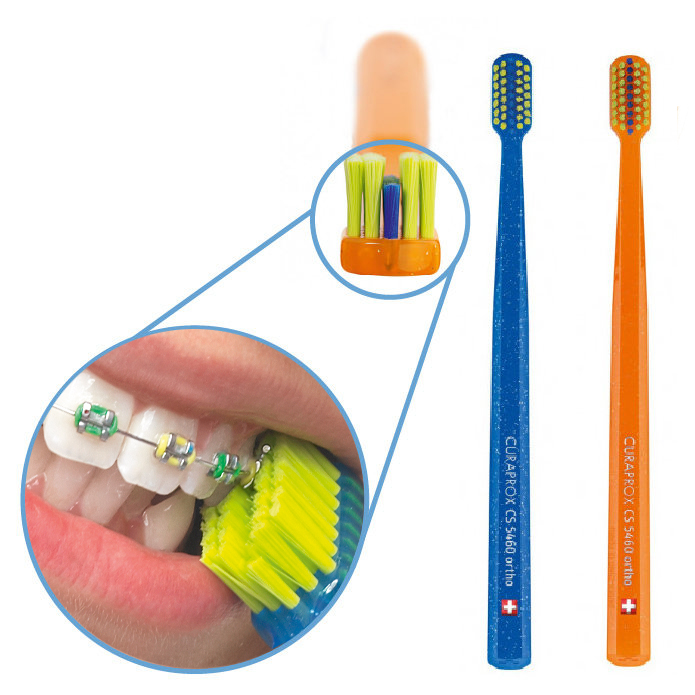
Cold sensitivity is a common and usually temporary sensation experienced by millions of people on a daily basis. With today's advanced diagnostic tools we can identify these micro-fractures and tubular exposures in the early stages of development prior to nerve death occurring. All patients who experience recurrent cold sensitivity should use an ultra-soft toothbrush, avoid combinations of foods that have high acidity, and schedule immediate clinical evaluation. If dental treatment (desensitizers or restorative bonds) is applied promptly to preserve tooth anatomy and restore their patient's long term oral health, then cold sensitivity will no longer be a problem for them.


.jpg)
.jpg)
.jpg)
.jpg)
.jpg)
.jpg)
.jpg)
.jpg)
.jpg)
.jpg)
.jpg)
.jpg)
This site is part of the DEC Dental Network — a Dental Equity & Connectivity ecosystem of clinical, educational, and patient-support brands operated by Team Dental Pvt. Ltd. Our network works as one — guiding you from your first search to your final smile.
© 2026 Team Dental Pvt. Ltd. · Founded 2013, Angamaly, Kochi, Kerala
About DEC Dental