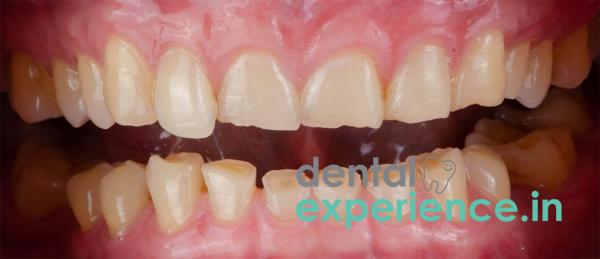
The primary challenge to a good smile is the equilibrium of the size of the dental elements versus the extent of gingival display. Short teeth are generally categorized as either due to genetics (microdontia), chewing (dental attrition & bruxism) or due to abnormal gum recession. When measuring and assessing the size and shape of the teeth, dental practitioners use the "Golden Proportion". This proportion states that the width of a central incisor should approximate 80% of its length. Once this architecture is distorted, many patients will notice a compromise in their aesthetic, most commonly described as having a "gummy smile". While correcting short teeth may seem to be nothing more than an esthetic issue, it also represents a clinical restoration of the structural integrity of the teeth themselves, along with the occlusal (bites) relationship and ultimately the harmonization of the overall facial appearance.
The core problem - Teeth appear short because of genetics (underdeveloped), gum disease (gingivitis/excessive gum covering), or excessive wear/attrition.
Clinical impact - Maloccluded bites, accelerated tooth wear, and esthetically unappealing smiles.
Common solutions - Porcelain veneers for short teeth, composite bonding for teeth lengthening, and laser gum contouring for short teeth.
Specialist - prosthodontist/cosmetic dentist for DSD (digital smile design).
Short teeth may not always be noticed initially, but there are several clinical signs that identify them:
Reduction in the vertical height of the upper anterior (front) teeth.
Over-exposure of the gingival tissues when smiling (small teeth-big gums).
Flattened/jagged/translucent edges of the incisal portion of the teeth, indicating loss of protective Enamel.
Tooth asymmetry which compromises the natural curvature of the lower lip line during a full smile.
Alteration in speech such as slight lisping, caused by inadequate tooth structure for phonetic articulation.
If you have been noticing your teeth are gradually becoming shorter over time, then you should consult with a specialist to assess your oral health. Additionally, if your shortened teeth are associated with continuous jaw joint (TMJ) pain, sensitivity to heat/cold food/drink, exposed yellow dentin, or morning muscle fatigue, it indicates that your functional bite has begun to break down. Ignoring these symptoms can result in irreversible damage to your bite structure.
There are two main areas to evaluate in order to understand why your teeth look so short: developmental biology & functional biomechanics:
Altered passive eruption: You have a normally developed tooth, however the gum tissue did not recede sufficiently as you grew up. As a result, your Crowns remain buried within the bone/gums.
Dental attrition & bruxism: You involuntarily grind your teeth every night. This causes excessive surface wear through mechanical abrasion.
Microdontia: You have a genetically inherited condition where your teeth were physically undersized compared to normal physiological norms.
Acid erosion: Your diet contains high levels of acids (e.g., carbonated sodas or citrus juices) that soften the enamel of your teeth. Your teeth become extremely vulnerable to excessive wear due to their softened state.
Some common Risk factors include:
Genetics - A family history of microdontia or hyperplasia (extra growth) of gum tissue prevents normal tooth exposure.
Stress & sleep issues - Both high daily stress and sleep disorders (like sleep apnea) correlate to extreme bruxism (teeth grinding) at night.
Dietary choices - Consuming large amounts of acidic beverages leads to increased rates of Enamel loss.
Anatomical differences - Abnormalities in anatomical structures (for example, a strong and hyperactive upper lip muscle that constantly pulls your upper lip upward) expose additional gum lines. As a result, what would normally be considered adequate-looking teeth now appear abnormally short.
Patients can complete a basic visual assessment at home using a mirror:
Evaluate how much gum tissue shows above your front teeth when you smile naturally. More than 2-3 mm is too much gum exposure.
Inspect the biting edges of your front teeth. Are they perfectly straight and smooth, or do they look sharp/thin/un-evenly-worn-down?
Bring your back teeth together in their normal position (to create a normal bite). Can you see all of your upper front teeth completely swallowing your lower front teeth from view? In this case, your lower front teeth appear significantly overlapped by your upper front teeth, which is indicative of lost vertical dimension.
Determining the best course of action for correcting short teeth involves both digital imaging and clinical measurements completed at an advanced dental facility. First, visualize each tooth's length-to-width ratio utilizing a periodontal probe to measure clinically. Next, take 3-d digital impressions of each tooth using an intraoral scanner. Then, create a digital smile design using kochi/calicut software. Using this technology, test different tooth sizes relative to your facial anatomy. Lastly, obtain a panoramic radiograph (digital X-ray) or CBCT scan to visually examine the bone level supporting your teeth. This allows your cosmetic dentist to ensure that any planned tissue adjustments preserve the biological foundation of each tooth.
Length discrepancies between dental elements are categorized based on severity to guide appropriate treatment pathways:
|
Mild |
Moderate |
Severe |
|
Most of the crowns are intact with minor gum overgrowth/chipping of the incisal edges. |
Obvious loss of Enamel on the chewing surfaces results in clear shortening with possible sensitivity to hot/cold foods/drinks. |
Significant wear exposing Dentin creates significant loss of face height and potentially severe bite malalignment/TMJ pain. |
Cosmetic Dentistry today provides reliable and successful methods for restoring balance to short dental elements and improving natural beauty:
Laser Gum Contouring: Dental laser technology is used by cosmetic Specialists to safely remove excess gum tissue and reveal hidden healthy tooth structure.
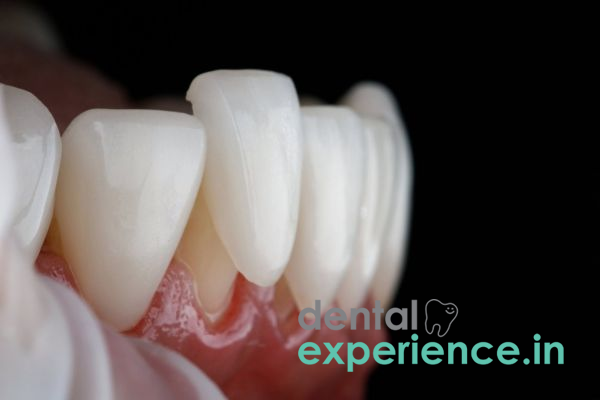
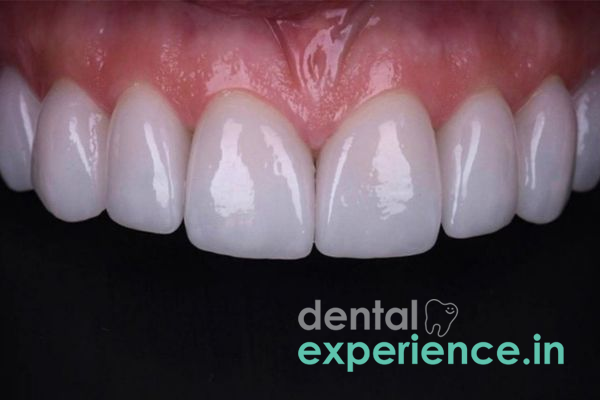
Porcelain Veneers: Thin layers of customized porcelain veneers are applied directly to the front surfaces to address severely short-teeth. They offer an extremely long-lasting solution that aesthetically replaces missing tooth length and natural color.
Composite Bonding: A less invasive alternative, composite resin is sculpted artistically onto the edge of each tooth to repair minor wear or individual short teeth in just one office visit.
Comprehensive Full-Mouth Rehabilitation: When dealing with severe tooth wear, corrective orthodontic alignment and crown lengthening are combined with premium zirconium Crowns to completely reconstruct a patient's bite from scratch.
Costs vary greatly depending on both the type of treatment selected by the patient as well as how many teeth are being treated. Average costs for basic laser gum reshaping across the entire front smile zone range from ₹10,000 to ₹25,000. Composite bonding is a budget-conscious method for extending tooth length ranging from ₹3,000 to ₹6,000 per tooth. Advanced cosmetic porcelain restorations or comprehensive digital smile designs in Kerala typically range from ₹20,000 to ₹150,000 or more depending on the overall complexity of the case and/or advanced technologies utilized by the clinic.
Achieving a perfectly proportioned smile design that meets an ideal smile form requires a multi-disciplinary team effort.
A periodontist is crucial in planning and performing safe resurfacing of the gum line as well as ensuring maintenance of healthy bone structure around each tooth.
A prosthodontist or an expert cosmetic dentist works closely with each patient to plan and apply Custom porcelain restorations designed specifically to meet their needs.
Lastly, if the patient's short teeth resulted from skeletal jaw malpositioning, an Orthodontist is called upon to properly align each tooth prior to commencing any cosmetic work.
If your short teeth are simply a natural, genetic occurrence and not progressing due to any active wear, treatment is totally elective and can be scheduled at your leisure. However, if your teeth continue to lose length due to grinding or acid erosion, immediate attention is needed. Failure to treat these conditions will likely result in exposure of nerves inside the tooth roots, potential need for root canals and eventual collapse of your bite structure requiring more complicated and expensive treatments.
Will veneers extend my short teeth?
Yes - porcelain or composite veneers are very successful in extending short teeth to close spaces and achieve a harmonious and balanced smile form.
What makes my front teeth get shorter?
Most frequently due to grinding/biting at night (bruxism), over-brushing or frequent consumption of acidic substances which erode away the Enamel edges of your teeth over time.
Are tooth lengthening procedures painful?
No - modern treatment techniques are extremely comfortable. Laser gum reshaping only requires local anesthesia and heals rapidly; while veneer and bonding procedures result in little/no discomfort.
How much does digital smile design cost in Kerala?
The total cost will depend on whether you require only simple gum contouring or multiple Custom porcelain veneers. Prices can range from ₹20,000 upwards of ₹150,000+ for a comprehensive full smile redesign
From a clinical standpoint, treating short teeth requires looking far beyond basic surface cosmetics. We must carefully balance aesthetic desires with proper oral biomechanics. Whether we are managing altered passive eruption with precise laser contouring or restoring worn-down enamel with high-strength porcelain ceramics, our primary goal is to recreate a stable, functional bite. True longevity in smile design is achieved only when the new tooth length works in perfect harmony with the patient's natural jaw movements and surrounding gum tissues.




.jpg)
.jpg)
.jpg)
.jpg)

.jpg)
.jpg)
.jpg)
.jpg)
.jpg)
.jpg)
.jpg)
.jpg)