Obstructive Sleep Apnea (OSA) is a chronic form of disordered sleep that affects the upper airway by collapsing it repeatedly throughout your sleep. The intersection of OSA occurs within the jaw, Temporomandibular Joint (TMJ), and functional dental frame as a direct result of the relationship between the jaw's anatomical position and the surrounding maxillofacial architecture. A decrease in the size of the airway in the pharynx is most commonly due to a recessed (retrognathic) mandible (lower jaw) along with a narrow (maxillae) upper jaw and/or a low resting posture for the tongue. If these three oral areas do not provide adequate structural support to allow an open airway space when you are sleeping, then your body will experience micro-arousals accompanied by sleep bruxism — unconscious, heavy teeth grinding triggered by central nervous system activity. The excessive mechanical forces caused by bruxism can cause tooth wear/attrition and compromise the temporomandibular joint (TMJ). As well, this mechanical force will impede proper systemic oxygenation.
Clinical Definition: Collapsing airway during sleep which has been linked to mal-alignment in jaw, palate, and TMJ.
Red Flag Indicators: Severe loud choking/gasping sounds while you are asleep, waking up each morning with severe jaw pain, teeth cracks, chronic fatigue during your day.
Common Recovery Options: Custom oral appliance therapy (OAT), mandibular advancement device (MAD), maximal expansion.
Symptoms include:
Dental Enamel Wear: Dentists have reported that the enamel wears off faster at the front and back chewing surfaces where teeth meet. The enamel is worn down revealing the underlying layer of dentin.
Morning Jaw Ache (Morning Jaw Pain): Most people are unaware that they clench their jaw throughout the night to keep their airways stabilized while sleeping. This can result in dull aching pains in your jaw, face and forehead muscles after waking in the morning.
Xerostomia (Dry Mouth): When you breathe through your mouth at night instead of your nose, saliva evaporates quickly. Since this moisture loss does not happen with proper nasal breathing, you will wake up with a dry, sore throat and gums.
TMJ Clicking And Popping: As you slowly open your mouth in the morning you may be able to see or hear the upper and lower jaw bones slide out of place.
You should seek medical help immediately if you experience any of the following symptoms related to obstructive sleep apnea, because they indicate an immediate need for some form of clinical treatment:
Apnea Events: Events of gasping, choking or apnea (pauses in breathing) that occur while sleeping and are observed by others.
Severe Tooth Pain: An increase in pain in a specific area of the tooth that usually results from micro fractures extending into the pulp of the tooth creating sensitivity to temperature extremes.
Spreading Headaches: Headaches in the temple region that continue to spread across the top of the head to the base of the neck.
Acute Lockjaw: Acute lockjaw which prevents you from either opening or closing your jaws completely, which indicates acute TMJ disc dislocation.
Causes include:
Retropalatal And Retrolingual Narrowing: When your mandible is located further back than usual it causes structural problems that push your tongue back toward the entrance of your throat.
Central Nervous System Arousals: Your brain triggers rhythmic masticatory muscle activity as part of a micro-arousal following an apneic event; this process can severely damage your teeth.
Restrictive Narrow Dental Arches: With a high V-shaped hard palate the volume in your nasal cavity is restricted which requires you to place your tongue at its lowest position.
Dynamics Of Anatomical Features: Tonsillar enlargement and retrognathic conditions with deep overbites are anatomically restrictive factors.
Food Choices In Regional Diets: Consuming heavy carbohydrate-based foods, especially late afternoon/evening (for example, large quantities of rice and coconut milk curried dishes similar to those consumed frequently in Kerala), promotes night-time acid reflux and increased systemic inflammation contributing to increased resistance to breathing through your airways.
Neck Circumference And Weight: Fatty tissue surrounding your upper pharyngeal airway.
Muscle Tone & Age: Loss of muscle tone in the pharynx due to age.
Home observations help dentist identify signs of sleep apnea before dental care is needed:
Mirror Examination: View your molar edges with a mirror while you stand before it. Look at them for flatness, chips in enamel, and exposed yellowish dentine.
Side Tongue Ridges: Have you ever noticed that when you extend your tongue as far as you can, your tongue sides have ridges which follow the outline of your teeth? Those scalloped borders indicate lateral tongue compression against the dental arches due to a low resting posture or a narrow upper jaw.
Visibility Of Airway (Mallampati Test): Open your mouth and stick your tongue all the way forward without saying "ah". Your soft palate and uvular structures should not be totally obscured by the posterior surface of your tongue. A total obstruction indicates a possible constriction of your airway.
Palpation Of TMJ: Place your fingers on either side of the areas just in front of your ears and open your mouth. Do you feel pain upon opening? Are there audible clicks or pops upon opening or closing? Does one jaw deviate from the other upon opening?
The diagnostic process includes:
Polysomnography (PSG)/Home Sleep Apnea Testing (HSAT): PSG/HSAT are considered the medical 'gold standards' for measuring the severity of sleep disordered breathing; specifically the number of times per hour that a person stops breathing (apnea-hypopnea index), and the degree to which their oxygen levels fall below normal during these events.
Cone Beam Computed Tomography (CBCT): CBCT is a low dose 3-D x-ray technology used by dentists to measure the size of a patient's upper airway, the width of their hard palate, and where the TMJ condyles rest
|
Grade |
Clinical Signs |
Dental Impact |
AHI Score |
|
Mild |
Occasional morning dry mouth; light nocturnal snoring; subtle enamel wear. |
Superficial enamel erosion; minor muscle tenderness. |
5 – 14 events/hr |
|
Moderate |
Frequent snoring; daytime tiredness; visible flat spots on molars. |
Dentin exposure; micro-cracks; TMJ clicking. |
15 – 29 events/hr |
|
Severe |
Gasping for air; chronic sleep deprivation; flattened teeth; joint pain. |
Cracked teeth; advanced TMJ disc displacement; loss of vertical dimension. |
30+ events/hr |
Treatment options include:
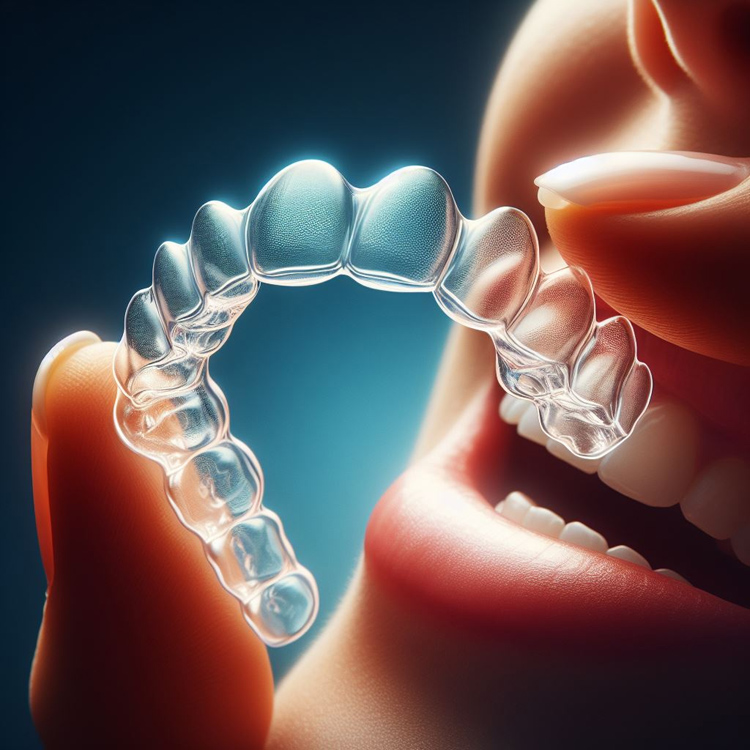
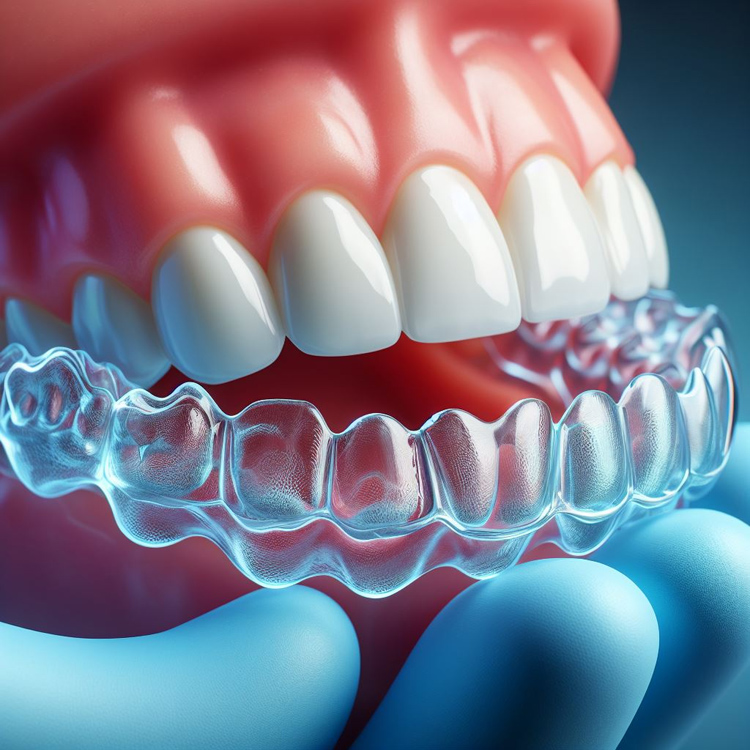
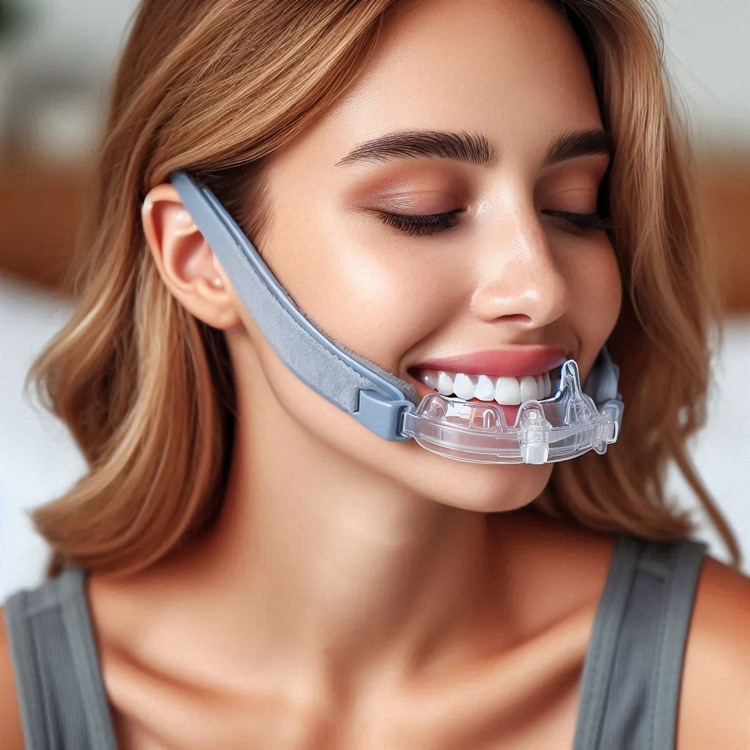
Modern Custom Mandibular Advancement Appliances: Modern digital dual-block appliances provide gentle advancement of the mandible (lower jaw) toward an anterior position thereby preventing the collapse of the airway. These devices are available as single block or dual-block systems depending upon whether the patient has a class I, II, III malocclusion or a different type of skeletal relationship.
Tongue Retaining Appliances (TRDs): TRDs have suction-based components which retain the tongue in a forward position. In some cases, due to anatomical limitation of the upper jaw, it may be difficult for the lower jaw to advance sufficiently to keep the pharynx open while asleep. The use of TRDs is recommended for such patients.
Maxillary Skeletal Expansion (MSE) / Orthognathic Surgical Procedures: MSE can be achieved through non-invasive methods (orthodontic expansion), surgical procedures or both. This can be used to increase the width of the nasal floor and/or palatal vault thus allowing for increased airflow into the lungs.
Restorative Dentistry for Loss of Vertical Tooth Height Due to Bruxism: Restoring teeth using high strength zirconia crowns and ceramic overlays can help replace tooth structure loss due to chronic grinding/bruxism thereby increasing the vertical dimension of occlusion (VDO).
|
Procedure |
Average Out-of-Pocket Range (INR) |
|
CBCT Diagnostic Scan & Airway Assessment |
₹3,500 – ₹7,500 |
|
Custom Oral Device Therapy (MAD) with Titratable Mechanisms |
₹25,000 – ₹65,000 |
|
Comprehensive Reconstruction Dental Care |
₹15,000 – ₹35,000 per tooth |
Insurance Coverage: Some private insurance companies in India cover costs associated with custom made oral device therapy when prescribed by a pulmonologist in conjunction with a PSG diagnostic study.
Primary General Dentist: Provides an entry screening that can detect signs of bruxism (wear on teeth) and identify if further testing is required (i.e. sleep study).
Sleep/Bruxism Dentistry Specialist & Prosthodontist: Professionals with specialized training in dental sleep medicine are capable of providing precision fittings, adjustments in increments and long term joint assessments regarding mandibular advancement devices.
Orthognathic Oral Surgeon: Surgeons with specific expertise in orthognathic procedures can correct severe skeletal differences through surgically advancing the jaw bones (maxillomandibular advancement - MMA).
Orthodontist: Is able to expand the arch and improve bite positioning to increase airway space.
Emergency (Within 24-48 Hours): Requires immediate treatment, i.e., jaw locked; acute pain caused by cracking a tooth; sharp cut surfaces within the mouth.
Scheduled (Within 7-14 Days): Soreness while waking; progressive wear on enamel; evidence of sleep apnea, which will need to be treated using an appliance made specifically for each patient.
Can a custom dental appliance replace my CPAP machine?
Yes. For patients with mild to moderate obstructive sleep apnea (OSA), or those that are intolerant to CPAP therapy, a mandibular advancement device (MAD) is an FDA approved, highly successful alternative to treat OSA.
Will a sleep apnea mouth piece permanently shift my bite?
Some minor dental changes may occur over time. Using the provided morning occlusal aligner for five minutes daily will reset your bite preventing long term changes.
I don’t feel like I'm grinding my teeth, but they hurt when I wake up. Why?
When your airway collapses at night, your brain triggers central nervous system micro-arousals that cause rhythmic masticatory muscle activity and clenching. The pressure this creates causes strain on both the nerve of each tooth and the joint of each jaw.
While mandibular advancement devices are very user friendly and portable they have some limitations with respect to treatment outcome. Each M.A.D. will require a well planned digital assessment prior to manufacturing. The fit and function of each manufactured unit will need to be assessed by an experienced practitioner and adjusted as necessary. If an individual continues to grind/crack their jaws at night, there will likely be no successful treatment outcome; whether using M.A.D. 's or other methods. Dentists need to consider both the airway and TMJ in all aspects of treatment.




.jpg)
.jpg)
.jpg)
.jpg)
.jpg)
.jpg)
.jpg)
.jpg)
.jpg)
.jpg)
.jpg)
.jpg)