The phrase “a smile that does not match your face” is used to describe cases in which there is a contradiction of the aesthetics of the dentition in relation to the overall facial structure. In terms of clinical terminology, an aesthetic discrepancy is often described as aesthetic disharmony. Aesthetic disharmony refers to a disagreement in positioning of the incisal plane (edge of the front teeth) versus the interpupillary line or facial midline. The structural misalignment results in a lack of harmony of the golden proportion of the face and therefore affects both macro-aesthetics (overall facial balance) and micro-aesthetics (tooth shape, tooth color, alignment).
Clinical Definition: A visual asymmetry exists when either the dental midline or the smile arc does not align aesthetically with facial landmarks.
Causes of Visual Asymmetry: Skeletal malocclusion, uneven tooth wear, previous faulty restorative dentistry, asymmetric growth of jaw.
Urgent Indicators of Visual Asymmetry: Rapid onset of facial asymmetry accompanied by pain, clicking joints of jaw, or rapid changes in bite pattern.
Solutions to Visual Asymmetries: Orthodontic treatment, porcelain veneers, digital smile design (DSD), crown lengthening.
In cases where there are noticeable differences in smiles patients experience some very distinct visual/physical symptoms;
Midline Shift: A midline exists that connects the two upper anterior (front) teeth. This midline should be centered over the midpoint of both the nose & philtrum. When this is not true, you have a midline shift.
Canted Smile: In relation to the horizontal plane of the face, one side of the smile will appear "higher" or canted than the other side of the smile.
Asymmetric Gingival Display: More gum tissue (gummy smile) shows on one side of the smile than the other.
Functional Discomfort: There can be uneven bite force applied to areas which may lead to localized muscle fatigue in the cheeks or jaw.
If your smile is changing from being symmetrical to asymmetrical and/or at a rapid rate, or is associated with any of these red flags:
Rapid development of a new malocclusion (shift in the way your top and bottom teeth come together), either days or weeks after onset, which indicates significant bone loss in one or more condyles or TMJ pathology.
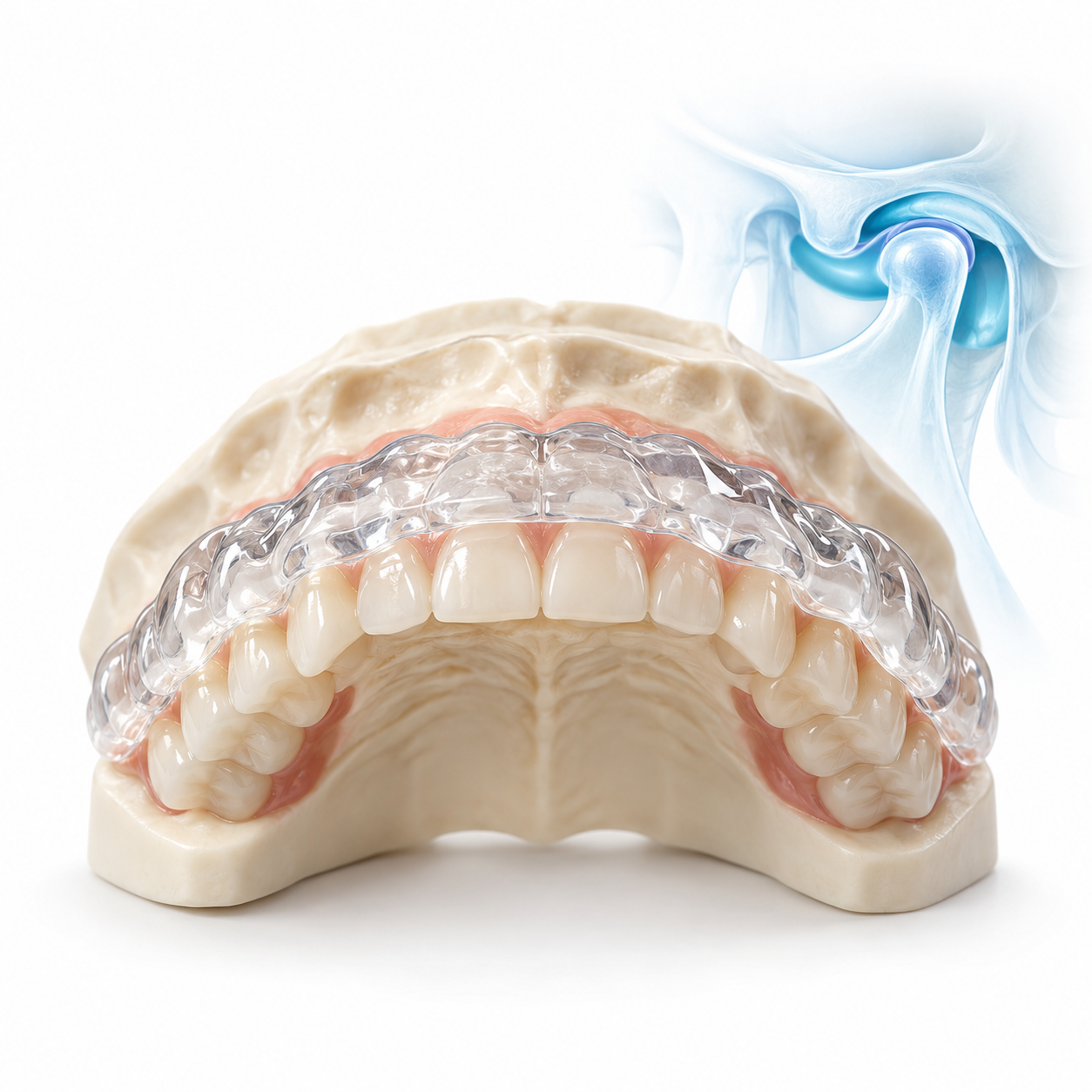
Significant clicking, locking or severe pain in the TMJ.
Progressive tooth movement, i.e., a sudden gap(s) appear between teeth.
Difficulty with chewing or speaking clearly due to changes in the position of your teeth.
A misaligned smile may be caused by developmental, mechanical or traumatic factors affecting the structure of the face, including;
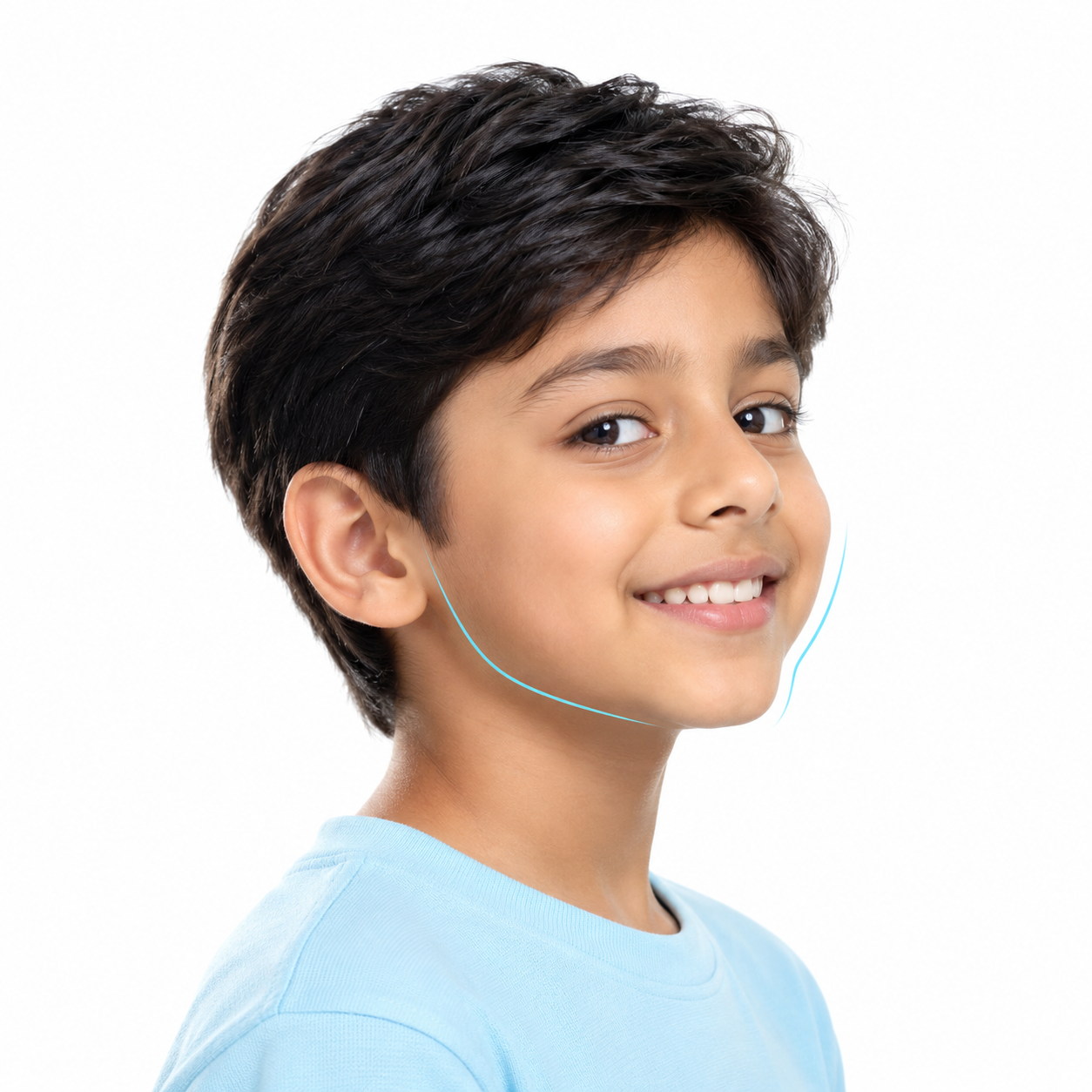
Skeletal Asymmetry: The mandible or maxilla is not symmetrically developed in the adolescent years.
Tooth Loss/Migration: Teeth are lost and then replaced with different size restorations allowing adjacent teeth to tilt or migrate to create an uneven occlusion.
Bruxism (Teeth Grinding): This chronic habit wears some teeth at a faster rate than other teeth creating an uneven occlusal relationship.
There are certain behaviors and anatomical characteristics that increase your risk for a misaligned smile;
Early loss of primary/permanent posterior teeth without space maintainer.
One sided mastication (chewing), typically caused by either previous localized toothache/pain or presence of missing teeth on one side.
Genetic tendencies toward skeletal malocclusions (Class II or Class III jaw discrepancy).
High stress lifestyle potentially leading to severe unilateral nighttime bruxism.
Stand before a lighted mirror and place an extremely thin and flat object (such as a tongue depressor or chopstick) on top of your teeth, and then parallel to the interpupillary line.
Look at your upper front teeth.
If the vertical line separating the two does not go straight through the middle of your nose you may have a visual asymmetry.
Mirror checks are only for evaluation purposes and do not replace a clinical assessment.
Dental professionals use diagnostic tools to measure how facial structures relate to the patient's dentition:
The dentist will examine your face for symmetry and evaluate your ability to move your lips and where they rest when relaxed.
High resolution photographs and video using Digital Smile Design (DSD), that can measure the ratio of the proportions of your facial features and the coordinates of your dentition.
Panoramic and Cephalometric radiographs to analyze root position, bone positioning within the jaw, and to determine if there are any skeletal asymmetries.
The articulator mounting tool mounts either a physical model of your teeth or a virtual one to allow examination of how the teeth interact during function
Smile asymmetry is categorized by clinicians into three clinical severity levels:
Mild: Discrepancies of less than 2mm of midline and slight canting visible only upon a thorough examination.
Moderate: Aesthetic issues apparent to the casual observer. These include differences in tooth length and/or gum display.
Severe: Significant skeletal jaw discrepancies, significant occlusal canting, and functional interferences which will require a team-based approach.
The goal of modern dental treatments is to provide an aesthetically pleasing balance between your smile and overall appearance:
Digital Smile Design and Veneers: Ceramic veneer shells are custom made to instantaneously correct minor shape and alignment problems.
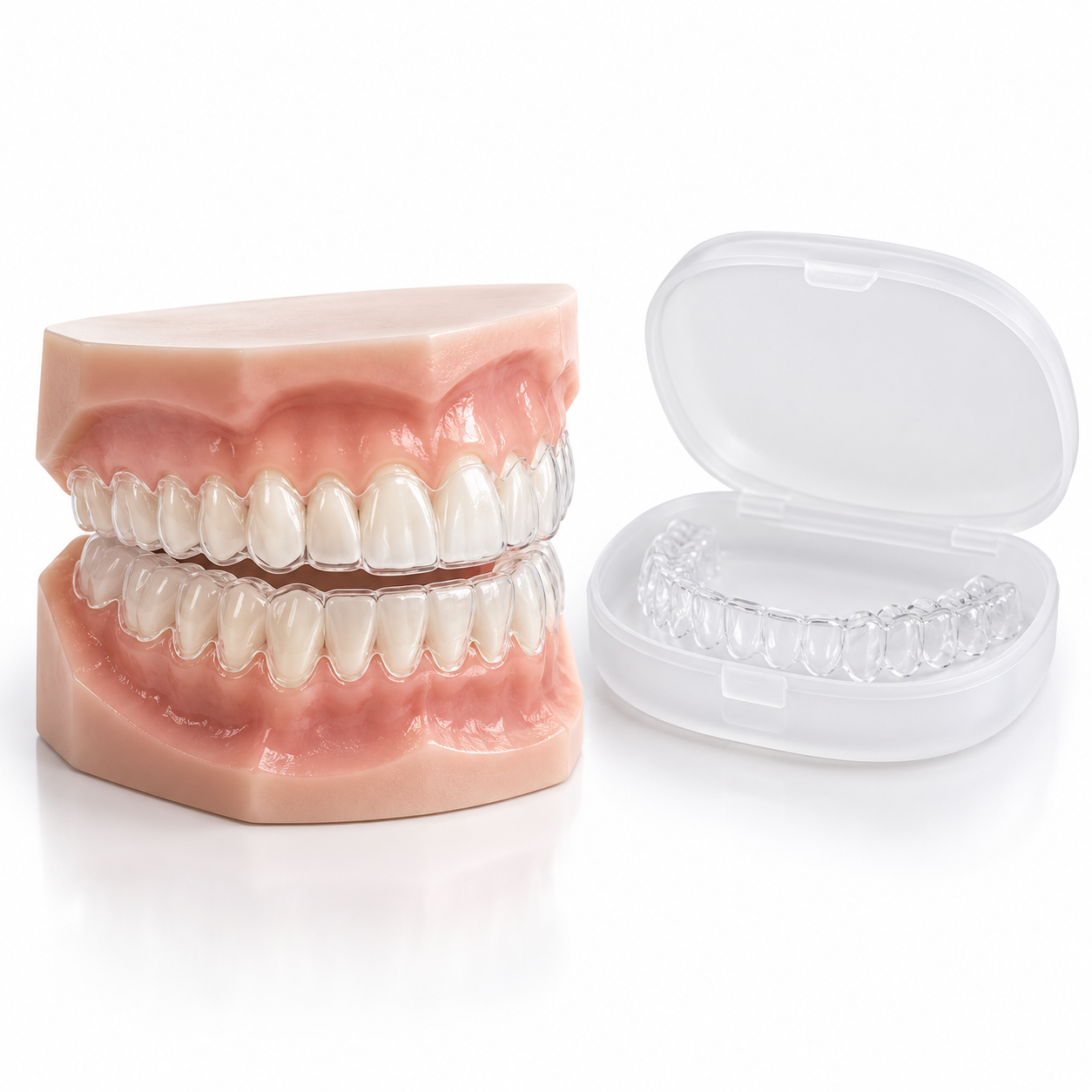
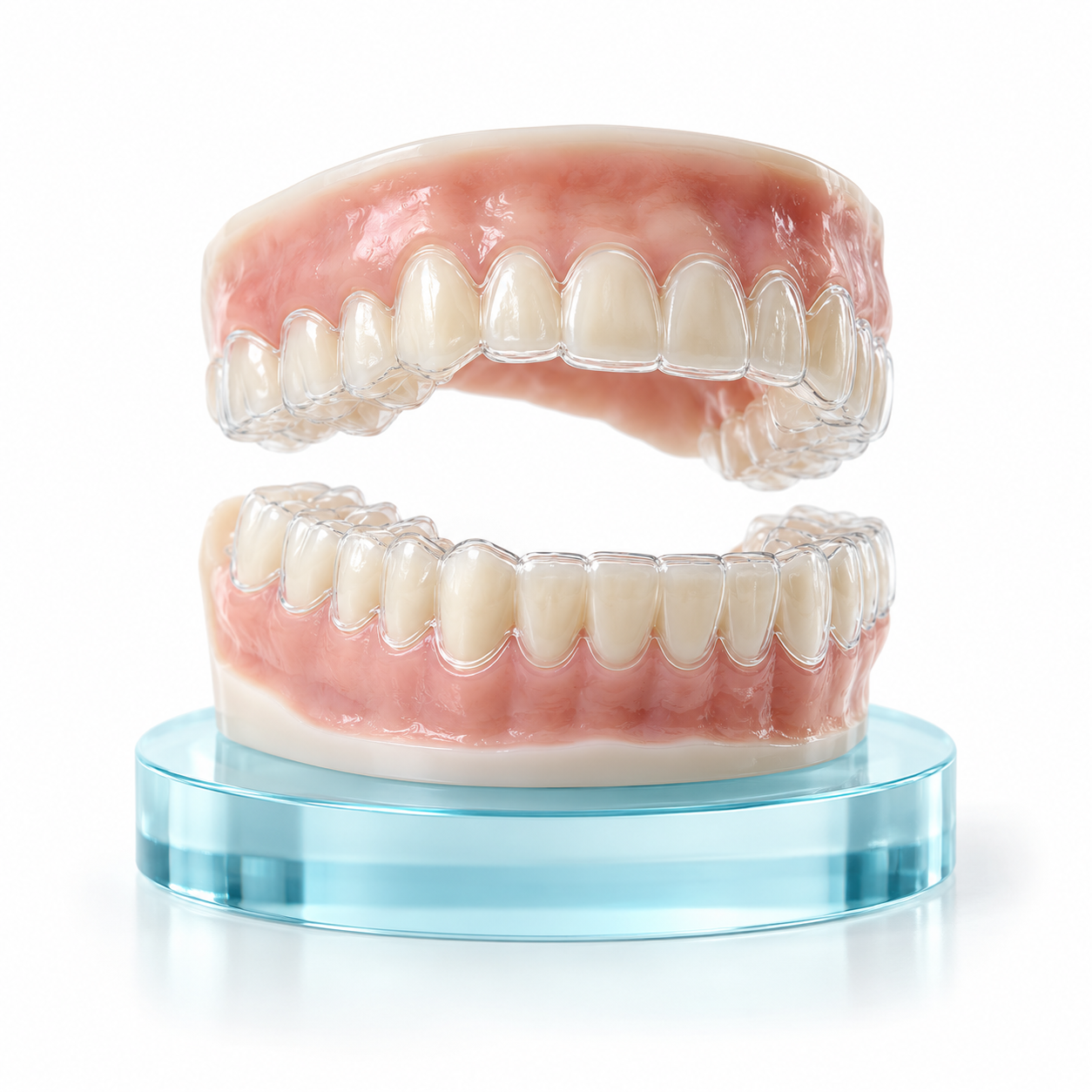
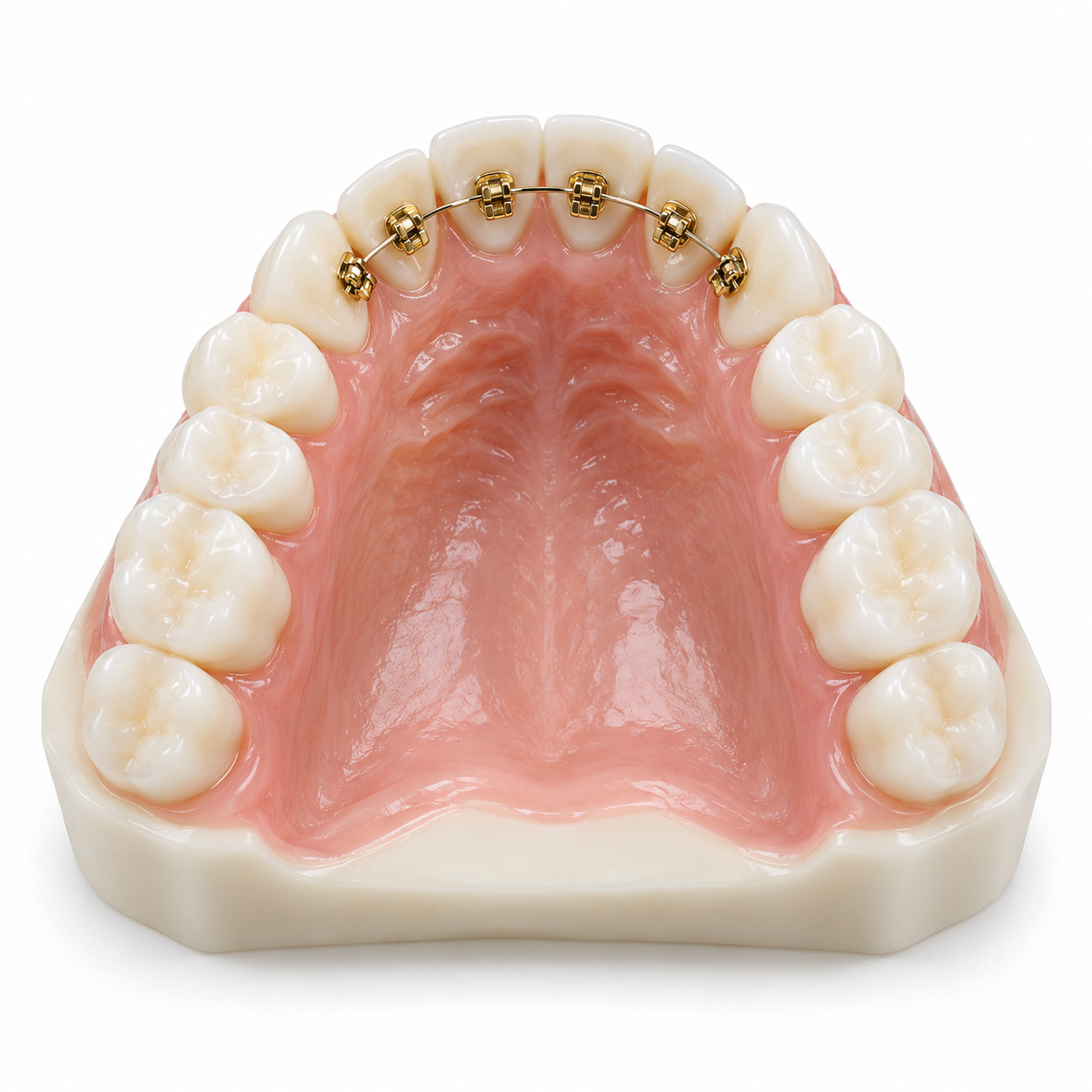
Orthodontics: Fixed appliances (braces), such as Invisalign, can be used to move teeth to improve midline relationships.
Crown Lengthening/Gum Contouring: Reshaping of gum tissue using laser or surgery to achieve even gingival displays.
Orthognathic Surgery: Jaw bone repositioned surgically for severe skeletal asymmetries
The cost of Smile Harmonization can vary by the type of treatment you are receiving along with the amount and type of material that is being used in your treatment:
Diagnostic Work-up and DSD (Digital Study Model) : ₹2000 – ₹5000.
Orthodontic Treatment using Clear Aligners : ₹65000 – ₹180000 (depending on duration).
Veneer Treatments using Porcelain Veneers : ₹8000 – ₹20000 (per tooth)
Surgical options like Crown Lengthening : ₹4000 – ₹10000 (per quadrant)
Insurance usually pays for all functional corrections but you will have to pay for aesthetic corrections yourself.
To ensure a successful outcome that lasts, it is essential to get the right Specialist involved in your treatment:
A general dentist/cosmetic dentist would be ideal if you need to do mild aesthetic veneers, bonding and basic smile makeovers.
An orthodontist is required if you need to correct an alignment issue due to tooth position or dental arch issues.
A prosthodontist is needed if you require a full mouth rehabilitation or structural bite harmonization.
If you need a serious skeletal jaw discrepancy corrected surgically then you will require a maxillofacial surgeon.
The treatment urgency of the case will depend on the severity of the root cause:
Elective (2-4 Weeks): The standard cosmetic veneer cases and mild orthodontic corrections.
Prompt (1-2 Weeks): Bite changes are rapidly progressing; localized traumatic injuries; Sudden Functional Wear.
Immediate (same day): Severe TMJ Locking; extreme pain; Trauma that causes facial and dental movement/displacement.
Are there ways to fix a smile that doesn't match without using braces?
Yes. Adult patients who have minor misalignment issues may use porcelain veneers, dental bonding or instant crowns for visual correction to improve symmetry without orthodontic wires.
Will a Smile Makeover hurt?
Most Aesthetic Procedures such as Veneers or Alignment Therapy are minimally uncomfortable and can be managed with Modern Local Anesthesia and Digital Planning.
Why does my smile appear crooked only when I view photographs?
Photographs present a static, two-dimensional moment where slight, normal facial asymmetries are magnified by comparison to how we perceive motion.
There is a great deal of difference between achieving a smile that complements your facial structure and simply having a pretty smile. The use of modern digital technology has made it possible for dentists in Kerala to create an accurate representation of their patient’s dentition relative to the skeleton. However, long-term success depends upon addressing all aspects of both the aesthetic and functional aspects of the masticatory system.


.jpg)
.jpg)
.jpg)
.jpg)
.jpg)
.jpg)
.jpg)
.jpg)
.jpg)
.jpg)
.jpg)
.jpg)
This site is part of the DEC Dental Network — a Dental Equity & Connectivity ecosystem of clinical, educational, and patient-support brands operated by Team Dental Pvt. Ltd. Our network works as one — guiding you from your first search to your final smile.
© 2026 Team Dental Pvt. Ltd. · Founded 2013, Angamaly, Kochi, Kerala
About DEC Dental