Snoring happens when you block your airway slightly while you are sleeping. As a result of this partial obstruction, it causes the soft tissue of the throat to vibrate. Snoring has been identified as an indicator of potential TMJ issues and as a sign that there may be an issue with your body's ability to breathe properly. If your lower jaw is recessed or if your arches are narrow, your tongue will fall back toward the soft palate of your throat at night when you relax and enter into a deeper stage of sleep and further constrict your upper respiratory tract.
Clinical Definition: The vibration of soft tissue resulting from the turbulence created by air passing through a constricted upper respiratory passage. This condition is often associated with general malocclusion or retrognathia, which involves the physical posterior displacement of the mandible or maxilla relative to the cranial base.
Red Flag Indicators: Waking up frequently throughout the night with episodes of choking/gasping, experiencing severe morning headaches, or feeling excessively fatigued/sleepy throughout the day.
Common Recovery Options: Custom mandibular advancement device (MAD), continuous positive airway pressure (CPAP), myofunctional therapy, orthognathic (jaw) surgery.
The symptoms of this condition include:
Persistent, Audible Airway Turbulent Sounds While Sleeping: Bed partners usually notice these sounds as they occur while you're asleep.
Dryness of the Mouth: Waking up frequently throughout the day with dryness of the mouth. This occurs because of chronic mouth breathing.
Scalloped Lateral Edges to the Tongue: The scalloped edges are caused by the tongue being forced into a crowded position within your dental arches.
Throbbing Headache: Throbbing headache at the onset of wakefulness in the morning. This headache typically results from either sleep fragmentation or nocturnal hypoxia (low oxygen levels) resulting from obstructed airflow through your upper airway during sleep.
TMJ Arthralgias: Morning jaw stiffness/pain as a result of nocturnal bruxism (clenching).
Clinical evaluation is immediate when the individual has experienced a pause in breathing during sleep (i.e., apnea) as well as sudden gasping for air while sleeping, or when the individual experiences excessive drowsiness throughout their waking day. The presence of these symptoms may indicate that the individual suffers from obstructive sleep apnea. In addition, if an individual experiences a snapping, locking sensation or severe joint pain in their temporomandibular joint, then it is possible that the snoring can be associated with structural damage within the TMJ requiring treatment through functional dentistry.
The causes include:
Retruded Mandible Position: The lower jaw is in a position that creates less room in front of the tongue base.
Condylar Displacement Of TMJ: The misalignment of the jaw joint causes the lower jaw to move backward while you are sleeping, creating a narrower pharynx.
Reduced Vertical Dimension: Worn-out tooth enamel or missing posterior teeth reduce the amount of room for the tongue.
Hypertonicity And Elongation Of Soft Palate: Tissue located toward the rear of your mouth can be lax or larger than normal and vibrate with respiratory pressure.
Risk factors include:
Malocclusion: An anatomically incorrect bite such as a class II deep-bite or a narrow palatine arch that will not allow the tongue to assume a correct resting position.
Dietary Habits in Specific Regions: Consuming high amounts of fatty food in the evenings (coconut milk-rich currys, banana chip pakoda, etc.) or large carbohydrate-based foods (Kerala parotta) can cause the stomach to produce excess acids leading to acid reflux and increased airway inflammation which can lead to collapse of tissues at night.
Body Mass Index: Excess fat stored around the upper part of your body puts additional pressure on the upper part of your airway.
Effects of Alcohol Consumption: Alcohol causes all muscles including those used for chewing and swallowing to relax. This can cause the muscles of the tongue and jaws to fall to their most posterior positions while you are asleep.
Use a mirror in a lighted space to observe possible structural causes safely:
Observe Your Jaw Position: Try closing your back teeth naturally. Check how far forward your upper jaw is when compared with your lower jaw. If you have a lot of vertical overlap, then it could be an indication that you have deep overbite (your bottom jaw is significantly behind your top teeth).
Assess Your Tongue Posture: Open your mouth as wide as you can and try relaxing your tongue. Evaluate your oral cavity and throat structures by opening your mouth naturally to check how much of the soft palate, fauces, and uvula are visible, noting that assessing deeper airway structures like the epiglottis requires specialized clinical instruments.
Look For Worn Teeth: Evaluate whether your teeth show signs of wear. Are they flat? Do the edges seem to have been eroded? Have you noticed that certain of your teeth have small fractures? These could indicate that you clench your jaws during sleep due to obstructions in your upper airways.
The diagnostic process includes:
Airway Volume Assessment Using Digital Technology: High-resolution cone-beam computed tomography (CBCT) provides high-quality images of the cross-sections of the upper pharynx. This allows for accurate measurement of the exact volume of air passing through the upper airway.
Radiographic TMJ Imaging/Vitality Testing: Take radiographs of your TMJ and use palpation (touch) to evaluate where your mandibular condyles rest in relation to the glenoid fossae.
Overnight Sleep Monitoring: Polysomnography is used to monitor all aspects of sleep including sleep stage changes, blood oxygen levels, heart rate, and the apnea-hypopnea index (AHI).
|
Severity Level |
Airway Obstruction & Clinical Presentation |
Recommended Interventions |
|
Mild (Primary Snoring) |
Simple tissue vibration; no significant oxygen drop or sleep disruption (AHI < 5). |
Custom mandibular advancement device (MAD), myofunctional therapy. |
|
Moderate (Upper Airway Resistance) |
Airway narrowing leading to frequent micro-arousals, daytime fatigue, and TMJ soreness (AHI 5–15). |
Adjustable MAD, TMJ splint therapy, lifestyle modifications. |
|
Severe (Obstructive Sleep Apnea) |
Complete or partial airway collapse causing severe oxygen desaturation and chronic fatigue (AHI > 15). |
CPAP therapy, combination MAD therapy, or orthognathic airway surgery. |
The treatments include:
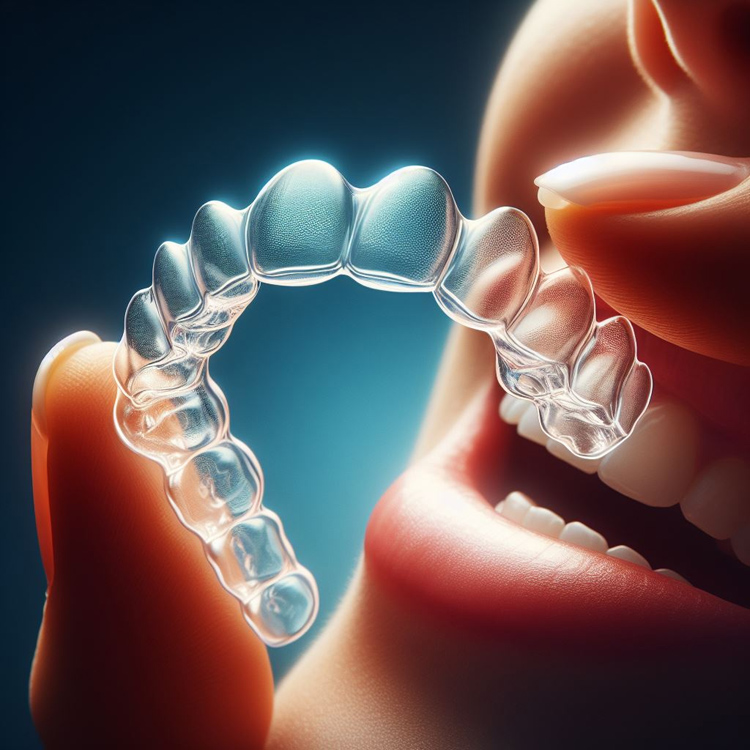
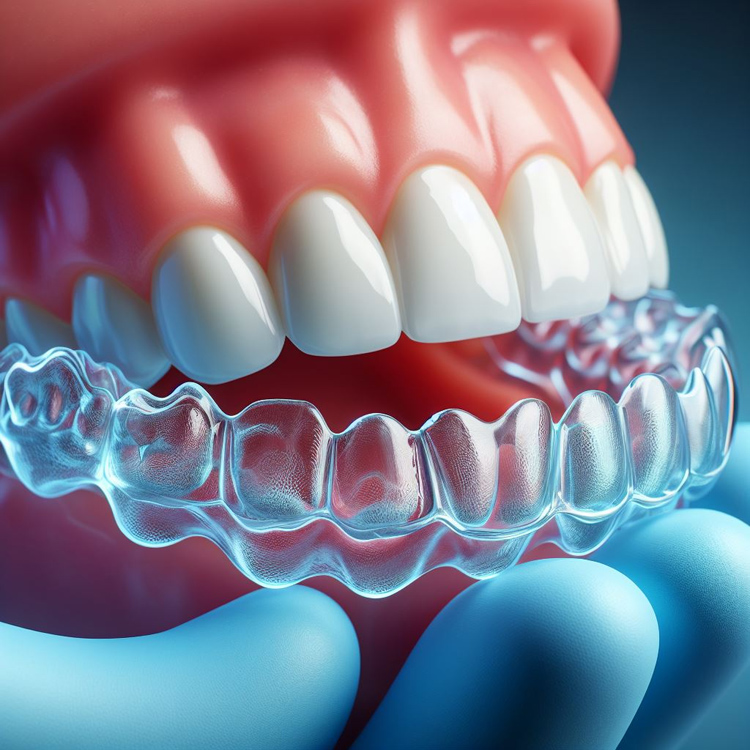
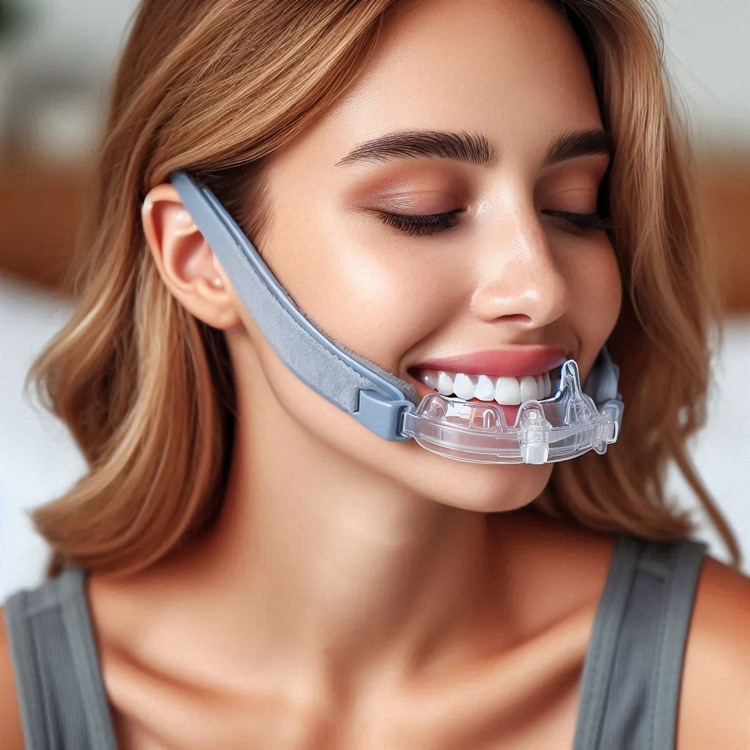
Custom Mandibular Advancement Device (MAD): The first step is to develop an individualized MAD (custom mandibular advancement device). The MAD is a precision-fit oral appliance, which is placed in your mouth each evening and holds the lower jaw slightly ahead of normal. This maintains the airway open during sleep.
TMJ Orthotics: These are custom-made splints that can be used to move the TMJ into proper alignment and expand the upper airway.
Myofunctional Therapy: This is a targeted exercise program designed to help you build strength in the muscles of the tongue and face. As these muscles become stronger, they will better support the tissues of the throat from collapsing back toward the airway when it should remain open.
Laser-Assisted Palatoplasty: A non-surgical procedure using an Er:Yag laser to tighten collagen fibers in the soft palate. When these fibers are tightened, vibrations of this area are greatly reduced during sleep.
Kerala has multiple levels of clinics providing varying degrees of diagnostic testing and therapeutic services based on their level of care, materials of devices and specialists involved in their operation:
|
Procedure |
Average Out-of-Pocket Range (INR) |
|
Clinical Consultation & CBCT Airway Mapping |
₹3,000 – ₹7,500+ |
|
Overnight Home Sleep Study (Level 3 Polysomnography) |
₹5,000 – ₹12,000+ |
|
Medical-Grade CAD/CAM Custom MAD |
₹25,000 – ₹65,000+ |
|
Three Session Nightlase Package |
₹30,000 – ₹50,000+ |
Insurance Coverage: Basic diagnostic testing will sometimes receive partial reimbursement for selected private health insurance companies/corporations operating in Kerala; however, MADs typically do not receive reimbursement and need to be paid out of pocket.
The specialists involved in this process include:
Functional Dentist/Orofacial Pain Specialist: Diagnoses whether you have a TMJ disorder related to your airway issues and creates your mandibular advancement device (MAD) based on that diagnosis.
Prosthodontist: Can reconstruct your worn out dental arches to put back what has been lost in terms of vertical dimension; therefore, providing enough space for your tongue to move comfortably.
Pulmonologist/Sleep Medicine Specialist: Conducts sleep studies, analyzes your average hourly apnea (AHI) levels and works with you to manage complicated obstructive sleep apnea (OSA).
Oral/Maxillofacial Surgeon: Can perform corrective orthognathic surgical procedures if you have severely misaligned jaws.
Urgent (Within 24-48 Hours): If your snoring is accompanied by pauses in breathing during sleep; if you experience extreme tightness of the chest when you wake up; or if you suddenly lose focus during the day while operating a vehicle, schedule an appointment with a sleep specialist or functional dentistry professional within 24 to 48 hours.
Planned Care (1-2 Weeks): Symptom assessment must be conducted within one to two weeks of experiencing excessive, loud, disturbing snoring; or morning joint pain.
Why does my jaw ache every morning, and I have a noise coming out of my mouth?
Your airway is restricted at night because of narrowing. Your brain tells your jaw muscle to contract and move your lower jaw forward to prevent choking. This will continue through the night causing strain on your temporomandibular joint. So, your jaws will be stiff and achy in the morning and you may get headaches.
Will restoring my missing back teeth help me stop snoring?
Yes. A collapsed bite that occurs as a result of missing teeth restricts the vertical space in the upper part of your mouth. As a result, your tongue falls back toward your airway. By restoring those teeth, there is now enough physical space for your tongue, so it doesn't fall back into your airway.
Are over-the-counter boil and bite snoring mouth guards safe?
Absolutely not. Unfit over-the-counter mouth-guards can cause irreversible damage to your bite alignment, teeth positioning, and damage to your temporomandibular joint. Only custom engineered snore guards made by a functional dentist will provide a safe, successful solution.
Persistent pharyngeal snoring should never be treated as an unavoidable symptom of aging or fatigue. Persistent pharyngeal snoring is always a structural issue involving jaw alignment and tongue posturing and airway health. The care provided today focuses on precise digital imaging of the airway and custom non-invasive oral appliances to correct the underlying cause of the anatomical issue rather than just managing symptoms. Patient compliance rates are extremely high with custom milled mandibular advancement devices compared to traditional mechanical therapy.





.jpg)
.jpg)
.jpg)
.jpg)
.jpg)
.jpg)
.jpg)
.jpg)
.jpg)
.jpg)
.jpg)
.jpg)