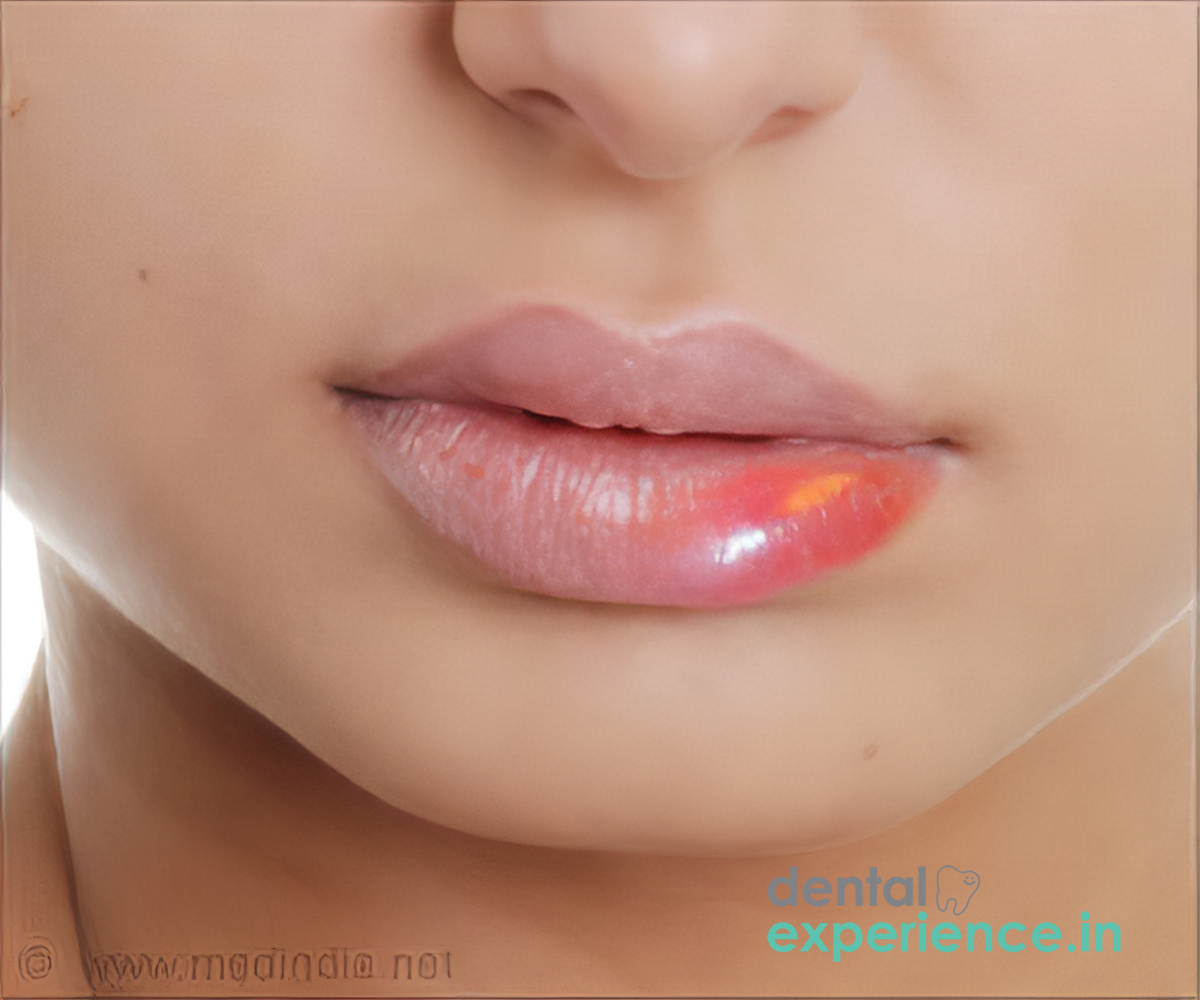
The condition known as "lip swelling" is defined by an accumulation of fluids in the vascularized submucosal tissue of either the upper or lower lip. Due to their unique combination of vascularized connective tissue and highly innervated nerve endings, both the upper and lower lips are particularly susceptible to localized irritation, systemic allergic response, and infection caused by bacteria and viruses. Lip swelling can be acute (angioedema), which involves a localized vascular reaction of the deep dermal layer and subcutaneous fat layers, or chronic (granulomatous cheilitis). Prompt recognition of this swelling allows for early differentiation between acute localized reactions to a transient insult and potentially life threatening systemic responses.
Clinical Definition: Fluid accumulation, inflammation, or vascular distension causing swelling of one or both lips (labial mucosa).
Urgent Indications: Swallowing difficulty, respiratory distress, sudden appearance of facial swelling, spreading redness, high fever, or loss of sensation.
Primary Therapeutic Interventions: Use antihistamines, systemic/topical corticosteroids, cold compression (ice packs), targeted antibiotics, or surgical incision and drainage.
Expected Recovery Time: Simple allergic reactions usually resolve in 24-72 hr., while those resulting from trauma or infections may take 7-14 days.
Visual Changes: The most common visual signs are noticeable asymmetry or symmetry of swelling, redness of skin (erythema), cracks on the surface, or blisters filled with fluids (vesicles).
Tactile and Physical Changes: Common tactile changes include firmness, local warmth, tightness of the labial mucosa, and heightened sensitivity to touch.
Sensory Disturbances: Painful throbbing, intensely itchy sensations (pruritus), burn-like sensations, and numbness (paresthesia) localized to the affected area.
Limitations Due To Function: Speech is often less intelligible, as patients experience difficulty chewing, and also have difficulty creating an adequate oral seal for swallowing.
Specific presentations require immediate attention from Emergency Medical Services (EMS):
Airway Compromise: Swelling in the mouth can cause airway compromise if swelling progresses to the tongue, soft palate or back of the throat causing shortness of breath or stridor.
Rapid Anaphylaxis: Labial edema may be associated with rapid onset of symptoms such as dizziness, widespread hives (urticaria), or significant drops in blood pressure.
Infection Progression: Facial infection progression characterized by spreading facial cellulitis, high grade fever, pus (purulent) discharge, or worsening pain despite use of non-prescription analgesics.
Food Allergy (Anaphylactic Reaction): Reaction caused by a food item that causes an allergic reaction such as dairy products or nuts.
Reaction to Medication: The patient is taking medication which causes a side effect that results in swelling and redness around the mouth. Examples include medications such as ACE inhibitors, NSAIDs, or antibiotics.
Contact Allergies: Products that cause irritation to the skin including cosmetics, toothpaste, or other products used on the face. Dental materials can also be a culprit in causing irritation to the skin.
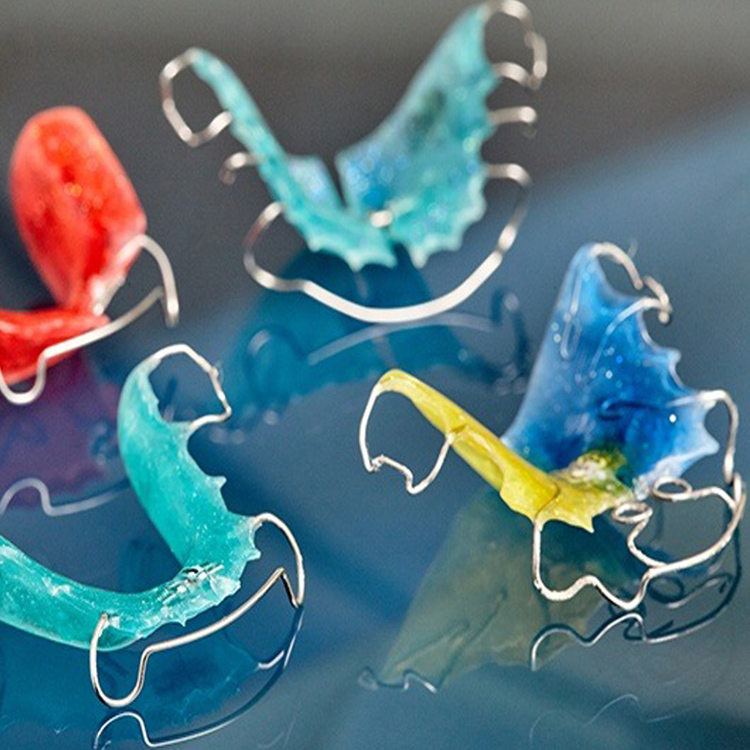
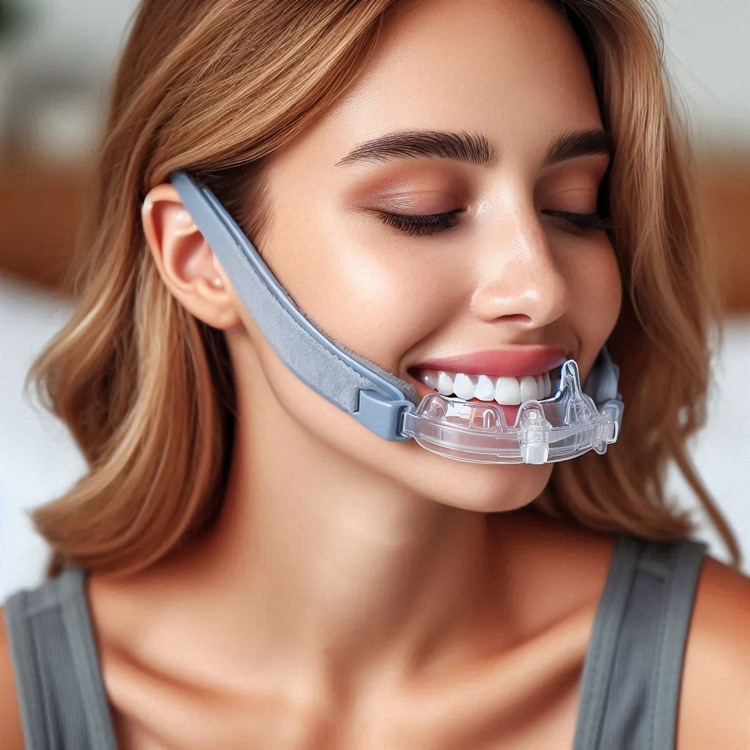
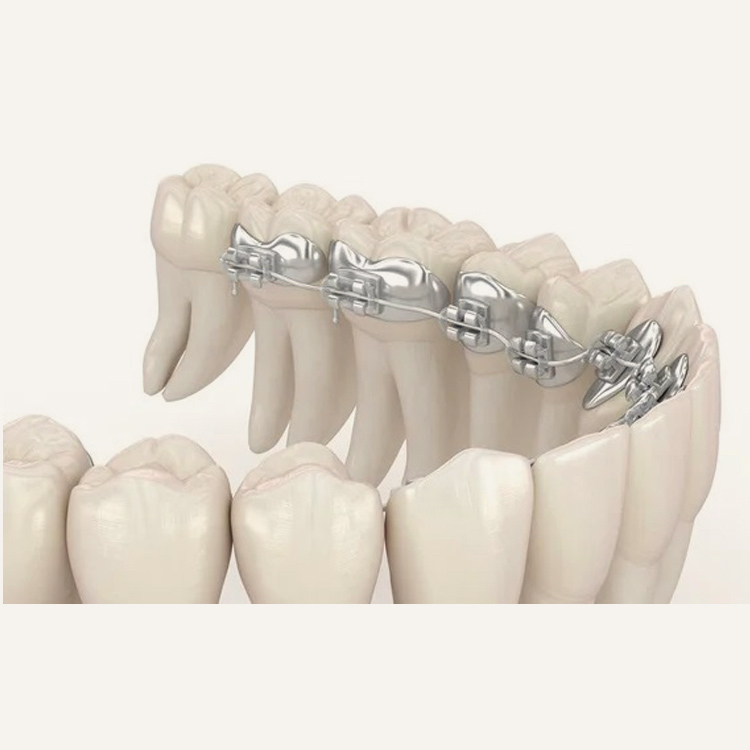
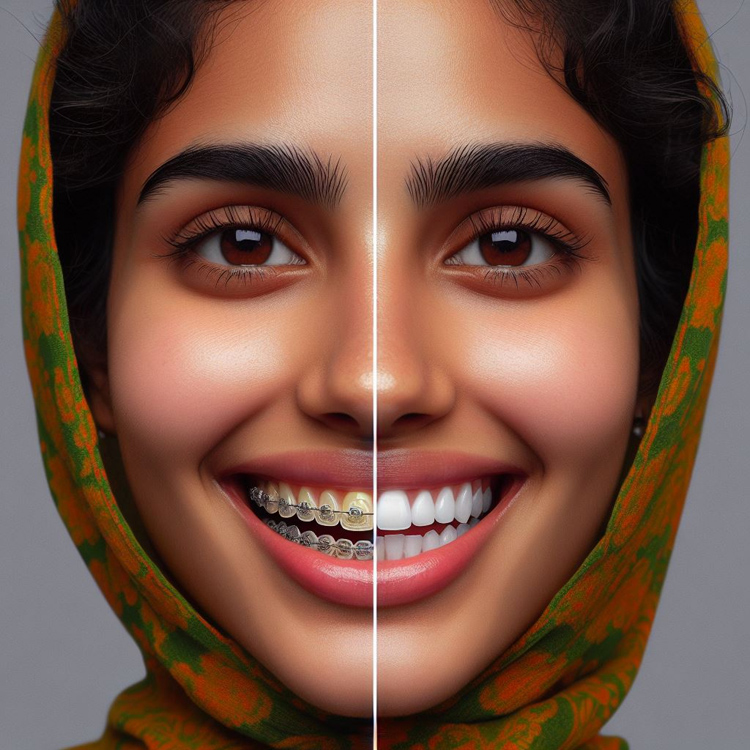
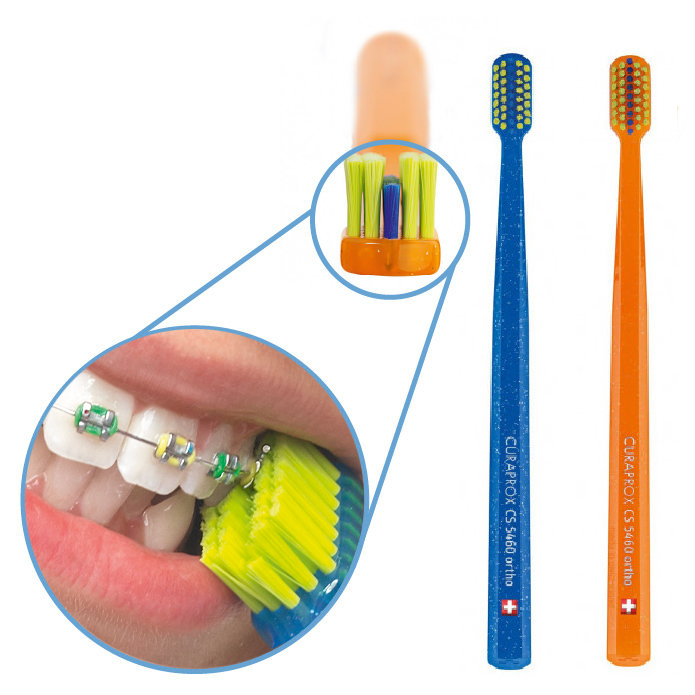
Physical Injury: Injuries to the lips resulting from physical trauma such as when the lip is bitten during an accident or when an athlete is involved in a sporting event and receives a blow to the lip. The lip may become chapped due to improper fit of orthodontic equipment. Burns to the lip are another common injury.
Infectious Etiologies: Viral infections such as cold sores caused by herpes simplex virus type 1 (HSV-1); fungal infections such as oral candidiasis; or bacterial infections such as Staphylococcus aureus cellulitis.
Systemic Disease: Melkersson Rosenthal Syndrome; C1 Esterase Inhibitor Deficiency; Crohn's Disease.
Eating Habits: Consuming large amounts of hot spices and acidic citrus fruits and juices or eating local foods that have high acidity levels such as raw pineapple, fish and shellfish or processed condiments.
Environmental/Behavioral Exposure: Prolonged exposure to extreme weather or UV radiation; excessive licking of the lips leading to irritant contact cheilitis; severe lack of hydration.
Anatomical Function/Dynamics: Poor immune system functioning; sharp or broken teeth; unpolished dental work or prosthetic devices that cause constant rubbing and irritation.
Hereditary Genetic Defects/Predispositions: Family history of hereditary angioedema (C1 esterase inhibitor deficiency) or underlying systemic autoimmune diseases.
Use a mirror and good lighting to do a safe, physical and visual check-up of yourself:
Clean Your Hands: Wash hands with soap and water prior to opening mouth or touching your lips
Visual Check-Up: Look for; unequal swelling, cracks in skin, blisters or changes in skin color under the lights.
Palpate Gently: Use the tip of a clean index finger to gently check intact swollen tissue to see if it is soft or hard, or if fluid is present. Avoid pressing or popping fluid-filled vesicles/blisters to prevent secondary bacterial infection or viral cross-contamination.
Assess Airway Function: Check whether you can breathe freely, speak clearly, and swallow without difficulty or sensation of throat tightness.
A dentist and/or an oral pathologist will use structured clinical evaluation methods to make a diagnosis of labial swelling:
Evaluation by Clinical Methods: Assesses tissue turgor, color, symmetry of swelling, palpation of submandibular lymph nodes.
Radiographic Diagnostic Evaluation: Intraoral radiographs or CBCT to rule out odontogenic infection originating from necrotic teeth, unerupted roots, or embedded foreign objects.
Pulp Vitality Tests: Thermal and electrical pulp testing of adjacent teeth to determine pulp necrosis and identify the primary odontogenic source of labial swelling.
Additional Screening: Allergens (patch testing), blood tests (e.g., C1 Esterase Inhibitor Levels) or punch biopsy of the tissue for continued swelling.
|
Grade |
Level |
Presentation |
Typical Path forward |
|
Grade 1 |
Mild |
Minor swelling, localized dryness, light itching; minimal discomfort. |
Self-limiting; cold compress and topical emollients. |
|
Grade 2 |
Moderate |
Visible enlargement, moderate pain, superficial blistering, localized trauma. |
Professional evaluation, topical/oral antihistamines, or antibiotics. |
|
Grade 3 |
Severe |
Massive swelling, severe pain, purulent discharge, facial extension. |
Urgent intervention, incision and drainage, targeted antibiotic therapy, and prescription anti-inflammatory management. |
|
Grade 4 |
Critical |
Acute airway involvement, systemic anaphylaxis, rapid facial cellulitis. |
Emergency hospital admission, intramuscular epinephrine, IV fluids. |
Pharmacotherapy: H1-receptor antihistamines and short-course oral corticosteroids (e.g., prednisolone) for acute allergic angioedema or severe inflammation; targeted systemic antibiotics for bacterial cellulitis/abscesses; and oral antiviral therapy (acyclovir/valacyclovir) for herpes simplex outbreaks.
Surgical/Mechanical Measures: Incision and drainage of localized labial abscesses with precision incisions; smooth dental cusps that cause irritation; orthodontic bracket adjustment to remove sources of irritation.
Therapy/Lesion Repair: Low level laser therapy (LLLT) to increase rate of tissue repair; bio compatible barrier cream to maintain skin integrity by reducing water loss from the lesion site.
Primary General Consultation & Primary Diagnosis: Range from ₹300 to ₹800 in clinics throughout Kerala, India.
Consultations with Specialists (Dentists/Otolaryngologists): Range from ₹700 to ₹1,500.
X-Rays & Laboratory Tests: Ranges from ₹500 to ₹2500 per patient depending on the number and type of tests ordered (CBC, Allergens Panel etc.) or need for a CT scan (CBCT).
Drainage/Surgical procedures: Ranges from ₹2500 to ₹7500 depending on how complex the procedure is and where your doctor is located.
Insurance coverage is available through most major medical plans and some local programs but is usually limited to when an emergency room visit occurs.
General Dental Practitioner: Local treatment for traumatic injury, initial assessment of the cause of the swelling, and routine application of general infection control.
Oral Medicine/Radiology Specialist: Diagnosing complex mucosal lesions, chronic granulomatous diseases, and systemic manifestations in the mouth/oral cavity.
Maxillofacial Surgeon/General Oral Surgeon: Surgical incision/drainage/debridement of infections in deep spaces of the face, taking a biopsy of the lower lip if necessary.
Allergist/Dermatologist: Treatment for long-term recurrent allergic angioedema and management of contact cheilitis.
Immediate Care (0–2 hours): Immediate help is needed when swelling causes breathing problems, facial pain/tightening, or occurs immediately after eating/drinking something or after you take a medicine.
Same-Day Visits (within 12 hours): Severe toothache pain, an open abscess on the skin, or facial injuries due to trauma.
Elective (24–48 hours): Mild swelling caused by accidentally biting your lip, mild sore(s) around your mouth caused by a cold sore (lesion), and mild surface irritation that develops slowly.
What causes lip swelling to occur all of a sudden one night?
There are many reasons for lip swelling to develop over-night, most commonly as a localized reaction to something you came into contact with (or ate before sleeping), such as bedding, oral care products, etc., and/or possible unconscious lip biting and/or pressure, and/or possibly an initial outbreak of a cold sore.
Can an infected tooth cause lip swelling?
Yes, if you have a severe infection within an upper or lower incisor or canine tooth, it may extend through the bone and into the soft tissue of the lips creating significant lip swelling.
How do I reduce lip swelling rapidly at home?
You should apply a cold compress wrapped in a clean towel/rag for 10-15 min at a time the first 24 hours. Rest with your head elevated on multiple pillows. Do not touch or squeeze this swollen area. Avoid consuming spicy or extremely hot foods.
The swelling of the labial tissue represents a significant diagnostic clue to determine whether there is local dental disruption or whether an individual is experiencing a more generalized body reaction. An accurate diagnosis will be made after distinguishing self-limited injury caused by mechanical force from hypersensitive conditions or from spreading odontogenic infections. Patients should refrain from self-medication using unproven topical medications or from "popping" their own fluid filled vesicles because these actions may result in introducing secondarily infected bacteria into deeper fascial compartments.





.jpg)
.jpg)
.jpg)
.jpg)
.jpg)
.jpg)
.jpg)
.jpg)
.jpg)
.jpg)
.jpg)
.jpg)