Bruxism, or "teeth grinding," is a disorder that is identified by excessive, uncontrolled clenching, grinding or gnashing of the teeth. Bruxism is categorized into two primary types based on the time of day they occur — either while awake or during periods of sleep. The continuous pressure from these actions will cause damage to both the enamel matrix, which is the hard, external protective coating of the tooth and expose the softer internal layer called the dentin. If left untreated, continued wear and tear could result in damage to the supporting structures for your teeth (periodontal ligaments) and strain your temporomandibular joint (TMJ).
Clinical Definition: Bruxism is defined as a repetitive jaw-muscle activity characterized by the clenching or grinding of teeth and/or the bracing or thrusting of the mandible.
Red Flag Indicators: Sudden radiating pain, acute tooth sensitivity, and audible TMJ clicking or locking serve as immediate red flag indicators, whereas flattening of the enamel develops gradually over time.
Common Recovery Options: A custom occlusal splint (also known as a night guard), restorative procedures to reshape or repair damaged crowns, botulinum toxin injections into the masseter muscle, changing daily habits.
Most people with bruxism do not know they grind their teeth until they see the physical evidence of it; however, some symptoms may include:
Flattened Or Chipped Cusps: The shape of the teeth becomes distorted and therefore can appear dull, flat or have sharp edges.
Thermal Sensitivity: When someone eats ice cream for example, or has hot coffee, they will feel sudden pain in the teeth because the dentin is exposed.
Morning Craniofacial Pain: A dull headache that originates in the temple area or there is stiffness of the masseter muscle.
Tongue Indentations & Cheek Ridges: There is scalloping of the sides of the tongue as well as a white ridge on the inside of the cheeks (linea alba).
Audible Grinding: The person's partner hears the clunking/grinding sound while they sleep.
If you develop one of the below conditions you should seek immediate dental treatment:
Trismus (Locked Jaw): If your jaw cannot be opened or closed normally because of inflammation of the TMJ or a displaced disk in your TMJ.
Exposed Pulp Chamber: Wear down all of your enamel to expose the pulp chamber in one or several teeth which usually feels like a throb after eating something sweet or sour.
Permanent Tooth Mobility: Your permanent teeth feel loose even though you do not have gum disease; this could mean you experienced traumatic stress from biting into something hard.
Radiating Ear Pain: It hurts in your ear but you do not have an ear infection; this is probably due to pain being transmitted from your TMJ to your ear.
The causes of Bruxism are related to an interaction between the individual's physical environment, their emotional state and their neurological responses. These include:
CNS Arousal: Micro-arousals during the sleep cycle trigger rhythmic masticatory muscle activity through central nervous system pathways, resulting in involuntary contractions of the chewing muscles.
Stress & Anxiety: Elevated levels of Cortisol due to high levels of stress at work or competing academically, leads to unconscious day-time clenching of the jaws.
Malocclusion: The mis-alignment of the teeth or poor fit of dental fillings will result in the brain finding a comfortable bite by reflexively grinding.
Respiratory Obstruction: Air-way obstruction conditions such as obstructive sleep apnoea (OSA) will result in involuntary forward movement of the lower jaw to allow opening of the upper air-ways, resulting in grinding of the teeth.
There are several common habits/health risks that put individuals at risk for developing bruxism:
Highly Stressful Lifestyles: Individuals working in fast-paced corporate or academic environments have a significant increase in developing bruxism.
Dietary Stimulants: Consuming large amounts of caffeine, tobacco, or alcohol contributes to increased sleep fragmentation and heightened muscle activity.
Consumption Of Hard/Chewy Foods: Regularly consuming tough foods found locally (un-refined jaggery candies, tough meats, raw coconut slices, etc.) will contribute to hypertrophy of the jaw muscles when consumed on a daily basis along with bruxism.
Medication Side Effects: SSRIs (Selective Serotonin Reuptake Inhibitors) may cause secondary sleep bruxism as a neurologic side effect.
In a mirror, do this easy, non-intrusive self-test:
Visual Cusp Evaluation: Visualize your front and rear bottom teeth, and assess whether these are flat and even or if yellow brown dentin is visible underneath the top layer of white enamel.
Palpation Test: Touch the side of your jaw with your fingertips at the point just below where you can see the earlobe, bite down firmly and evaluate how big the muscle feels, noting if it is very sore or bulging.
Range Of Motion Assessment (TMJ): Can you open your mouth so that you can fit 3 vertical fingers into the space created by opening your mouth between your upper and lower front teeth? Do you have sharp pain or hear a "pop" when moving your jaws?
Tongue Test: Stick out your tongue and observe if there are wavy lines along each side indicating pressure against the area in which your lower front teeth meet the upper front teeth.
The dental diagnosis process is based upon a multi-staged clinical examination process:
Occlusal Analysis (Bite Analysis): Dentists use articulating papers or Digital computerized analysis to map areas of uneven biting and abnormal wear patterns.
Digital Radiography: X-ray imaging using intra-oral X-rays and Cone Beam Computed Tomography (CBCT) to visualize bony changes around the temporomandibular joint, while soft tissue relationships are assessed using advanced imaging.
Palpation/Manual Muscle Testing & TMJ Joint Sound Tests: The physician will manually palpate for tenderness in the masseter, temporalis and lateral pterygoid muscles of the face.
PSG/Sleep Study: A polysomnogram (PSG), a sleep study done during one night, records EMG activity in the facial muscles used to chew while measuring oxygen saturation.
|
Severity Level |
Clinical Features |
Structural Damage |
Recommended Pathway |
|
Mild (Grade 1) |
Occasional sound, minimal morning jaw tightness. |
Superficial enamel wear; no dentin exposure. |
Preventive monitoring, stress reduction, basic soft night guard. |
|
Moderate (Grade 2) |
Daily soreness, frequent headaches, mild joint clicking. |
Dentin exposure, noticeable micro-cracks, chipped edges. |
Custom hard occlusal splint, composite bonding, and restorative monitoring. |
|
Severe (Grade 3) |
Chronic pain, trismus, visible tooth shortening. |
Extensively eroded enamel, exposed pulp, mobile or fractured teeth. |
Full-mouth rehabilitation, crowns, Endodontic therapy, Botox injections. |
Present day dental treatments have a focus of stabilizing the temporomandibular joints while preserving as much tooth structure as possible:
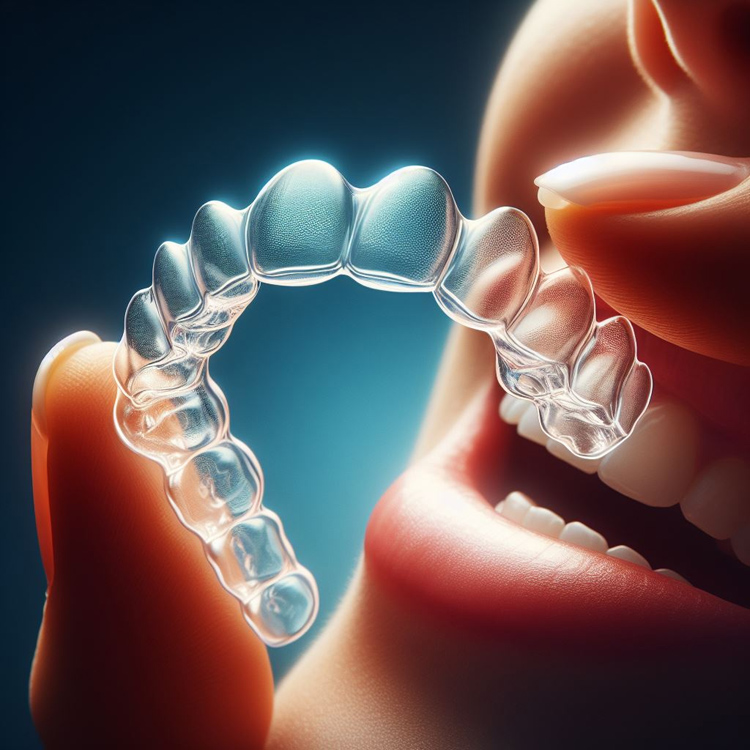
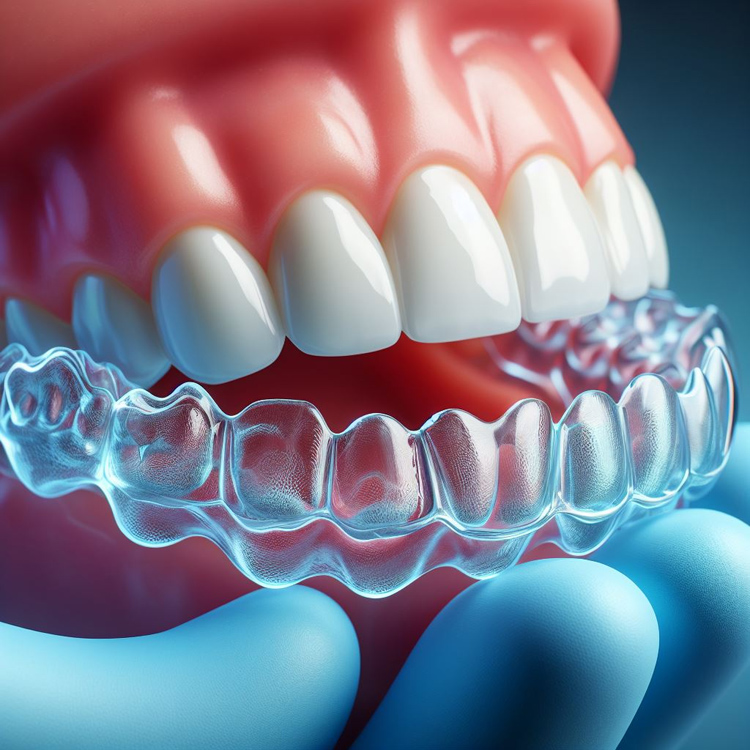
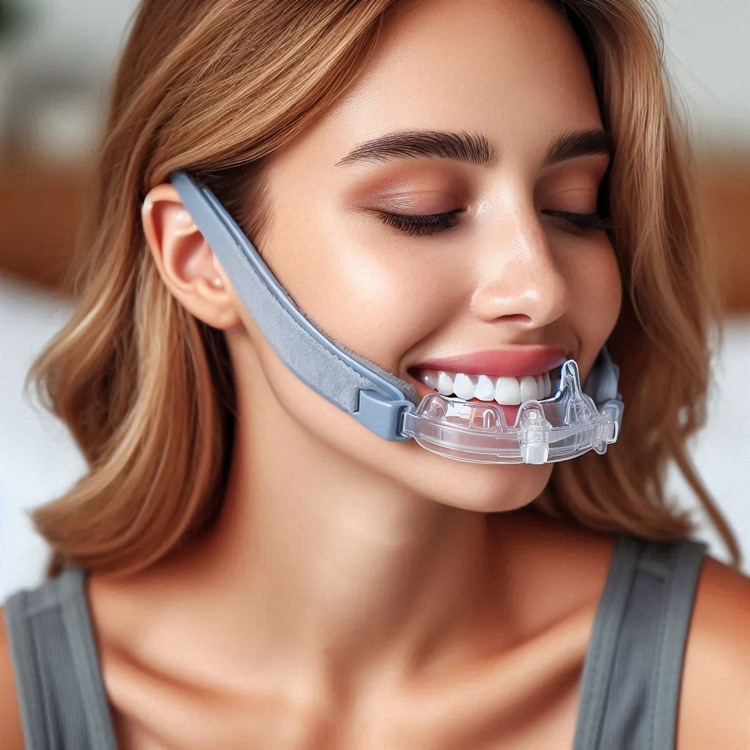
Customized Occlusal Splints (Night Guards): These night guards can be produced from high precision hard vacuum formed or 3-D printed acrylic. The night guard protects your teeth by redistributing your masticatory forces during sleep time.
Resin Composite & Ceramic Restorations: Your enamel will be restored to its former state through either a resin composite restoration that mimics nature or with a ceramic crown made of zirconia to add back your lost vertical facial height.
Masseter Botulinum Toxin Injections: The hyperactive masseter muscles responsible for producing excessive bruxing force are targeted through micro-injections of botulinum toxin, which reduce excessive bite force while preserving overall masticatory function.
Physiotherapy & Biofeedback: Jaw exercises along with heat therapy and electronic biofeedback devices help you learn how to relax your jaw muscles during awake times.
Kerala has varying costs associated with all of these treatment options due to differences in materials, clinic equipment and specialists involved:
|
Procedure |
Average Out-of-Pocket Range (INR) |
|
Custom Night Guard / Splint |
₹2,500 to ₹7,500 |
|
Composite Tooth Restoration |
₹1,200 to ₹3,500 per tooth |
|
Zirconia / Porcelain Crown |
₹6,000 to ₹18,000 per unit |
|
Botulinum Toxin Therapy for Bruxism |
₹12,000 to ₹25,000 per session |
Health insurance plans usually do not provide reimbursement for custom night guards unless they were prescribed after a traumatic event or if they are part of a comprehensive reconstruction of the mandible. Many patients choose private dental plans or an EMI plan offered at their local clinic when restoring a full mouth.
Dental General Practitioner: First evaluation of tooth wear, minor construction of a nightguard, minor restoration with composite.
Prosthodontist: Needed in all cases where there is some level of serious tooth wear and which require a complete mouth reconstruction, complicated bridge designs and crown construction.
Endodontist: Necessary in all cases where the tooth wear has reached the point that it requires an endodontic treatment prior to building up the structure of the tooth.
Orthognathic/Oral & Maxillofacial Surgery/TMJ Specialist: Will be consulted on those cases involving; severe joint dislocation of the discs in the joint, chronic trismus, or surgical TMJ intervention.
Emergency (Within 2-4 Hours): An immediate emergency case would include a patient who has experienced severe acute jaw lock (either open or shut) due to the teeth being severely worn down and/or fractured and causing severe throbbing pain. This includes patients who have had their lips/tongue cut by sharp edges of fractured teeth.
Urgent (Within 24-48 Hours): A case which involves sudden extreme sensitivity to both hot and cold liquids, indicating that dentin is exposed or the pulp of the tooth is involved.
Elective (Scheduled Within One To Two Weeks): Patients experiencing chronic morning stiffness of the jaws, slight flatness of the enamel surfaces and/or wanting routine preventive nightguards.
Are soft sports mouthguards suitable for protecting against nighttime teeth grinding?
No. Soft sports mouth guards are designed as an impact absorbing material in order to provide protection against trauma to the face or mouth. If used while sleeping they may stimulate the brain’s chewing response and thus cause additional grinding, along with increased muscle fatigue.
Can I cure my teeth grinding through stress reduction alone?
Stress reduction will generally help to decrease daytime clenching and some degree of sleep arousal, however chronic sleep bruxism has become a well-developed neurological motor habit. Therefore, a protective splint, along with stress reduction, will be required to stop the continued wearing down of your teeth.
Is tooth damage from bruxism irreversible?
The enamel of your teeth does not grow back if it is worn away. However, today’s advanced restorative dentistry allows for complete rebuilding of lost structural areas, restoration of your natural bite height, and protection of your teeth using non-toxic and bio-compatible tooth colored materials.
Bruxism management should be aimed at converting the treatment emphasis from addressing short-term damage to the teeth to providing long-term protection of neuromuscular well-being. If left untreated, bruxism will damage your natural enamel and break costly dental restorations such as crowns and implants. The best method to protect against degeneration of both your joints and your teeth is through early detection by means of an occlusal analysis, and a custom-made hard splint. In addition, patient education in maintaining daytime awareness of their jaw position (i.e., "teeth apart; lips together") and reducing their own stress levels, along with regular appointments with their dentist, are essential components of long-term care.


.jpg)
.jpg)
.jpg)
.jpg)
.jpg)
.jpg)
.jpg)
.jpg)
.jpg)
.jpg)
.jpg)
.jpg)