Thumb-sucking is a normal reflex that helps babies relax. But by age five, if the baby continues to suck their thumb, then they will be causing problems for their mouth. The constant sucking causes two forces in the mouth. First, there is a constricting inward pressure exerted by the cheek muscles (the buccinator). Second, there is a displacing outward pressure caused by the position of the digit. These combined forces are powerful enough to destabilize the alveolus—the spongelike bone surrounding the roots of both your primary and permanent teeth. Instability in this area creates many different types of dental deformities including an anterior open bite (front teeth don't meet), a high vaulted palate, and crossbite.
Clinical Definition: Digit sucking of non-nutritive type alters growth of upper jaw (maxilla) and lower jaw (mandible).
Emergency Signs / Indicators: An "open bite" condition where the front teeth don't come together, a lisp due to poor positioning of the tongue while speaking, a tongue thrust into the mouth while swallowing or eating, or any signs of skin irritation on the thumb.
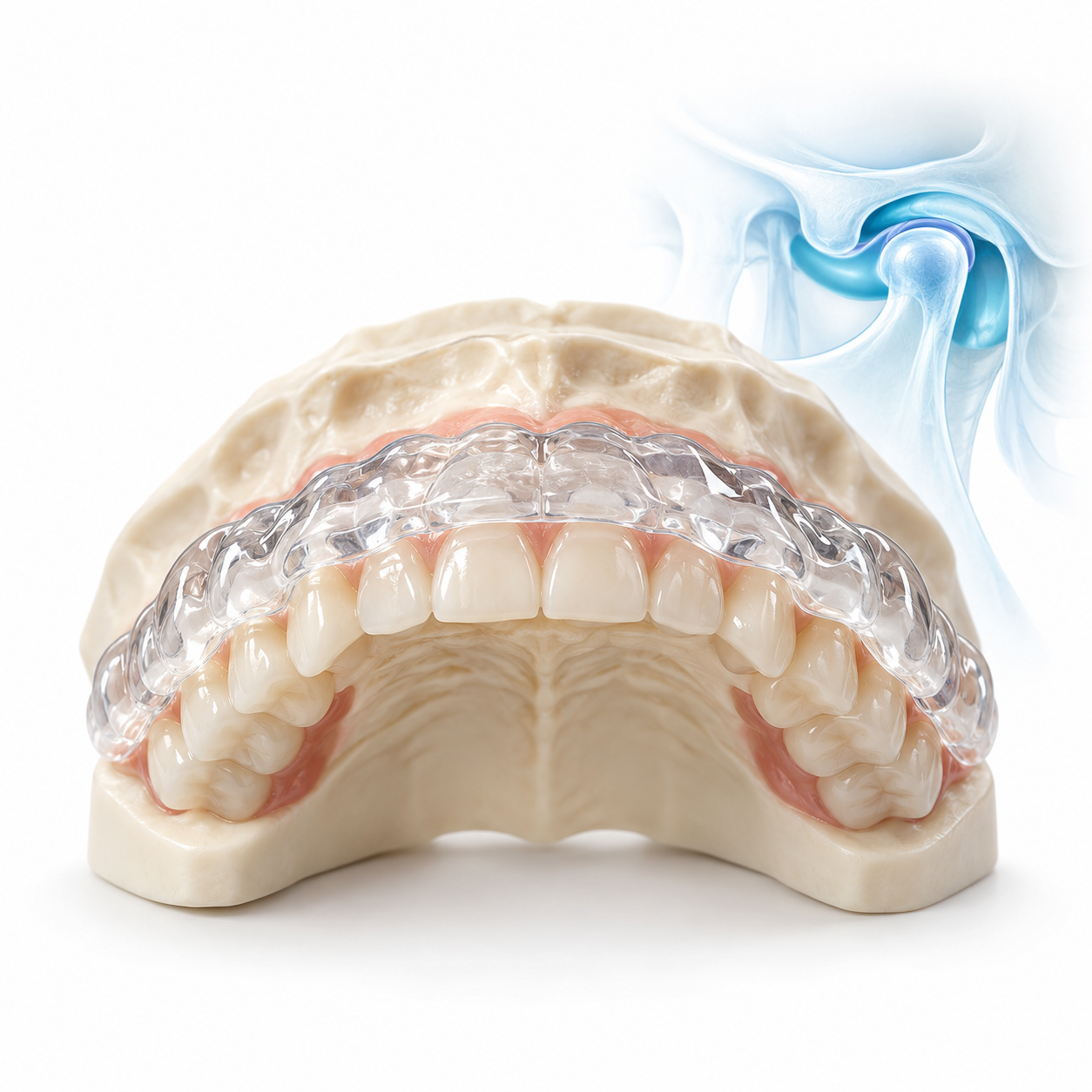
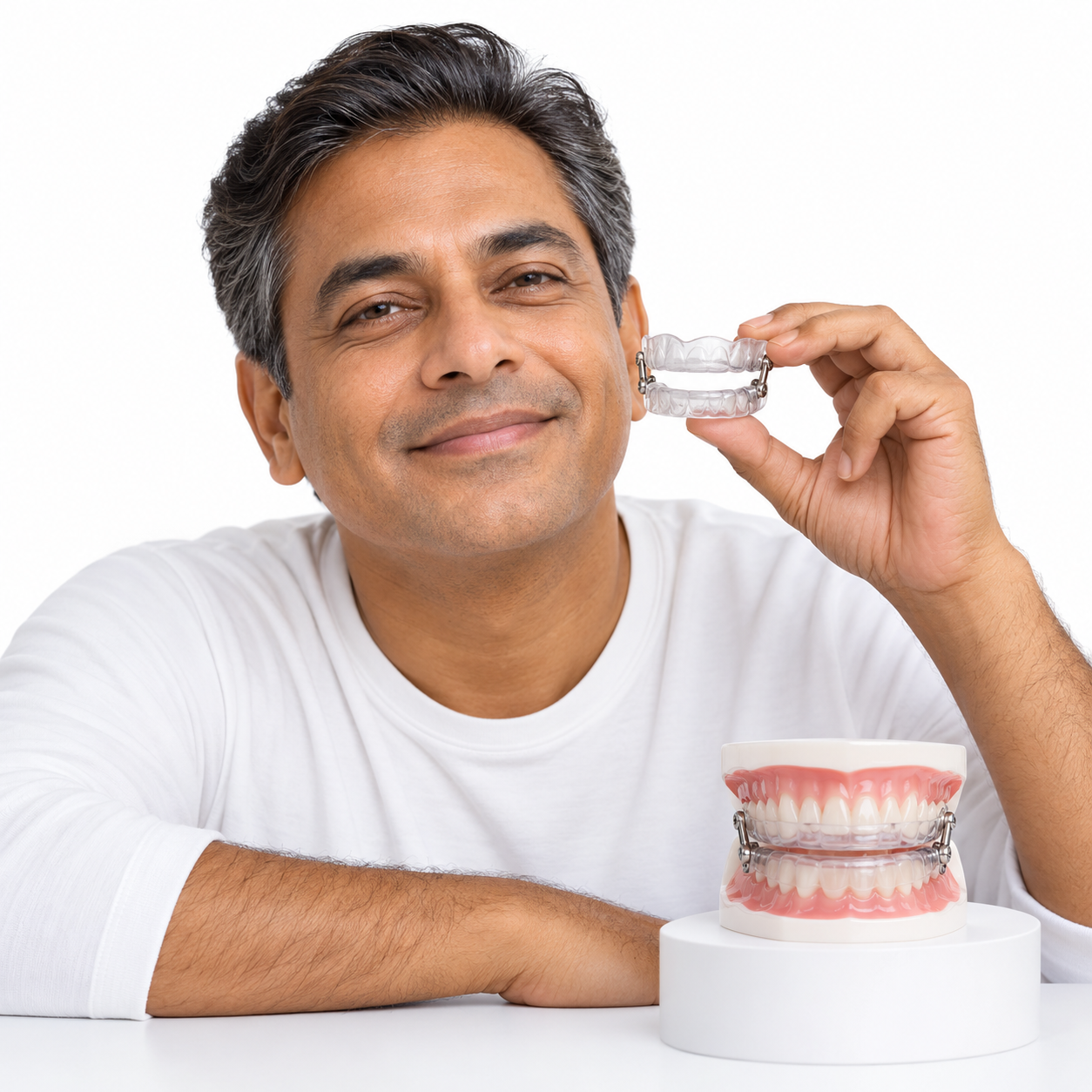
Solutions: Habit-breaking appliances (habit cribs/palatal arches) or positive reinforcement methods. Early treatment of malocclusions through interceptive orthodontic techniques.
Gap in the Front Teeth: There is a visual gap between the top and bottom front teeth.
Upper Teeth Protrusion: The upper front teeth are angled towards the lip (the teeth may be proclined).
High-Arch Palate: A V-shaped, narrow upper jaw, which occurs as a result of negative intraoral pressure during extended periods of pacifier use.
Impaired Speech: Children who have used pacifiers for long periods of time may experience difficulty articulating words such as s, z, sh, ch, and j because their tongues were positioned differently than they would normally be.
Digit Callus or Skin Fissuring: A hardened patch of skin or minor split on the tip of the thumb or finger from frequent friction.
If your child has any of the following symptoms, seek an appointment immediately with a pediatric dentist:
Severe Skeletal Alignment: Upper front teeth stick out beyond the bottom lip; buck teeth.
Mouth Breathing: Your child cannot keep his/her lips closed while resting; this will cause him/her to breathe through their mouth, resulting in dry mouth and increased potential for cavities.
Thumb Skin Problems: Prolonged suction creates a continuous moist environment around the thumb area. This leads to skin fissures that bleed easily and fungal infections around the cuticle of the thumb.
Emotional Stress: Socially conscious school-age children who are being teased about their habits.
Infant Reflex Continuation: Sucking continues as an immature reflex pattern after the child has developed mature swallowing mechanisms.
Stress & Anxiety: Sucking serves as a neuromuscular coping strategy for individuals experiencing stress and/or anxiety related to transitions in their lives, academic pressure at school, or chronic fatigue.
Sleep Cue & Boredom: A sleep cue or boredom can cause involuntary sucking behavior while watching television (passive) or falling asleep.
Age & Duration: Age > 4–5 years old. During this time, permanent incisors are developing; children tend to continue using an immature sucking pattern beyond age four/five.
Force & Frequency: Forceful sucking movements produce greater speed in tooth movement than rest with fingers/palm digits.
Dietary Changes: Frequent ingestion of soft, sticky, regional foods—such as payasam made with jaggery sugar or kanji (rice porridge)—can create pools of food that collect on and against poorly aligned, overcrowded teeth, increasing risk for dental caries.
Check your child's bite safely in your home:
Mirror Check: Have your child gently bite their back teeth together and then smile big. Evaluate the vertical overlap of the front teeth.
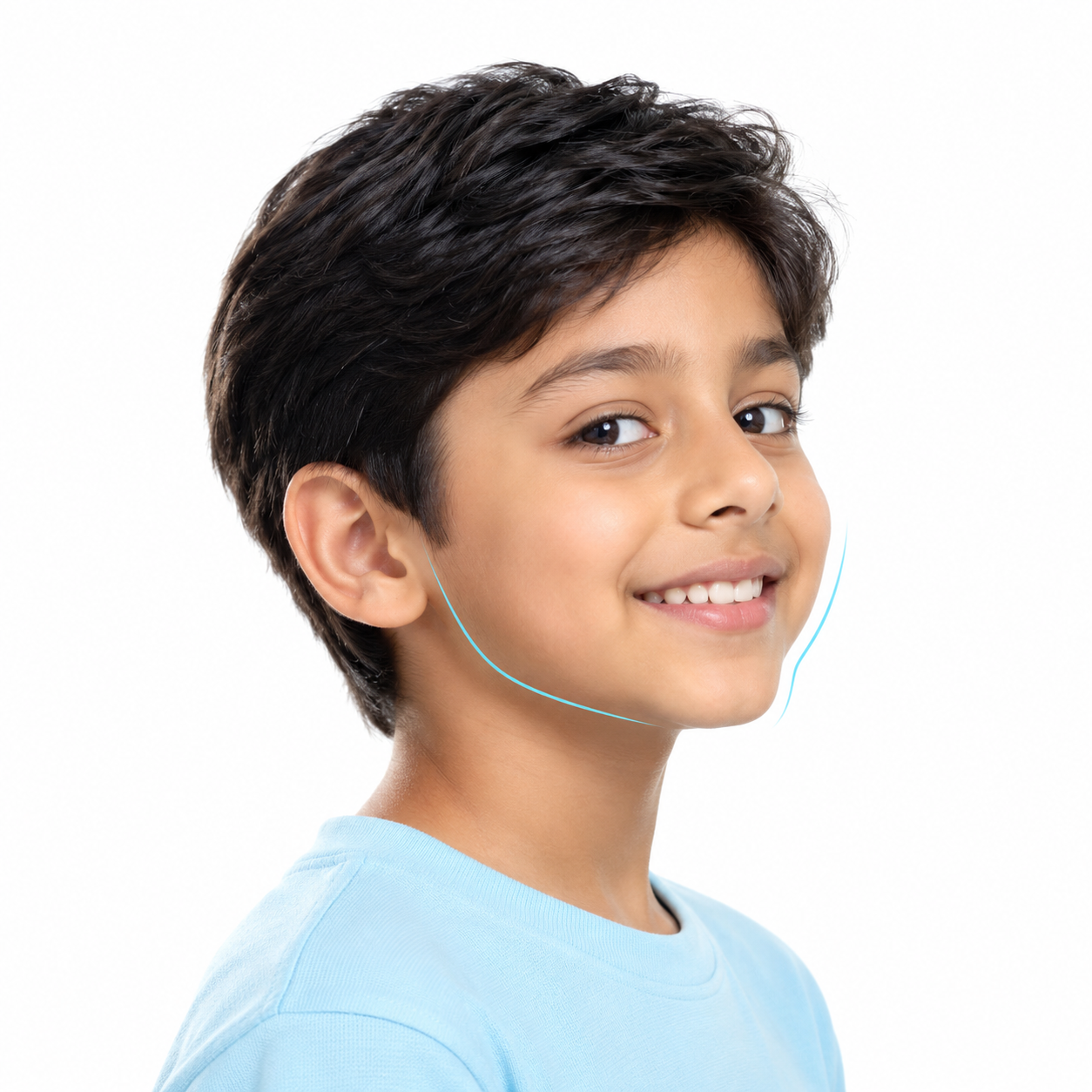
Profile Check: Check your child's profile when they are relaxed. Evaluate whether there is an excessive forward protrusion of the upper lip.
Thumb-Sucking Digit Check: Check the digit that is used most often by evaluating for chapped skin, calluses, or flat nails.
Pediatric dentists use a complete assessment of all relevant factors to diagnose thumb-sucking including clinical protocols:
Visual Examination (Extraoral & Intraoral): Evaluating facial symmetry, lip seal, and palatal vault depth.
Radiographic Evaluation (Digital Low-Dose Panoramic Orthopantomogram): Checking the permanent tooth bud position underneath the developing teeth and the shape of the jawbone.
Evaluation of Speech & Swallowing Habits: Determination of secondary tongue-thrust and infantile visceral swallowing patterns.
|
Level |
Clinical Features |
Structural Impact |
|
Mild |
Passive digit resting; habit stops before age 4. |
Temporary displacement of primary teeth; self-corrects spontaneously. |
|
Moderate |
Active sucking up to age 5–6; minor anterior gap. |
Dental open bite; minor outward tilting of upper incisors. |
|
Severe |
Intensely active sucking past age 6; flared teeth, narrow palate. |
Skeletal open bite, posterior crossbite, speech impairment, requiring appliances. |
Correction combines mechanical intervention with behavioral modification:
Behavioral Counseling and Therapy (Reward Charts, Positive Reinforcement, etc.): The use of positive reinforcement, reward charts, and other methods to encourage children to stop using their thumbs. Also, there are various tools that can be used to physically remind them not to suck their thumbs, including but not limited to thumb guards, soft-fabric wraps, or non-toxic bitter-tasting varnishes.
Fixed Palatal Habit Appliances:
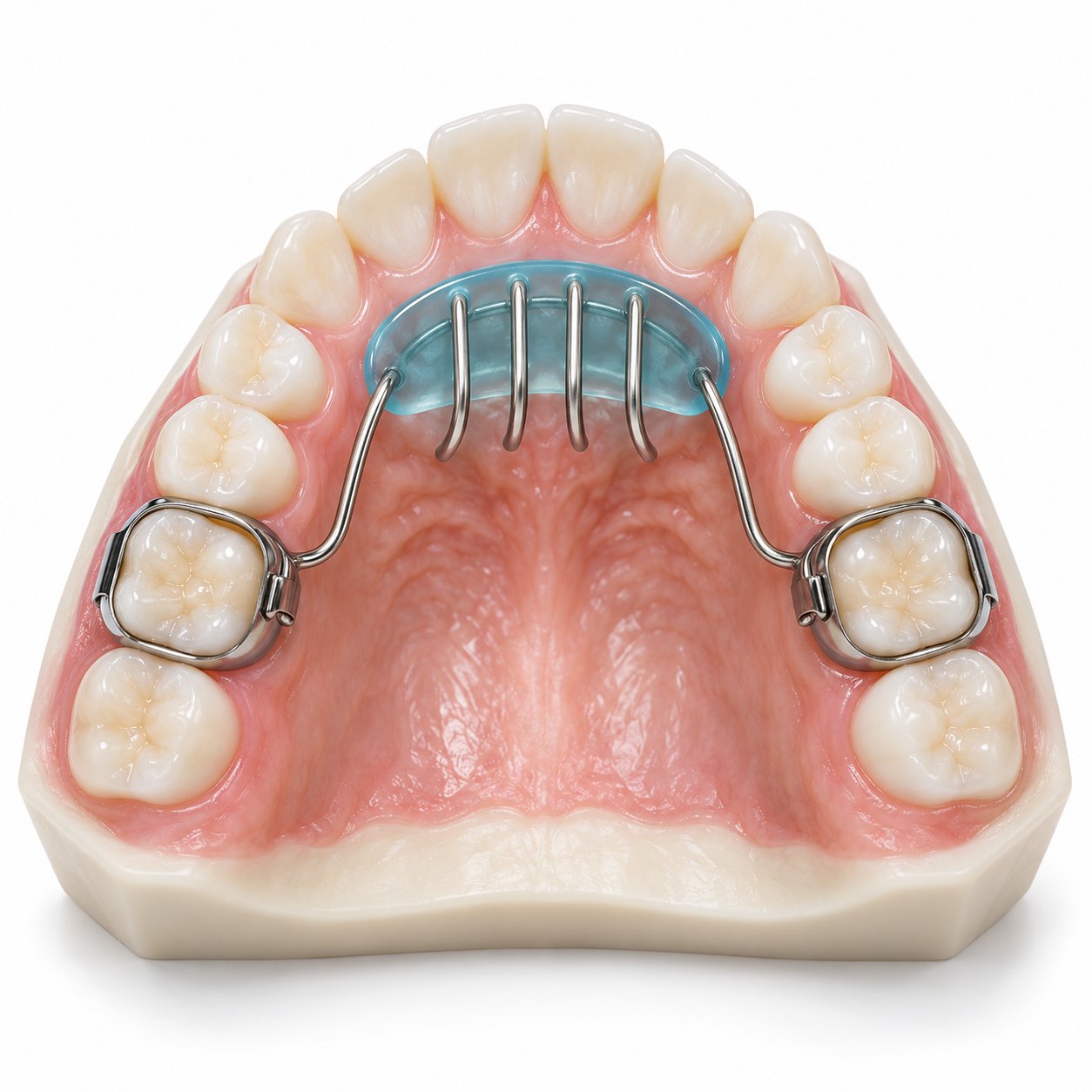
Nance Appliance / Palatal Crib: Stainless steel wire framework cemented into place on the upper molars. Acts as a physical barrier in the way that it prevents the child from sucking on his/her fingers due to the fact that it creates a barrier that is not pleasant. This appliance provides immediate relief for parents who have exhausted all avenues in an attempt to prevent their child from sucking their finger(s).
Hay Rake Appliance: Features small rounded prongs which will discourage your child from placing their digits into their mouth.
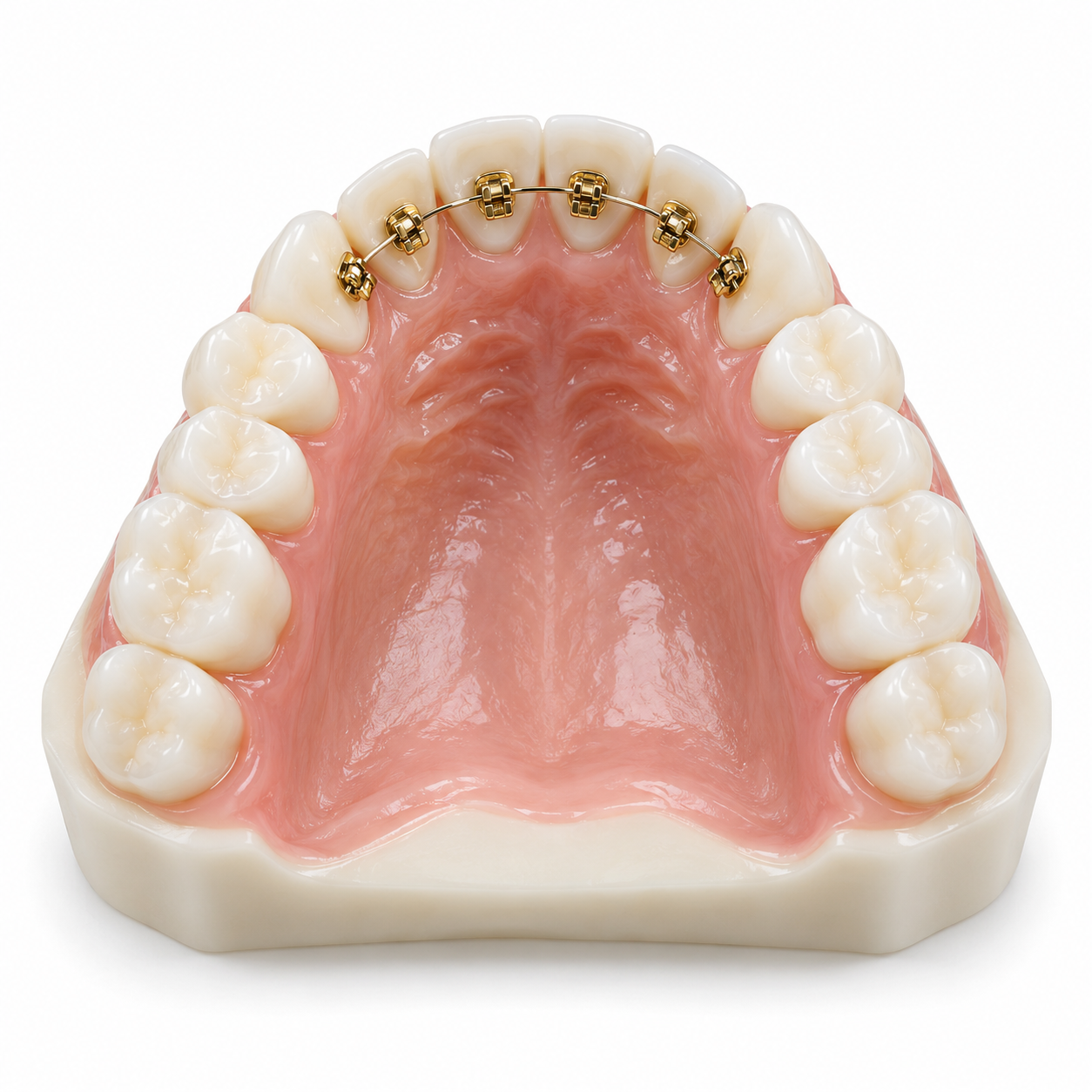
Orthodontic Interventions: Once the habit has been broken, orthodontic expanders (rapid palatal expanders) may be necessary to create space in the narrow upper arch created by the sucking motion.
The costs associated with breaking a habit vary based on how difficult it is to break and what type of materials you need to buy. Here are some approximate prices of the different types of therapy provided in many dental clinics throughout Kerala, India:
Consultation and Counseling: ₹500 to ₹1,200
Thumb Guard / Appliances: ₹2,500 to ₹5,000
Habit-Breaking Appliances (Palatal Crib / Arch): ₹6,000 to ₹15,000
Palatal Expander (Crossbite Correction): ₹12,000 to ₹25,000
Pediatric Dentist / Pedodontist: Expertise includes child psychology and habit interruption.
Orthodontic Specialist: Should be seen by orthodontics if there are any permanent structural jaw issues with long-term sucking habits, or if there will be a need for either expansion appliances or braces.
Speech Therapist: Speech therapist should be consulted if, after stopping the habit, the child continues to display any type of "tongue-thrust" or "lisp."
Preventative Routine (Ages 2–4): Follow up on the sucking habit at each of your scheduled six-month follow-ups.
High Priority (Age 4–5): Schedule an appointment within 1 to 2 months if the child still actively sucks their fingers/thumbs. At this age, the first permanent teeth begin to erupt.
Emergency (Any Age): Seek immediate care (within 24–48 hours) if the finger/thumb skin is cracked, bleeding, or infected, or if a front primary tooth begins to loosen due to trauma.
Is there a way to know how long my child can continue to suck their thumb before they develop an open bite? Will that just go away once they stop?
The constant pressure from thumb-sucking moves the top teeth (upper) outward and downward into the lower teeth, which creates an open bite. The good news is that if your child quits thumb-sucking at some point before age four or five, the majority of the time the open bite will correct itself when the permanent teeth come in. However, if your child continues to suck their thumb after age six, most likely orthodontic treatment with appliances will be needed to move the jaw.
I have been trying to help my child quit thumb-sucking, but all we seem to do is fight about it. How do you tell a five-year-old to give up something that gives them comfort?
Reward success rather than punishing failure. Use reward charts, small rewards, and remind gently while your child is sleeping. When this fails, contact a pediatric dentist who has experience working with young children to provide information on what type of orthodontic appliance could be used to break the habit.
What would be the best type of appliance to use to help me break my six-year-old son's thumb-sucking habit?
A fixed palatal crib that is attached to his upper molar area with cement is the best habit-breaking appliance available. This appliance is unobtrusive; does not cause any discomfort; can't be removed by your child; and will break the habit within three to six months.
To allow normal growth of the face (craniomandibular), it is important that children are helped to eliminate non-nutritional sucking by the time their first set of "permanent" front teeth emerge. Early detection will prevent much more complicated orthodontic or orthopedic surgery at some point in life. The parents should work together with a pediatric dentist who specializes in treating young children to determine what type of gentle habit-breaking method would be best suited for their child's mental and physical age. Preventive visits every six months will help monitor for sucking habits before the harm they cause can become irreversible.


.jpg)
.jpg)
.jpg)
.jpg)
.jpg)
.jpg)
.jpg)
.jpg)
.jpg)
.jpg)
.jpg)
.jpg)
This site is part of the DEC Dental Network — a Dental Equity & Connectivity ecosystem of clinical, educational, and patient-support brands operated by Team Dental Pvt. Ltd. Our network works as one — guiding you from your first search to your final smile.
© 2026 Team Dental Pvt. Ltd. · Founded 2013, Angamaly, Kochi, Kerala
About DEC Dental