
When the maxillary and mandibular teeth don't fit together properly for either chewing or at-rest positions this is termed an uneven bite, or malocclusion / occlusal interference. The functional dentistry model views the teeth, temporomandibular joints (TMJs) and masticatory musculature (chewing musculature) as part of a single unitary dynamic system that works in concert. Malalignment of the enamel surfaces causes disproportionate distributions of the occlusal force. Therefore, the mechanical unbalance places individual teeth under greater than normal lateral forces, which irritates the periodontal ligament (vascular tissue attaching the tooth roots to the alveolar bone) and can cause TMJ dysfunction due to chronic strain, muscle fatigue, or increased rate of dental wear.
Clinical Definition: Incorrectly aligned upper and lower arches leading to improperly distributed occlusal forces.
Red Flag Indicators: Acute inability to shut your mouth, sudden onset of severe sharp pain from biting on food or chewing gum, clearly observable cracks in enamel surface(s), or jaw locking (trismus).
Common Recovery Options: Adjusting occlusion (equilibrium), clear aligner therapy, traditional orthodontic braces, night guard therapy, or crown/overlay restoration.
Asymmetric Tooth Contact: When you feel like you bite on one side of your mouth before the other when closing your jaws.
Localized Sensitivity: Teeth can be sore, sensitive, or even give you sharp pains while eating hard foods.
TMJ Clicking: The joint (TMJ) can make clicking noises; pop; or crepitate (grate). This is usually noticed while moving your jaw.
Masticatory Muscle Fatigue: You will experience dull aching in your cheeks, temples, or jaw angles and this may occur early in the morning.
Surface Changes Of Your Teeth: Cusps can become flattened; the enamel around the edge of your teeth can wear off or develop small cracks known as abfractions. These are located at the gum line.
Headaches: An intermittent headache caused by tension type discomfort, which originates from the temporal muscles and travels down to your neck and/or shoulders.
Now we need to identify if there are signs for concern.
Bite Change: A sudden change in the way your teeth fit in your mouth after an injury or dental procedure.
Locked Jaw: Difficulty opening your mouth completely because the internal TMJ disc has moved out of its normal position.
Sharp Pain On One Tooth: Sharp shooting pain when you bite on it indicates that the tooth has developed a deep crack in the enamel, extending into the pulp cavity (where the nerves live).
Facial Asymmetry: Shifting of the lower jaw centerline relative to the facial midline.
Radiating Facial Spasm: Ongoing painful muscular spasm along the jawline, which makes talking or swallowing difficult.
Dental Interference: Restoration sites with high restoration levels on new fillings, crowns or bridges which alter the normal occlusal relationship.
Missing Molars: Missing molars create a gap in the arch allowing adjacent teeth to drift or tip creating an interruption in the continuity of the arch.
Bruxism/Clenching: The chronic unconscious grinding of teeth resulting in uneven wearing away of the enamel surface of the teeth over time.
Trauma: Physical damage to the skeletal structure of the face that disrupts the anatomical arrangement of the lower jawbone.
Developmental Malocclusions: Growth patterns of the skull that result in excessive bites, deficient bites or cross-bites.
Dietary Mechanical Stress: Long term habitual cracking of food items that are extremely hard such as hard candies, un-popped kernels or very crunchy local snack type foods (e.g., upper-arch stress) that could produce micro movement of the teeth and/or micro-wear of the teeth surfaces over many years.
Untreated Molar Extraction Sites: Waiting too long to replace missing molar(s), allowing for drifting of the adjacent teeth.
Chronic Stress: Psychological stress experienced by individuals on a long-term basis may lead to nighttime clenching/jaw bracing.
Narrow Dental Arch Dimensions: Individuals who have naturally narrow dental arches that cannot accommodate all their teeth due to lack of space.
Prior Incomplete Orthodontic Treatment: Discontinuing retention phase of orthodontic treatment prematurely and therefore allowing for relapse of some or all orthodontically treated problems.
Degenerative Joint Disease: Osteoarthritis that affects the head of either the temporal bone’s condyle or both.
You can do this self-assessment in the comfort of your own home.
Center Line Alignment: Relax your upper lip and gently bite down with your upper back molars. Look into a mirror and see if the middle line that runs vertically from the top front tooth is aligned with the middle line running vertically from the lower front tooth.
The First Contact Test: Slowly close your back teeth together. Do your posterior teeth make balanced, simultaneous contact on both sides, or does a single tooth heavily strike first before the rest of the arch settles?
TMJ Movement: Lightly place your fingers over each TMJ (located in front of your ear). Gently open and close your jaws and feel for any abrupt or irregular movement. Is there a difference in how your right versus left jaw moves?
Cheek Muscle Palpation: When you are biting down, press lightly on each masseter muscle (located inside of each cheek). Look for areas where the muscle may be sore or swollen on either side.
Be cautious. If you have sharp pain or find that opening/closing your jaw is restricted, discontinue the self-assessment and visit a dental professional for further analysis.
A diagnostic process by a dentist to be specific is:
Occlusal Digital Analysis: Tools such as the T-Scan help analyze when and how much force is placed upon each tooth during mastication (the process of chewing).
Physical/Digital Articulator Mapping: A physical model of your dentition attached to an articulator will allow us to test and/or analyze how your jaw moves when you are not eating. This can be done physically or digitally using software.
Radiographs/X-Rays/CBCT Scans: Use panoramic x-ray imaging to analyze your tooth positioning, bone health and TMJ condylar structures. Use 3-D cone beam computed tomography (CBCT) scanning to image and analyze the precise anatomy of your TMJ joints.
Thermal/Pulp Electric Pulp Testing: The purpose of thermal or electric pulp testing is to assess pulp vitality and determine whether chronic excessive occlusal forces have caused irreversible pulpitis or pulpal necrosis.
|
Grade |
Clinical Presentation |
Pathological Status / Response |
|
Grade 1 (Mild) |
A slight occlusal high point with no joint pain and some localized tooth tenderness. |
Responds well to a simple polishing. |
|
Grade 2 (Moderate) |
Noticeable bite imbalance, early signs of TMJ clicking, localized muscular tension, and/or minimal enamel wear or micro-fractures. |
Mild localized inflammation of the periodontal ligament and compensatory muscle hypertonicity; managed with bite adjustment and conservative splint therapy. |
|
Grade 3 (Severe) |
Significant malalignment between skeletal and dental structures resulting in severe malocclusion; ongoing TMJ/mandibular pain with potential jaw locking; extensive enamel loss; severe difficulty chewing standard food. |
Advanced internal derangement of the TMJ, significant structural breakdown of dental hard tissues, and chronic myofascial dysfunction requiring comprehensive multidisciplinary intervention. |
Occlusal Adjustment: The process of adjusting the occlusal surface of an individual's teeth using fine diamond burs to achieve the most optimal contact of all the teeth in both centric and eccentric movements. This treatment can also be used to remove small amounts of enamel from teeth which may have excessive contact.
Ceramic Crown / Onlay Restorations: High strength ceramics are used to restore teeth that require rebuilding of their occlusal surface. These restorations provide increased structural integrity of the tooth and help to eliminate problems associated with unevenly distributed forces during mastication.
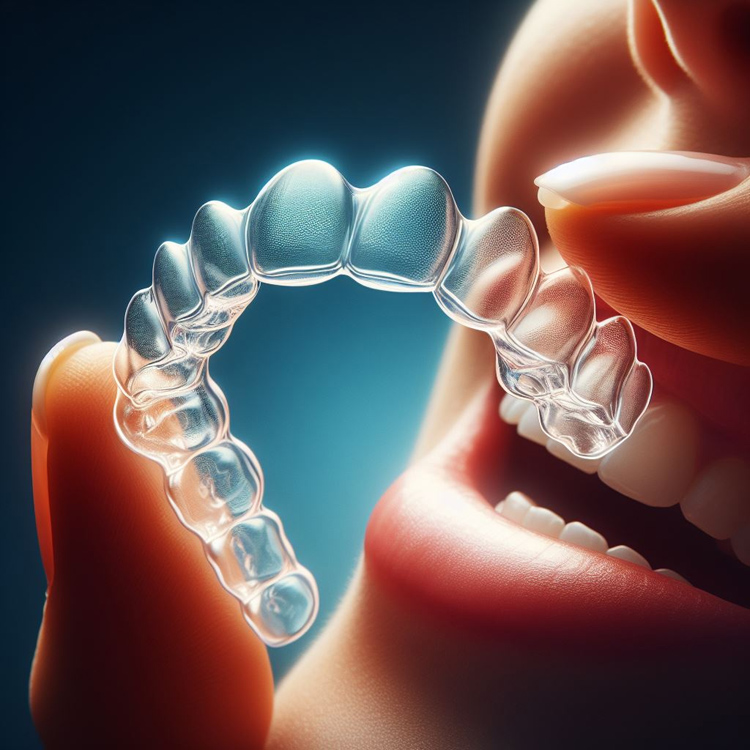
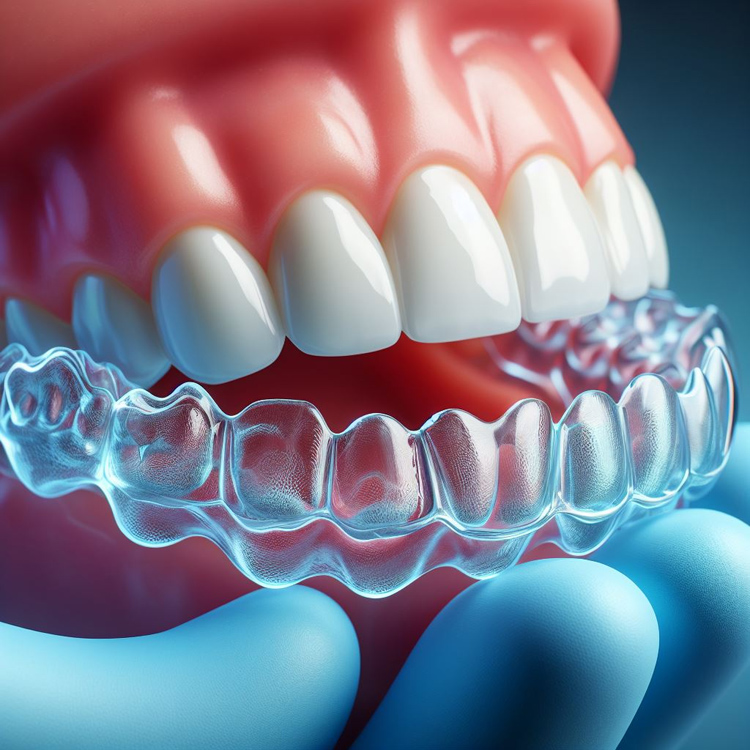
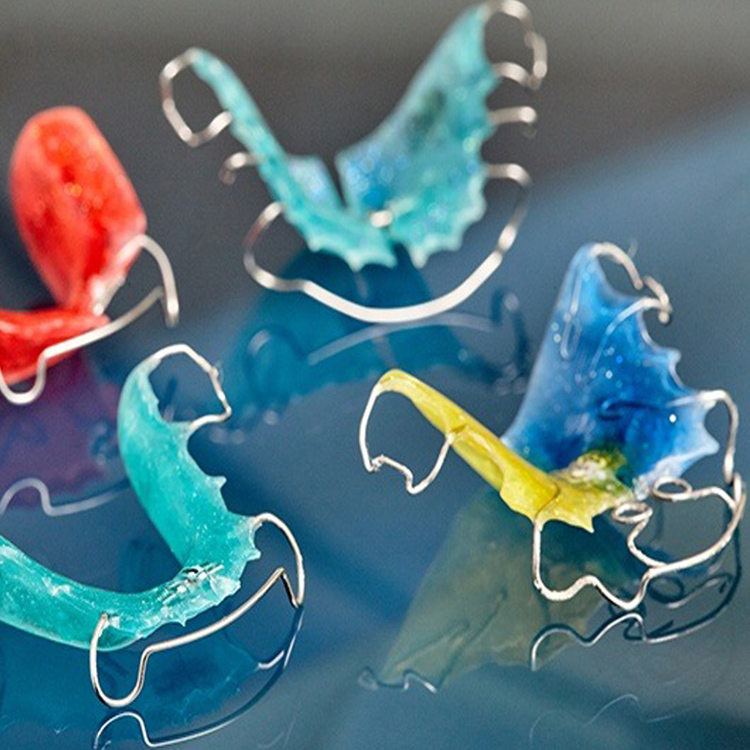
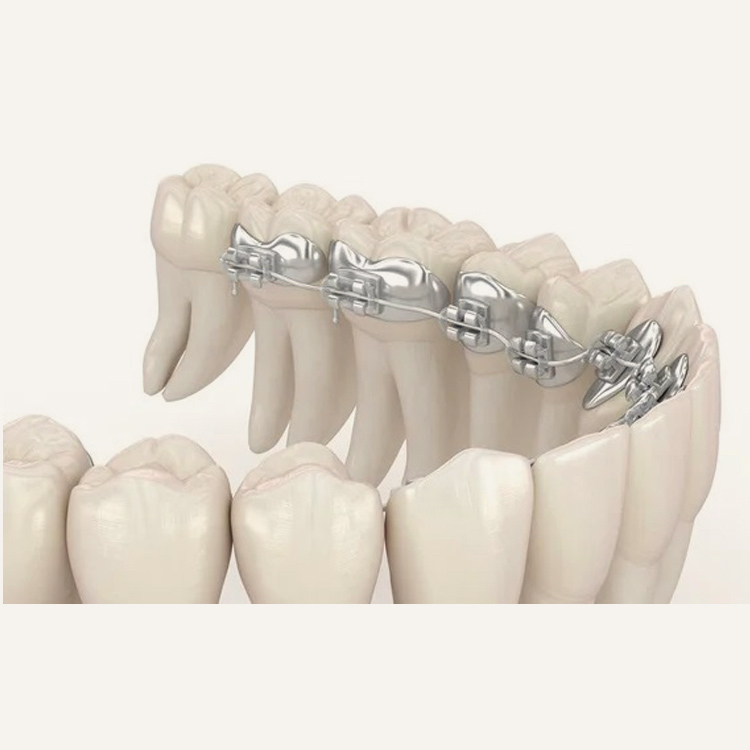
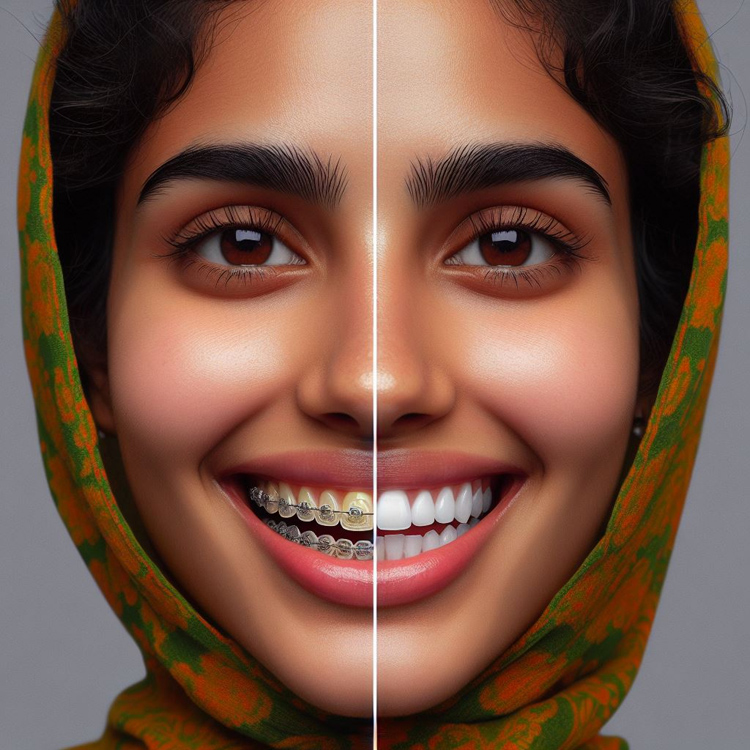
Orthodontic / Clear Aligner Treatment: Orthodontics involves aligning the position of the teeth so that they function properly. An orthodontist will use either clear aligners (e.g., Invisalign) or fixed braces to move the teeth into proper alignment.
The cost for treatment in Kerala you can expect to pay anywhere from a low amount to higher amounts based upon your specific needs (complexity), type of material chosen, and diagnostics required:
|
Procedure |
Average Out-of-Pocket Range (INR) |
|
Occlusal Analysis and Adjustments |
₹1,500 – ₹5,000 (one-time) |
|
Stabilization Splints / Night Guards |
₹3,000 – ₹10,000 |
|
Crown Restoration (single tooth) Zirconia / E-Max |
₹6,000 – ₹25,000 |
|
Clear Aligner Braces / Orthodontics (mild vs. extensive corrections) |
₹45,000 – ₹1,50,000+ |
Insurance coverage is limited in Kerala as general insurance policies do not cover optional orthodontic treatments unless the patient has experienced an injury to their face that requires an immediate need for treatment. In addition to being able to find specialized consultation services through numerous private dental clinics and governmental hospitals throughout the state there are also many other types of specialist services in addition to those mentioned above that may be utilized.
General Dentist: Initial diagnoses; minor occlusal adjustments; simple to moderate tooth restorations.
Prosthodontist: Reconstruction of lost occlusal architecture utilizing advanced ceramics in form of crowns, bridges etc., to restore full mouth function.
Orthodontist: Corrective structural alignment of misaligned/crowded/tilted/mispositioned teeth.
Oral And Maxillofacial Surgeon: Surgical corrective action for severely deviated lower jaws (orthognathic surgery).
Orofacial Pain/TMJ Specialist: Total care for complex/chronic TMD and neuromyofascial conditions.
Emergency (In Less Than 2-4 Hours): Severe toothache and/or extreme gum damage along with possible severe bruising; Jaw cannot move at all and/or is extremely painful when attempting to open/closing.
Immediate (Less Than 1 Day Or Within 24-48 Hours): Painful area where you have had recent fillings or crowns placed.
Elective: Mild muscle fatigue/strain from long term uneven bite or gradual but persistent enamel wear.
What would be the reason for a sudden feeling of having an uneven bite following a standard dental filling procedure?
Even just one-tenth of a millimeter of excessive composite material will create enough deviation to alter your proper biting relationship. Your periodontal ligament is able to detect these slight deviations and can make what feels like a small amount of material on top of your tooth feel much bigger than it actually is. Simply polishing the affected tooth will resolve this issue promptly.
Could an uneven bite contribute to constant neck strain as well as frequent headaches in the temples?
Absolutely. When your teeth are not properly aligned, your jaw muscles will continue to contract to achieve a comfortable biting position. Ongoing contraction of the muscles of the face will cause continuous stress to the muscles of the temporal region that will then radiate to the neck, upper back and shoulders.
Will an uneven bite correct itself naturally over time?
No. Occlusal interference is not something that will correct itself. Instead the body tries to compensate through continued erosion of the enamel or continued movement of the jaw. Prolonged neglect may result in broken teeth, loss of bone supporting the teeth, and perpetual joint strain.
A balanced relationship between biomechanical forces, bony support, and nervous/muscle input is necessary to achieve occlusal health. Patients experiencing bite pain should temporarily switch to a soft-food diet to reduce masticatory muscle strain and protect traumatized teeth, while strictly avoiding hard, chewy, or crunchy foods until a professional dental evaluation is completed. Conservative treatment early in the process using digital maps of the patient's bite and precise adjustments to restore proper masticatory function can prevent irreversible loss of enamel through attrition, structural damage to individual teeth, and potentially serious problems in articulation. The goal of comprehensive treatment is to create long term stability within the entire stomatognathic system.



.jpg)
.jpg)
.jpg)
.jpg)
.jpg)
.jpg)
.jpg)
.jpg)
.jpg)
.jpg)
.jpg)
.jpg)