Clinically referred to as gingival asymmetry, an irregular gum line occurs when the soft tissues (gingiva) that encase the teeth are irregularly formed which results in teeth appearing too short, too long, or disproportionate. The result of this irregularity creates an altered smile architecture creating an aesthetically unacceptable crown length. Periodontal aesthetics is the category within dentistry for this issue and could be considered either a cosmetic concern, or a symptom of underlying periodontal disease.
Clinical Definition: An irregular border of the gingival tissue surrounding the upper and/or lower teeth.
Indications: Gummy smile, unsymmetrical tooth lengths, exposed root surfaces.
Treatments: Laser gingivectomy, crown lengthening, orthodontic extrusion, porcelain veneer.
Symmetry issues can be visually confirmed with an examination of a smile. Patients may observe that, upon smiling, one side of the mouth appears to display more gum than the opposite side. The patient may experience some localized pain due to inflammation. Food may become trapped between the irregularly-shaped teeth as they are no longer able to properly accumulate plaque in hard-to-reach areas. Some patients may also experience minor thermal sensitivity from exposed roots as their gums recede from around the affected area.
Your dentist should immediately see you for a clinical evaluation if your uneven gum line has symptoms such as spontaneous bleeding, long-standing halitosis (bad breath), large pockets in your gums (periodontal pockets) and/or loose teeth. Any of these signs can suggest active periodontal disease or bone loss as opposed to simply being a cosmetic problem.
The primary cause is inflammation caused by chronic poor oral hygiene, trauma to the gums from excessive brushing, genetic predispositions, and/or loss or movement of teeth due to wear which disrupts the overall shape of the gum tissue.
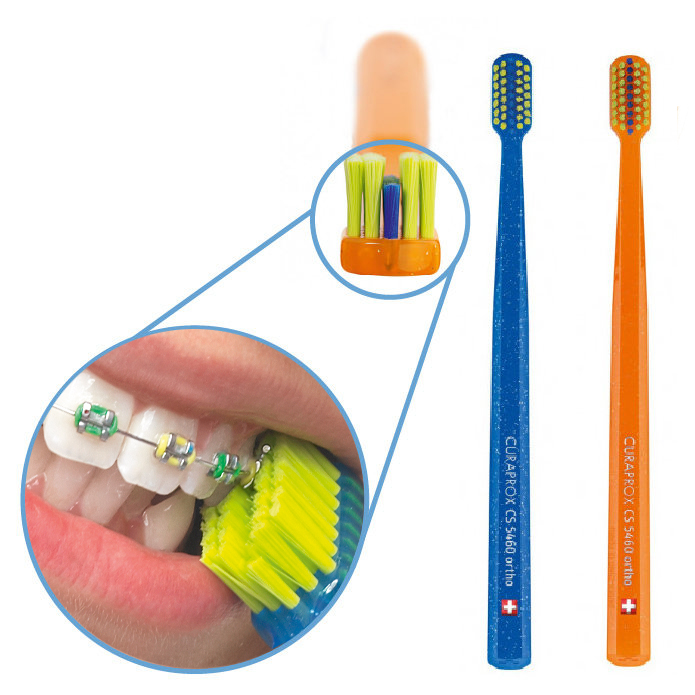
There are several risk factors for this condition including wearing an orthodontic appliance that makes it difficult to clean around your teeth, bruxism, the natural tendency of certain people to have thinner gum tissue (periodontal biotype), and other diseases such as diabetes that may affect your ability to heal and maintain healthy gum tissue.
Look at yourself smiling in front of a bright lighted mirror and notice if the gum line follows the curve of your top lip.
Look for redness or inflammation that may cause some of your teeth to appear shorter than their counterparts on the other side of your mouth.
Do not probe your gums with sharp objects or force them down too hard when they are sensitive.
The dentist will evaluate you based upon periodontal probing to assess the depth of the pockets formed by the soft tissue surrounding your teeth as well as the amount of keratinized tissue (the firm, band-like area of connective tissue) around each tooth.
A panoramic film, or a periapical film to evaluate the level of bone loss supporting the roots of each tooth.
Dentists may also utilize Digital Smile Design (DSD) software to create a template of what your ideal soft tissue outline should be.
Grade 1 (Mild): A minor height difference of approximately one to two millimeters can exist in a single anterior tooth.
Grade 2 (Moderate): A noticeable unevenness exists across several teeth, or a prominent "gummy" smile which has an impact on aesthetics.
Grade 3 (Severe): The combination of significant soft tissue growth and bone loss occurs and there are exposed roots.
The use of Diode or CO(2) laser is used as a tool for precision and non-bleeding soft tissue shaping (gingivectomy).
Crown lengthening surgery is utilized when additional bone reduction is necessary.
Orthodontics and/or bonding to restore proper esthetics and to maintain long term harmony are both common.
Pricing in Kerala depends on the level of care you are receiving at your dental facility and how many procedures you will need.
Laser gum contouring for one arch is priced between ₹3,000 to ₹8,000.
More involved surgical crown lengthening or a combination of multiple disciplines to create a new smile may be priced anywhere from ₹15,000 to ₹45,000.
Most dental insurances cover functionally needed treatment but exclude aesthetically pleasing treatment.
The general dentist provides minor cosmetic shaping of gums and teeth.
Cases that include bone reshaping or severe periodontal disease should see a Periodontist (Gum Specialist).
Cases requiring more extensive and/or complicated aesthetic changes would most likely be referred to a Prosthodontist.
An elective procedure unless you are experiencing acute infection or pain, you may schedule treatment at a time that suits you best. Early treatment will prevent plaque from accumulating in your hard-to-reach, asymmetrically shaped areas of the mouth.
What causes sudden unevenness along my gum line?
Changes to the shape of your gumline are usually caused by one of the three conditions listed below: inflammation of your gums (gingivitis), recession of your gum tissue (periodontal disease) or trauma to your gum tissue.
Will I feel pain during the process of having my gum reshaped with laser technology?
The modern diode laser seals both the nerve endings and blood vessels as soon as they touch them so this is a minimally painful, fast recovery type of procedure.
Can I allow my uneven gums to grow back into a "normal" configuration without some form of surgery/orthodontics?
Once your adult gingival architecture has been established, no, it cannot.
A balanced gum line is essential for both the aesthetics of your face and the health of your teeth. Laser technology and conservative surgical techniques are used in most dental clinics in Kerala to provide soft tissue management that is predictable, long lasting, and minimizes downtime. Maintaining your teeth and gums through regular visits is the best way to keep the results you achieve from a soft tissue procedure.


.jpg)
.jpg)
.jpg)
.jpg)
.jpg)
.jpg)
.jpg)
.jpg)
.jpg)
.jpg)
.jpg)
.jpg)
This site is part of the DEC Dental Network — a Dental Equity & Connectivity ecosystem of clinical, educational, and patient-support brands operated by Team Dental Pvt. Ltd. Our network works as one — guiding you from your first search to your final smile.
© 2026 Team Dental Pvt. Ltd. · Founded 2013, Angamaly, Kochi, Kerala
About DEC Dental