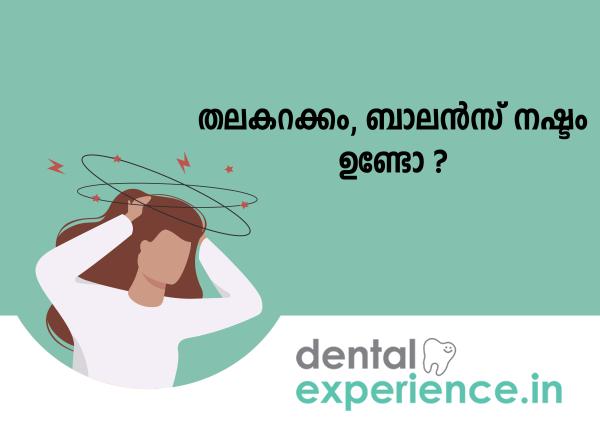
Vertigo is a common symptom associated with a variety of conditions, including issues that affect both the inner ear and the nervous system. Unfortunately, for many patients suffering from chronic vertigo symptoms, these symptoms can be the result of dysfunction of the temporomandibular joint (TMJ). The TMJ connects the mandible (lower jawbone) to the temporal bone of the skull. It sits just in front of and above the outer portion of the ear and very close to the ear's external auditory canal. As such, when there is a shift in the position of the jaws and/or the temporomandibular disc becomes out of its proper place, this can create constant mechanical stress on nearby structures. These include the auriculotemporal nerve and the retrodiscal tissues, which can compress surrounding structures when the temporomandibular disc is displaced. Therefore, if there is dysfunction of the Eustachian tubes due to altered middle ear pressure, then altered proprioceptive signals are sent via the trigeminal nerve to the brain stem, resulting in otogenic vertigo.
Clinical Definition: Temporomandibular Joint (TMJ) displacement results in vestibular disturbances and spatial disorientations due to spasm of TMJ muscles and alterations of middle ear pressure.
Red Flag Indicators: Acute unilateral facial paralysis, sudden unilateral hearing loss, severe jaw locking (trismus), disorientation, extreme earache (otalgia).
Common Recovery Options: Customized TMJ diagnostic mapping, physical therapy of TMJ dysfunction, customized occlusal splints, multidisciplinary neuromuscular rehabilitation.
The patient will experience a variety of vestibular, auditory and dental issues with TMJ associated dizziness. These include:
Vertigo: Rotational dizziness which may be caused by an unusual sense of the room moving around you. This can occur when the person has eaten something large for example while eating an apple, yawning, or using their mouth excessively.
Tinnitus/Aural Fullness: The patient may have a sensation of water being stuck in the ear(s) and/or a constant ringing in the ear.
Clicking/Grinding/Popping Crepitus: The patient may hear popping, grinding or cracking noises inside the jaw. The noises are usually heard when the patient opens or closes his/her jaws.
Pain From Myofascial Structures of the Face: The pain radiates through the masseter/temporal muscles; down the sides/back of the head and neck into the shoulders.
Instability in Occlusion: Sudden sensation that the upper and lower teeth do not meet normally.
TMJ induced vertigo is rare but can be a medical emergency requiring immediate action if you see any of the following signs/symptoms:
Complete Inability to Open/Close Your Jaw: Complete acute joint lock.
Neurological "Red Flag" Symptoms: Including but not limited to slurring your words, double vision (diplopia), numbness to portions of your face.
Infection Indicators: Presence of high fever combined with swelling near your TMJ or ear suggesting a deep space infection.
Progressive Hearing Loss: Sudden progressive hearing loss on one side.
The cause of Vertigo due to TMJ is a combination of both Mechanical, Structural & Behavioral factors:
Clamping & Grinding: Nighttime clamping/grinding causes over 250lbs of force to be placed upon the joint disc, which will create micro fractures in the cartilage & inflammation in the muscles.
Poor Bite Alignment: Poor dental alignment will pull the lower jaw back toward the retro-discal tissues & compress the nerve/sensitive vessels that are located in this area.
Muscular/Postural Stress: The forward head posture creates tension in the Infra-hyoid & supra-hyoid muscles, which pulls the jaw out of midline relationship.
Degenerative Joint Disease: Both osteoarthritis & degenerative disease of the intra-articular disc inside the TMJ capsule.
Risk factors include:
Stress Levels: High levels of chronic stress increases muscular tension in both the jaw & neck.
Regional Foods: Consuming hard or chewy food items daily places high amounts of sheer stress on an already vulnerable joint disc.
Betel Nut/Paan: Eating betel nut/paan with one side of your mouth creates an uneven wear pattern on your teeth which can also un-level your bite plane.
Hypermobile Joints: Hyper mobile joints will allow the joint condyles to slide away from their correct positioning.
You can do a very gentle initial check by yourself in front of a mirror:
Auditory Check: Put your fingers gently on top of both ear canal openings. Now slowly open your mouth as far as it will go. Be aware of any popping sensation; any catching feeling; or any movement that is not equal.
Visual Alignment: Slowly open your mouth as far as it will go. Look at how your chin moves. Does your chin move up and down in a straight vertical line? Or does your chin move in an S-shaped curve from side to side?
Pressure Test: Apply firm pressure to the masseter muscle (the muscles of your cheeks) and the temporalis muscle (the muscles of your temples). If there are areas where you experience localized pain or dizziness, be sure to note those areas.
Important Note: Please don't force your jaw open too far if you have a sharp pain or feel like your jaw has stopped moving.
In order to establish a clear relationship between TMJ dysfunction and vertigo, we need to use high tech tools:
3D CBCT Imaging: A cone beam computed tomograph will show us how the bones fit together, whether the joints are narrowed or eroded, and what kind of damage exists.
MRI of Joint: The MRI will help determine the soft tissue anatomy of the joint. It helps us know if the articular disc is properly aligned (anterior disc dislocation may occur), and/or if the disc has been displaced and cannot go back into place.
Digital Occlusal Analysis (T-Scan): This measures the amount of force applied when biting and also measures the time delay (in milliseconds) when applying force to each tooth.
Joint Vibration Analysis (JVA): JVA detects vibration caused by friction occurring within the joint capsule.
|
Stage |
Clinical Presentation |
|
Stage 1: Mild / Intermittent |
Occasional joint clicking, slight dizziness after chewing, transient muscle fatigue. |
|
Stage 2: Moderate / Recurrent |
Frequent vertigo, noticeable aural fullness, crepitus, neck tension, bruxism. |
|
Stage 3: Severe / Chronic |
Persistent dizziness, restricted jaw opening (<25mm), daily pain, joint erosion. |
It is based on a conservative and non-surgical treatment option first with surgical treatment being a last resort as follows:
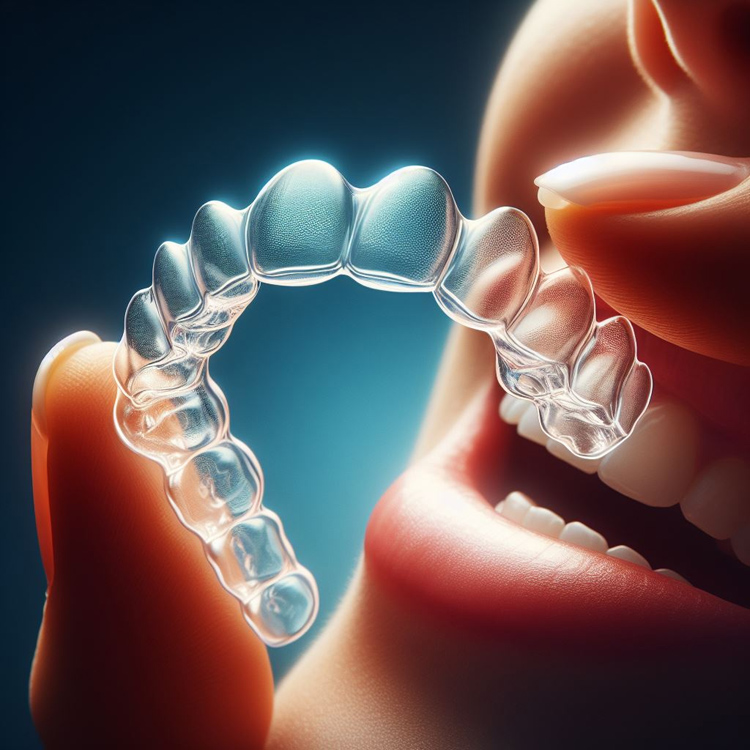
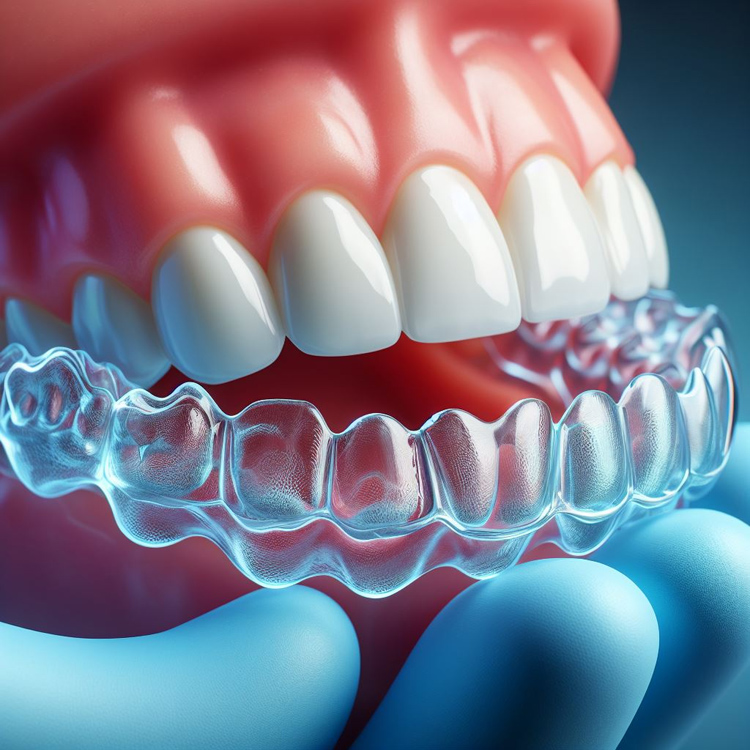
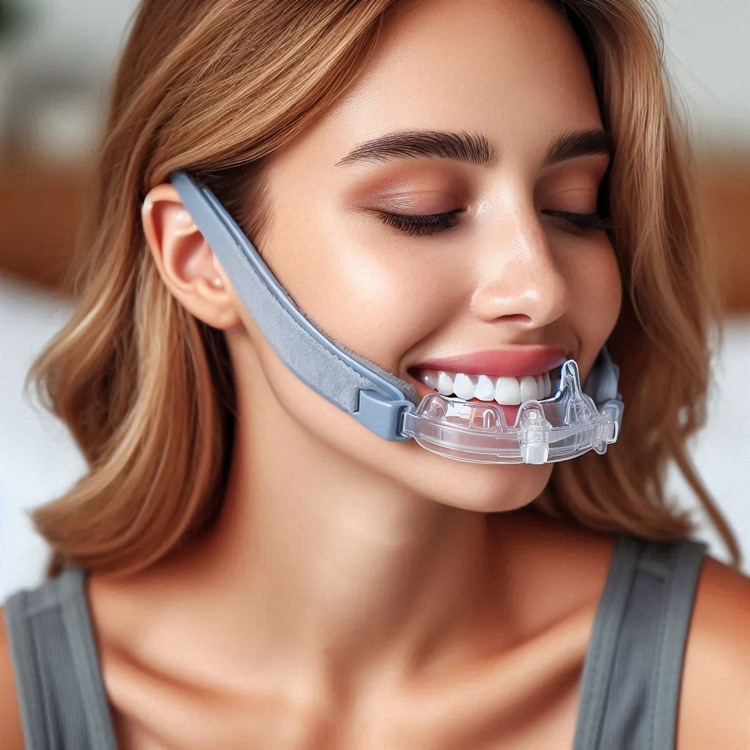
Custom-Made Neuromuscular Occlusal Orthotic Devices: These are made from 3-D printed custom molded splint devices designed to take some of the load off of the joint while relaxing the spasms in your jaw muscles by allowing you to position the lower mandible differently than normal.
Photobiomodulation (PBM): This uses low-level laser therapy using certain wavelengths of light to promote healing of damaged tissues, reduce swelling/inflammation within the joints, and eliminate pain.
Botulinum Toxin Injections: Injections into the muscles involved in excessive clenching (masseter & temporalis) will block those muscle(s) from clenching for an extended period.
Arthrocentesis: A simple procedure where arthritic fluid/cytokines causing inflammation are flushed through the TMJ space to free up the stuck articular disc.
In Kerala, diagnostic and therapeutic costs vary based on the clinical setup and technology used:
|
Procedure |
Average Out-of-Pocket Range (INR) |
|
Comprehensive TMJ Consultation & CBCT |
₹3,500 – ₹7,500 |
|
Custom Neuromuscular Splint Therapy |
₹12,000 – ₹28,000 |
|
LLLT / Photobiomodulation (Per Session) |
₹1,500 – ₹3,000 |
|
Therapeutic Masseter Botox Therapy |
₹18,000 – ₹35,000 |
|
TMJ Arthrocentesis (Unilateral/Bilateral) |
₹25,000 – ₹55,000 |
To treat TMJ-induced vertigo successfully, you need a comprehensive multi-disciplinary treatment team:
Orofacial Pain Prosthodontist / Maxillo Facial Orthodontic Specialist: Oversees reconstruction of the bite, design of an occlusal splint and all aspects of the joint.
Ear Nose Throat (ENT) Specialist / Otolaryngologist: Determines whether there is an underlying disorder in the inner ear such as Meniere's disease or BPPV (Benign Paroxysmal Positional Vertigo).
Maxillofacial Surgeon: Examines serious anatomical defects of the joint that may require arthrocentesis (flushing of the joint) or reconstructive surgery on the joint.
Physical Therapist: Provides specific craniomandibular and upper cervical physical therapy for rehabilitation.
Emergency Treatment (2-4 Hours): Acute joint locking, traumatic injury to the face, or acute vertigo associated with significant ear bleeding or signs/symptoms of a central nervous system problem.
Urgent Treatment (24-48 Hours): Vertigo associated with constant or persistent tooth pain or immediate changes in biting position.
Scheduling Of Elective Treatment (1-2 Weeks): Chronic dizziness; chronic vertigo; associated with clicking jaw, frequent/constant headache, etc., morning jaw soreness.
Do bad bites or missing back teeth have anything to do with those dizzy/spinning feelings?
Yes. When you lose one of your molars, it collapses the top portion of your bite. As this happens, the lower jaw will close past its normal vertical dimension, placing abnormal stress on the joint structures near the ear. In this over-closed position, it can indirectly irritate the Eustachian tube (which controls your balance), and some of the nerves surrounding it.
What are the signs that I am experiencing vertigo due to an issue in my ear vs. my jaw?
Vertigo related to ear problems typically presents itself suddenly after an infection/viral illness has occurred. Vertigo related to jaw problems tends to occur when chewing on food, yawning, etc., or under periods of high stress. In addition, jaw-related vertigo is commonly accompanied by jaw popping/clicking, neck pain, and headaches.
Will using a mouth guard for sleeping completely get rid of my dizziness?
Precision crafted neuromuscular splints can significantly reduce dizziness in 2-6 weeks. The majority of patients experience full reduction of their dizziness once they combine splint therapy with physical therapy to help correct their bite.
The TMJ-induced dizziness (vertigo) is one of the most commonly misdiagnosed vestibular disorders in patients. It can take these patients months to see specialists in both Neurology & ENT departments before they find relief from their symptoms; as the jaw has been missed in diagnosis. An accurate diagnosis would be made by diagnosing the craniomandibular system that includes the tooth contact dynamics and cervical spine posturing. The modern technologies of 3-D Digital Imaging and Neuromuscular Splint Therapy are providing an efficient way to de-pressurize the joint, eliminate Eustachian Tube Dysfunction, and provide improved quality of life for patients without prolonged use of medications.







.jpg)
.jpg)
.jpg)
.jpg)
.jpg)
.jpg)
.jpg)
.jpg)
.jpg)
.jpg)
.jpg)
.jpg)