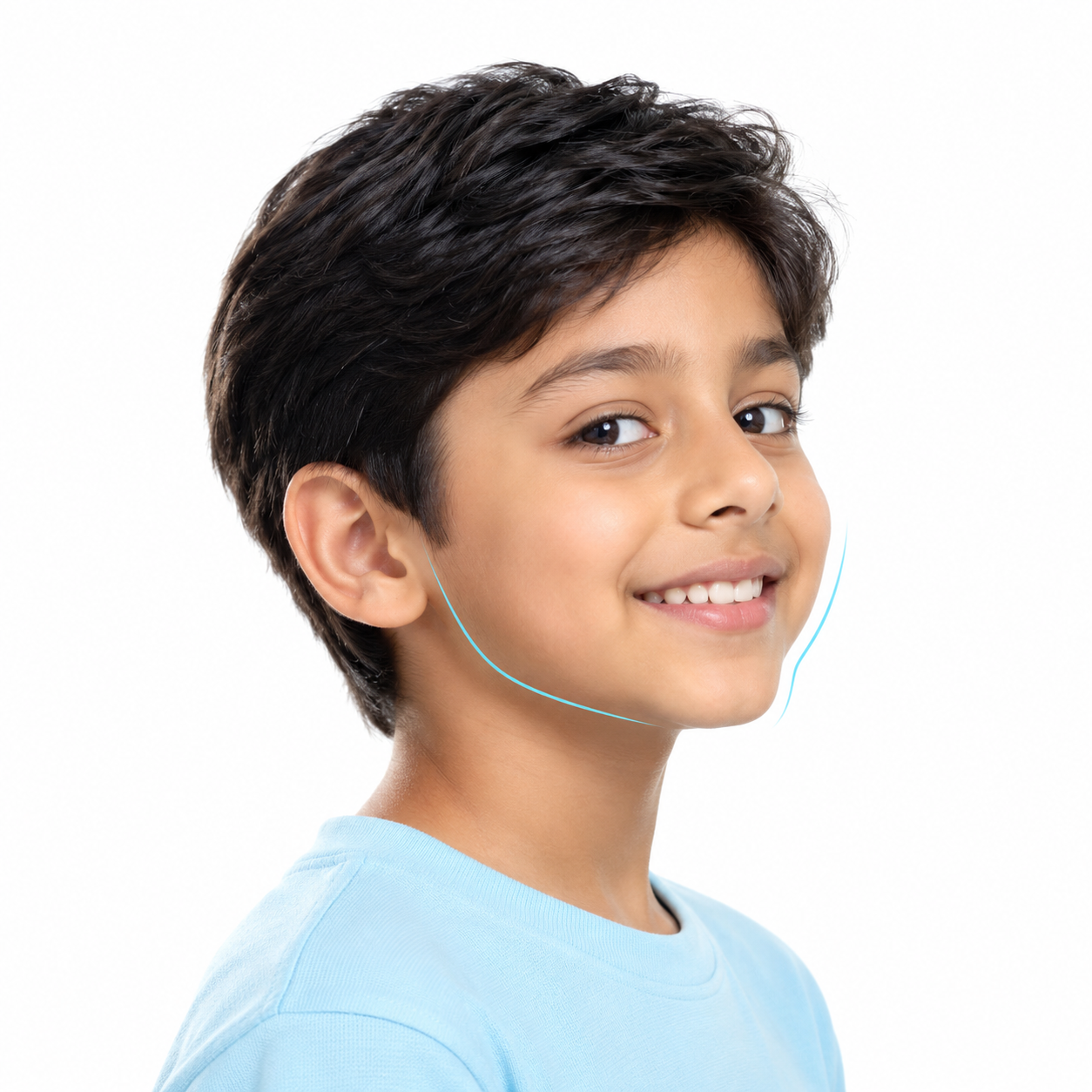
Smiles that are very large — which are defined clinically as the mandible moving to expose at least eight to ten front teeth — are created through contraction of the zygomaticus major and risorius muscles. Smiles with this degree of exposure provide aesthetic appeal in terms of dentition structure and include the exposed structural elements of the enamel matrix, gingival scallop, and buccal corridors. As large smiles produce significant muscular action, they can also create potential stresses in the TMJ area that could lead to TMJ irritation.
Clinical Definition - A facial gesture where the mandible moves past the typical buccal corridors, exposing anterior and possibly posterior tooth structures.
Potential Clinical Consequences - Muscle fatigue, TMJ clicks or strain, and the concentration of stress on weakened enamel matrices or existing restorations.
Possible Urgent Signs - Sudden sharp locking sensation, persistent misalignment of the upper and lower jaws, or painful TMJ after smiling.
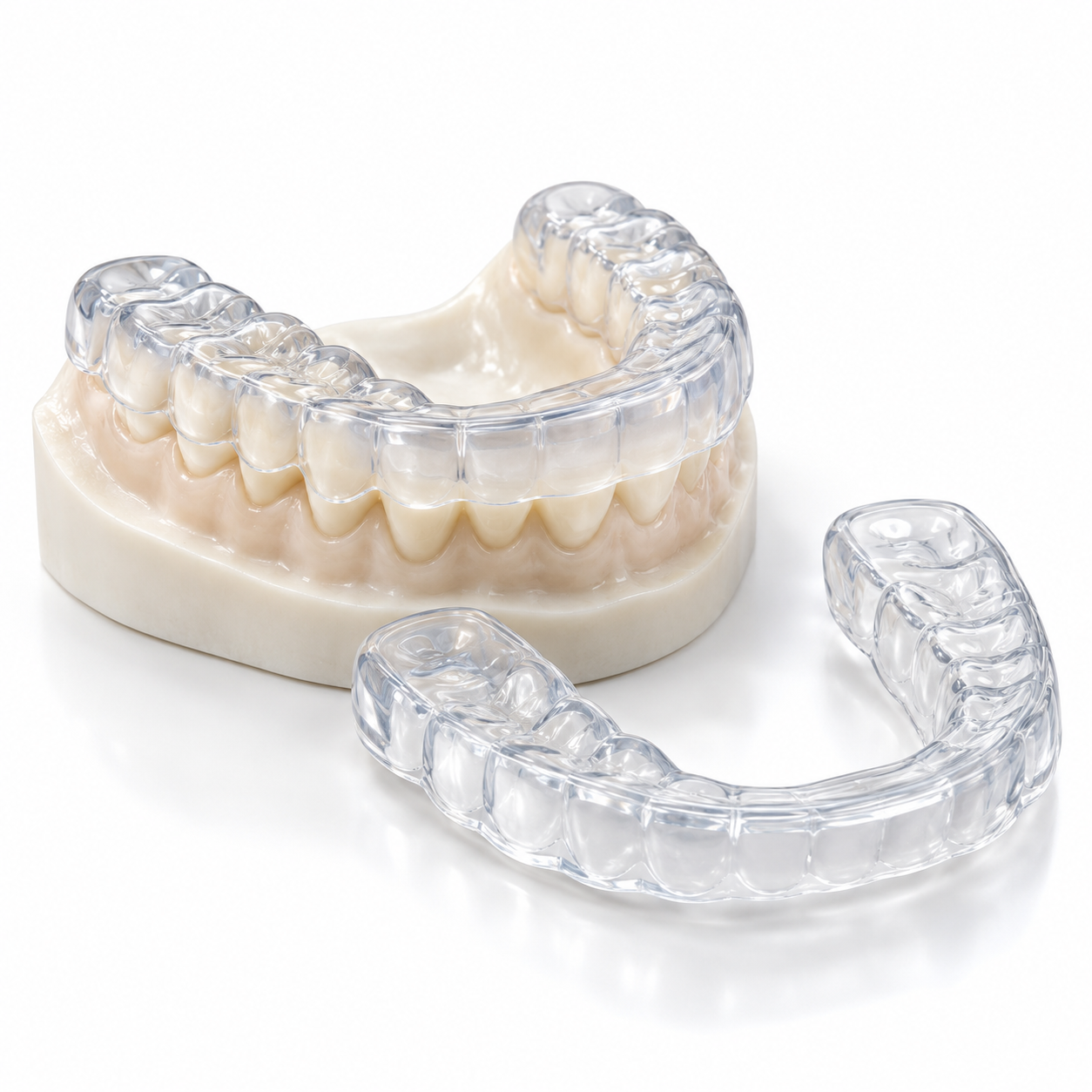
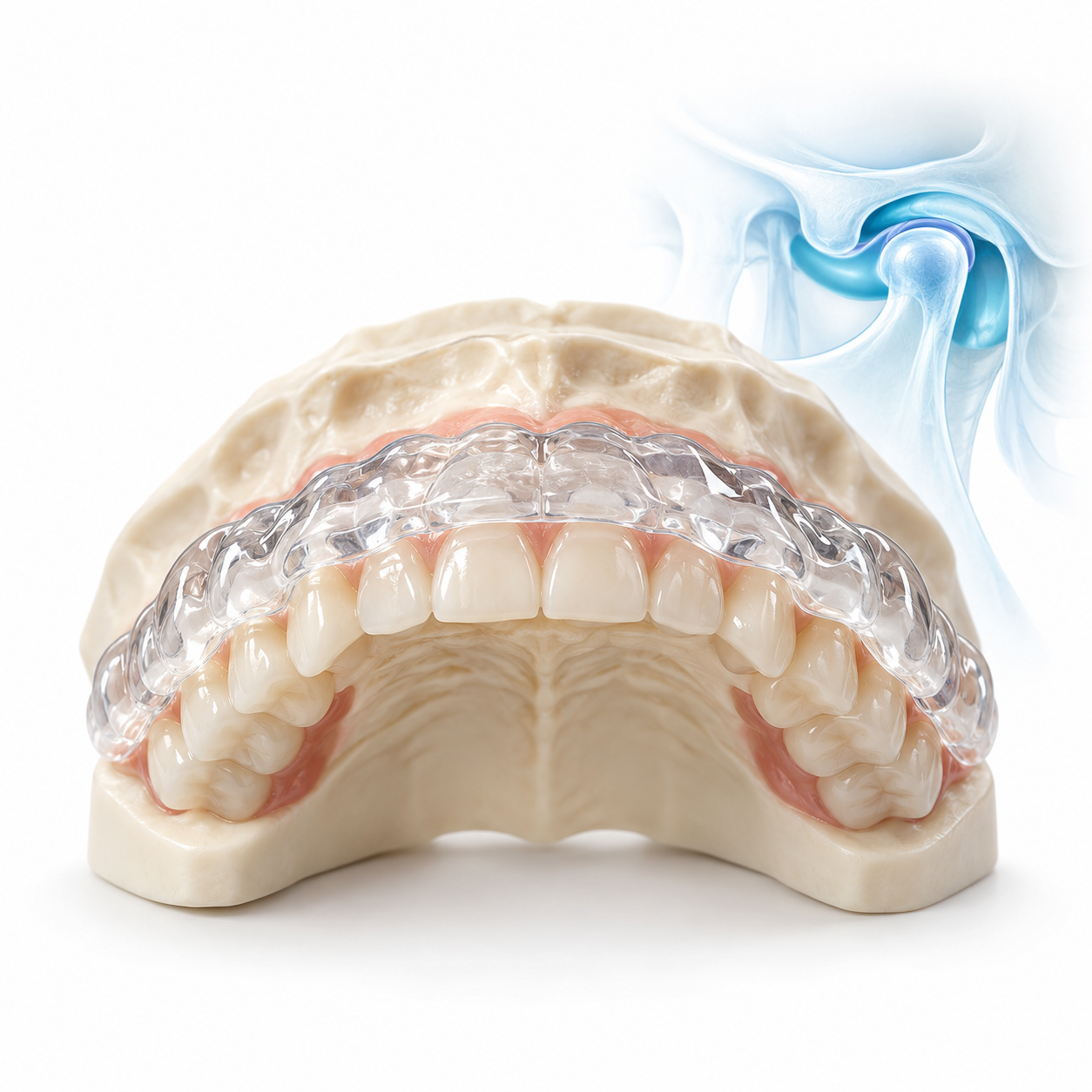
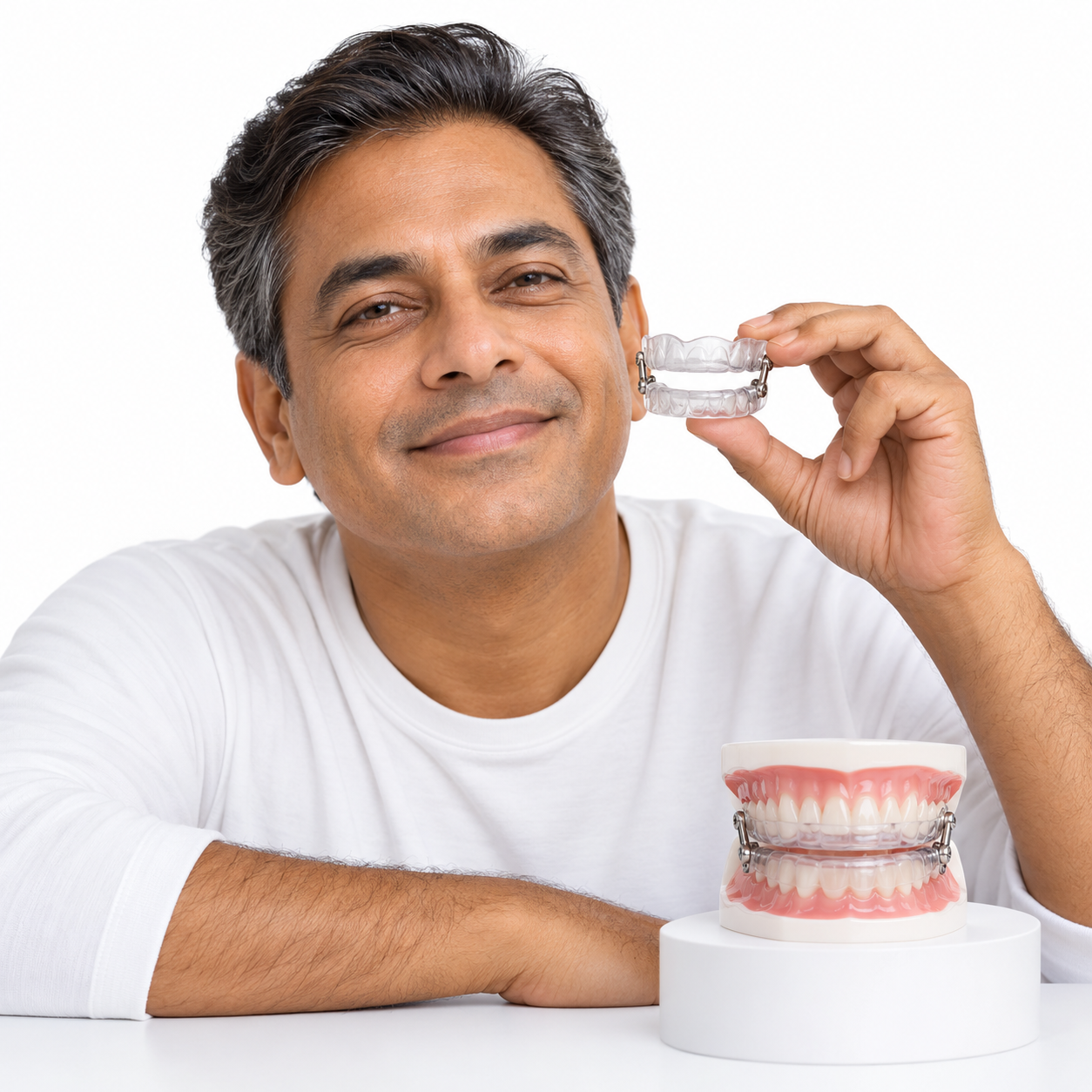
Recommended Main Treatment Options - Occlusal balance treatment, night guard wear to prevent excessive TMJ movement, composite bonding to repair micro-cracks in the enamel matrix, and localized myofascial therapy.
Facial Animation Fatigue - Localized pulling or fatigue of the face and cheek area occurring during or immediately after smiling.
TMJ Noises - Temporary clicks or crepitations in the temporomandibular joint area.
Cervical Sensitivity - Pain sensitivity near the gum line resulting from increased mechanical strain on weakened enamel.
Occlusal and Muscular Shifts - Visual awareness of slight changes to occlusion accompanied by transient muscle spasms.
Locked Jaw - Inability to smoothly shut the mouth following extensive facial animation or prolonged smiling.
Radiating TMJ Pain - Severe, sharp, shooting pain in the temporomandibular joint area that radiates into the temporal region or ear canal.
Restoration Failure - Instant breaking or chipping of ceramic crowns or composite fillings during moments of extreme jaw expansion.
Persistent Functional Asymmetry - Ongoing locked jaw or noticeable functional asymmetry of the jaw structure that interferes with normal closing.
TMJ Laxity - Lack of proper joint support for the lower jawbone caused by loose temporomandibular joint ligaments.
Bruxism and Enamel Degradation - Existing teeth grinding that has created micro-cracks in the enamel and predisposes the structure to accelerated decay.
Hard Dietary Habits - Over-reliance on challenging traditional foods, such as kappa (hard tapioca) or crunchy banana chips, which puts an enormous amount of mechanical stress on the jaw muscles and bones.
Pre-existing Malocclusions - Misaligned bites that create non-uniform pressure distribution across the arches when performing extreme facial movements.
Hyper mobility spectrum disorder (HSD), where there is instability at all joints throughout the body.
High levels of chronic grinding/clenching due to job related stress or lifestyle demands.
Wearing down of the enamel/dentin layers of the teeth due to advanced age.
Anatomic features including shallow glenoid fossa allow for large amounts of lateral movement of the condyles.
Assess yourself safely, systematically, and in front of a mirror:
Move your lips back as you create an exaggerated smile in a lighted area to check that your jaw is moving symmetrically and smoothly.
Identify whether one side of your lower jaw is pulling away from the upper jaw during the widest part of your smile.
Assess the chewing surface of your two front teeth for craze lines or chips (micro-fractures).
Palpate gently the muscles on either side of your ears. Do you feel any pain when you touch these muscles? Is there more muscle tightness on one side?
A dental professional will complete a comprehensive diagnostic procedure:
Visual and tactile evaluation of the surface of your teeth, and the contour of your gums.
Panoramic digital radiographs, or Cone Beam Computed Tomography (CBCT), to assess the path of your mandibular condyle and your bone health.
Thermal stimuli pulp vitality testing to determine if there is inflammation of your tooth.
An occlusal analysis using articulating paper to identify where in the mouth your teeth are making contact prematurely.
The degree of severity is determined by clinicians using a scale that is based on the type and amount of stress that can be placed on the smile through wide range of motion (mechanical):
Mild – Occasional muscle fatigue with mild clicking and no structural damage.
Moderate – Noticeable joint wear and tear, with significant clicking and some micro fractures in the tooth enamel.
Severe – Chronic episodes of "locking" with significant pain; and/or structural compromise of either natural teeth or restorative dentistry.
There are several modern treatment options available to restore normal function to an unstable occlusion while protecting sensitive areas from further injury:
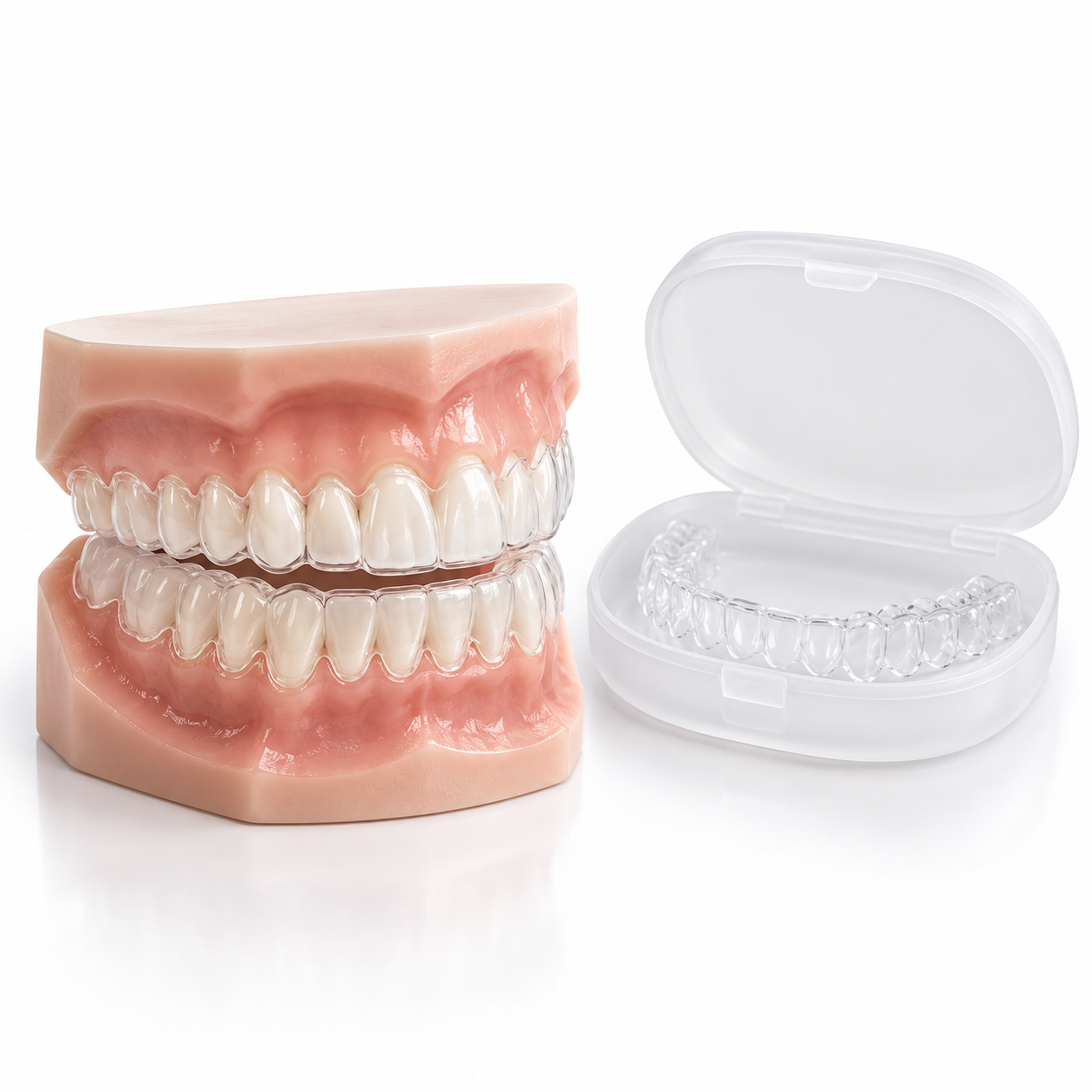
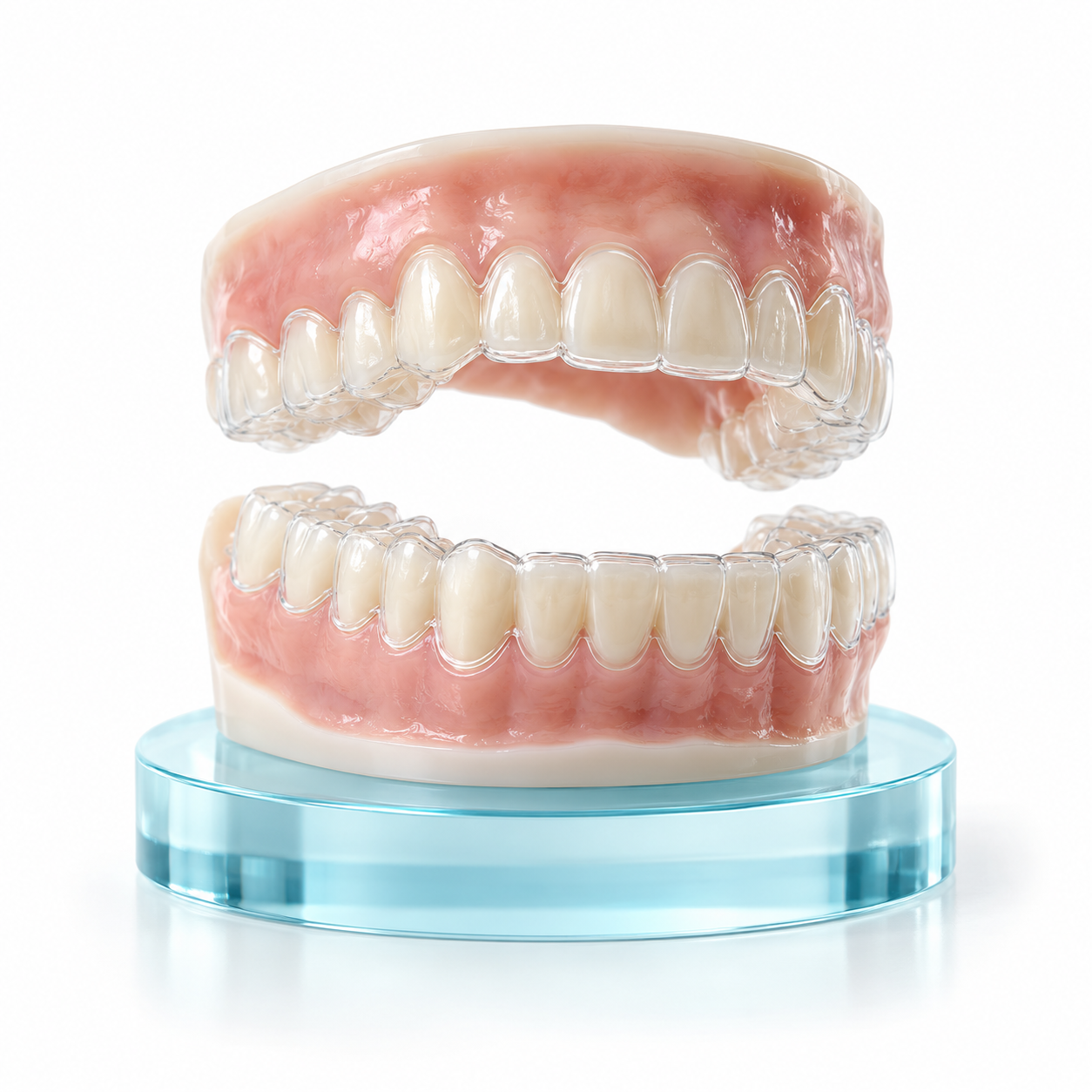
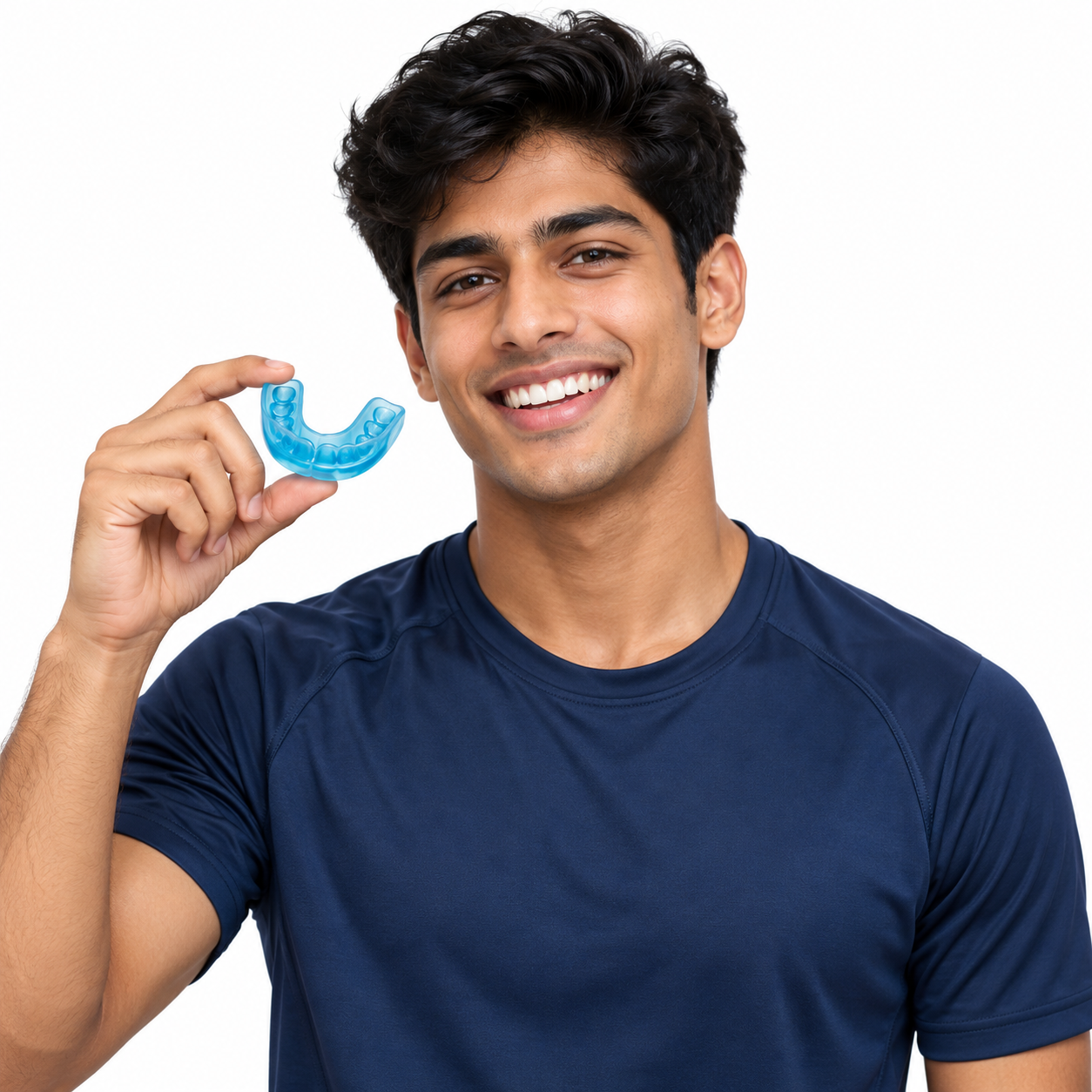
A custom fabricated splint or guard can be used during sleep to prevent excessive force applied at the temporomandibular joints. The same can also be used as a stabilization device when there are excessive para-functional habits present.
Composite resin material can be bonded directly to the affected area to fill in cracks in the enamel, strengthen it and provide additional support for the weakened tooth structure.
Bite balancing will help distribute all of the forces equally throughout both arches.
Targeted physical therapy, myofascial release etc., may need to occur to help relax/lengthen hyper active mastication muscles.
Costs of dental services vary with location within Kerala, with both the type of service as well as quality of materials used being a factor that impacts cost (in terms of rupees):
Night guard / Basic Occlusal Splint: Price depends on quality of acrylic; INR 3,500 to INR 8,000.
Bonding Per Tooth with Composite Materials: Aesthetic complexities are the determining factors for price range from INR 1,500 to INR 4,000 per tooth.
Consultations regarding the TMJ/Occlusion: Prices vary among centers; typical prices for consultations include INR 500 to INR 2,000 at specialty clinics.
In general, standard medical insurance plans in India do not cover cosmetic or dental treatments unless they were caused by an accident, then those would be covered through an addendum or rider.
Identifying the correct specialist will ensure your treatment is focused and successful:
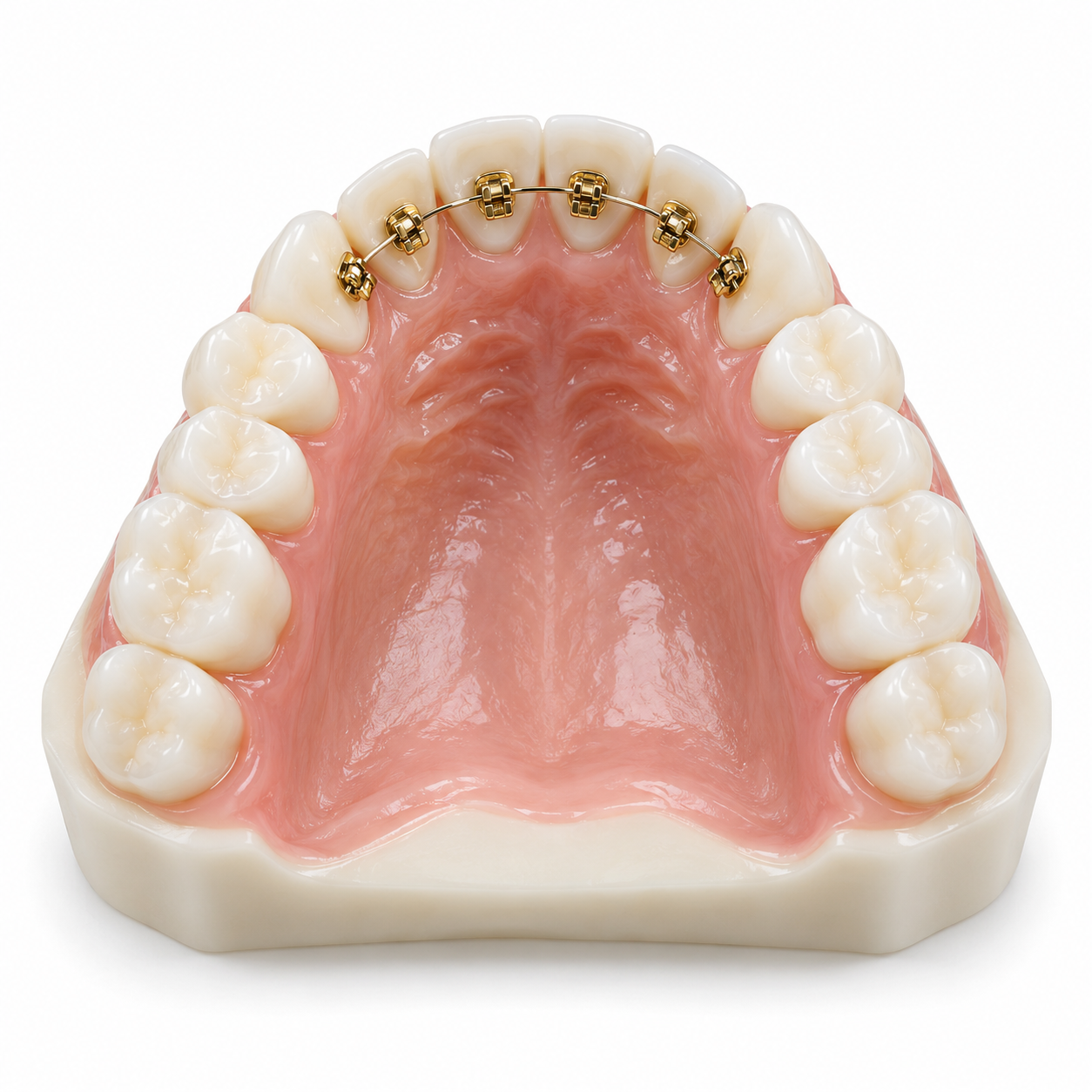
General Dentist: Useful for first screenings for problems related to teeth alignment, minor changes in the bite, small repairs to composites.
Prosthodontist: Important for restorative work in cases where there is significant wear or need for occlusal rehabilitation.
Endodontist: Necessary when cracks have progressed sufficiently into the interior of the tooth to reach the inside of the tooth, i.e., the pulp chamber.
Maxillofacial Surgeon: Needed in extreme cases of TMJ disorder including structural displacement of jaw.
Following proper treatment schedules helps prevent mild strains from becoming more severe:
Immediate (2-4 hours): Must be done immediately if your jaw is locked in an open or closed position after making a large facial expression.
Semi-Urgent (1-2 weeks): Should be performed as soon as possible for long term clicking of the joint accompanied by dull pain.
Elective: Scheduling for preventive night guards or aesthetic micro-crack bonding.
Will a big smile cause cracks in healthy teeth?
Yes. The extreme side-to-side force on the teeth, plus any underlying Bruxism will create enough shear stresses on the enamel matrix that small fractures will develop in the tooth enamel.
What makes my jaw click when I laugh or make a very wide smile?
Typically this means you have moved the anterior portion of the articular disc out of its normal position within the TMJ.
Is there a relationship between the traditional diet of Kerala and jaw strain?
You are going to wear down your jaw muscles through repeated chewing of hard local foods such as dried tapioca or fibrous snack foods. This may increase your risk of developing TMJ strain when performing wide range facial movements.
To maintain the structural stability of a broad smile, one needs to be proactive about maintaining both muscular equilibrium and dental wellness. Clinical evidence supports that identifying early signs of micro-trauma through regular visits to your dentist will preclude progression into TMJ dysfunction and/or enamel erosion. If you are experiencing chronic muscle fatigue and/or clicking within your jaws, it would be prudent to have a professional evaluation to preserve long-term oral health.


.jpg)
.jpg)
.jpg)
.jpg)
.jpg)
.jpg)
.jpg)
.jpg)
.jpg)
.jpg)
.jpg)
.jpg)
This site is part of the DEC Dental Network — a Dental Equity & Connectivity ecosystem of clinical, educational, and patient-support brands operated by Team Dental Pvt. Ltd. Our network works as one — guiding you from your first search to your final smile.
© 2026 Team Dental Pvt. Ltd. · Founded 2013, Angamaly, Kochi, Kerala
About DEC Dental