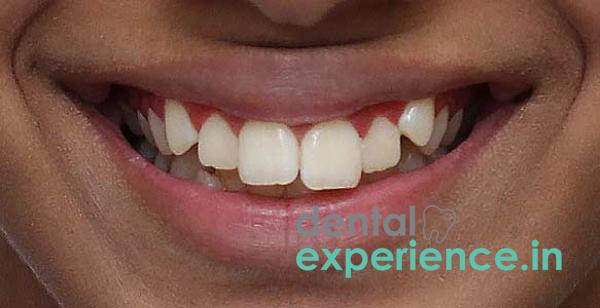
People looking online to know about "wide teeth" generally refer to the difference in size or shape of a tooth/teeth. An excessively broad tooth is not a pathology — but rather classified under a category of natural variations or developmental variations in the shapes and sizes of teeth. Macrodontia is a condition where a tooth grows much larger than all the surrounding teeth. Wide appearances can also result from conditions such as gemination (when a single embryonic tooth bud tries to develop into two separate teeth and fails to do so resulting in an abnormally large single root and crown) or fusion (where two completely separate tooth buds develop very close to each other and grow together to form a single tooth).
Understanding the differences between these forms of developmental variations allows people to focus beyond cosmetic concerns and explore the many contemporary dental solutions available.
Core Issue: One tooth or several teeth appear to be notably wider than average.
Primary Categories: Localized macrodontia (naturally occurring genetically oversize teeth) or gemination/fusion (tooth structures fused/together).
Classification: Considered a natural variation or developmental variation in the categories of anomalies in shape and/or size of teeth.
Common Symptoms: Unevenness in the smile line; physical crowding; "double tooth" appearance of a wide front tooth.
Treatment Options in Kerala: IPR/Cosmetic Contouring; Porcelain veneer; Specialized orthodontic alignment.
Urgency Level: Very low. It is primarily a preference regarding aesthetics/spaces versus a true medical concern/emergency.
Identifying developmental size anomalies begins with evaluating the symmetrical nature of your smile. The main symptom associated with this type of developmental variation is a wide front tooth that disrupts the "golden ratio" established by the balanced symmetrical arrangement of the anterior dental arch.
Geminate/fused teeth may have a small vertical groove extending from the biting surface, creating the illusion that there are two teeth fused together, therefore providing a wide appearance.
Alongside visual manifestations, there are also possible physiological symptoms such as localized crowding, as a result of the volume of a tooth being overly large and thus limiting adequate space for adjacent teeth, thereby forcing them to twist or erupt outside of proper alignment.
The unique contours of a large tooth compared to those found on typical shaped teeth, provide numerous microscopic areas that trap plaque more effectively than smooth, flat enamel surfaces.
You don’t have to be worried if your wide tooth is healthy and functioning properly. However, you should seek consultation with a specialist if your large tooth contributes to progressive crowding and subsequently forces neighboring teeth out of proper alignment.
Additionally, if you see evidence of an extensive groove developed internally within a fused/geminate tooth, this could contribute to difficulty cleaning the area with conventional brushing and flossing techniques. Therefore, this area can potentially lead to localized periodontal pockets (pockets created between the gumline and the bone supporting a tooth); chronic bleeding; or decay.
If you have localized tooth pain or recurring inflammation/swelling in the gums surrounding your large tooth, then it warrants clinical evaluation.
Developmental size variances are generated by embryologic events that occur prior to birth, specifically while your permanent tooth buds are establishing below the gums. Genetics are the primary factor in determining why people have a variety of different sized/surfaced teeth. If one or both parents exhibit a predisposition to having larger than normal skeletal/dental structures, their children are highly susceptible to developing localized macrodontia.
Gemination occurs when an individual embryonic tooth germ attempts to divide into two but fails to do so resulting in a single large root with an additional enlarged crown. Fusion occurs when two separate embryonic tooth germs grow extremely close to each other and fuse into one single entity. Anatomically, this fusion can be precipitated by local traumatic injury or pressure experienced within the jaw during early childhood development.
Specific risks exist for various populations including:
Family History: There exists a familial tendency toward developmental macro-dontic traits and previously documented dental shape anomalies.
Trauma in early childhood: Physical injury or alveolar jaw trauma suffered by an individual before permanent tooth bud calcification.
Nutritional deficiencies: Systemic fever Exposure or nutritional deficiencies experienced during critical periods of early childhood growth.
Syndromic association: Although rare, general macrodontia has been linked to disorders such as pituitary gigantism and unilateral facial hyperplasia.
To determine if your smile contains developmental variations related to size anomalies, start with self-evaluation at home. Stand before a well lit mirror and carefully evaluate the symmetry of your upper and lower arches.
Symmetry Test: Compare your left central incisor directly to your right central incisor. Is one significantly wider?
Anatomy Test: Evaluate your wide tooth for a visible shallow vertical groove along the chewing surface. This indicates possible fusion or gemination.
Space Test: Pass floss around your wide tooth. Does it move smoothly? Or is it wedged tight due to excessive crowding?
Bite Test: Bite down normally. Will your wide tooth hit against your lower teeth first? Or will your jaw deviate from its usual path?
If you identify significant anatomical dissimilarity, then you possess naturally large front teeth shape.
You cannot establish a definitive diagnosis simply by visually examining your teeth. Rather, a thorough evaluation by a dental professional is required. Using intraoral visual inspections combined with precise diagnostic imaging technologies, specialists can distinguish between simple oversized teeth and complex developmental fusion.
Panoramic radiographs (Digital) and intraoral peri-apicals (Digital) X-rays serve as essential diagnostic tools for specialists. With these types of images, specialists can examine root structures below the gums. Typically, in cases of localized macrodontia, X-rays will display a singular root structure attached to an unusually large crown. On the other hand, if the reason for the abnormality is a result of fusion or gemination, the X-ray will illustrate shared root canals or dual pulp chambers. Dental professionals use Digital impressions or 3-d intra oral scanning technology to create detailed millimeter measurements of your wide-toothed vs. Typical-toothed morphology.
|
Severity Level |
Clinical Presentation |
Functional Impact |
Typical Approach |
|
Mild |
Slight dimensional asymmetry; no crowding or bite issues. |
Purely aesthetic concern. |
Optional cosmetic contouring or observation. |
|
Moderate |
Prominent wide front tooth causing mild alignment shifts. |
Minor plaque retention; minor bite adaptation. |
Composite bonding for wide tooth gaps or veneers. |
|
Severe |
Fused or geminated teeth with deep grooves and severe crowding. |
Increased risk of decay, gum disease, and bite dysfunction. |
Comprehensive orthodontics, reshaping, or crown placement. |
With advancements in modern cosmetic dentistry come many options to improve an unbalanced smile. Depending on the underlying anatomy of the affected tooth, specialists recommend the most suitable treatment option.
For mild disparities between your wide-toothed vs. normal-shaped teeth, specialists can perform cosmetic contouring for wide-toothed — a fast & conservative procedure to adjust the size of your wide-toothed morphology.
Dentists use fine diamond burs to carefully shave off a portion of millimeters of enamel from either side of your wide-toothed morphology — known as interproximal reduction (IPR) — smoothing your morphology to match that of typical-sized teeth.
For achieving optimal aesthetically pleasing outcomes via transforming shape, size, and color of your wide-toothed morphology simultaneously, specialists recommend porcelain veneers for macrodontia — thin layers of custom-crafted ceramic shells applied to the front surfaces of your wide-toothed morphology.
The cost involved with treating a developmental variation in Kerala depends upon the method you select. Simple cosmetic contouring/enamel removal procedures are inexpensive ranging from ₹1,000 to ₹2,500 per arch. Porcelain veneers for macrodontia Kerala offer premium durability lasting longer than alternatives costing anywhere from ₹12,000 to ₹25,000 per tooth at top-rated clinics in Kochi and Trivandrum.
If your wide-toothed morphology needs protective coverage from damage using full-coverage zirconium crowns, expect costs ranging from ₹10,000 to ₹22,000. Comprehensive designs for total smile correction addressing all aspects requiring attention are priced according to the extent of treatments needed.
Multiple specialties collaborate in correcting developmental size variations. General practitioners can perform minor contouring adjustments whereas complex cases require referrals to specialized professionals.
Cosmetic dentists & Prosthodontists are ideal for designing porcelain veneers; custom crowns; and advanced composite resin bonding applications.
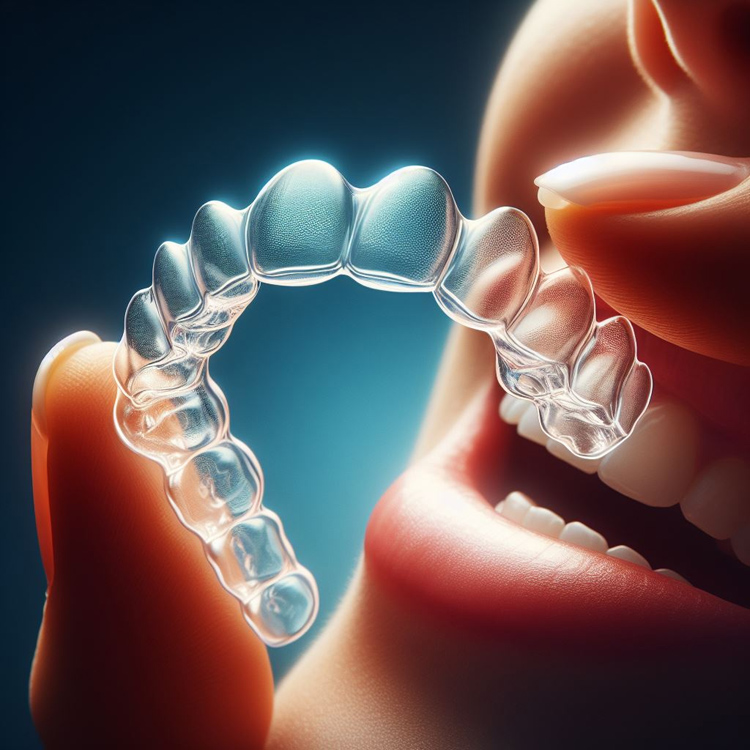
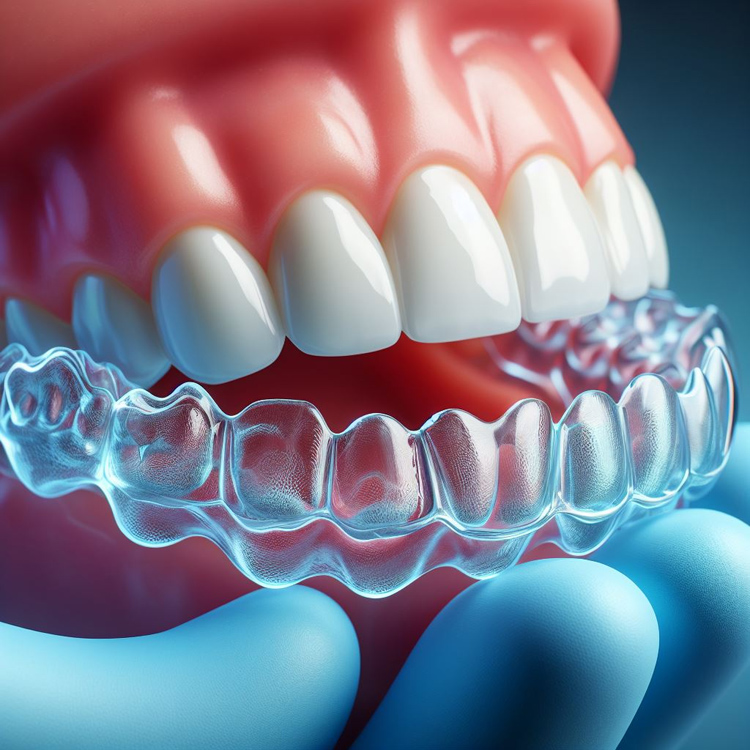
Orthodontists are consulted when large teeth cause severe crowding/bite misalignment issues that must be resolved utilizing corrective appliances (brackets/aligners).
Endodontists (root canal specialists) are necessary when fused/geminate teeth contain infected grooves extending below the gumline rendering them inaccessible for effective cleaning/plaque removal.
It is rarely medically urgent to address a developmental size variation since it was formed long after birth and is an intrinsic aspect of an individual's anatomy.
However, there are few instances where immediate attention is required: if the large tooth has developed deep decay; sudden nerve pain associated with the tooth; swelling in the gums surrounding the tooth due to trapped food/plaque accumulation within its developmental groove(s).
If you are seeking treatment purely to enhance your smile's appearance, you can comfortably schedule consultations at your convenience with trusted cosmetic dental clinics across Kerala.
Can a wide front tooth be safely filed down?
Yes. A cosmetic procedure called contouring could safely file-down the width of a wide front tooth if there is enough enamel on the surface of the tooth and the nerve chamber within the tooth is also safe.
Do genetic factors contribute to localized macrodontia?
Yes. Genetics are a primary factor that contributes to tooth size variability. Therefore, if a close family member has larger or wider teeth than normal, then you would most likely inherit some of their dental features as well.
What is the difference between dental gemination and dental fusion?
Dental Gemination: When a single tooth bud attempts to divide itself into two, the end result will be one tooth with an additional wide crown but still only one root. Dental Fusion: When two separate tooth buds merge together to create a new large tooth structure.
Identifying whether a wide tooth is caused by localized macrodontia, gemination, or fusion prior to beginning cosmetic treatment allows for the correct planning and implementation of cosmetic treatments. Modern dental diagnostics using digital radiography allow for precise planning of cosmetic treatments ranging from conservative cosmetic contouring to custom porcelain veneers. This ensures optimal long term oral health care while providing a confident and aesthetically pleasing smile.








.jpg)
.jpg)

.jpg)
.jpg)

.jpg)
.jpg)
.jpg)
.jpg)
.jpg)
.jpg)
.jpg)
.jpg)