.jpg)
A wrong position tooth — clinically referred to as malposition, ectopic eruption, or tooth displacement — occurs when a tooth emerges, drifts or is mechanically forced out of its ideal anatomical alignment within the dental arch. In the larger context of dentistry (orthodontics and periodontology) wrong-positioned teeth compromise the harmony of the relationship between the maxillary (upper) and mandibular (lower) arches.
When a tooth is incorrectly positioned it disrupts how the occlusal forces (the mechanical force applied to the teeth while eating) distribute throughout the arch. The improper positioning prevents the proper distribution of these forces directly onto the root structure and alveolar bone of the displaced tooth and therefore places undue stress on the periodontal ligament (a network of microscopic fibers that anchor each tooth to its respective socket in the jawbone). As a direct result of chronic eccentric loading (uneven distribution of forces), localized bone loss will occur. Continued aberrant positioning of teeth can also create structural problems for adjacent teeth, lead to TMJ disorders and generate accelerated enamel wear.
Definition: A clinically defined Deviation of a tooth from its normal spatial location in the dental arch resulting in both functional and structural misalignment.
Indications that Require Urgent Intervention: Sudden alterations in the position of the upper/lower jaws, sharp pain during mastication, localized swelling of the gums, loose teeth, or recurrent bleeding.
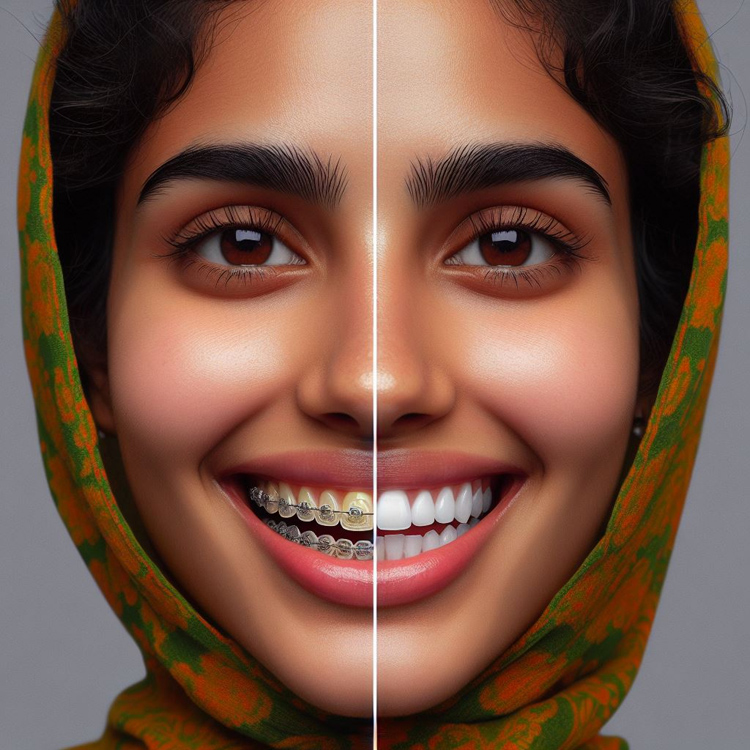
Recovery Options: Clear aligners, fixed or ceramic orthodontic braces, surgical fenestration for impacted teeth, cosmetic contouring, or prosthetic crowning.
Kerala Context: High incidence in Kerala due to genetic tendencies (e.g. Bimaxillary protrusion) and delayed mixed-dentition screening during childhood.
Patients who have one or more wrong position teeth experience distinctive visual, tactile and functional deviations.
Visual symptoms include visible rotations, lingual versions (tilt inwards towards the tongue) and buccal versions (tilt outwards toward the cheek) of individual teeth which frequently result in overcrowding preventing dental floss being able to pass through the interdental space.
Tactile symptoms involve a persistent dull ache in the alveolar bone surrounding the tooth as the tooth absorbs unequal forces. The tongue usually instinctively visits a displaced tooth, identifying sharp or irregular surfaces.
Functional symptoms include upper and lower jaws no longer meeting correctly. Often, there will be a premature contact created where the wrong position tooth impacts its opposite tooth before all other teeth make contact creating a sudden shock when attempting to close the jaw.
Some clinical indicators of a wrong position tooth warrant urgent evaluation by a dental professional in order to prevent long term structural damage.
Eccentric loading of the root structure: If the displaced tooth becomes mobile or feels loose it indicates a failure of the periodontal ligament or extensive resorption of alveolar bone.
Persistent unexplained periodontal abscess formation: Recurring swelling, purulent drainage and/or a deep red appearance around the base of the displaced tooth may be indicative of a deep-seated bacterial infection in the periodontal pocket that is likely secondary to poor access for cleaning.
Evidence of pathological resorption of the adjacent healthy tooth root: This occurs when the chronic mechanical pressure from a displaced tooth causes the root structure of an adjacent healthy tooth to break down. While this destructive process is often entirely asymptomatic in its early stages and caught only via routine dental radiographs, persistent radiating pain extending toward the jaw or ear typically signals that the condition has progressed to cause pulpal inflammation (nerve involvement) or secondary infection in the affected teeth.
Malposition of teeth results from a combination of developmental delay, habitual practices and traumatic injury.
Inadequate jaw-to-tooth relationship: A genetically-based mismatch of jaw size versus tooth size, thereby limiting adequate room for the permanent teeth to develop in their optimal position. As a result, they develop in suboptimal positions.
Long term non-nutritive suckling behavior: Long-term suckling behavior on thumbs/pacifiers after age 3 exerts chronic mechanical pressure on the anterior alveolar process expanding/flaring the frontal teeth outward.
Early loss of primary dentition: Early loss of a milk tooth causes adjacent teeth to drift forward into vacant space. Eventually this prevents proper development of the next tooth coming up from under the lost tooth. The new tooth develops abnormally either horizontally or remains entrapped.
There are several intrinsic factors that contribute to an increased chance of having teeth that are improperly aligned:
Genetic Influence: Families residing in Kerala exhibit a high frequency of certain craniofacial configurations (bimaxillary protrusion) that influence children to have severe crowding and displaced teeth.
Soft diet habit: Soft diet consists mostly of ultra-processed soft food products that do not require sufficient chewing effort in young children to stimulate strong lateral jaw growth.
Adult periodontitis: Adult chronic gum disease damages bone support. In turn, even moderate chewing efforts can cause healthy adult teeth to become misaligned/pathologically migrated.
You can evaluate visually and functionally yourself using a plain mirror with adequate light without using any tools made of metal (toothpicks etc.) or applying excessive pressure with your fingers. There is always a danger of fracturing the delicate underlying bone when displacing a wrong position tooth using excessive force.
Visual alignment assessment: View your smile straight-on in the mirror. Evaluate whether any one particular tooth projects entirely beyond the curve formed by your other teeth. Also assess whether any particular tooth appears significantly rotated.
Assessment of gum lines: Evaluate the gum lines around your suspect tooth. Are you experiencing gum recession, inflammation, or swelling greater than those around your neighbor teeth? Incorrectly positioned teeth most commonly demonstrate localized gum recession.
Bite occlusion assessment: Gradually bring your top and bottom teeth together. Identify whether your incorrectly positioned tooth comes into contact first. Assess if you need to glide your lower jaw laterally so that your other teeth fit together normally.
Accurate diagnosis involves a structured clinical evaluation performed by a licensed dental provider using advanced diagnostic tools including imaging modalities and clinical vitality tests.
Digital imaging and visual mapping: our dentist maps areas around your displaced tooth to identify localized plaque retention sites and measures pocket depth using a fine periodontal probe.
Imaging studies: Use orthopantomogram (OPG) or Cone Beam Computed Tomography (CBCT) scans to visualize in three dimensions the actual angular orientation of your displaced tooth’s root relative to major nerve tracts (such as inferior alveolar nerve) and quantify the amount of alveolar bone available to support your displaced tooth.
Internal nerve/vascular tests: Determine if your internally supplied blood vessels and nerves associated with your displaced tooth are functioning properly via thermal/electric pulp testing. Verify that abnormal stresses from malposition did not result in pulp necrosis.
|
Degree of Severity |
Clinical Description |
Implication on Structural Integrity |
|
Mild |
Less than 2 mm away from its intended position or slightly tipped. No functional impact. |
Cosmetically negligible, easy to maintain cleanliness with appropriate flossing techniques. |
|
Moderate |
Notably crowded/displaced (2-5 mm); some functional changes noted. |
Some additional plaque formation, local gingivitis, moderate wear on opposing enamel surface. |
|
Severe |
Greater than 5 mm displacement, completely erupted outside the arch (ectopic), rotated greater than 45 degrees, or severely impacted below bone. |
Significant potential for irreversible damage/resorption to roots of adjacent healthy teeth, localized bone destruction, severe masticatory dysfunction, and TMJ disorder symptoms. |
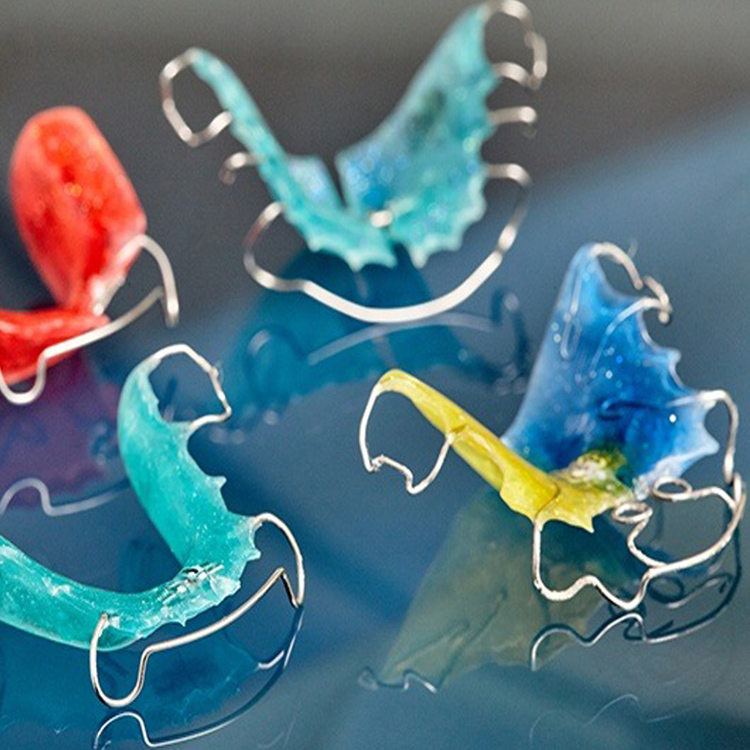
Treatment options for correcting a wrong position tooth include current state-of-the-art orthodontics, biomaterials and precisely calculated biomechanics.
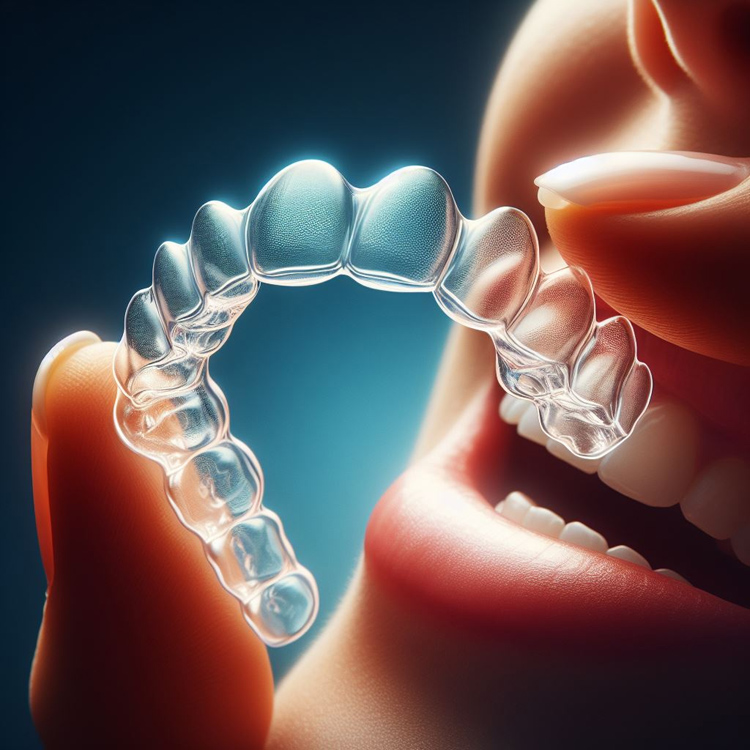
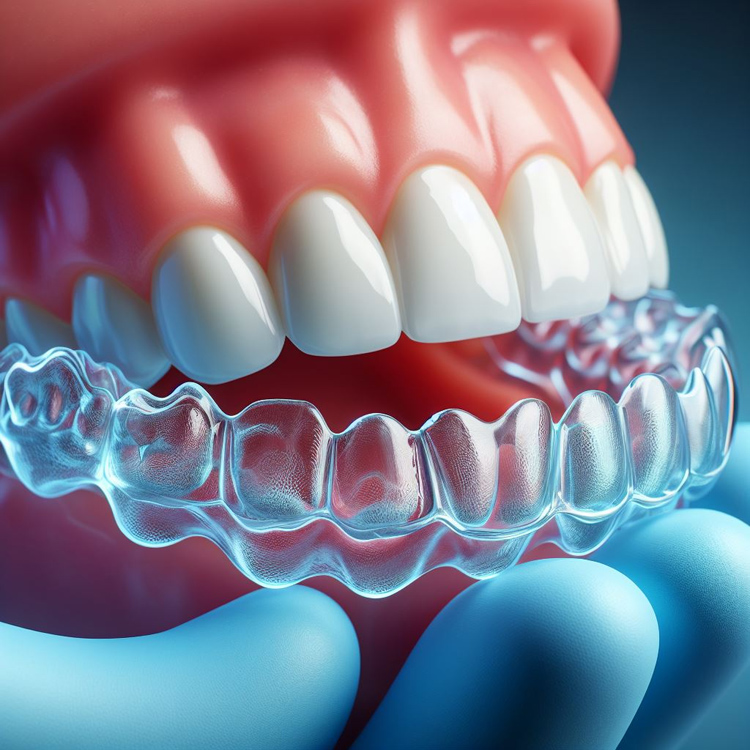
Sequential customized polyurethane transparent appliances (clear aligner): Utilize customized appliances constructed from advanced medical-grade thermoplastics (such as specialized polyurethane or co-polyester/PETG layers) to apply measured, incremental mechanical forces to gently guide the malpositioned tooth back into alignment.
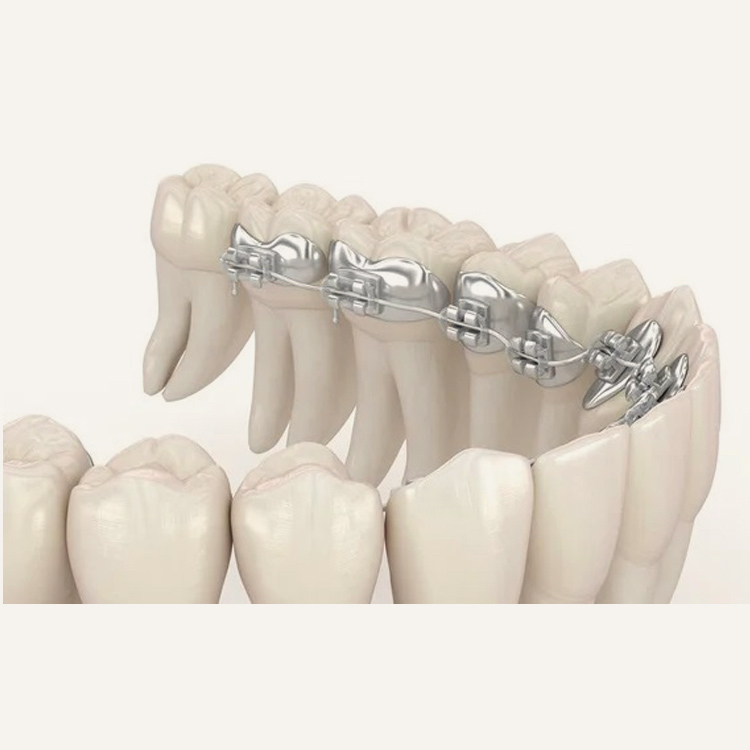
Stainless steel/ceramic fixed orthodontic brackets: When more pronounced correction is necessary, stainless steel or ceramic brackets are attached to your enamel. A high elastic modulus niti alloy wire is used to guide significant bodily movement of your tooth root structure.
Surgical exposure/attachment by oral surgeon/orthodontist: If a tooth is embedded (impacted) in the palate, an oral surgeon exposes the crown surgically. The orthodontist then attaches an appliance to gently move the exposed crown into place over several months.
Orthodontic treatments in Kerala vary based upon type, degree, material choice and clinic site:
Standard metal/ceramic braces: Most common types of orthodontic corrections range from ₹35,000 – ₹65,000 at multispecialty clinics located in major cities like Kochi, Trivandrum and Kozhikode.
Premium clear aligner workflow: Typically clear aligner therapies cost anywhere from ₹70,000 to ₹1,50,000 based upon whether mild corrective guidance or total arch realignment is required.
Surgical removal/exposure: Minor surgical exposure of an impacted tooth ranges from ₹5,000 – ₹12,000 per affected tooth.
In general, most Indian insurance plans categorize orthodontic alignment as cosmetic and therefore pay little to nothing. Many premium clinics offer low-interest EMIs as an option to help patients finance treatment.
Your treatment will depend on which of the three dental specialists is best suited to provide the proper care and treatment for your misplaced tooth:
Orthodontists: Orthodontists are necessary for developing the mechanical forces needed to safely move mal-positioned teeth using either braces or aligners.
Periodontists: In order to perform the bone grafts or soft tissue regeneration needed to repair the deep gum recession or localized bone loss caused by a displaced tooth, you will need to see a periodontist.
Oral and Maxillofacial Surgeons: Oral and maxillofacial surgeons are required if a mal-positioned tooth is so structurally fixed in the jaw that it needs surgical exposure or removal.
Timing for consultation depends heavily on the underlying cause. If a tooth has changed position suddenly due to a traumatic sports or impact injury, this constitutes an acute dental emergency (luxation injury). Immediate emergency evaluation within hours is critical to rule out jaw fractures, reposition the displaced tooth, and apply a stabilizing splint to preserve the damaged periodontal ligament fibers. Conversely, developmental crowding, slow genetic misalignments, or gradual structural shifting are non-emergencies; setting up a consultation within weeks or months is perfectly safe.
Will adult teeth ever change their positions?
Yes. Teeth in adults can move due to: late jaw development, chronic gum disease (causes weakening of the supporting bone), localized forces applied through repeated habits such as bruxism (teeth grinding).
When one back tooth is removed and not replaced with another tooth, adjacent teeth naturally tilt and move towards the open area created by removing the first tooth.
Do I have to pull my wrong position tooth before I can get braces?
Not necessarily. Modern orthodontics utilizes techniques like arch expansion and Interproximal Reduction (IPR)—safely shaving a fraction of a millimeter (0.2–0.5 mm) of enamel from the sides of adjacent teeth—to resolve mild to moderate crowding without extractions. However, if there is severe crowding, an underlying skeletal discrepancy, or a highly prominent profile common in regional conditions like bimaxillary protrusion, therapeutic extraction of select teeth remains a safe and scientifically proven method to create a stable, beautiful bite.
How does what you eat locally in Kerala affect your teeth that are already incorrectly aligned?
If you regularly consume crunchy foods such as banana chips (kaaya varuthathu) or crack-open local seafood (such as crabs) then they are applying additional, irregular forces on those areas where your teeth are already stressed. As a result, this force causes micro-cracks in your enamel or makes your existing mis-aligned tooth even more mobile.
Correcting a displaced or malpositioned tooth is about much more than enhancing a smile, it is a clinical necessity to preserve the long-term health of your teeth and jaw. When a tooth sits outside its natural alignment, it creates structural weak points that leave it vulnerable to uneven wear, gum damage, and decay. Modern dentistry offers comfortable, predictable options like clear aligners and customized orthodontics to address these issues safely. Early intervention is key—identifying positional shifts early allows us to apply conservative therapies, protecting the integrity of your smile and avoiding complex surgeries later in life.





.jpg)
.jpg)
.jpg)
.jpg)
.jpg)
.jpg)
.jpg)
.jpg)
.jpg)
.jpg)
.jpg)
.jpg)