
Aged-smile presents as an aesthetic and functional disorder in which there is a gradual reduction in the vertical dimension of occlusion and severe attrition with a resultant loss of enamel. Aesthetically, the appearance of the aged-smile may be characterized by the yellowing of teeth (due to dentinal exposure), shadowing, and an apparent shortening of teeth due to structural changes that result from cumulative tooth wear (or attrition). Functionally, this disorder can have significant impacts on oral function and overall quality of life.
Aged-smile presents as an aesthetic and functional disorder in which there is a gradual reduction in the vertical dimension of occlusion and severe attrition with a resultant loss of enamel. Aesthetically, the appearance of the aged-smile may be characterized by the yellowing of teeth (due to dentinal exposure), shadowing, and an apparent shortening of teeth due to structural changes that result from cumulative tooth wear (or attrition). Functionally, this disorder can have significant impacts on oral function and overall quality of life.
Clinical Definition: Severe dental wear resulting in a "shortened" and discolored appearance of the teeth; premature aging.
Triggers: Chronic bruxism, acid consumption, and the normal aging process, influenced by lifestyle choices.
Urgent Indications: Spontaneous sharp pain, severe thermal hypersensitivity, or sudden chipping of brittle enamel edges.
Recovery/Repair: Porcelain veneer(s) placement, full mouth restoration/crowns/composite bonding.
The patient's first-hand observation is noticeable wear of their teeth (shortening), discoloration (dark yellow/brown) through the eroded enamel and sharp, jagged edges on incisors causing irritation to the tongue & lip.
Patients will also notice less facial structural support in the lower third of the face which results in accentuated lines around the mouth.
Patients may experience an increase in sensitivity to cold liquids and sweet foods due to the erosion of the outer layer of enamel exposing the dentinal tubules (microscopic tubes) that lead directly to the pulp chambers.
Pain or pressure that spontaneously occurs or throbs, and indicates either exposure of the pulp chamber or micro-fractures from tooth structure damage extending past the gum line.
A local area of gums receding from the root surface of a tooth, swollen areas that persist; or, a sudden onset of significant discomfort while chewing without experiencing excessive fatigue in the jaw indicate deep tissue or severe malalignment issues.
Mechanical causes of tooth wear include excessive bruxism (grinding your teeth) and using too much force with an abrasive toothpaste when brushing.
Repeatedly consuming foods and drinks that are high in acidity (such as citrus fruits, soda, etc.) can also cause erosion of the enamel by breaking down the enamel matrix.
Acid reflux (GERD) is a long-term condition which can chemically break-down minerals at the surface of the teeth over time.
Other underlying conditions that lead to premature loss of structure include genetic age-related changes, xerostomia (dry mouth), and malocclusions (bites that do not fit together correctly).
Frequent use of food and drink products high in sugar and/or acid will increase your risk of losing structure through habitual behavior.
Stress caused by work, anxiety, or other pressures may result in unconsciously clenched jaws, further weakening your dentition's structural health.
Use a mirror to preliminarily evaluate your smile.
Bright lighting should be used when evaluating your smile with a mirror for the following signs of aging:
Are your upper front teeth obviously flat/translucent/shorter than they were?
Is there a yellow coloration at the gum line where the enamel is thin?
Does your mouth feel slightly sensitized when breathing through it, or consuming foods and beverages that are hot or cold?
A dentist uses clinical examination tools such as periodontal probes and high-resolution digital radiographs to check bone levels and pulp health.
In addition, transillumination can help detect micro-fractures; vitality testing will assess nerve health.
An occlusal analysis evaluates how your upper and lower teeth meet during movement.
Mild: Enamel has been worn away to a very small extent; there is an extremely minimal amount of edge chipping and some yellowness and no pain at all.
Moderate: Teeth have been shortened noticeably, the root structure is exposed, and there may be moderate amounts of thermal sensitivity when consuming foods and beverages that are hot or cold.
Severe: Vertical tooth height has decreased substantially, there could be micro-fractures in several areas, there is a significant possibility that pulp will be exposed during treatment, and patients will experience problems chewing food.
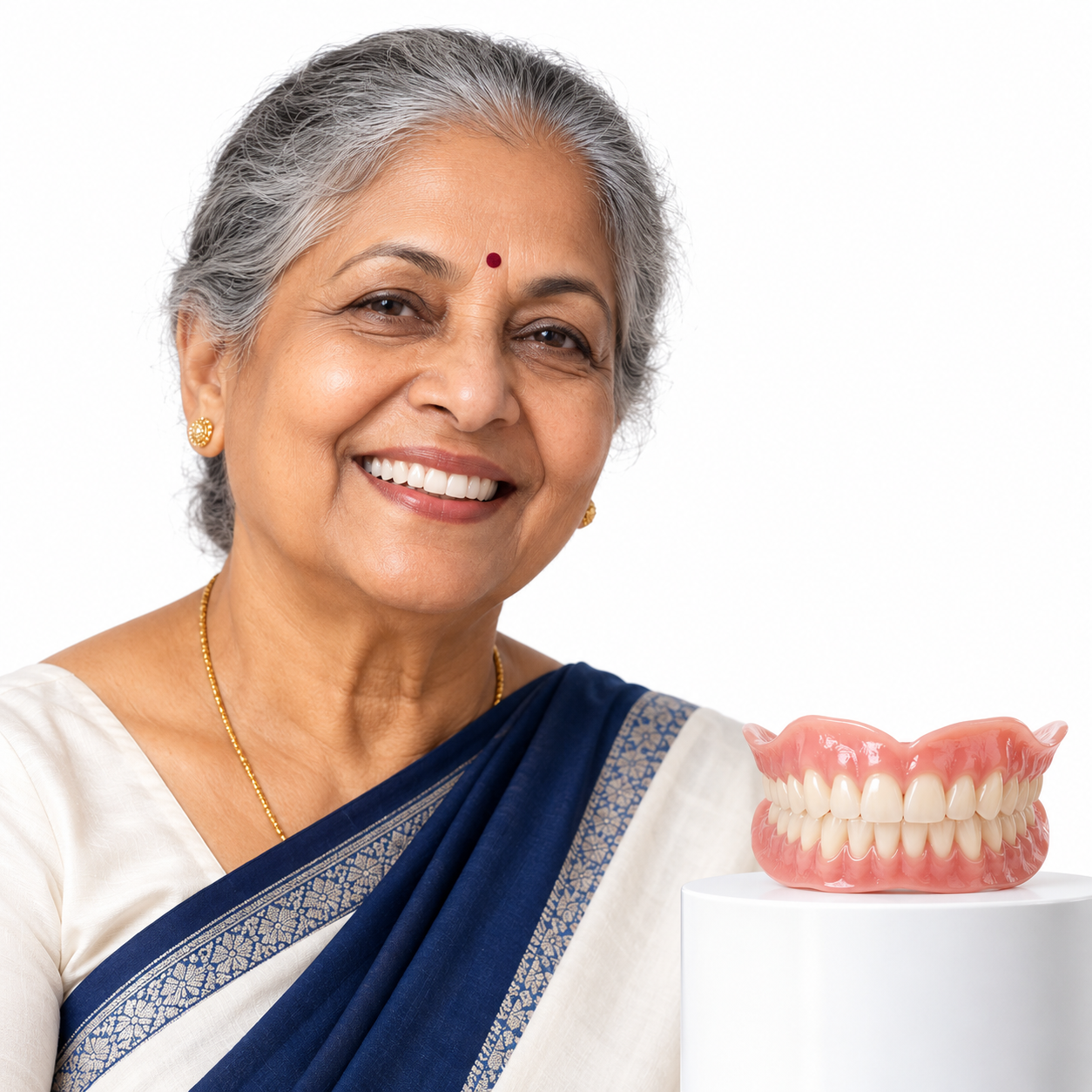
The most common treatments today include ultra-thin lithium disilicate porcelain veneers, direct composite bonding utilizing nanofilled composites, as well as full mouth reconstruction through the use of crowns to achieve proper tooth length.
Comprehensive restoration costs vary based on clinic tier and materials in Kerala.
A single porcelain crown usually ranges from INR 6000-18000.
A full mouth rehabilitation can cost anywhere from INR 1.5 Lakhs up to 4 Lakhs.
Generally insurance will cover functional restorations; however, purely cosmetic veneer procedures are generally out of pocket.
A general dentist can address minor bonding and provide preventive dentistry. Moderate to extreme cases may need to be referred to either a prosthodontist for bite reconstruction/aesthetics, an endodontist for root canal therapy if there is a compromise to the pulp, or a periodontist for gum recession due to loss of attachment.
For the most part, all cosmetic and structural wear repairs are elective and can be performed by you at a time that is convenient for you. However, if your tooth has worn down enough to expose the pulp chamber of your tooth, or sharp fractured edges have cut through the tongue area, an urgent 24-48 hour clinical appointment will need to be made in order to prevent infection and loss of nerve function.
Why do my teeth appear to be shorter and yellower as I get older?
This is due to continuous mechanical chewing wear thinning the hard, protective outer layer (enamel) of the tooth exposing the naturally yellow color of the underlying dentin layer making your teeth appear shorter and darker.
Can an old smile be restored using minimal removal of healthy teeth?
Yes. Modern techniques include utilizing ultra-thin, minimally invasive porcelain veneer systems and additive composite bonding systems that require minimal removal of natural tooth structure.
Are the effects of teeth aging reversible?
While lost enamel cannot grow back on its own, modern restorative dentistry can completely restore both visually and functionally the symptoms of dental aging.
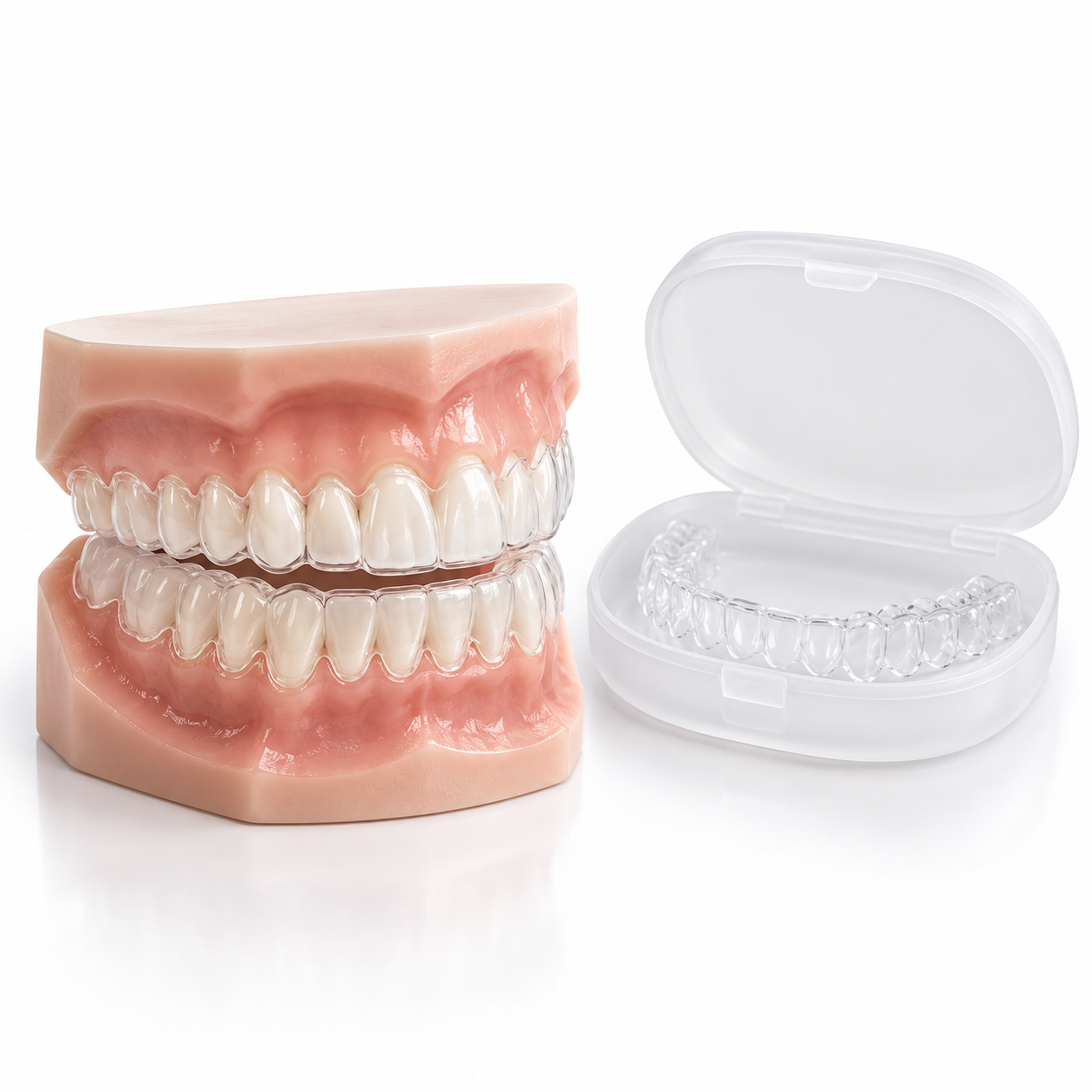
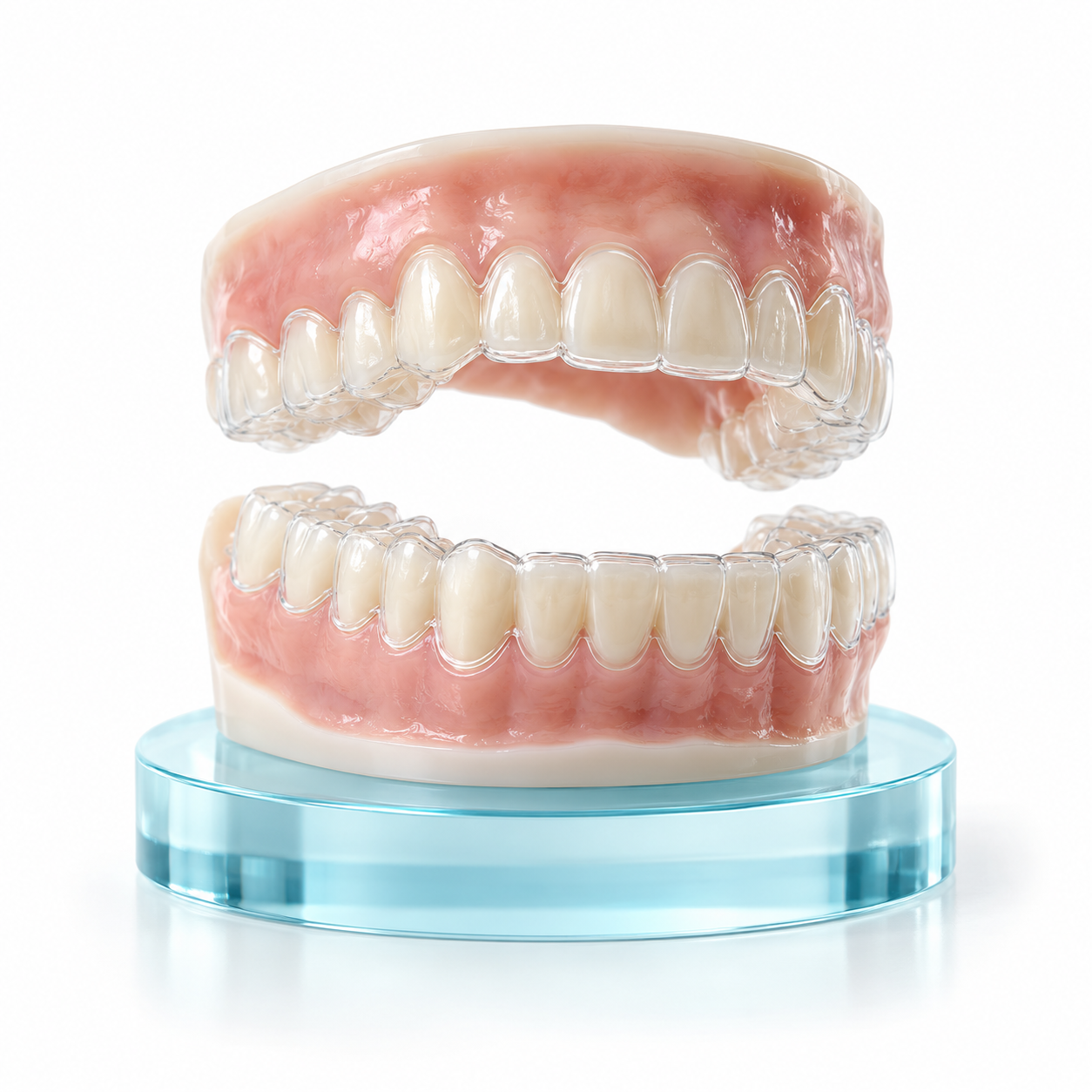
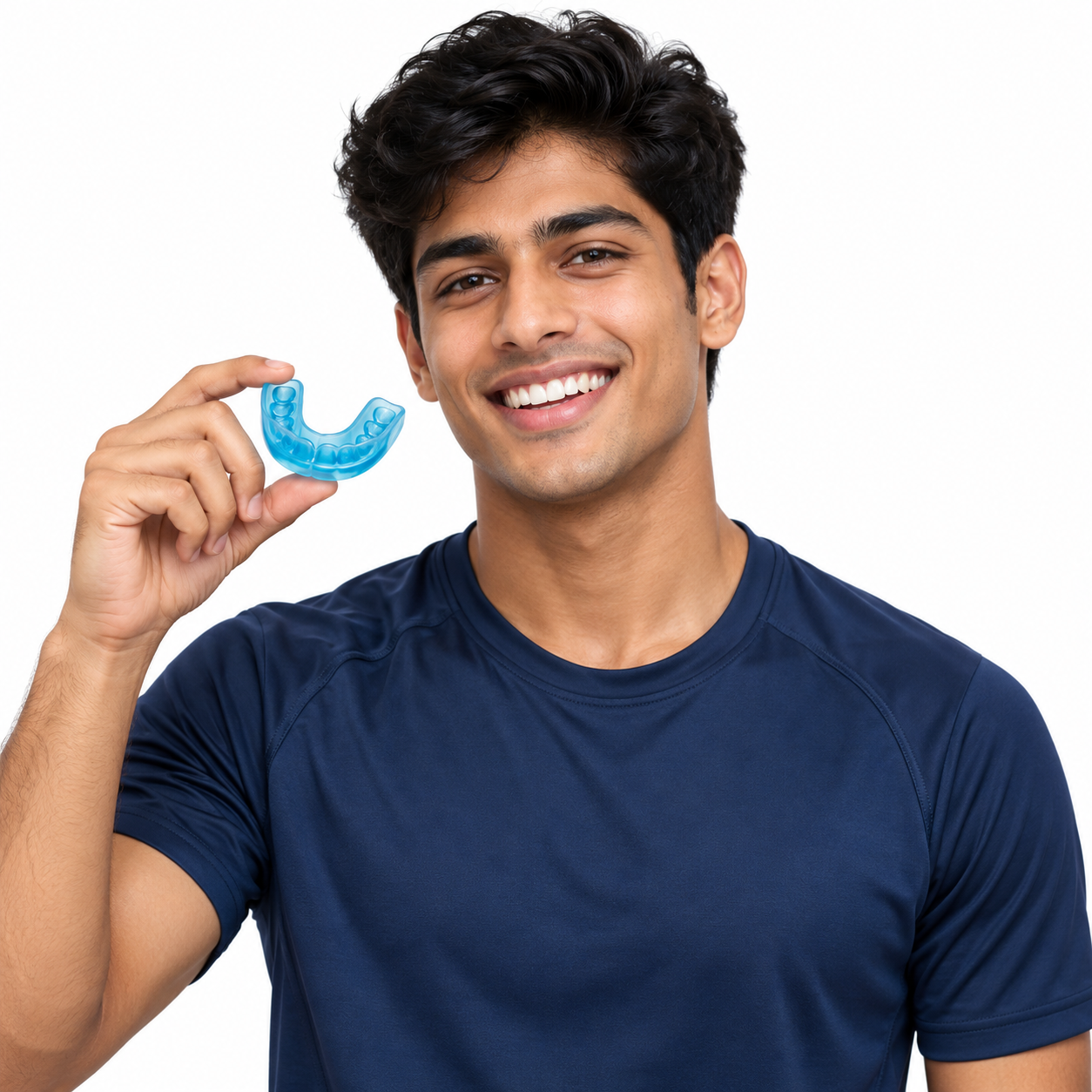
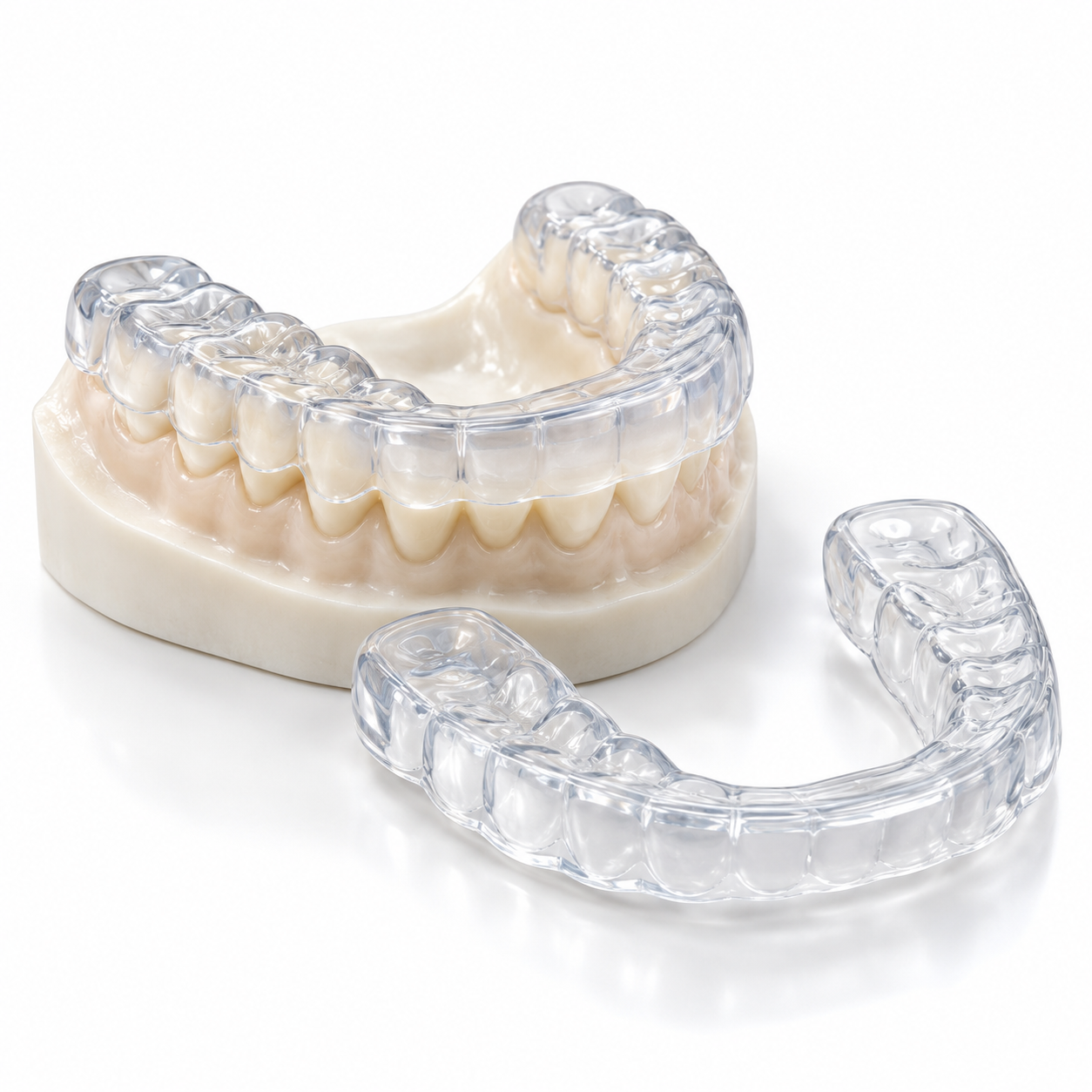
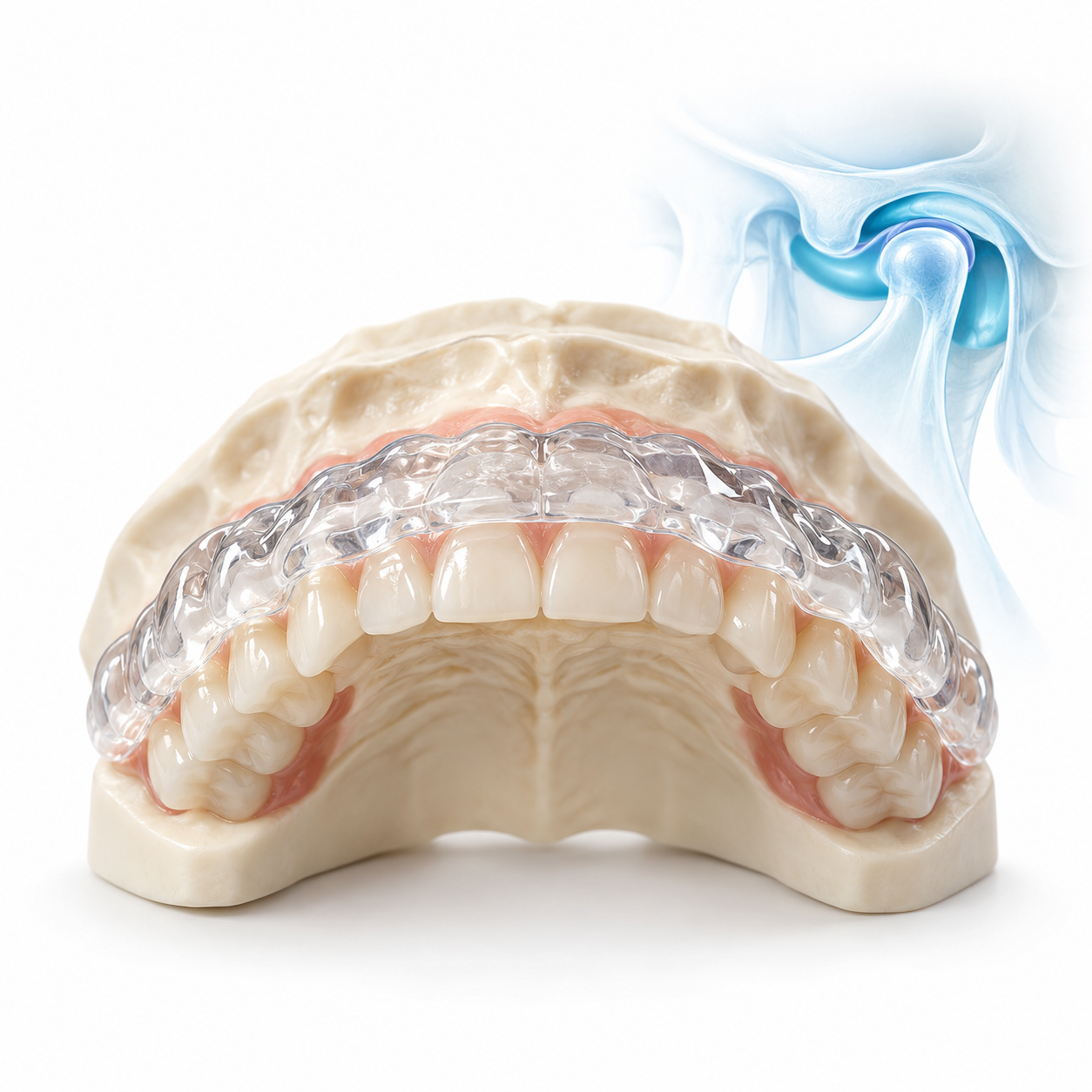
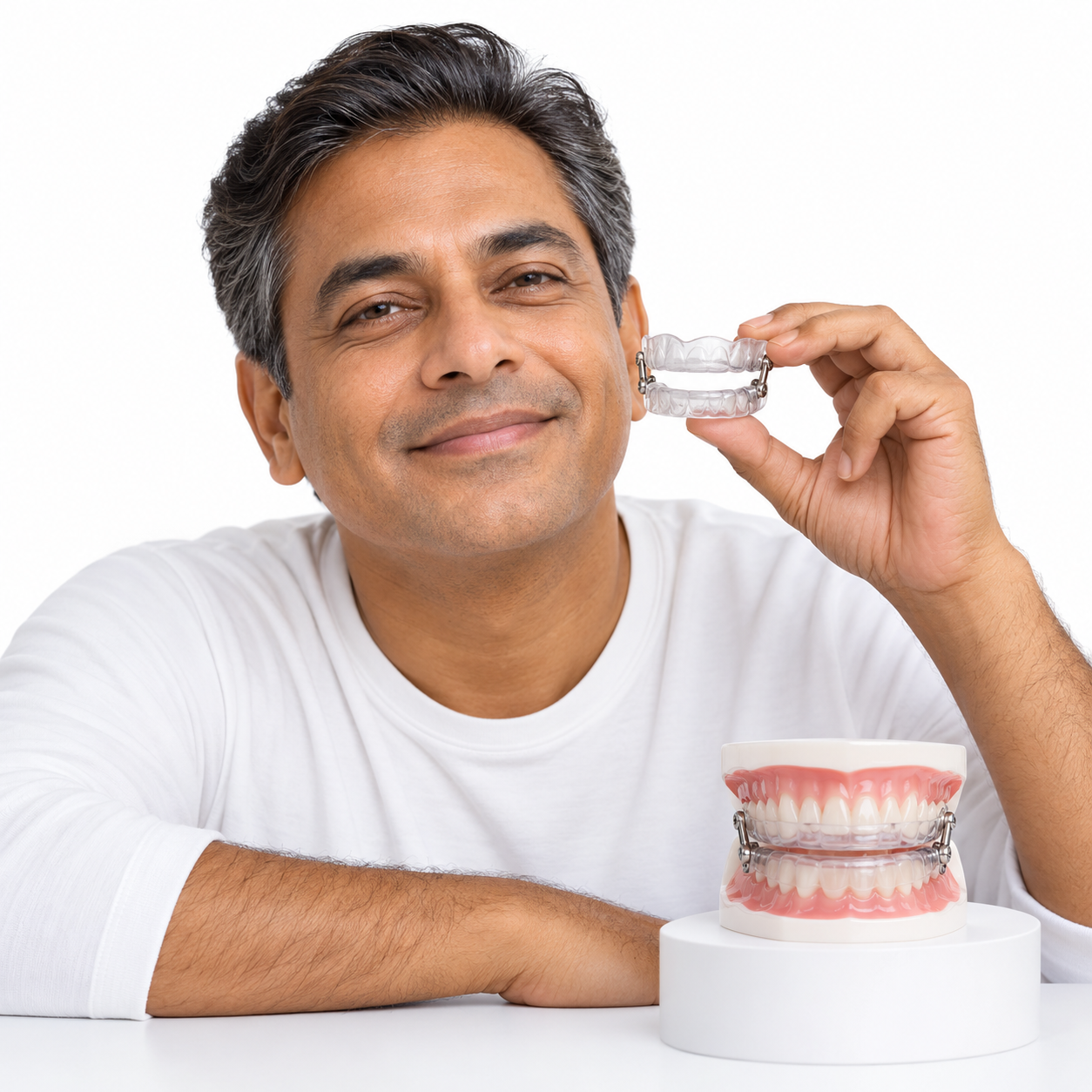
Rehabilitation of an aged smile is best accomplished when there is a balance between biological restoration and biomechanical considerations. When you restore the vertical dimension of your teeth, it not only improves facial aesthetic appearance and youthfulness but also protects long term joint health and chewing function. It is very important to be compliant with regular maintenance appointments and nightly use of your night guard to protect your investment in restoring your smile.


.jpg)
.jpg)
.jpg)
.jpg)
.jpg)
.jpg)
.jpg)
.jpg)
.jpg)
.jpg)
.jpg)
.jpg)
This site is part of the DEC Dental Network — a Dental Equity & Connectivity ecosystem of clinical, educational, and patient-support brands operated by Team Dental Pvt. Ltd. Our network works as one — guiding you from your first search to your final smile.
© 2026 Team Dental Pvt. Ltd. · Founded 2013, Angamaly, Kochi, Kerala
About DEC Dental