loader

Full-Mouth Rehabilitation Under General Anesthesia (GA)

Home› Treatments› Full-Mouth Rehabilitation Under General Anesthesia (GA)
Full-Mouth Rehabilitation Under General Anesthesia (GA) Treatment
Watch Video
Authored by Dr. Sreeja Aravind
Reviewed by Dr. Seby Varghese

Fast Facts

99% say it's "Worth It"
300000/- to 800000/-
Longevity: Last for long term if everything including your health and your care works properly.
Duration: Varies from individual to individual.

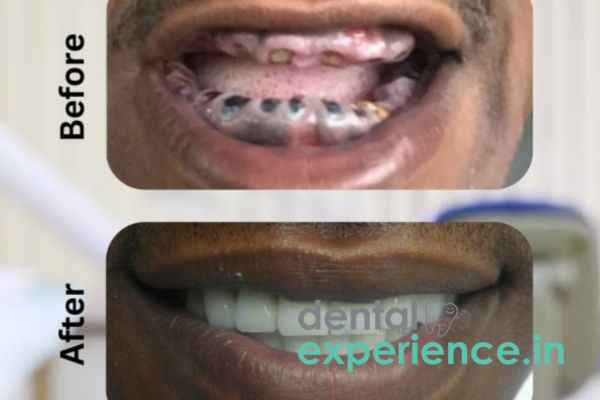
Full-mouth rehabilitation under general anesthesia (GA) is a comprehensive dental treatment approach ideal for patients with extensive dental issues, severe anxiety, special needs, or low pain tolerance. The procedure allows all necessary dental work to be completed while the patient is fully asleep, ensuring comfort, efficiency, and a stress-free experience.

Ask Your Question
Share this page
What is it?

Full-mouth rehabilitation under general anesthesia (GA) is an all-encompassing dental procedure performed on children requiring extensive oral treatment but who, for various reasons, cannot tolerate traditional chairside care. This approach allows pediatric dentists to treat all dental conditions—such as multiple caries, infections, or congenital issues—in one appointment, while the child is safely sedated. In contemporary pediatric dentistry, it provides an essential opportunity for a complete oral rehabilitation without requiring the child to experience a distressed emotional and physical state more than once.

Why is it needed?

The primary purpose of full-mouth rehabilitation under general anesthesia is to restore optimum oral health in children, who, for reasons of fear, anxiety, special healthcare needs, or because the extent of required treatment is so great, simply cannot tolerate the average dental procedure. This one-time, consolidated intervention is designed to help prevent future oral complications, reduce the overall time of the procedure, and improve the child’s quality of life. It also guarantees the restoration of functional bites, alleviates pain, and improves aesthetics.

Who Should Consider It?

  • Children who exhibit rampant caries which can affect multiple teeth.
  • Children who do not cooperate due to dental anxiety, or behavior problems (ADHD, ODD).
  • Children with disabilities or developmental delay (e.g. , autism, cerebral palsy).
  • Children who are medically compromised and require hospital level monitoring.
  • Children who have numerous treatments, (pulpectomies, extractions, and crowns), in one appointment.

Pediatric dentists typically evaluate the child's medical history, dental health, and child readiness for full mouth treatment under GA.


What are the Different Types?

There are several different type full mouth hospital treatment under GA :

1. Type of Treatment

  • Preventative (sealants, fluoride),
  • restorative (fillings, crowns),
  • surgical (extractions),
  • endodontic (pulp therapy).

2. Setting

  • In hospital and dental facilities or only dental surgical suites (with anesthesia support).

3. Anesthesia Type

  • Inhalational general anesthesia with endotracheal tube and intubation,
  • intravenous (IV) anesthesia depending on children's medical status, and length of procedure.

What are the steps involved in the treatment?

There are multiple key steps of treatment in this process:

  • Initial Assessment- Oral health examination, radiographs, and treatment plan.
  • Preanesthesia Assessment- The child's medical doctor or anesthetist will assess the child for fitness under general anesthesia.
  • Pre-operative Instructions and Consent- Parents will be provided with pre-operative instructions on how to prepare including fasting, and a parent/guardian would also consent for treatment.
  • Procedure day- The child would be sedated under general anesthesia, and treated within a sterile surgical environment.
  • Execution- Once sufficient anesthesia is obtained the pediatric dentist will render all treatment needed in one visit- fillings, crowns, pulpotomy, or extractions.
  • Post-operative monitoring- The child will recover in the procedural environment until the anesthesia has cleared, and the child will be monitored prior to discharge.
  • Instructions to Parents/Guardians - The dental office will print out post-operative instructions for the parents to follow at home for the child after dental procedures.

What are the benefits?

  • Comprehensive Care: Comprehensive care. in One Appointment: No need for numerous appointments.
  • Pain-Free Procedure: The child feels no discomfort during the procedure.
  • Minimized Psychological Trauma: Particularly important for children who are anxious or uncooperative.
  • Better Function & Aesthetics: Restored ability to chew and look good smiling.
  • Better compliance: Makes it easier for the parent and practitioner.


What are the advantages over other options?

In contrast to traditional chairside dentistry for children, full mouth rehabilitation done under general anesthesia provides:

  • High Efficiency: All procedures can be completed in one appointment.
  • Less Behavioral Management Issues: There is no need for restraint or sedation for each appointment.
  • Safe for Special Needs Children: There is increased vital monitoring and comfort.
  • Long-Term Outcomes: When a child receives comprehensive treatment, one is less likely to have problems a second time.

How Long Does it Last?

The duration of the dental work accomplished while under general anesthesia will be based on:

  • Material Used: Stainless steel crowns typically provide for 5–8 years of service. Fillings may need to be replaced after a few years.
  • Maintaining Oral Hygiene: Children who have good oral hygiene, habitually tend to have greater durability.
  • Diet: Eating less sugar and foods that do not promote decay, will also be better for their treatment.


How long does the procedure take?

While the actual dental procedure once asleep can take about 1 to 3 hours based on the dental work, the total time at the hospital from the pre-op to post-operative time could take about 4 to 8 hours. Children are usually discharged on the same day unless there are complications.

How much does it cost in India?

In India, the cost for full mouth rehabilitation under general anesthesia can range from ₹30,000 to ₹1,20,000 depending on:

  • Location: fees are higher for metro cities and private hospitals.
  • Type of Procedure: more complex treatments and materials add to the cost.
  • Anesthesia Charges: often charged separately in the range of ₹15,000 to ₹30,000.

Occasionally, some government and charitable hospitals may offer subsidized costs for special needs children.

What are the Risks and Complications?

In general, these procedures are pretty safe, while there are risks associated with the procedure.

  • Anesthesia Reactions: These can include nausea, vomiting, or rarely, allergic reactions.
  • Post-Operative Pain or Swelling: usually temporary and manageable.
  • Infection or Bleeding: very rare if protocols are followed.
  • Tooth sensitivity or bite concerns: there may be follow-up appointments needed for post-op adjustments.

There are specialists and well-equipped facilities to minimize risk during the procedure, as anesthesia is administered by trained anesthesiology in the operating room, and the procedure is performed in a hospital setting by a pediatric dentist.

What are the Disadvantages?

  • Higher Initial Cost: due to the use of anesthesia, the necessary time in the hospital, and the setup of the space in the hospital.
  • Less Accessible Process: not all clinics have the necessary equipment to accommodate GA.
  • Parental Anxiety: parents often express anxiety about their child being put under gas for treatment.
  • Need for Strong Parental Compliance: parents have to comply with strict protocols for aftercare in the post-op time for treatment or complications.

What are the Alternatives?

  • Conscious Sedation (Nitrous Oxide): for moderately anxious children.
  • Multiple Appointments: for families with a cooperative child with a small number of needed treatments.
  • In-Clinic Management of Behavior: for mild cases.
  • Minimal Intervention Dentistry: for patients displaying incipient lesions and good cooperation.

These alternatives may work well for certain families, but often do not generate the stress-free status, especially in more complex cases. 


How To Care For Yourself Post-Treatment?

In the post-operative phase, aftercare is extremely important to allow healing and treatment to thrive long term:


  • Diet: start soft food diets, high volume of clear fluids, and soft food diets; while avoiding hard snacks and sticky foods.
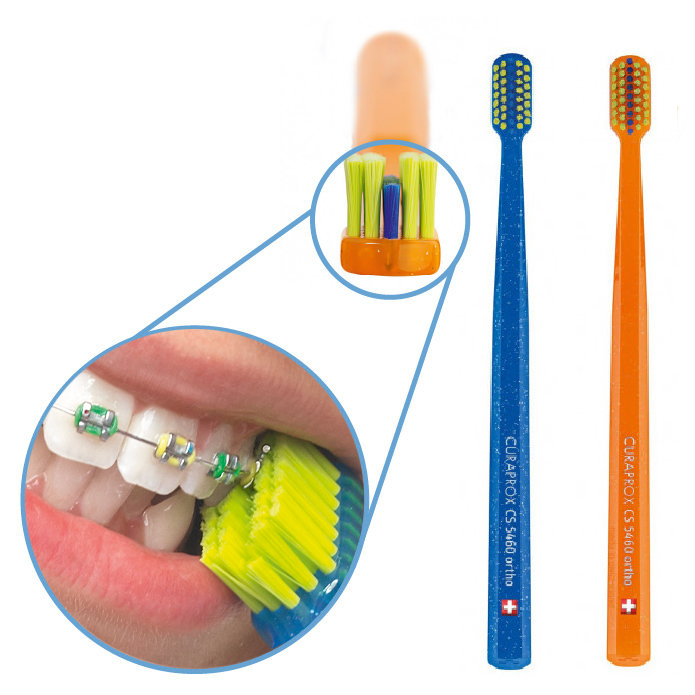
  • Oral Hygiene: brush with soft bristled toothbrush, and start by gently cleaning teeth the following day after anesthesia.
  • Pain: adhere to medication protocols.
  • Monitoring for Fever or Swelling: report immediately if symptoms are present after 48 hours.
  • Follow-up visits as needed for dental exams to monitor oral health and longevity of dental treatment. It is also important to help build healthy habits at home to avoid repeat procedures.

Our Store

Call Us Make an Appointment