Dry mouth or Xerostomia results from insufficient production of saliva by both major and minor salivary glands to maintain moisture in the oral cavity. The saliva serves as a self cleaning and protective mechanism for the oral mucosa, tongue, and tooth enamel. When salivary flow drops below .10 mL/min while at rest, it causes the protective mucous layer over the oral mucosa, tongue, and tooth enamel to deteriorate. This allows bacteria to colonize rapidly, causing cervical caries, micro fractures of the dentition, and fungal infections.
Clinical Term: Xerostomia (Hyposalivation)
Common Symptoms: Sticky oral mucosa, altered taste (dysgeusia), dryness of lips, and persistent thirst.
Warning Signs: Dysphagia (difficulty in swallowing), chronic burning sensation of the tongue, severe rapid progression of decay at the gumline, and chronic white patches (oral candida).
Primary Treatment Options: Use artificial saliva substitute, use sialogogue (stimulate salivary glands), use topical fluoride varnish, and modify medications related to the patient's overall health.
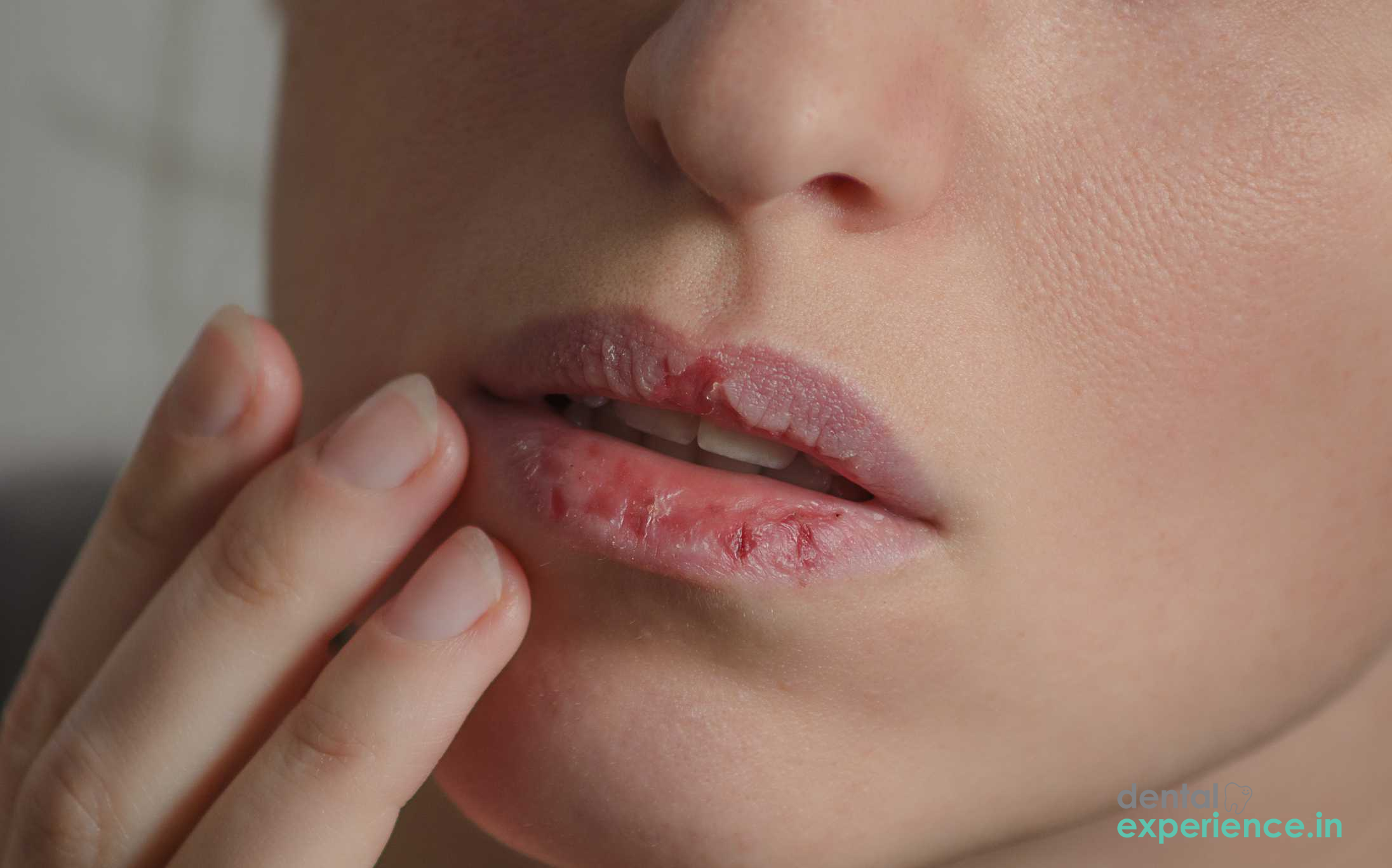
Visual/Tactile: Sticky, dry oral mucosa, thick saliva, fissured or raw red tongue (atrophic glossitis), and fissured or dry lips (cheilitis).
Changes in Taste/Smell Perception: Chronic burning sensation of the tongue/palate, altered/different/metallic taste perception (dysgeusia).
Chewing/Swallowing Problems: Difficulty eating crunchy/chewy/crispy foods (banana chips etc.) without liquids, trouble talking/conversating for extended periods without drinking water, and chronic sore/thirsty throat.
Dental Indicators: Severe decay on the margins of gums surrounding multiple teeth (cervical margin) and/or constant trapping of food particles between teeth.
Get an immediate medical appointment if you have one or more of the following warning signals:
Heavy Dysphagia: Difficulty swallowing solids, or liquids, and you risk choking.
Mouth Fungal Infection (Candidiasis): White, cheesy material on your tongue or cheek surface that bleeds when removed.
Parotid Gland Enlargement: Painful unilateral or bilateral swelling in front of or below the ears over the angle of the jaw, suggesting sialadenitis or blocked salivary ducts.
Tooth Loss: Rapid darkening, severe structural breakage, or loss of teeth around the gumline across multiple teeth over a short period.
Medication Side Effect: Over 400 commonly used medications cause xerostomia as side effects (antihypertensive drugs, antihistamine, tricyclic antidepressants, etc.). Many are taken by adults in Kerala.
Disease Process: Undiagnosed Type II Diabetes Mellitus, Sjögrens Syndrome, thyroid disease, autoimmune diseases which affect the exocrine glands.
Treatment for Cancer: Head and neck cancers treated with radiation, which destroys acinar cells of the salivary glands, and/or systemic chemotherapy.
Behavior/Lifestyle Causes: Mouth breathing (due to chronic nasal obstruction, congestion, or septal deviation), high caffeine intake (black tea/coffee), frequent consumption of heavily spiced foods, and tobacco use.
Aging and Decline in Salivary Glands: With each passing year after age 60 there will be a gradual decline in the number of functional salivary glands.
Poor Metabolic Control: Diabetic patients whose blood sugar levels remain poorly controlled develop severe dehydration through increased urinary output due to osmotic diuresis, thereby reducing their overall body hydration.
Hydration Status and Climate: Adults in Kerala consume inadequate amounts of fluids daily. Their environment is very humid and hot making it difficult to replace lost fluids.
Multiple Medications: Taking three or more prescription medications that inhibit cholinergic function.
Conduct this simple, step-by-step preliminary evaluation at home with a bright light source and a mirror:
Visual Inspection of Mucous Membrane: Lift the corners of both your upper lip and your lower lip. Your mucous membranes (the skin inside the cheeks and on the lips) should be wet and shiny. Dry, matte, or rough surfaces are indicative of hyposalivation.
Buccal Mucosa Friction Test: Gently press the flat side of a clean, smooth metal or plastic spoon against the inside of your cheek (buccal mucosa). If it sticks firmly or resists sliding smoothly, your mucosal lubricating saliva is significantly reduced.
Saliva Pooling Test: Place your tongue toward the roof of your mouth. Observe if saliva will pool in the floor of your mouth. Lack of pooling indicates a low level of resting flow.
Cracker Test: Try eating an unmoistened cracker or dry biscuit. If you can't do so within 60 seconds without taking in some water; it means that there has been a considerable decrease in salivary output.
Sialometry: Measures unstimulated and stimulated salivary flow rates in milliliters per minute by collecting saliva in a volume tube for a five to ten-minute time frame.
Visual Diagnostic Using Clinical Mirror Test: A test that visually assesses the adherence of a clinical mirror to the buccal mucosa due to an absence of lubricating fluid.
Radiographic Assessment of Oral Tissue Using Digital Intraoral Radiography: Uses bitewing and periapical X-ray images to detect hidden interproximal and cervical caries beneath the cementoenamel junction (CEJ).
Diagnostic Imaging of Minor Salivary Glands: Assesses the structural integrity of minor salivary glands through high resolution imaging or sialographic assessment. Can be used to diagnose salivary stones (sialolithiasis), ductal strictures, or glandular parenchymal damage.
Minor Salivary Gland Biopsy: An examination of histopathology from lip biopsy tissue when there is suspicion of autoimmune disease such as Sjögren's syndrome.
|
Severity Grade |
Description of Disease Process |
Salivary Flow Rate (Unstimulated) |
Impact on Patient Function |
|
Grade I |
Dry mouth occasionally present. Normal mucosal appearance. |
0.16–0.25 mL/min (Mild reduction; normal baseline is > 0.25 mL/min) |
Minimal impact on patient function. Can usually manage condition through hydration alone. |
|
Grade II |
Patients report constant feeling of dry mouth, altered taste, sticky saliva, and occasional lip cracking. |
0.10–0.15 mL/min (Moderate hyposalivation) |
Some difficulty with eating and speaking; noticeable increase in plaque formation and caries risk. |
|
Grade III |
No visible pooling of saliva in the floor of the mouth. Deep fissuring of tongue. Presence of rampant cervical decay and fungal infections (candidiasis). |
< 0.10 mL/min (Severe hyposalivation) |
High likelihood of severe structural tooth loss, malnutrition, difficulty speaking/swallowing, and severe oral pain. |
Use of Saliva Replacement Products or Lubricants: Use of products that contain either carboxyl methyl cellulose or mucus-like compounds to help protect and lubricate sensitive areas within the oral cavity.
Prescription Sialogogues (Medications That Stimulate Salivation): Medications such as pilocarpine and cevimeline that stimulate salivary secretions at the level of the salivary gland acinar cells. These medications work through stimulation of muscarinic receptors located on the acinar cells.
Use of High Concentration Fluoride: Use of products containing high concentration fluoride (such as 5% sodium fluoride varnish and 1.1% NaF gel) to remineralize exposed dentinal surfaces and/or small fractures in teeth.
Anti-microbial/Anti-fungal Rinses: Use of chlorhexidine or nystatin rinse solutions that do not contain alcohol so as not to further irritate already dehydrated tissues.
Private clinic consultation and saliva testing costs range from 500 to 1500 rupees. Saliva testing is available in several cities in India including Kerala such as Kochi, Trivandrum and Kozhikkode.
Fluoride varnish treatment and prevention therapy can cost between 800 to 2500 rupees per visit.
Maintenance products that are used on a regular basis for patients with xerostomia include prescription gels that will be provided at a cost of 400 to 1200 rupees monthly.
Dental Hygienist: Screening for general oral health issues, routine application of topical fluoride to prevent tooth decay, and beginning treatment for dry mouth conditions.
Oral Medicine Specialist: Diagnosing more serious problems with the salivary glands, determining whether an individual has an auto-immune disease which may have caused their dry mouth condition, prescribing sialogogues (saliva stimulants).
Prosthodontist: Replacing or repairing damaged teeth due to dry mouth conditions or acid erosion.
Endodontist: Treating root canals if a patient's dry mouth condition has led to the progression of aggressive cervical caries into the pulp chambers.
Emergency (within 24-48 hours): If you have a severe case of dry mouth and experience extreme pain in your face or mouth or have an elevated temperature (fever), or have white/red sores in your mouth that are causing difficulty swallowing fluids.
Elective (scheduled within 1-2 weeks): If you have been suffering from chronic dry mouth symptoms for over 14 days; changes in your ability to taste; early warning signs of gingival recession.
Why do people with xerostomia experience increased dryness at night or when they wake up?
Dryness increases due to decreased salivation at night as well as room air conditioning and nasal congestion which causes patients to breathe through their mouths making it dry.
Can natural treatments such as coconut oil pulling provide relief for those experiencing xerostomia?
Coconut oil pulling may provide temporary physical lubrication. However, it will not increase production of saliva by stimulating acinar cells. Coconut oil pulling should be considered complementary treatment rather than replacement for professional treatment using sialogogues and fluoride protection.
Will drinking additional amounts of water help eliminate xerostomia permanently?
Drinking additional amounts of water will keep the body hydrated. However, water cannot replace the proteins, enzymes and mucin components found in saliva. Drinking additional amounts of water may also assist in clearing food particles from teeth, but there is no evidence that suggests it will restore function of dysfunctional salivary glands.
Xerostomia is more than just an unpleasant sensation, it has the potential to threaten both the durability of dental structures and mucosal health. Due to high rates of metabolic disorders and polypharmacy use in regions like Kerala, early detection of xerostomia through sialometry followed by aggressive prevention strategies are essential. Proper oral care techniques, including avoidance of alcohol-based products used for oral hydration, along with routine clinical visits every quarter will provide for optimal maintenance of your remaining natural dentition.








.jpg)
.jpg)
.jpg)
.jpg)
.jpg)
.jpg)
.jpg)
.jpg)
.jpg)
.jpg)
.jpg)
.jpg)